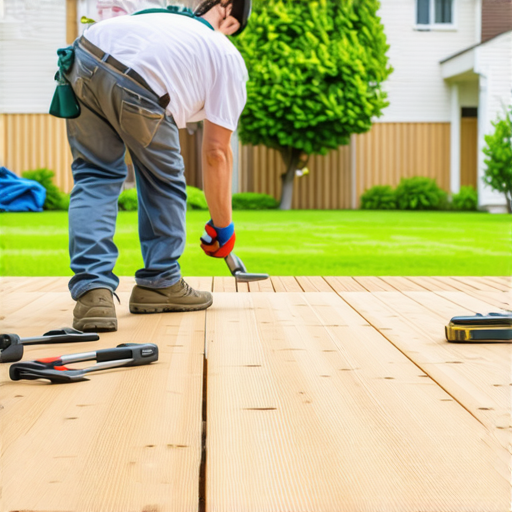
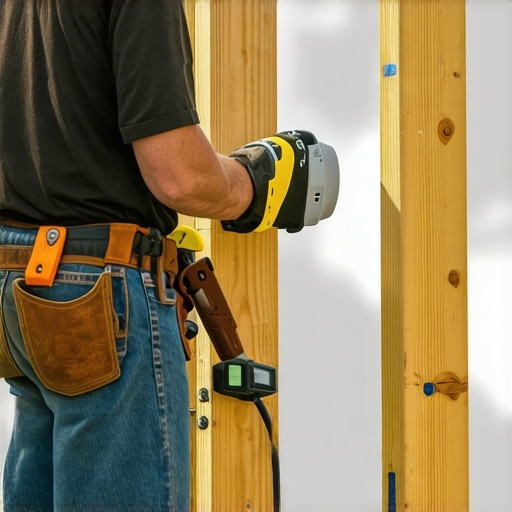
It happened one sunny afternoon when I was hosting friends, and suddenly, I noticed a wobbly corner of my deck. A little jiggle, and I knew I was in trouble. That sinking feeling in my stomach told me I’d overlooked something crucial—checking the verticality and stability of my deck posts earlier might have saved me from a costly repair or worse. I learned the hard way that even the most beautiful outdoor spaces can become safety hazards if you don’t stay vigilant. If you’ve ever faced a wobbling post or wondered whether your deck’s foundation is truly sound, you’re not alone. Many homeowners assume their decks are fine until a minor issue turns into a major disaster. That’s why I want to share my experience and some practical tips to help you catch signs of trouble early.
Why Ensuring Your Deck Posts Are Vertical Matters More Than You Think
Decks are designed to be impressive yet safe retreats, but their longevity depends heavily on the stability of their foundational elements—especially the posts. When posts lean or wobble, it’s a clear sign that something’s off. Over time, exposure to weather conditions, shifting soil, and material fatigue can cause posts to settle or lean, especially if they weren’t installed properly at the start. If left unchecked, these issues can lead to dangerous structural failures, risking injury and expensive repairs. I realized this early in my deck rebuild when I learned that many problems stem from overlooked or neglected post stability. Thankfully, a simple inspection could have caught this beforehand. In fact, inspecting your deck’s posts and connections regularly can prevent catastrophic failures, and it’s easier than you might imagine.
Maintaining verticality isn’t just about safety; it also keeps your deck looking sharp and functioning properly. When posts lean, your entire outdoor space can become uneven and unsightly. Plus, uneven posts put undue stress on other parts of your deck, accelerating wear and tear. Regular checks, especially after storms or heavy snow, can keep issues at bay before they escalate into costly repairs or safety hazards. And if you’re like me, making a quick assessment every year could save hundreds—or even thousands—in the long run.
To get started, I recommend understanding what signs to look for and how to perform a simple inspection. That way, you can catch tiny problems early and address them promptly. For trusted tips, check out how to check your deck connection for signs of sagging, which often correlates with underlying post issues. The key is proactive maintenance—your deck will thank you for it, and your loved ones will stay safe. Want to dive into the details of how to do this properly? Keep reading, because I’ll walk you through simple steps to keep your deck solid and secure. After all, a stable deck might just be the best investment you make this year.
Assess Structural Stability with a Simple Check
First, picture yourself as a detective inspecting your outdoor space. Walk around your deck and gently push each post to see if it wobbles or leans. Recall a time I found one post teetering during a rainy spring; the wobble was subtle, but enough to raise concern. This quick test is like testing a guitar string—if it wobbles, it’s out of tune. Use a level to confirm verticality; a perfect 90-degree angle indicates proper alignment. If a post tilts more than a degree, it’s time to investigate further. Regular assessments are your first line of defense against structural issues.
Check for Sign of Moisture and Damage
Next, examine each post closely for signs of rot or water damage. Think of this step as inspecting fruit for softness or mold—visual and tactile cues tell you plenty. Look for discolored spots, soft wood, or powdery residue. I once discovered a post with a dark stain and spongy feel after a heavy winter storm, signaling compromised wood. Addressing moisture intrusion early prevents long-term decay. If moisture is trapped inside, it accelerates rot and weakens the entire structure. Applying a water-resistant sealant can safeguard healthy wood, especially if your deck is exposed to harsh weather conditions.
Ensure Secure Post Connections and Fasteners
Now, focus on how the posts connect to the rest of your deck. Imagine your deck as a Lego set—you want each piece to snap tightly. I’ve seen loose post bolts during my routine check that had started to rust, reducing stability. Use a wrench to tighten any loose bolts or screws, and replace corroded fasteners with corrosion-resistant options like stainless steel or the latest best deck fasteners for high-salt environments in 2026. Properly secured connections prevent wobbling and enhance safety. Don’t forget to inspect the post-to-plate connections; ensure they are solid and free of rust or damage.
Assess and Improve Post Anchoring Methods
Post anchoring is the foundation for stability. Picture anchoring like a stake in the ground—firm and deep. In my experience, some old decks rely on shallow concrete piers, which can settle unevenly. To verify, excavate a small area around the base to inspect the anchor or pier. If you notice a shallow or cracked pier, it’s time to rebuild with more durable solutions like helical piles or deep concrete footings. For better protection against moisture and rot, consider installing post sleeves or protective barriers; these act like raincoats for your posts. Proper anchoring methods are critical, especially in areas prone to soil movement or frost heave.
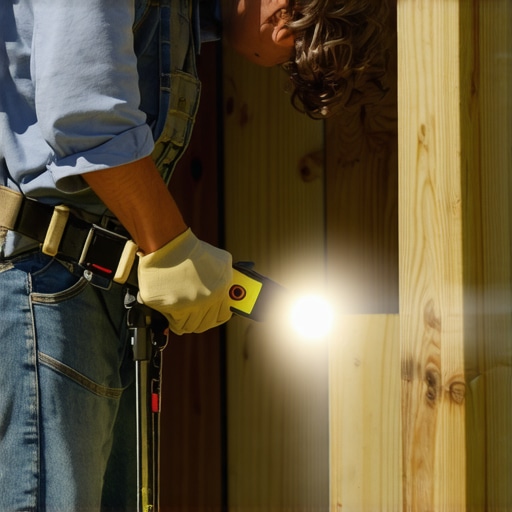
Remember, fast and effective remedial actions can save your deck from future disasters. When upgrading, ensure your deck fasteners are suitable for high-salt or humid environments; check out the best deck fasteners for high-salt environments in 2026 to make informed choices.
Schedule Regular Maintenance Checks
Lastly, incorporate scheduled inspections into your routine—seasonal or after severe weather events. Think of this as a health check-up for your deck. Use a checklist to ensure each step has been completed, focusing on stability, moisture damage, and fastener security. Acting promptly when issues arise keeps your deck safe and extends its lifespan. Remember, proactive maintenance is cost-effective and keeps your outdoor retreat inviting and secure.While many homeowners believe that choosing a local deck builder ensures quality and reliability, the reality is often more nuanced. One common misconception is that all deck builders in Needham are equally skilled, but in my experience, selecting a contractor without verifying their specialization and experience can lead to avoidable problems down the line. For instance, some contractors might cut corners on fundamental aspects like proper fastening or anchor installation, which are critical for long-term stability.
Another misconception revolves around cost. Many assume that the lowest bid guarantees savings, but in practice, this often results in subpar materials or incomplete work. High-quality fasteners, especially in coastal or high-salt environments, are vital; for example, using the best deck fasteners for high-salt environments in 2026 can significantly extend your deck’s lifespan. Skimping here may save money initially but could cost you much more in repairs later.
Let’s talk about another hidden nuance—that of inspecting and maintaining your deck proactively. The assumption that a deck only needs attention after visible damage is flawed. Advanced issues like corroded joist hangers or concealed rot can be invisible to the untrained eye. Thus, engaging with professional inspections, such as checking your deck connection for signs of sagging, is a proactive strategy that pays off. Regular inspections are especially crucial if your deck is older or exposed to harsh weather conditions.
A common trap is underestimating the importance of proper anchoring. For example, some homeowners ignore whether their posts are anchored with deep concrete footings or newer helical piles. Shallow piers are prone to settlement, which can cause leaning or wobbling over time, risking safety. Investing in understanding and choosing the right foundation—perhaps upgrading to deep footings or using post sleeves to protect against rot—is essential. Better to be proactive now than to face costly repairs later.
From my experience, many overlook the importance of selecting the right materials tailored to Needham’s unique climate. For example, pressure-treated wood still requires sealing yearly, as discussed in this guide. Failure to do so accelerates decay and shortens the lifespan of your deck.
So, what’s the fallout of ignoring these nuances? It can lead to structural failures, safety hazards, and increased costs that could have been avoided with attentive planning and maintenance. Being aware of these hidden details and avoiding common misconceptions can empower you to make informed decisions when building or maintaining your Needham deck. Remember, a well-informed homeowner can extend the beauty and safety of their outdoor space for years to come.
Have you ever fallen into this trap? Let me know in the comments.Maintaining a beautiful and safe deck requires the right tools and methods. One of my go-to instruments is a professional-level laser level, like the Bosch GSL100N. I personally use it every season to ensure my posts and beams are perfectly vertical, which prevents wobbling and structural issues. Its accuracy—within 1/8 inch over 100 feet—makes it invaluable for small adjustments that have a big impact on safety and appearance. Regularly checking with a laser level helps catch early signs of leaning or settling before they become costly problems.
For inspecting fasteners and connections, I rely on a high-quality cordless drill with a torque wrench attachment. This combo allows me to tighten or replace rusted, loose screws with precision. I’ve found that upgrading to stainless steel fasteners compatible with high-salt environments, like those recommended in2026’s best fasteners for salt-heavy climates, significantly extends the lifespan of my deck.
Cleaning and maintaining the wood surface itself is crucial. I typically use a power washer with a variable pressure setting to avoid damaging the wood while removing dirt, moss, and old stains. Post-cleanup, I apply a proven sealant—like Thompson’s WaterSeal—using a sprayer for even coverage. This routine keeps moisture intrusion at bay and preserves the deck’s appearance.
Looking ahead, technology trends are shifting toward smart decking solutions. From sensors that monitor moisture levels to automated cleaning systems, the future of deck maintenance could become more hands-off. According to a recent article on smart outdoor features, integrating these technologies can alert you precisely when maintenance is needed, saving time and preventing damage.
For homeowners serious about preservation, I recommend starting with the laser level to verify post alignment regularly. It’s an easy yet powerful step to ensure your deck stays sturdy and safe. Don’t wait until wobbling becomes a safety hazard—invest in these tools and make maintenance a priority today.
Lessons Hidden in Wobbly Posts That No One Tells You
My experience with a wobbly deck post was a wake-up call about how overlooked details can lead to big problems down the line. One lightbulb moment was realizing that consistent, small inspections could prevent costly disasters, emphasizing that safety starts with simple vigilance. Discovering that deep, proper anchoring is crucial transformed my approach; I now prioritize inspecting foundation depths regularly. I also learned that relying solely on quick fixes like tightening bolts isn’t enough—preventive measures like upgrading to corrosion-resistant fasteners in salty environments make a noticeable difference.
Tools and Resources That Elevated My Deck Maintenance Game
The Bosch GSL100N laser level has been a game-changer, providing precision that ensures verticality helps keep wobbling posts at bay. Engaging with stainless steel fasteners recommended in 2026’s best fasteners for high-salt environments has ensured longevity in harsh weather. Power washing combined with eco-friendly sealants like Thompson’s WaterSeal helps maintain both beauty and defense against moisture. Lastly, staying updated with articles on smart decking solutions from 2026’s smart deck innovations keeps me ahead of potential issues.
Embracing the Power of Prevention for a Lasting Deck
Your outdoor oasis deserves to stand the test of time. By scheduling regular checks, immediately addressing signs of moisture or loose fasteners, and investing in quality materials, you’re not just maintaining a deck—you’re cultivating peace of mind. Take proactive steps today, from verifying post alignment with a laser level to contemplating upgrades in foundation anchoring. Your future self will thank you for prioritizing safety and durability now. What’s the first small step you’ll take to keep your deck solid and secure? Share your plans below and let’s build stronger outdoor spaces together!