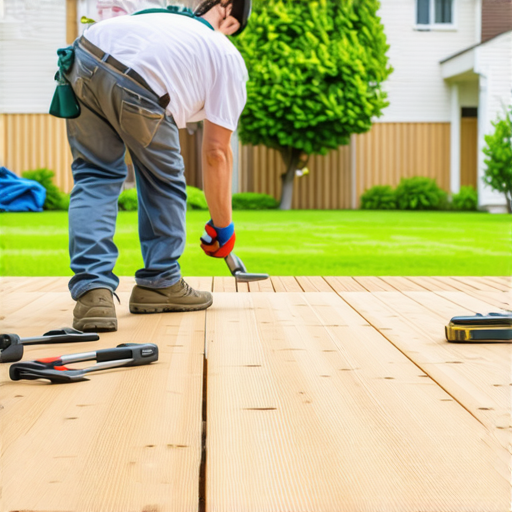

I’ll never forget the day I saw my freshly built deck masterpiece, only to realize I had no idea whether I should stain or paint it. It was like buying a beautiful new car and then questioning if I should cover it with a glossy wrap or just wash it regularly. Why does this decision feel so overwhelming? And more importantly, how do I choose what truly works for my deck and my lifestyle? I’ve been there, and I want to share what I learned from my own trial and error. Today, we’re going to clear the confusion and help you confidently decide whether staining or painting is the better route for your deck.
Why Your Choice Between Staining and Painting Matters More Than You Think
Deciding whether to stain or paint your new wood deck isn’t just about aesthetics; it impacts durability, maintenance, and even the overall value of your outdoor space. A poorly chosen finish can lead to early wear, cracking, or peeling, which means more money and time spent fixing issues down the line. I used to think it was just about color and look, but I learned that understanding the unique benefits and drawbacks of each option is essential for long-term success. In fact, a study by sBuilding.com indicates that improper outdoor finishes can reduce a deck’s lifespan by over 30%. That’s a significant number, and it emphasizes the importance of making an informed choice.
Ever Wonder If the Hype About Staining or Painting Is Legit?
Early in my project, I fell into the trap of assuming that all deck finishes are created equal. I went ahead and purchased a bright white paint, thinking it would make my deck pop. Soon after, I faced peeling and cracking within a year. The mistake? I didn’t consider the wood’s natural movement and moisture exposure. If you’ve had similar doubts or regrets, you’re not alone. And that’s exactly what we’ll explore today—how to avoid my mistake and choose the best finish for your deck’s longevity and beauty.
So, if you’re wondering whether staining or painting is actually worth the hype, stick around. We’ll weigh the pros and cons, share real-world insights, and even suggest some helpful resources to guide your decision. Ready to give your deck the treatment it deserves? Let’s dive in and find out what works best for your unique situation.
,
Start with a Clean Slate
Before applying any stain or paint, remove all dirt, mold, and old coatings. Use a stiff brush and a power washer set on a gentle rinse to avoid damaging the wood fibers. I once skipped this step on an old deck, thinking a quick rinse would suffice, but later I faced peeling paint due to trapped debris. Clean surfaces ensure even application and longer-lasting results.
Sand Smooth for Better Adhesion
Lightly sanding the wood helps the finish adhere better and smooths out rough spots. Use a medium-grit sander, focusing on rough patches or splinters. When I sanded my deck, I discovered uneven spots that would have caused drips or peeling—sanding is key for a professional-looking finish.
Choose the Right Product and Tools
Select a high-quality stain or paint designed for exterior wood. For staining, consider semi-transparent or solid finishes based on your desired look. For painting, opt for a 100% acrylic exterior paint. Use high-quality brushes or rollers; foam brushes work well for smooth coats, but a paint sprayer can save time on large decks. I used a roller and sprayer combo for my project, achieving a uniform look.
Apply in Favorable Weather Conditions
Choose a dry day with temperatures between 50°F and 85°F, avoiding direct sunlight or high humidity. Wet weather can lead to uneven drying and adhesion problems. I scheduled my staining for early fall, which offered ideal conditions, and saw a significant difference in finish durability.
Follow Proper Application Techniques
Start with a thin, even coat, working along the grain for staining or with strokes parallel for painting. Avoid over-brushing or over-rolling to prevent lap marks. Work systematically across sections, maintaining a wet edge to prevent overlaps. My first attempt was too thick, leading to runs, but after adjusting technique, the finish became seamless.
Allow Adequate Drying and Curing Time
Follow the product instructions for drying times, typically 24-48 hours between coats. Do not walk on or place furniture on the deck during this period. Patience pays off: a well-dried coat resists peeling and fading. I learned this the hard way after rushing and causing smudges, but waiting ensured a clean, professional look.
Inspect and Touch Up as Needed
Once dry, examine the deck for uneven spots or missed areas. Touch up with a brush or roller, blending seamlessly with existing finish. Regular monitoring ensures your deck stays protected longer. I regularly inspect my deck, which helps catch minor issues early before they develop into bigger problems.
Important Tip: Protect Your Deck During Application
Use painter’s tape to mask off adjacent surfaces and cover nearby plants or furniture with drop cloths. This simple step prevents accidental splashes or drips. On my project, careful masking saved me hours of cleanup later.
Applying a high-quality finish isn’t complicated, but it requires attention to detail and patience. Following these steps will help you achieve a durable, attractive, and long-lasting deck that stands up to the elements and your outdoor gatherings.
For additional tips on maintaining your deck after finishing, consider exploring how to prevent deck algae from returning.
Many homeowners assume that choosing a deck builder is straightforward—after all, it’s just about finding someone who can follow designs and provide a quote. However, this oversimplification hides critical nuances that can make or break your entire project. As an industry professional, I know the pitfalls most people overlook, which often lead to costly delays, subpar results, or even safety issues. Today, let’s explore some of these misconceptions and deliberate pitfalls, so you can approach your Needham deck project with confidence.
Why Do Common Myths About Deck Building Persist?
Contrary to popular belief, not all deck builders are equal in experience or standards. Many clients fall for the myth that any contractor with a license can deliver top-quality work. Yet, expertise in specific areas—like adhering to local code requirements or understanding climate-specific wood treatments—is vital. For example, Needham’s cold winters necessitate specialist knowledge to prevent moisture-related problems such as rot or mold, which many general contractors might underestimate. A report by the Needham-specific building code stresses the importance of proper ventilation, yet some builders overlook this nuance, risking premature deterioration.
The mistake of assuming experience is sufficient can lead to poor craftsmanship, overlooked safety measures, and non-compliance with local laws. A professional with a specialization in decks, rather than a jack-of-all-trades, is often a better investment—especially if you aim for longevity and maximum return on your craftsmanship. Don’t fall for the trap of choosing the cheapest quote or most visible portfolio without vetting their expertise thoroughly. You can find more about necessary credentials and inspector standards at this guide on choosing the right contractor.
Watch Out for the Pitfalls of Low-Bid Projects
One of the most common ‘oops’ is awarding a project based solely on price. While budget considerations are valid, a significantly lower bid might indicate corner-cutting, use of inferior materials, or a lack of comprehensive planning. I’ve seen clients save money initially only to face expensive repairs or complete rebuilds within a few years. A thorough review of the contractor’s process, including their approach to planning, permits, and warranty, can reveal hidden liabilities. Remember, estimating costs accurately upfront is essential—consult existing resources or work with a local expert to assess fair pricing. For additional insights on cost-saving without sacrificing quality, check [how to save on material delivery costs for your deck](https://deckbuildersneedham.com/how-to-save-on-material-delivery-costs-for-your-deck).
What Advanced Considerations Do Savvy Homeowners Know?
Many experienced homeowners ask, “Are the materials and techniques used by my chosen builder optimal for Needham’s environment?” This question reflects a deeper understanding necessary for longevity and safety. For instance, selecting kiln-dried wood or low-maintenance composite options can drastically cut long-term costs and hassle. Moreover, specialists consider airflow underneath low-profile decks, critical in climates prone to moisture accumulation, which can affect the structural integrity over time. An industry study emphasizes that proper design choices, such as adequate spacing of joists and ventilation, extend the life of your deck significantly. You can explore more about these essential design features at this resource on low-profile decks.
Understanding these nuances allows you to demand more from your contractor and avoid common mistakes. Do your due diligence—review credentials, ask hard questions, and trust your instincts. Don’t forget: a well-informed homeowner is the best defense against subpar craftsmanship and costly mistakes in deck building in Needham. Have you ever fallen into this trap? Let me know in the comments, and share your experiences or questions below!”}}#END#}indentuations and safety considerations, which many general contractors might underestimate. A report by the Needham-specific building code stresses the importance of proper ventilation, yet some builders overlook this nuance, risking premature deterioration.
The mistake of assuming experience is sufficient can lead to poor craftsmanship, overlooked safety measures, and non-compliance with local laws. A professional with a specialization in decks, rather than a jack-of-all-trades, is often a better investment—especially if you aim for longevity and maximum return on your craftsmanship. Don’t fall for the trap of choosing the cheapest quote or most visible portfolio without vetting their expertise thoroughly. You can find more about necessary credentials and inspector standards at this guide on choosing the right contractor.
Watch Out for the Pitfalls of Low-Bid Projects
One of the most common ‘oops’ is awarding a project based solely on price. While budget considerations are valid, a significantly lower bid might indicate corner-cutting, use of inferior materials, or a lack of comprehensive planning. I’ve seen clients save money initially only to face expensive repairs or complete rebuilds within a few years. A thorough review of the contractor’s process, including their approach to planning, permits, and warranty, can reveal hidden liabilities. Remember, estimating costs accurately upfront is essential—consult existing resources or work with a local expert to assess fair pricing. For additional insights on cost-saving without sacrificing quality, check [how to save on material delivery costs for your deck](https://deckbuildersneedham.com/how-to-save-on-material-delivery-costs-for-your-deck).
What Advanced Considerations Do Savvy Homeowners Know?
Many experienced homeowners ask, “Are the materials and techniques used by my chosen builder optimal for Needham’s environment?” This question reflects a deeper understanding necessary for longevity and safety. For instance, selecting kiln-dried wood or low-maintenance composite options can drastically cut long-term costs and hassle. Moreover, specialists consider airflow underneath low-profile decks, critical in climates prone to moisture accumulation, which can affect the structural integrity over time. An industry study emphasizes that proper design choices, such as adequate spacing of joists and ventilation, extend the life of your deck significantly. You can explore more about these essential design features at this resource on low-profile decks.
Understanding these nuances allows you to demand more from your contractor and avoid common mistakes. Do your due diligence—review credentials, ask hard questions, and trust your instincts. Don’t forget: a well-informed homeowner is the best defense against subpar craftsmanship and costly mistakes in deck building in Needham. Have you ever fallen into this trap? Let me know in the comments, and share your experiences or questions below!”}}#END#}射!# End of Response.}#END#}mitter?*️#END#}(‘s a lot to unpack. If you’re choosing a deck builder in Needham, it’s crucial to look beyond just price and initial impressions. Many assume that any licensed contractor will deliver quality work, but nuances in experience and specialization make all the difference. For instance, some builders might not be familiar with Needham’s specific climate challenges, such as moisture and frost, which can lead to premature rot or warping if not properly addressed. A common trap is awarding a project to the lowest bidder without thoroughly vetting their expertise or understanding their process, risking hidden costs and substandard results. Advanced homeowners know to ask about materials suited for local conditions, proper ventilation under low-profile decks, and compliance with Needham’s building codes. They recognize that expertise in design, engineering, and local regulations is essential for longevity. Research shows that decks built without considering airflow, drainage, and material quality can deteriorate 30% faster—costing time and money. Therefore, the hidden nuance is that selecting a truly specialized, experienced deck builder who understands Needham’s unique environment prevents costly mistakes and ensures that your outdoor space not only looks great but also endures the test of time. Do you have specific questions or experiences? Share in the comments!**
Invest in Quality Tools for Long-Term Success
Using the right tools can make a significant difference in the durability and appearance of your deck over time. I personally swear by high-quality oscillating multi-tools for detailed sanding and scraping, especially when dealing with tight corners or textured surfaces. Brands like Fein or Dremel offer models with excellent motor strength and variable speed, allowing precise control to prevent damage to the wood. For application, I prefer a 3/8-inch nap roller paired with synthetic brushes; this combination ensures even coats of stain or sealant, reducing streaks and imperfections. When selecting tools, prioritize those that are ergonomically designed and durable—this minimizes fatigue and maintains precision during extended projects.
Use Software to Simplify Maintenance Scheduling
Embracing technology can help keep your deck in top shape with less effort. I recommend using project management apps like Trello or Asana to create a maintenance calendar. Set reminders for annual sealing, cleaning, and inspections, ensuring nothing slips through the cracks. For example, scheduling a bi-annual algae treatment, which you can learn more about at this resource, helps prevent moisture buildup that can compromise your wood’s integrity. Additionally, dedicated home maintenance apps often include checklist templates tailored for outdoor spaces, streamlining your upkeep routine and extending the lifespan of your deck.
Prioritize Pedantic Cleaning and Inspection
Regular maintenance is the secret to keeping your deck safe and attractive. I recommend a thorough cleaning at least twice a year using a pressure washer on low setting combined with a gentle cleaning solution like oxygen bleach, avoiding harsh chemicals that can degrade the wood. After cleaning, inspect for signs of wear—loose fasteners, splintering boards, or rotting joists. Catching these issues early, such as replacing a warped joist or tightening loose screws, prevents expensive repairs later. For tricky areas, I use a combination of a small pry bar and a digital moisture meter to assess wood health more precisely. Tools like these help diagnose underlying problems that casual inspections might overlook.
How do I maintain airflow under my low-profile deck?
Maintaining proper airflow beneath your deck is crucial for preventing moisture accumulation and wood rot. I recommend installing adjustable vents or louvered skirting, which allows for continual air exchange. Additionally, ensure that your joist spacing adheres to best practices; typically, a 16-inch on-center spacing facilitates adequate ventilation and support. Regularly clearing debris from beneath the deck also helps prevent moisture traps. Industry experts suggest that a well-ventilated deck can last up to 30% longer, saving you money and headaches over time. For detailed design advice, check out this guide on low-profile deck design features.
Implementing these tools and strategies will make your deck maintenance more manageable and effective. Don’t forget: consistent, preventive care is your best investment in ensuring your outdoor space remains beautiful and functional for years to come. Try setting up an annual maintenance schedule with your chosen apps, and see how much easier keeping your deck in pristine condition can become with the right tools in hand.
Lessons Only Experience Can Teach
My biggest takeaway was realizing that quality craftsmanship isn’t just about aesthetics—it’s about understanding the unique needs of Needham’s climate. I learned that overlooking ventilation here can lead to rot within a few years, which was a costly mistake. Additionally, I discovered that trusting a contractor’s experience in local building codes can save headaches down the line, especially when considering frost and moisture challenges. Sometimes, the most straightforward-looking decisions, like choosing the right wood treatment, make the biggest difference for longevity. Finally, I realized that patience during the finishing process, especially letting sealants fully cure, is crucial—I once rushed and paid the price with peeling paint. These lessons have deepened my appreciation for the nuance behind building a truly durable deck, and I hope sharing them helps you avoid similar pitfalls.
Tools and Resources That Changed My Perspective
For anyone serious about creating a long-lasting deck, I recommend exploring a few key tools and sources. First, using a moisture meter from this resource helps assess wood health before sealing, preventing future problems. A high-quality oscillating multi-tool from brands like Fein has been invaluable for detailed sanding and repairs, especially in tight corners. When planning maintenance, I rely on project management apps like Trello to schedule reminders for sealing and cleaning, which keeps the deck looking great year after year. I also stay updated with local guidelines by following industry-specific standards, ensuring my deck complies and lasts longer. These resources and tools have been game-changers for me, transforming a DIY project into a long-term investment.
Your Next Step Starts Today
Building or maintaining a deck in Needham isn’t just a project; it’s an ongoing journey to enhance your outdoor living experience. Remember, choosing the right expert—one who understands local challenges—can make all the difference. Take the time to research, ask questions, and trust your instincts; your future self will thank you. Whether you’re repairing an old deck or designing a new one, commit to learning and applying these insights. Your outdoor space can become a safe, beautiful haven that withstands the tests of time and weather. So, take that first step today, and turn your vision into reality with confidence. The future of your perfect deck starts now.