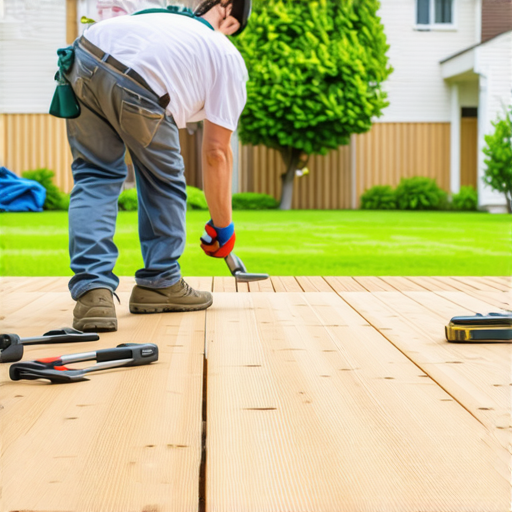

I remember the moment it hit me—standing on my unfinished deck in the pouring rain, realizing I had underestimated just how long the project would take. It was a frustrating wake-up call that many homeowners in Needham, like myself, have faced. We start with excitement, dreaming of those summer barbecues and cozy evenings, only to be caught off guard by endless delays and mounting costs. That experience taught me a vital lesson: a realistic timeline isn’t just a helpful tip; it’s the backbone of a successful deck project.
The Hidden Cost of Rushing Your Deck Build
Many homeowners enter a decking project with a fixed schedule in mind, often hoping to wrap things up before the seasonal weather changes. But here’s the truth: rushing often leads to overlooked details, subpar work, and unexpected expenses. According to a study by the National Association of Home Builders, projects that lack a well-structured timeline tend to overrun their budgets by 20-30%. That old adage, “measure twice, cut once,” couldn’t be more relevant when planning your deck. When I neglected to allocate enough time for proper permits and inspections, I faced costly rework and disappointing delays.
Now, let me ask—have you ever started a DIY deck project, only to find yourself scrambling as deadlines creep closer? If so, you’re not alone. The good news is, with a clear, actionable plan, you can sidestep these pitfalls.
What’s at Risk with Poor Planning
Skipping the planning phase or setting unrealistic goals can lead to a cascade of problems—compromised safety, poorer material choices, and even legal issues if permits aren’t properly handled. Early missteps like underestimating time for permit approval or ignoring weather patterns can turn your dream deck into a nightmare. I learned this the hard way when I rushed through my own estimates, only to discover my chosen materials fell out of stock due to supply chain delays. This frustration pushed me to reevaluate my project timeline and set more realistic expectations.
To avoid making the same mistake, I recommend breaking your project into smaller, manageable stages and allowing buffer periods for unforeseen setbacks. For example, scheduling a professional [deck survey](https://deckbuildersneedham.com/why-a-professional-deck-survey-is-worth-the-money) can identify potential issues early, saving you time and money later.
So, if you’re thinking about upgrading or building a new deck for 2026, it’s worth investing the time now to create a detailed, flexible plan. Coming up next, I’ll share practical steps to develop a timeline that keeps your project on track without sacrificing quality or safety.
Create a Detailed Project Schedule Starting with Milestones
Break down your entire decking project into key stages such as permitting, material procurement, foundation work, framing, decking, and finishing. Assign specific dates to each milestone, just like setting waypoints on a GPS for your journey. I learned this firsthand when I listed each step for my own deck—initial planning, permit application, material ordering, and construction—then tracked progress daily, which kept me on course and reduced surprises.
Allocate Buffer Time for Unexpected Delays
Never underestimate the power of extra days. Weather disruptions, permit delays, or material backorders can shift your schedule. Think of it like packing an umbrella in your weekend bag—better safe than sorry. Once, I scheduled an extra two weeks for potential permit issues. When the city took longer than expected, the buffer saved me from scrambling and kept my project moving smoothly.
Coordinate with Licensed Professionals Early
Hiring a professional deck surveyor or permit specialist ahead of time can prevent hold-ups. Consider it comparable to consulting a GPS before a long drive—professionals provide clarity on hidden routes and obstacles. I engaged a local Needham inspector early on, which clarified permit requirements and avoided costly rework later. Download a checklist for hiring a licensed contractor that matches your project scope to ensure quality and avoid risk.
Schedule Material Delivery in Sync with Progress
Coordinate your material orders to arrive just before they’re needed, avoiding clutter and theft risks. Visualize it like setting your table just as guests arrive—timely and efficient. During my project, I ordered decking boards after framing was complete, preventing storage issues. For complex projects, consider ordering specialty materials early, especially if supplies are limited or lead times are long.
Monitor Weather Patterns and Plan Accordingly
Keep an eye on weather forecasts—like checking the forecast before heading outdoors—to prevent unexpected delays. In Needham, sudden rain or snow can halt work. I checked 10-day forecasts weekly during my build, scheduling outdoor work on clear days. For winter or rainy seasons, plan your most labor-intensive tasks during dry spells or consider installing weather-resistant features.
Break Down Tasks into Manageable Weekly Goals
Divide the project into weekly objectives—similar to tackling a big puzzle one piece at a time. This approach keeps motivation high and progress measurable. For instance, dedicate one week to framing, another to decking, and a separate period for finishing touches. Keeping tasks bite-sized helps identify bottlenecks early and adjust your plan proactively.
Review and Adjust Your Timeline Regularly
Set weekly check-ins to assess progress and tweak your schedule—think of it as tuning a musical instrument. If a delay occurs, like supply chain issues, shift upcoming tasks accordingly. During my build, I noticed a delay in delivery, so I adjusted by focusing on permits and prepping other areas, minimizing downtime and ensuring continuous momentum.
Even seasoned homeowners often assume that choosing a deck builder is simply about comparing quotes or picking the lowest price. But in my experience, there’s a nuanced set of pitfalls that most overlook, which can significantly impact quality and durability. One common misconception is believing that all deck builders have the same level of expertise, especially when it comes to local climate challenges like those in Needham. Many fall for the lure of cheap labor or quick turnaround, forgetting that a deck’s longevity heavily depends on proper installation techniques, knowledge of local weather patterns, and material choices tailored for the Massachusetts climate.
Why the Cheapest Option Might Cost You More in the Long Run
Choosing a deck builder solely based on price is a trap that often backfires. Lower bids may omit critical steps such as soil testing, proper waterproofing, or thorough inspections, which are essential for preventing issues like rot, warping, or ice dam damage. For example, in Needham, decks are vulnerable to ice dams, and neglecting proper drainage solutions can lead to costly repairs. According to industry expert Mike Guertin, a leading deck builder in New England, “Skimping on quality and expertise today can lead to thousands in repairs tomorrow.” So, always ensure your builder understands local building codes, permits, and climate-specific challenges. External consultation or a professional survey, like a deck survey, can reveal hidden issues early.
Are All Certifications Equal, or Is There a Difference?
Many homeowners assume that certifications issued by national bodies guarantee superior craftsmanship. However, the real value lies in local experience and specialization. A Needham-based professional familiar with Massachusetts’ snowy winters and humid summers understands how to select the best materials—whether it’s choosing durable wood stains or opting for low-maintenance composite alternatives that withstand ice and moisture. Beware of professionals who tout generic certifications without local expertise; their advice might not be tailored to your specific environmental conditions. To avoid common pitfalls, research contractors’ portfolios and seek reviews from other Needham homeowners. They often share insights about the longevity of various deck features and the importance of bespoke solutions.
What Does Cutting Corners in Deck Building Really Cost?
Rushing the project, such as skipping proper planning or material procurement, can result in structural weaknesses and safety hazards. For instance, improper joist spacing or inadequate fastening can compromise your deck’s stability—problems not immediately visible but dangerous over time. Remember, a well-built deck is an investment; in the long run, sacrificing quality for short-term savings often leads to disappointment and added costs. For in-depth guidance, check out our article on deck board densities to understand how material choices influence durability.
Have you ever fallen into this trap? Let me know in the comments.
Keep Your Deck in Top Shape with the Right Tools and Techniques
Maintaining a durable and beautiful deck requires more than routine cleaning; it involves using specialized tools and adopting effective methods that extend its lifespan. Over the years, I’ve honed a toolkit that helps me stay ahead of wear and tear, especially given Needham’s unique climate challenges.
One essential tool I rely on is a high-quality electric power washer. Unlike traditional garden hoses, a power washer delivers the deep-cleaning power necessary to remove stubborn dirt, algae, and stain residues without damaging the wood or composite surfaces. I prefer models with adjustable pressure settings—these give me control, allowing me to clean delicate areas gently while tackling tougher grime elsewhere. Always remember, using the correct nozzle and pressure is vital to prevent surface damage, especially on older or softer decking materials.
For scrubbing, I use a stiff-bristled deck brush with a long handle. This tool helps me get into tight corners and ensures I can clean thoroughly without straining my back. Pairing this with environmentally friendly cleaning solutions, like a biodegradable deck cleaner, aligns with the eco-conscious mindset we’re moving toward in 2026. You might consider testing a mixture of warm water and mild detergent or specialized products recommended for your deck material—this prevents deterioration and preserves aesthetics.
When it comes to addressing stubborn stains, I utilize a handheld oscillating scrubber equipped with soft-bristle pads. It’s a game-changer for spot cleaning, especially on composite decks where traditional scrubbing can cause surface scratches. Regular maintenance involves inspecting fasteners and joist hangers to catch corrosion early—tools like a handheld magnet or inspection mirror make these checks more efficient.
Looking ahead, advancements in smart technology are beginning to influence deck maintenance routines. Intelligent sensors are being developed to monitor moisture levels and structural integrity in real-time, potentially alerting homeowners to issues before they become costly repairs. Experts predict that integrating such systems could become a standard part of long-term deck care, especially in climates prone to ice dams like Needham.
How do I maintain my deck’s longevity over time? It’s crucial to combine the right tools with a scheduled maintenance plan. I recommend starting with a professional deck survey to identify vulnerable areas, then set a routine of annual power washing and biannual staining or sealing, especially with weather-resistant products like those reviewed in our recent article on best wood stains for Massachusetts. For ongoing protection, applying a high-end sealant compatible with your deck material can prevent moisture ingress and UV damage—key factors considering New England’s unpredictable weather.
Remember, investing in quality tools and adopting a proactive maintenance plan not only preserves your deck’s beauty but also adds significant value to your property. Consider trying out a power washer with an adjustable pressure setting on your next cleaning session—it’s often the most effective method for restoring a fresh look without risking surface damage. As we look toward 2026, embracing new technological innovations will make care even more manageable, ensuring your outdoor space remains inviting for years to come.
How I Stumbled Over My Own Hurdles and What It Taught Me
One of the most eye-opening lessons I learned was the importance of patience and detailed planning. Rushing through phases, especially permit approvals and material orders, set me back financially and emotionally. Now, I realize that taking the time to understand local regulations and supply chain nuances is invaluable, saving headaches down the line. This insight has reshaped how I plan and execute deck projects, emphasizing quality over speed.
Top Tools and Resources That Elevate Deck Building
Over the years, I’ve curated a set of tools and resources that make deck projects more manageable. For instance, high-quality power washers and eco-friendly cleaners help maintain the deck’s beauty, while detailed guides like our top stain recommendations inform material choices. Additionally, consulting with licensed professionals via deck surveys ensures every detail aligns with local climate demands and safety standards.
Embracing the Future of Deck Construction and Maintenance
The landscape of deck building is rapidly evolving, especially with innovations like smart moisture sensors and weather-resistant materials. I encourage fellow homeowners to stay curious and open to integrating these advancements into their projects. Doing so not only prolongs the lifespan of your deck but also enhances safety and aesthetic appeal. Remember, a well-maintained deck is a testament to your dedication and foresight, creating a space where memories can flourish for years to come.