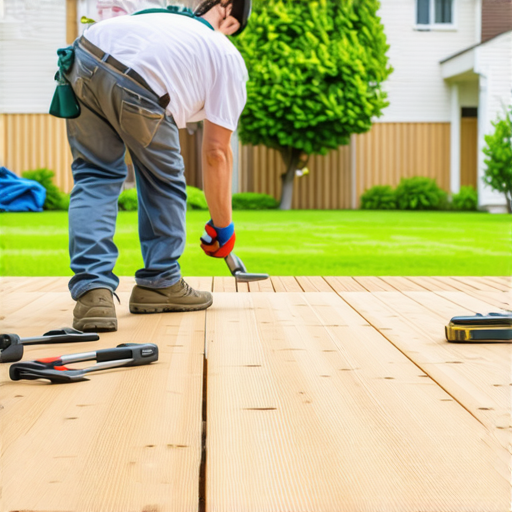
I remember the day I first tried staining my deck. I was eager to give it a fresh look, believing that a simple coat of stain would make everything seem new again. Fast forward a few months, and I was cleaning up… only to find the stain peeling and flaking like it was old paint. It was disheartening, and honestly, a bit embarrassing. That moment was my lightbulb moment—realizing that not all stains are created equal, especially when longevity and appearance matter in the long run.
Why a Poor Choice of Deck Stain Can Turn Your Dream Backyard into a Maintenance Nightmare
If you’ve ever spent your weekend scraping and reapplying stain, you know the frustration of peeling, cracking, and patchy color. Choosing the wrong type or brand of stain can mean throwing money and time into repairs or redoing everything sooner than you’d like. I’ve learned from that mistake—early on, I chose a cheap, poorly reviewed stain without considering its durability or compatibility with my specific wood type. The result? Peeling in less than a year, and a lot of unnecessary work.
Will All Stains Peeling? Myths vs. Reality
One common misconception I had was that all stains are the same—just different colors and textures. That couldn’t be further from the truth. The key is understanding the type of stain—oil-based, water-based, or semi-transparent—and how it interacts with your deck material and climate. A mistake I made early on was ignoring that I needed to prep my surface properly, leading to poor adhesion. Proper surface preparation combined with selecting the right stain can dramatically increase your deck’s lifespan.
If you’re tired of spending weekends on repairs instead of relaxing, I promise we’ll cover practical tips to choose a stain that sticks, looks good, and lasts for years. From my personal experience and a bit of research—supported by expert insights from sources like the Needham deck experts—I’ll help you dodge common pitfalls and pick the best product for your needs. Ready to transform your deck with confidence? Let’s dive into what really makes a good deck stain and how to master the application process.
Prepare the Surface Properly
My first attempt at staining involved skipping the cleaning step, which resulted in uneven adhesion. To avoid this, start by removing any dirt, mildew, or old stain using a deck cleaner like the best cleaning products. Use a stiff-bristle brush or power washer, but be cautious—overly aggressive cleaning can damage the wood. Once clean, ensure the surface is completely dry, as moisture hampers stain penetration.
Choose the Right Stain for Your Needs
Not all stains are equal; understanding the difference makes a big impact. Oil-based stains penetrate deeper and last longer but take longer to dry. Water-based stains are quick-drying and eco-friendly but may require more frequent reapplications. For deck longevity, I recommend semi-transparent oil stains—these offer protection while showcasing wood’s natural beauty. To find the best product, visit this comparison.
Apply the Stain Evenly and Correctly
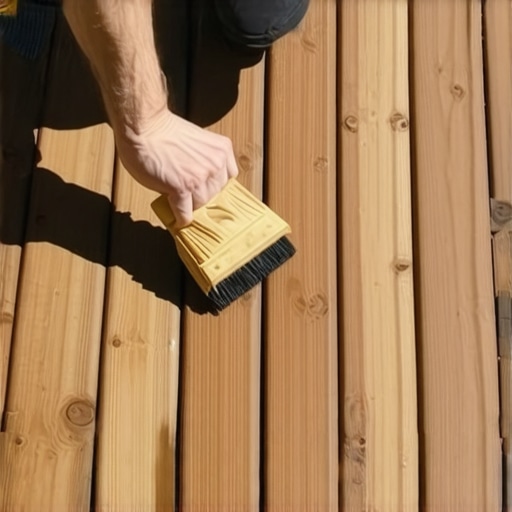
I vividly remember the first time I used a brush for staining. The key is to work in manageable sections, applying generous but not excessive coats. Use a high-quality brush or roller, and always follow the grain. When I stained my neighbor’s deck, I realized that working in the shade helped prevent the stain from drying too quickly and leaving streaks. For larger areas, a sprayer combined with back-brushing ensures even coverage and speeds up the process. Tip: Always start from the furthest corner and work backwards to avoid stepping on wet stain.
Mind the Details and Edges
Don’t forget the railings, stairs, and tight corners. These spots often get overlooked but are crucial for a uniform appearance. Use a small detail brush to catch tricky spots and ensure color consistency. I once missed the underside of a railing, which became visibly lighter after drying—lesson learned! Taking your time here pays off with a professional finish.
Allow Adequate Drying and Curing Time
Patience is essential; rushing the drying process risks smudges and unevenness. Check the manufacturer’s instructions—most stains need 24-48 hours to dry. In my experience, waiting an extra day in humid weather prevents sticky surfaces and ensures the stain adheres properly. Remember, the first coat is just the beginning; many stains benefit from a second application for enhanced durability. Visit adding accessories after drying for a finished look.
Maintain Your Newly Stained Deck
Staining isn’t a one-and-done task. Regular cleaning and inspections extend the life of your finish. For instance, I monthly sweep off debris and spot-clean stains to prevent mold growth. Every 2-3 years, a fresh coat rejuvenates the deck’s appearance and protective barrier. Proper maintenance saves money and time long-term, much like the advice from modern builders.
Many homeowners believe that hiring a local deck builder in Needham means simply finding the cheapest option or the quickest contractor available. However, this misconception overlooks the nuanced expertise required to deliver durable, safe, and aesthetically pleasing decks. In my experience, a common mistake is assuming that any contractor who advertises well can tackle complex projects, but the reality is far more intricate. A skilled deck builder not only understands local zoning laws and material compatibility but also anticipates potential issues like deck joist rot and how to prevent them proactively. Missing these nuances can lead to costly repairs or even safety hazards down the line.
What Advanced Property Owners Should Watch Out For
One often-overlooked aspect is the importance of integrating modern features during initial construction rather than attempting retrofits later. For example, designing a deck that accommodates solar lighting or built-in heating elements requires foresight and specialized knowledge. DIY or inexperienced contractors may skip planning these details, resulting in subpar functionality and aesthetic clash. The key is selecting a professional who understands modern deck enhancements and can integrate them seamlessly. Additionally, understanding the structural load capacities of materials—detailed knowledge beyond the standard guides—is critical, especially if you plan to host large gatherings or add features like hot tubs. Experts recommend consulting material density differences to ensure safety and longevity.
Furthermore, many overlook the significance of proper ventilation and water drainage in deck design, which can dramatically extend the lifespan of your structure. An improperly ventilated deck can trap moisture, leading to faster decay, especially in climates like Needham’s with seasonal humidity fluctuations. Investing in a contractor with a meticulous understanding of these details can save you thousands in future repairs. Have you ever fallen into this trap? Let me know in the comments.
Keeping Your Deck in Top Shape with the Right Tools
Maintaining a durable and beautiful deck requires precision and the right equipment. I personally swear by a high-quality cordless power washer, like the Sun Joe SPX3000, because it provides consistent pressure without damaging the wood surface. For cleaning before staining, I use eco-friendly deck cleaning solutions such as the EcoClean Deck Wash, which effectively removes mold and grime without harming nearby plants, thanks to its biodegradable formula. During staining, a sprayer equipped with an adjustable nozzle helps achieve even coverage, but I always back-brush to ensure deep penetration and smooth finish. Investing in a good-quality stiff-bristle brush, like the Wooster Shortcut, makes all the difference in eliminating uneven patches, especially on textured surfaces.
Tools I Recommend for Long-Term Deck Care
When it comes to repairs or upgrades, I rely on precision tools. A cordless impact driver like the DeWalt DCF899 ensures secure fastening, vital for maintaining structural integrity. For replacing individual boards without risking damage, I prefer a circular saw with a depth adjustment feature, ensuring clean cuts and minimal wood splintering. Additionally, a moisture meter such as the Protimeter Surveymaster allows me to monitor wood moisture levels—vital since excess moisture leads to rot or mold. For ongoing inspections, I recommend a laser level; it helps verify that joists and railings remain aligned over time, preventing safety hazards.
The Future of Deck Maintenance and Scaling Up
As technology advances, I predict more homeowners will adopt smart sensors embedded in decks that monitor moisture and structural stress in real-time. This proactive approach enables timely interventions, avoiding costly repairs. Professionals are already experimenting with IoT-integrated solutions, which could become a staple in deck management by 2030. To keep pace with these trends, I suggest starting with essential tools like the moisture meter and investing in durable, versatile equipment that can grow with your needs. Regular maintenance combined with the right tools not only prolongs a deck’s lifespan but also enhances safety and aesthetic appeal.
How do I maintain my deck over time?
Consistent cleaning with appropriate solutions, periodic inspections for damage or rot, and reapplying protective stains every 2-3 years are key. Using tools like impact drivers for repairs and moisture meters for early detection helps spot issues before they escalate. Also, consulting expert advice and staying updated on innovations—like laser leveling for ensuring structural alignment—can save money and effort in the long run. For example, a recent technical report highlights the importance of monitoring moisture levels to prevent deck joist rot (source). Like any system, your deck benefits from proactive care rather than reactive fixes—so take that extra step today by investing in a combination of these tools to keep your deck resilient and beautiful for years to come.
What I Wish I Knew Before Starting My Deck Journey
The biggest breakthrough came when I realized that even the best stains need proper surface prep to truly last. Skipping cleaning or rushing the drying process only leads to disappointments and more work down the line. Embracing patience and thoroughness—like meticulously removing old stain and waiting for ideal weather—saved me hours and money. Additionally, understanding the nuances between oil-based and water-based stains prevented countless reapplications, ensuring my deck stayed beautiful longer. These lessons, learned through trial and error, have become my go-to principles for every maintenance project.
Tools and Resources That Changed the Way I Approach Deck Maintenance
Over time, I’ve curated a set of tools that make my deck upkeep both efficient and effective. A high-quality cordless impact driver from DeWalt makes repairs a breeze, especially when replacing warped boards or installing new fixtures. I trust eco-friendly cleaners like EcoClean Deck Wash because they protect my plants while breaking down stubborn mold. For ongoing inspections, a moisture meter such as the Protimeter Surveymaster helps catch early signs of rot before they become costly issues. Lastly, investing in a laser level simplifies ensuring that everything from railings to joists stays aligned, enhancing both safety and aesthetics.
Keep Pushing Forward: Your Deck’s Best Years Are Ahead
Taking care of your deck is more than routine maintenance—it’s about creating an inviting space that ages gracefully. With the right knowledge and tools, you can prevent common pitfalls like rot, peeling, or uneven settling. Remember, the future of deck care in 2026 is leaning toward smart solutions—think sensors that monitor moisture and structural integrity—so staying informed ensures you’re prepared. Today’s effort in proper cleaning, choosing durable finishes, and regular inspections will pay off with a deck that remains the heart of your outdoor living all year round. Don’t wait until issues appear—get proactive, and watch your outdoor space flourish for years to come.