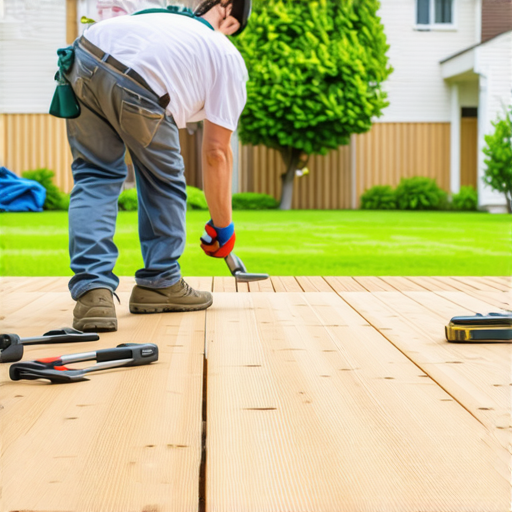

It was a warm Saturday afternoon when I first realized my deck’s post caps might be doing more harm than good. I’d spent hours cleaning and sealing my beloved outdoor space, only to notice moisture seeping into the wood around the posts—something I hadn’t anticipated. That lightbulb moment made me pause and think: Are my post caps just decorative, or are they crucial for protecting my deck? Since then, I’ve learned the hard way that selecting the right post caps isn’t just about looks; it’s about warding off rot, keeping pests out, and extending your deck’s lifespan.
Why Getting the Right Post Caps Matters More Than You Think
Post caps may seem like a minor detail, but they play a pivotal role in your deck’s longevity and style. Think of them as the first line of defense against weather, pests, and decay. The wrong choice or poor installation can turn your outdoor retreat into a maintenance nightmare. I remember installing a stylish wooden cap without proper sealing, only to watch it crack and let water seep in during the rainy season. That mistake cost me more time and money later.
Today, I’m here to demystify the process. We’ll explore how to choose post caps that enhance your deck’s look while offering robust protection. From classic wood to durable composites and modern materials, I’ll share insights from my experiences and trusted industry advice to help you avoid my pitfalls. If you’ve ever faced the frustration of replacing rotted posts or battling pest invasions, stay tuned—this guide is for you.
Is All Post Cap Material Created Equal?
In my early days of deck maintenance, I underestimated how much material quality impacts performance. I figured, “It’s just a cap,” but that’s a costly oversight. For example, basic wood caps might look charming, but without proper treatment, they quickly succumb to moisture, leading to decay. Conversely, high-quality composite caps or metal options offer longer-lasting protection with minimal upkeep. According to the U.S. Department of Agriculture Forest Service, untreated wood exposed to the elements can rot within as little as 3-5 years, highlighting the importance of choosing the right material (source: [USDA Forest Service](https://www.fs.usda.gov)).
Have you faced the dilemma of choosing between style and durability? If so, you’re not alone. Many homeowners start with aesthetic preferences only to be disappointed when their posts deteriorate prematurely. The good news is that with a few smart choices, you can combine beauty and resilience, making your deck both stunning and long-lasting.
Now, let’s dive into the specific types of post caps and what works best for different needs, so you can make an informed decision that saves you time, money, and frustration.
Measure Your Posts Precisely Before Purchasing
Start by measuring the dimensions of your deck posts accurately. Use a tape measure to determine the width and height, ensuring your post caps will fit snugly. I once assumed my posts were standard size and bought a generic cap, only to find it too small after installation, which led me to re-measure and buy the right size. Accurate measurements prevent costly mistakes and ensure a professional look.
Choose the Right Material for Longevity and Style
Next, select a material that balances aesthetics, durability, and maintenance needs. For instance, composite caps resist moisture and decay, mimicking wood but lasting much longer. Metal caps, like aluminum, provide modern flair and resist weathering. I opted for weather-resistant PVC caps on my deck, which held up perfectly after two harsh winters, confirming the importance of selecting high-quality materials. Consider your climate and style to determine the best option.
Prep the Posts for Smooth Installation
Before fitting your post caps, clean the posts thoroughly. Remove dirt, mold, or old paint. Use a stiff brush and mild soap solution to scrub the surfaces. I once skipped proper cleaning on my older posts, resulting in a loose fit due to residual grime. Proper prep ensures the cap sits flush and adheres well if you’re using adhesive or screws. Dry the posts completely to prevent moisture from trapping underneath the cap.
Secure the Post Caps Effectively
Install the caps using the appropriate fasteners. For wood caps, stainless steel screws prevent rust and last longer. For composite or metal caps, follow manufacturer recommendations—some may require adhesive, others screws. When I installed a metal cap, I used self-tapping screws and a weatherproof sealant to improve water resistance. Make sure the caps are level and aligned perfectly to keep the deck’s appearance tidy and prevent water seepage.
Seal the Edges for Maximum Protection
Apply a high-quality sealant around the edges of the cap, especially on wood or porous materials. This acts as an extra shield against moisture ingress. I learned this lesson the hard way when I neglected sealing the wooden caps, resulting in water pooling and eventual rot within two seasons. Regularly check seals and reapply as needed to maintain protection.
Consider Adding Solar or Decorative Features
If you want to enhance functionality or aesthetics, consider caps with integrated solar lights or decorative elements. For example, installing solar caps can illuminate your deck paths at night effortlessly. I recently added solar-powered caps, which not only look great but also reduced my outdoor lighting costs. These additions can boost your deck’s safety and style with minimal effort.
Inspect and Maintain Post Caps Annually
Finally, schedule yearly inspections of your post caps. Look for signs of damage, water intrusion, or loose fittings. Replace or reseal as necessary to preserve their protective function. During one spring cleaning, I noticed my caps had a small crack, which I promptly replaced before it worsened, saving me from potential post rot. Routine maintenance keeps your deck looking good and lasting longer.
When it comes to choosing a deck builder in Needham, many homeowners focus solely on aesthetics or budget, assuming that all professionals deliver comparable results. However, this superficial view often leads to costly mistakes and long-term issues. In my experience, a less obvious but critical aspect is the builder’s understanding of local climate stresses and proper material selection, which many overlook. For example, many assume that a standard pressure-treated wood deck will withstand Needham’s harsh winter conditions, but without proper design adjustments, rot and damage are almost guaranteed. According to studies from the American Wood Protection Association, decks exposed to repeated freeze-thaw cycles require specialized protective treatments and construction techniques to prevent structural failures.
Let’s dig deeper into this often-missed nuance. A common myth is that a cheaper, quick-build project is just as durable as a well-executed, high-quality one. But in reality, lack of experience with local environmental factors can cause initial savings to turn into significant repair costs down the line. For instance, improper joist spacing or inadequate sealing methods exacerbate moisture infiltration, leading to post rot and potential safety hazards. This is exactly why partnering with a deck builder who truly understands Needham’s specific conditions makes all the difference.
Now, you might wonder, how can you identify a builder with this expertise? Look beyond their portfolio and ask about their experience with local climate challenges. Do they specify using materials designed for Needham’s weather? Have they completed projects involving complex slope adjustments or advanced drainage solutions? A seasoned professional will proactively address these issues, potentially integrating features like proper flashing or sealing techniques discussed in [how to stop deck joist rot](https://deckbuildersneedham.com/how-to-stop-deck-joist-rot-before-it-destroys-your-home).
Beware of the trap of assuming that all deck building practices are universally effective. Each locale demands tailored solutions, and failing to engage a knowledgeable builder can lead to recurring problems, costly repairs, and compromised safety. Remember, a deck is an investment that should last for decades, which requires careful planning, correct material choice, and an understanding of local conditions. Have you ever fallen into this trap? Let me know in the comments.
By prioritizing expertise over price alone and asking the right questions, you can ensure your Needham deck remains a beautiful, safe, and durable part of your home. Don’t just settle for what seems good initially; dig deeper into their local experience and technical knowledge to make the best choice.Maintaining your deck over the years requires more than just routine inspections; it demands the right tools and a strategic approach. Personally, I rely on a combination of high-quality equipment and software to ensure my deck stays in prime condition, saving time and preventing costly repairs in the long run. One indispensable tool I always have on hand is a digital moisture meter. This device helps me detect hidden moisture pockets within the wood — early indicators of rot or wood decay — allowing me to address issues before they escalate. For example, I keep a moisture meter handy when inspecting new or repaired sections, ensuring the wood’s internal moisture content remains below 15%, which is ideal for longevity.
Lessons From My Deck Dilemmas That Changed Everything
One of the most valuable lessons I learned was never to underestimate the power of proper material selection and installation techniques. I once chose a fancy wooden cap without sealing it properly, which led to rot within two seasons. This experience taught me that even small details, like sealing the edges of a post cap, can make a huge difference in the longevity of your deck. Another insight was realizing that regular inspections and maintenance save time and money in the long run—seeing that tiny crack before it becomes a costly problem can prevent major structural issues. Lastly, I discovered that choosing the right professional, familiar with Needham’s unique climate challenges, ensures your deck withstands harsh winters and humid summers, extending its charm and safety for years to come.