
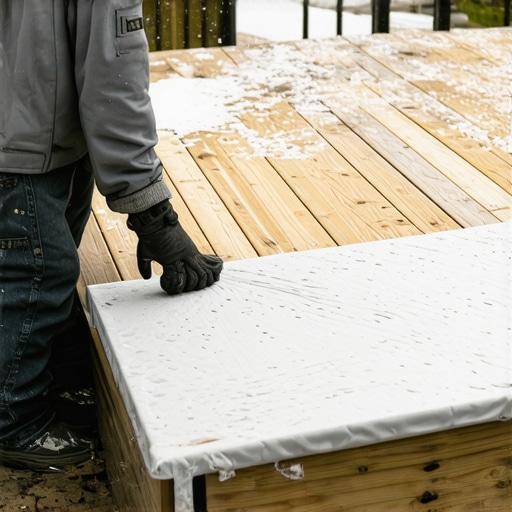
It was a chilly October evening when I finally realized I’d overlooked something crucial for my deck. The first frost had come early, and suddenly, my weekend was consumed with panic—scrubbing away mildew, patching warped boards, and wondering if I’d done enough to protect my trusted outdoor space. That lightbulb moment hit hard: proper winterizing isn’t just about covering up; it’s about proactive care to keep your deck looking beautiful season after season.
If you’re like me, maybe you’ve underestimated the challenges Needham winters can throw at decks—from icy damage to moisture intrusion. I’ve been there, and I want to spare you the headaches I faced. Today, I’ll share a comprehensive checklist that takes the guesswork out of winter prep, ensuring your deck remains safe, sturdy, and stunning no matter how cold it gets.
Why Proper Winterizing Matters More Than Ever in Needham
Needham, Massachusetts, experiences cold, snowy winters that can do a number on unprotected decks. The snow, ice, and fluctuating temperatures contribute to material expansion and contraction, creating cracks and promoting rot over time. Without adequate winter protection, your deck’s lifespan can be significantly shortened—costing you money and frustrating future repairs.
Over time, I learned that neglecting this seasonal task leads to more than just cosmetic issues. Moisture seeping into unsealed wood causes rot, and frozen ice can lift or crack boards. A study from the American Wood Protection Association highlights how moisture-related decay accounts for a majority of deck failures in cold climates. That’s why a tailored winterization routine is essential for Needham homeowners.
By addressing potential vulnerabilities now, you not only extend the life of your investment but also ensure safety and peace of mind during the chilly months. Ready to dive into my step-by-step checklist? I promise, once you get the hang of it, winter prep becomes part of your annual routine, saving you time and money.
Let’s start with the basics—checking your deck’s current condition—so we can identify potential trouble spots before the snow flies.
Inspect and Repair Before Covering
Start by thoroughly examining your deck for loose boards, protruding nails, or cracks. I once skipped this step and shortly after, a small crack widened over winter, leading to costly repairs. Use a sturdy flashlight to check under the deck as well, ensuring structural components are sound. Repair or replace damaged boards and tighten any loose fasteners. Seal small cracks with appropriate wood filler to prevent moisture infiltration. Consistent inspection helps you catch issues early, avoiding worse damage when the cold sets in.
Clear Debris and Moisture-Collecting Materials
Remove all leaves, twigs, and debris from the surface and between the boards. Accumulated debris traps moisture, accelerating rot. I used a leaf blower to quickly clear my deck, preventing mold growth during the damp months. Pay special attention to gutters and downspouts, directing water away from the deck. Clean gutters regularly to prevent ice dams, which can cause permanent damage. Proper drainage reduces moisture buildup that can freeze and expand, cracking wood or warping composite materials.
Apply Protective Sealant or Stain
Choose a high-quality, weather-resistant sealant formulated for cold climates. I opted for a penetrating oil-based stain, which enhanced my porch’s color and provided a moisture barrier. Focus on end grains and vertical surfaces, which absorb more water. Before applying, ensure the deck is dry and free from debris. A well-sealed surface prevents water absorption, which is crucial for avoiding ice damage. Focus on these areas: sealing the ends of your deck boards.
Install a Cover or Protective Barrier
Consider adding a roof, pergola, or even a simple tarp system to shield the deck during harsh weather. I installed a clear polycarbonate roof over part of mine, which kept snow from piling up directly while still allowing sunlight. Use wind-resistant fasteners and ensure the cover is securely attached. For a budget-friendly option, a tarp with bungee cords works well, especially in areas with unpredictable snowfall. Proper coverage reduces snow accumulation and ice formation, minimizing weight stress on the structure.
Ensure Proper Airflow and Drainage
Good ventilation under the deck is vital. Blocks or skirts that trap moisture can cause rot and mold. I installed adjustable vents to promote airflow, which helped keep the underside dry. Also, verify the slope of your deck surface to ensure water drains away freely. If your deck has low clearance, check the importance of airflow under your low profile deck. Without proper ventilation, trapped moisture fosters decay, even with a cover in place.
Protect and Elevate Deck Posts
Don’t forget your posts. Use post skirts or sleeves to prevent rot at the base. I used stainless-steel screws to attach post caps that resist rust and add a decorative touch. For extra protection, elevate posts slightly above ground level using concrete blocks or posts with adjustable feet. This simple step prevents direct contact with ground moisture, greatly extending the life of your deck. You can learn more about styling options at choosing the right post caps.
Many homeowners believe they understand everything about deck construction, but in reality, several misconceptions persist that can lead to costly mistakes. One widespread myth is that generic deck designs suffice for all needs, but in Needham, local zoning laws like the 2026 regulations, demand tailored solutions, making it crucial to work with experienced specialists who grasp these nuances. Another misconception is that a quick DIY project saves money; however, without proper knowledge, you risk structural issues and safety hazards—it’s often better to consult professionals who ensure compliance and durability, especially considering complex factors such as soil types affecting footing stability. I’ve seen many fall into the trap of selecting low-quality materials, thinking they’re saving money, but research from the American Society of Civil Engineers shows that investing in high-grade, weather-resistant materials significantly extends your deck’s lifespan and reduces maintenance costs. Avoid common pitfalls like neglecting airflow or improper sealing, which can accelerate rot and damage in Needham’s humid winter conditions. In fact, mistaking aesthetic preferences for structural necessity often results in overlooked safety concerns, such as inadequate railing heights or improper fastener choices, which can compromise your deck’s integrity. Advanced builders know that understanding the subtle interplay between materials, climate, and local regulations is key to crafting a safe, stylish outdoor space. For instance, choosing the right post caps isn’t just about style; it’s essential for protecting against moisture intrusion, a vital consideration highlighted in our guide to [choosing the right post caps](https://deckbuildersneedham.com/choosing-the-right-post-caps-for-style-and-protection). Moreover, many underestimate the impact of soil conditions on footing design, which can vary widely even within Needham neighborhoods, emphasizing the importance of site-specific assessments. Remember, a deck isn’t just an aesthetic feature; it’s a long-term investment that demands careful planning and execution. Have you ever fallen into this trap? Let me know in the comments. When planning your next deck project, collaborate with seasoned experts who understand these hidden nuances to avoid costly mistakes and ensure a beautiful, durable structure that stands the test of time.Maintaining your deck over time demands the right equipment and a strategic approach to ensure durability and safety. I personally rely on a combination of professional-grade tools and smart software to streamline this process. For example, I use a cordless oscillating multi-tool to precisely remove peeling stain or sealant without damaging the wood surface. Its versatility allows me to get into tight corners and delicate areas, making maintenance both efficient and effective. Additionally, I invest in a high-powered pressure washer with adjustable nozzles, which helps me clean the deck thoroughly—removing dirt, moss, and algae that can accelerate wear. Choosing a model with variable pressure controls is crucial; too much force can damage wood, while too little won’t remove stubborn grime. Regular inspections using a moisture meter, such as the Tramex Moisture Encounter, help me identify areas of hidden rot or excessive moisture—especially important given Needham’s fluctuating climate.
How do I keep my deck functioning over time?
Incorporating smart scheduling tools, like deck maintenance apps, allows me to set reminders for sealing and cleaning based on weather conditions. I also use software that models sunlight exposure to optimize placement of furniture and shade, prolonging the life of finishes. Looking ahead, I predict the integration of smart sensors that monitor moisture levels in real time, offering proactive alerts when your deck needs attention—an exciting evolution in outdoor space care. In terms of methods, applying a high-quality, weather-resistant stain tailored for the New England climate adds an extra layer of protection.
When it comes to tools, don’t underestimate the importance of investing in a good quality sander with variable speeds—this can prep surfaces for sealing or stain application, ensuring a smooth, even finish. For complex projects or extensive maintenance, hiring professionals who utilize laser-guided leveling tools ensures your deck stays perfectly flat and safe, especially with structures that have settled over time. For more on precision leveling, check out https://deckbuildersneedham.com/why-modern-deck-builders-use-lasers-for-perfect-leveling.
A tip I highly recommend is trying a new advanced cleaning technique—adding oxygen bleach to your pressure wash can enhance cleaning without harming wood fibers. This eco-friendly method effectively tackles stubborn stains and mold, significantly extending the lifespan of your deck finishes. By combining these tools and strategies, you’re investing in long-term performance, saving money, and maintaining the beauty of your outdoor space for years to come. Keep your maintenance routine consistent, and you’ll see the benefits of a deck that looks great and stands strong through every season.
The Hidden Pitfalls I Wish I Avoided Sooner
One of the most valuable lessons I’ve learned in my deck-care journey is the importance of proactive maintenance—waiting until damage appears can be costly and stressful. I once thought a quick sealant job was enough, only to find out that overlooked structural issues and moisture traps led to prolonged rot. Now I know that beginning with thorough inspections and addressing issues early on saves money and extends the life of my deck, especially during Needham’s harsh winters.
Another revelation was realizing the significance of airflow beneath the deck. I used to ignore vents thinking they weren’t crucial, but blockages created moisture buildup that accelerated decay. Installing adjustable vents and checking their airflow has been a game-changer, helping my deck withstand the damp, cold seasons without deterioration.
Tools and Resources That Turned My Deck Maintenance Around
I rely heavily on quality tools that deliver professional results without the hefty price tag. A cordless oscillating multi-tool has been indispensable for precise sanding and sealing, especially in tight corners. My pressure washer with adjustable nozzles ensures a gentle yet thorough cleaning, vital for removing mold and algae that hide in the cold months. I also trust the Tramex Moisture Encounter to spot hidden moisture issues, saving me from surprises that can worsen during winter. For ongoing maintenance planning, I recommend using deck inspection apps that synchronize with weather forecasts, helping you prepare at the right time.
Your Next Step Toward a Winter-Ready Deck
The journey to protecting your deck is ongoing, but taking these lessons and tools into your routine can make a noticeable difference. Think of winterizing your deck not as a chore but as an investment in your outdoor space’s future—one that continues to bring joy, comfort, and beauty year after year. Don’t wait for the first snow to realize your deck needs attention; start today and enjoy the peace of mind that comes with being prepared. If you’re curious about how local regulations, like the Needham zoning laws, might affect your deck design or modifications, I recommend checking out specialized resources or speaking with local experts.