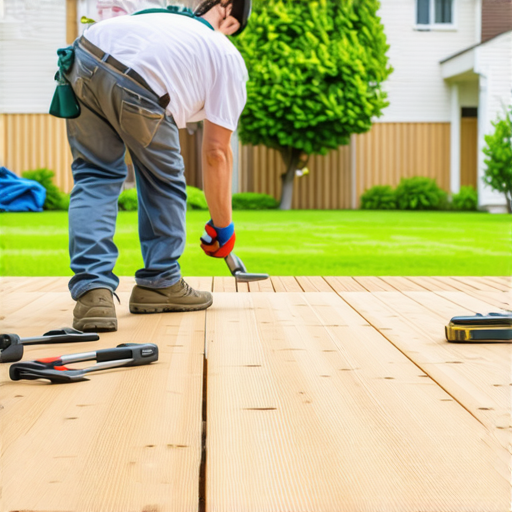
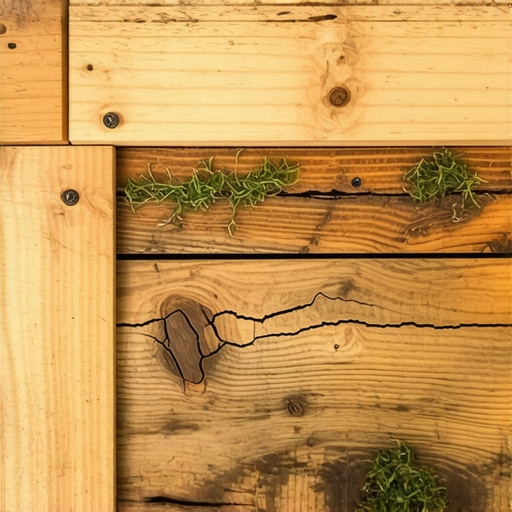
I vividly remember the first summer after installing my cedar deck. The sun was shining bright, and everything looked perfect—until I noticed that the wood was starting to gray and develop unsightly stains much sooner than I expected. That lightbulb moment made me realize just how much more trouble my cedar deck would be than I initially bargained for. If you’ve ever faced the frustration of a deck that doesn’t hold up as well as you’d hoped, you’re not alone. Today, I’ll share the honest truth about why cedar decking demands more maintenance than most homeowners realize, and I promise, by the end of this post, you’ll be equipped with practical tips to keep your deck in top shape without losing your mind.
Why Cedar Decking Needs More Care Than You Expect
Cedar is often touted as a gorgeous, natural choice for decks, blending seamlessly into outdoor spaces with its rich, warm tones. But behind that appealing appearance lies a demanding material that needs consistent attention. I learned this the hard way when stubborn mold spots and splinters crept in despite my best efforts. The truth is, cedar is a softwood, making it susceptible to the elements and requiring regular sealing and cleaning—more than you might think. A common mistake I made early on was skipping routine inspections and assuming a good cleaning once a year was enough. That led to faster deterioration, which could have been avoided with proper knowledge. Interestingly, experts say that untreated cedar can start showing signs of wear in as little as two years, especially in humid climates like ours in Needham. To make matters worse, neglecting maintenance can lead to costly repairs down the line, as rot and insect damage take hold.
And here’s the kicker—many homeowners don’t realize that cedar’s appearance can be maintained much longer with consistent care, but it takes understanding what your deck truly needs. If you’re like me, you might be tempted to think that sealing once or twice is enough, but the real secret is a proactive, regular maintenance routine. Want to dive into how to make cedar last and look beautiful year after year? You’ll find actionable tips below, along with recommendations on products and techniques that I wish I knew from the start.
Is Doing All This Really Worth It?
This question crossed my mind more than once, especially during those cold, damp mornings when I was scrubbing mold or sanding splinters. I thought about just switching to maintenance-free materials like PVC decking (which, by the way, is a popular choice if you want minimal upkeep—read more about PVC decking for pool areas if you’re curious). But the truth is, cedar offers a timeless charm that synthetic options can’t quite match. Still, it’s a commitment. Before you decide to turn your back on cedar entirely, I recommend understanding the common pitfalls and how to avoid them. That way, you can enjoy the holiday barbecues and lazy Sunday afternoons without the worry of a deck that looks tired and worn.
Through my own journey, I also learned that consulting professionals for annual inspections can save you money and stress later on, as detailed in professional deck surveys. Now, armed with this knowledge, I feel confident tackling my deck’s maintenance and even helping friends with their own projects.
So, have you faced the challenge of maintaining your cedar deck? If so, stick around—next, I’ll walk you through the essential steps to keep your deck beautiful and durable through every season.
Start with a Thorough Cleaning
Regular cleaning is your first line of defense against mold, mildew, and grime buildup that can accelerate wood deterioration. Use a deck cleaner formulated for cedar to strip away dirt without damaging the wood fibers. I once spent an afternoon scrubbing my deck with a stiff-bristled brush and a biodegradable cleaner, which removed years of grime and revealed the natural warm tones underneath. This preparation ensures better adhesion for sealants and stains later on.
Sand Away Splinters and Rough Spots
After cleaning, inspect your deck for splinters, rough patches, or areas where the finish has worn thin. Lightly sanding these spots smooths the surface, preventing injuries and preparing the wood for sealant application. A power sander made the job faster when I tackled a particularly rough section, but hand sanding is fine for small areas. Proper sanding also helps the sealant penetrate evenly, extending your deck’s lifespan.
Apply a Quality Sealant or Stain
To protect cedar from moisture, UV rays, and stains, a high-quality, penetrating sealant is essential. I recommend choosing a product rated for outdoor use, ideally one that offers UV protection and is non-toxic if you have kids or pets. I experimented with a few sealants over the years, and switching to a breathable, oil-based stain significantly slowed down the greying process. Remember, applying a second coat can provide extra protection, especially in high-traffic areas.
Time Your Sealing Carefully
Perform sealing during a dry, mild day to allow proper absorption. Avoid sealing right before rain or during high humidity, as moisture can trap under the finish and cause peeling. My trick? I waited for a forecasted sunny weekend and applied the sealant in the early morning when temperatures were moderate, ensuring optimal drying and curing.
Schedule Routine Maintenance Checks
Don’t wait until visible damage appears. Regularly inspect your deck—look for signs of splitting, mold, or water pooling. Early intervention can save substantial repair costs. I set a reminder to check my cedar every spring and fall, which helped me catch issues early and reapply sealant as needed. Maintenance keeps your deck looking fresh and prevents small problems from becoming expensive repairs.
Manage Environmental Factors Effectively
Keep nearby foliage trimmed to prevent excessive shade and moisture retention, which foster mold growth. Additionally, installing gutters or drip edges can divert water away from your deck, reducing the risk of rot. When I installed a simple gutter extension, I noticed reduced moisture and less mold buildup, significant enough to extend the time between deep cleanings.
Address Damage Promptly
Whether it’s a loose rail or a splintered board, tackle repairs at the first sign of trouble. For splintered cedar, I used a quick sanding and re-sealing process after replacing a damaged board. For structural issues, it’s best to consult professionals, like those found at professional deck survey services. Prompt attention prevents small issues from escalating into major safety hazards or costly replacements.Many homeowners in Needham and beyond assume that hiring any local deck builder guarantees quality results, but this oversimplifies a nuanced industry. One widespread myth is that all deck builders use the same methods and materials, which isn’t true—expertise varies significantly, especially when it comes to customizing designs or working with specific materials like cedar or composite. In my experience, relying solely on price or quick turnaround times often leads to subpar craftsmanship, incomplete safety inspections, or overlooked code compliance issues. For instance, many people underestimate the importance of a detailed professional survey, which can identify hidden structural problems before construction begins, saving thousands in future repairs. You might also think that installing a deck is straightforward, but nuances like proper joist spacing, post anchoring, and drainage are critical for longevity and safety—details that only seasoned professionals prioritize. I once saw a deck collapse due to overlooked foundation issues, illustrating that cutting corners on expertise can be dangerous. Experts recommend always verifying a builder’s credentials, reviewing their portfolio, and ensuring they comply with local building codes. Want to learn how to select a reliable deck builder in Needham? Check out why professional surveys matter. Also, beware of the trap of assuming cheaper quotes mean better deals; often, they reflect lower quality or incomplete work. The layers of complexity in deck construction mean that thorough planning, knowledgeable execution, and ongoing maintenance are necessary for a durable, beautiful addition to your home. Don’t fall for myths that can lead you astray—arming yourself with accurate information makes all the difference. If you want a deck that lasts for decades, focus on finding experienced builders who understand local needs and materials. And remember, investing in quality upfront saves money in the long run. Have you ever fallen into this trap? Let me know in the comments. When it comes to choosing the right builder, don’t hesitate to ask about their experience with specific materials, such as cedar or PVC, and their familiarity with local building codes. For guidance on materials best suited for your needs, explore why PVC decking might be your best choice for pool areas. A reputable local deck builder should also be transparent about their process, timeline, and warranty policies to ensure peace of mind throughout your project. Remember, careful selection leads to successful results—don’t settle for less when it comes to your outdoor living space.Maintaining your deck over time requires more than just the right mindset; it demands precise tools and well-planned routines. One of my favorite investments has been a high-quality cordless oscillating multi-tool, which I use for detailed sanding and scraping around tight corners and intricate railings. Its versatility allows me to clean elements that are hard to reach with traditional equipment, ensuring a thorough job every time. Additionally, I swear by a digital moisture meter when inspecting my deck’s wood, especially after winter. This device helps me detect water infiltration before visible signs appear, preventing costly rot and mold issues. As technology advances, I’m excited about the upcoming trend of smart deck sensors that can monitor moisture and temperature conditions in real-time, automating maintenance alerts and extending your deck’s lifespan.
When it comes to cleaning, I prefer using eco-friendly, cedar-specific deck cleaning solutions combined with a pressure washer that has adjustable pressure settings. This combination ensures I remove stubborn mold and dirt without harming the wood’s delicate fibers. For sealing, I opt for a high-quality, penetrating oil-based stain that offers UV protection, which I apply with a woven roller and finish up with a brush for detailed areas. This technique guarantees an even finish that lasts longer.
One helpful method I’ve adopted is scheduling maintenance during optimal weather windows—preferably in early summer or late fall—to ensure proper curing and minimal environmental impact. I also keep a log of my maintenance activities, noting when I last sealed or cleaned, which guides me on when to repeat each task.
Predicting the future, I believe that integrating IoT (Internet of Things) sensors with your deck will become standard practice, providing real-time data and preventing issues before they happen. This proactive approach saves time, money, and extends the deck’s usability for years.
**How do I maintain my deck over time?** Consistent inspections and using the right tools are key. Beyond that, I suggest exploring advanced solutions like installing moisture sensors or even adding solar-powered deck lighting systems for both aesthetic appeal and functionality. For reliable material protection, consider options like PVC decking, which requires less maintenance and offers superior durability in the Massachusetts climate.
If you’re serious about keeping your deck in pristine condition for decades, I recommend trying out a high-quality oscillating multi-tool for detailed work. It truly makes a difference in reaching those tricky spots and maintains your deck’s integrity. Want to see how this tool can simplify your routine? Give it a try and experience the difference firsthand!
How I Learned To Never Skip a Sealant Application Again
One of my biggest mistakes early on was neglecting routine sealing, which led to a quick transition from warm cedar to dull gray. After noticing the difference, I realized that consistent, proactive sealing with a UV-protective stain could have saved me time and money. This lesson taught me that sealing isn’t a one-and-done task; it requires commitment to stay ahead of weathering and mold.
The Surprising Impact Of Local Climate On Deck Longevity
Living in Needham means dealing with humidity and freezing temperatures, which accelerate cedar deterioration. I found that upgrading my maintenance routine with breathable, oil-based stains and scheduling inspections before winter set in drastically improved my deck’s lifespan. Recognizing your area’s climate nuances can make all the difference in maintaining a beautiful outdoor space.
Choosing the Right Tools Transformed My Deck Care Routine
Investing in smart tools like a moisture meter and an oscillating multi-tool turned tedious tasks into quick, efficient chores. These devices helped me detect hidden issues early and address splinters or mold before they worsened. This approach not only saved me money but also gave me peace of mind that I was protecting my cedar deck effectively.
My Favorite Resources To Keep The Deck Looking Its Best
For trusted advice, I rely on product reviews from seasoned professionals, insightful blogs like professional deck survey tips, and DIY tutorials that walk me through each maintenance step. Combining these sources keeps me confident in my efforts and ensures I follow best practices tailored for cedar in our climate.
Your Turn To Make The Most Of Your Cedar Deck
Remember, a cedar deck can truly stand the test of time with the right care. Regular inspections, choosing quality products, and leveraging helpful tools can turn the daunting task of maintenance into a manageable and even enjoyable routine. Don’t hesitate to start small—your outdoor oasis will thank you for it.