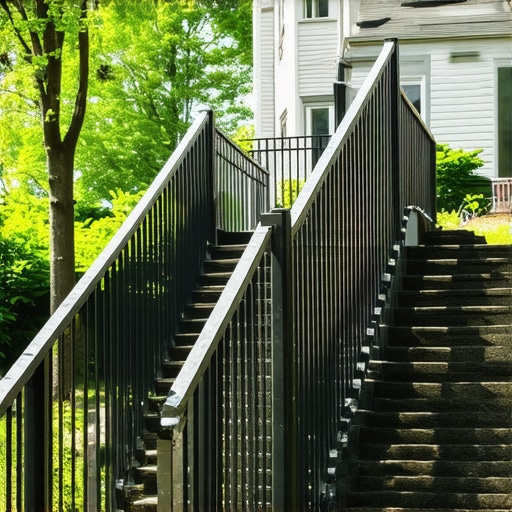
It was a sunny Massachusetts afternoon when I looked up at my deck and suddenly realized something: those sleek cable railings that once looked modern and stylish now had strands of grime and tiny signs of corrosion creeping in. My heart sank a little. I had always imagined cable railings as a low-maintenance upgrade, but reality hit hard. That moment was a lightbulb for me—these railings aren’t as carefree as they seem, especially here in Massachusetts where the weather can be relentless.
Why Maintaining Cable Railings Can Feel Like a Challenge Here
Cable railings offer a contemporary aesthetic and an unobstructed view, making them an appealing choice for many homeowners. However, the unique design isn’t immune to the region’s climate, which includes harsh winters, salty air, and fluctuating humidity levels. These conditions can accelerate wear and tear, leading to rust, grime buildup, and even cable loosening over time. I learned this firsthand after neglecting to inspect my railings regularly; small signs of corrosion turned into bigger issues faster than I expected.
But don’t worry—I’ve found that with a few practical habits, maintaining cable railings doesn’t have to be a daunting task. Today, I’ll help you understand what to watch for and how to keep those railings looking great without turning maintenance into a full-time chore. For starters, understanding the region’s specific challenges can prevent costly repairs down the line. For example, in Needham, pressure-treated pine remains a popular choice for deck framing because of its durability—more details on its benefits can be found [here](https://deckbuildersneedham.com/why-pressure-treated-pine-is-still-the-1-choice-in-needham). As I delved deeper into the maintenance routines, I also uncovered common mistakes, like ignoring regular inspections or using inappropriate cleaning materials, that can accelerate deterioration.
Have you ever faced the frustration of cleaning or repairing your cable railings only to find rust popping back after every few months? If so, you’re not alone. Trust me, I’ve been there. In the next sections, I’ll share tried-and-true tips that will make your upkeep much easier—and perhaps even save you money. Whether you’re a seasoned DIYer or planning to hire a professional, understanding what’s involved is essential for keeping your cables tight, corrosion-free, and safe.
So, let’s get started—your future self will thank you for the effort today. And if you’re still unsure, I’ll also highlight a common fear many homeowners have: Are cable railings actually worth the hype? Rest assured, with a little knowledge, you’ll be able to weigh the pros and cons confidently.
Inspect Your Cables Regularly
Start by visually examining your cable railings at least every three months. Look for signs of rust, corrosion, or grime buildup. During my first inspection, I used a pair of binoculars from a safe distance, which helped me identify small rust spots that needed attention before they worsened. Make this a routine to catch issues early.
Clean the Rails and Cables Effectively
Use a soft-bristled brush and a gentle cleaning solution—mixed with warm water and a small amount of mild detergent—to scrub the cables and fittings. Avoid harsh abrasives or metal tools that could scratch metal surfaces. I once tried a steel wool pad, thinking it would clean faster, but it caused tiny scratches that later led to more rust. After cleaning, rinse thoroughly with fresh water to remove residue.
Shield and Protect Against Rust
Apply a corrosion-resistant spray designed for metal surfaces. Products like a clear silicone-based spray create a barrier that hinders moisture contact. Before applying, ensure the surface is dry. I found that doing this in the shade prevents the product from drying too quickly, ensuring even coverage. This simple step has prolonged the life of my cables significantly.
Address Rust Spots Promptly
If you notice rust starting, gently sand the affected area with fine-grit sandpaper. Then, wipe clean and apply a specialized rust converter or primer before repainting with a matching metal paint. Once, I neglected this step on a particularly exposed section, and the rust spread, necessitating early replacement. Regular touch-ups preserve both aesthetic and structural integrity.
Maintain the Fittings and Terminals
Check the tension and stability of fittings, including the end anchors and turnbuckles. Use a wrench to tighten any loose fittings, but do not overtighten, which can damage the cable or fittings. During one maintenance session, I discovered a loose turnbuckle that had come slightly undone, risking safety. Tightening it restored tension and prevented further issues.
Prevent Future Damage with Protective Coatings
Consider applying a specialized metal coating that offers long-term protection against Massachusetts’ salt air and humidity. Products like powder coatings or galvanization coatings can dramatically reduce corrosion. I experimented with a DIY spray finish, which, although labor-intensive, paid off by keeping my cables looking new through the seasons.
Plan for Seasonal Deep Cleanings
In early spring and late fall, undertake a more thorough cleaning and inspection. Remove any debris that may collect around fittings, and reapply protective coatings if needed. Doing this prep work helps avoid surprises when harsh weather hits. I learned this the hard way after a winter storm caused minor corrosion that I could have prevented with timely maintenance.
Invest in Quality Materials for Repairs
When replacing cables or fittings, choose high-quality, weather-resistant hardware. Products labeled for marine environments tend to hold up better here. My experience with budget fittings resulted in quicker corrosion and environmental damage, forcing costly repairs much sooner than expected. Prioritizing quality saves money and effort long-term.
Leverage Resources for Expert Help
For complex issues like significant corrosion or structural concerns, consulting professional deck builders in Needham is wise. They can provide specialized treatments or replacements that ensure safety and longevity. I once attempted DIY repairs that didn’t hold, leading me to hire experts who fixed my railings efficiently and correctly, preventing accidents and further damage.
Many homeowners assume that choosing a local deck builder in Needham guarantees quality work, but in my experience, the real nuance lies in understanding how to identify truly professional contractors. A widespread myth is that all seasoned builders can handle any project seamlessly, yet expertise varies greatly. Skilled deck builders don’t just install structures; they understand regional challenges like soil stability and local building codes, which can significantly influence the durability of your deck. For example, neglecting to check your deck post brackets regularly can lead to structural failure over time—something I discovered after a shaky leg on my own deck prompted an urgent inspection.
How can you differentiate between a novice and an expert deck builder in Needham?
The answer involves more than just reviews or a flashy portfolio; it requires assessing their knowledge of high-quality materials and construction techniques suited for New England’s weather. Many rely on pressure-treated pine, which remains the top choice in Needham for its resilience and affordability, but not all builders are equally adept at integrating this material effectively. For instance, avoiding DIY pitfalls such as improperly sealing wood or neglecting to reinforce foundation footings can save you money and extend your deck’s lifespan. According to a recent study by the Home Improvement Research Institute, proper foundation and material choice are critical factors in deck longevity, especially in areas prone to freezing and thawing cycles. Remember, a well-built deck isn’t just about aesthetics; it’s about safety and durability that stand the test of time.
Why do some Needham deck projects fail prematurely, despite following these steps?
Often, the answer is in overlooked maintenance details like periodic inspections or proper protective coatings. Many owners fall into the trap of thinking that once the deck is built, their job is done. In reality, ongoing vigilance—such as checking for signs of rust or loose fittings—is essential to avoid costly repairs later. Regular deep cleanings and applying protective sealants can greatly reduce corrosion issues, especially in coastal-influenced climates. Don’t let misconceptions steer your project; educate yourself on the key practices that professional Needham deck builders employ to ensure your investment lasts for decades. Have you ever fallen into this trap? Let me know in the comments.
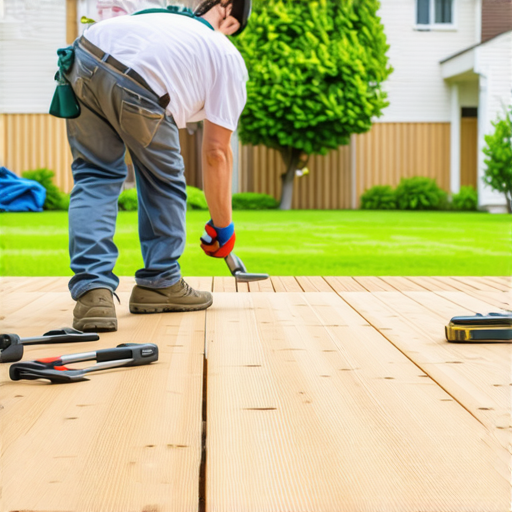
Keeping your deck in top shape over the years requires more than just occasional inspections. Investing in the right tools and adopting precise methods can make maintenance more manageable and effective. One of my go-to instruments is a high-quality cordless impact wrench. It’s perfect for tightening or replacing bolts on fittings and post anchors—especially when dealing with heavy-duty hardware that needs secure fastening. I personally prefer models with adjustable torque settings to avoid overtightening or damaging components. For cleaning, a pressure washer with a variable pressure nozzle is indispensable, allowing me to remove grime without risking surface damage, especially on pressure-treated pine, which, as I mention here. Regularly, I set the pressure to around 1500 psi to safely clean deck surfaces and fittings.
When tackling rust spots, I rely on a small rotary tool fitted with a fine wire brush attachment. This approach efficiently removes corrosion without harming adjacent areas. A digital moisture meter becomes invaluable for checking wood or metal components that might have absorbed moisture, helping to prevent hidden rot or rust buildup before it becomes visible. For long-term preservation, I suggest applying protective coatings with a paint sprayer. Though it may seem like an investment, a good sprayer ensures even application of sealants and stains, reducing application time and improving coverage.
Automation and software can also streamline your maintenance schedule. Using a calendar app with reminders helps keep track of inspection intervals, especially before and after harsh weather seasons. I use a dedicated deck maintenance log on my tablet, logging observations during each check-in, which has saved me costs by catching issues early. The trend in deck upkeep is moving towards integrating sensors or smart connectors that can alert homeowners to potential problems—think of it as a future where your deck could tell you when it needs attention. While still emerging, this technology is promising for the dedicated DIYer or professional contractor aiming for precision over the long haul.
So, why not elevate your maintenance game? Start by acquiring a cordless impact wrench with adjustable torque, and see how it transforms your hardware repairs. These tools will pay for themselves by making frequent inspections faster and more thorough, giving your deck a fighting chance against Massachusetts’ weather. Regular upkeep using these precise tools and methods ensures not only aesthetic appeal but also long-term safety and robustness. Don’t forget, consistent inspections complemented by effective cleaning and protective coatings are the secret to maintaining deck integrity over decades.
For a deeper dive into component protection, check out this resource. Implementing a routine with quality tools and smart planning will reward you with a deck that endures. Why not try a professional-grade cleaner and a digital moisture meter today? Small investments in the right tools make maintenance a breeze, and you’ll appreciate the results season after season.
The Hardest Lesson I Learned About Deck Builders Needham
Early on, I thought deck maintenance was straightforward—just clean and forget. But I quickly discovered that neglecting small signs of corrosion or loosening fittings could lead to costly repairs or safety hazards. My biggest lesson: the true secret lies in noticing the tiny details before they become big problems, especially in Needham’s challenging climate.
My Essential Toolkit for Deck Care
Over years of experience, I’ve found tools like a quality cordless impact wrench invaluable for tightening fittings, and a digital moisture meter for catching hidden rot. These tools not only save time but also give peace of mind, ensuring each maintenance session is thorough. Investing in a good pressure washer helps me remove grime without damaging pressure-treated pine, which is my favorite material here in Needham due to its durability (see why here).
Don’t Just Fix—Strategize for Longevity
Regular inspections are vital. Seeing rust spots or loose fittings early can save you from bigger headaches. Applying a corrosion-resistant spray and re-coating with protective sealant extend your deck’s life and keep it looking fresh. I also plan seasonal deep cleans, especially before winter, to prevent damage from snow and moisture. Properly sealing the ends of your boards and ensuring foundation stability using professional advice can dramatically boost your deck’s resilience.
Why I Trust Local Experts for Critical Repairs
Despite feeling confident in my DIY skills, I’ve learned that some issues, like severe corrosion or structural concerns, are best handled by seasoned professionals in Needham who understand local conditions and building codes. From checking post brackets to expert consultations, their insight helps prevent future hazards and saves money in the long run. Remember, a well-built deck isn’t just about aesthetics—it’s about safety and longevity.
The Implicit Wisdom from Building My Deck Right
– Patience with materials and tools pays off; rushing repairs often leads to repeated work.
– Small signs of trouble, like a loose fitting or spot of rust, aren’t minor—they’re opportunities to act before bigger problems develop.
– Regular, strategic maintenance combined with high-quality materials, like those used by trusted local builders, ensures your deck remains a safe, attractive space for years to come.
Resources That Steered My Deck Journey
– Choosing Pressure-Treated Pine was a game-changer in durability for Needham’s weather.
– For tackling rust and corrosion, I rely on specialized sprays and rust converters.
– To stay ahead of potential problems, ongoing education is key — I follow local experts and recent studies to adapt my maintenance routine.
Your Turn to Try
Don’t let maintenance intimidate you—think of it as an investment in your outdoor oasis. With the right tools, knowledge, and a bit of vigilance, your Needham deck can withstand severe weather and continue to be a beautiful gathering spot. What small change will you make today to improve your deck’s longevity? Share your plan below—I’d love to hear it!