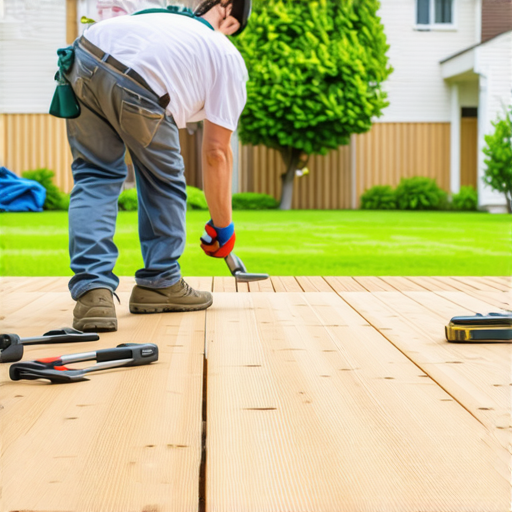
I’ll never forget the moment I realized my deck guardrails might be more of a liability than a safeguard. It was a sunny Saturday afternoon, kids running around, and I leaned on the railing—only to feel it wobble slightly. Heart pounding, I wondered if I had overlooked something essential during the last inspection.
Why Double-Check Your Deck Guardrails Could Save Lives
As homeowners, we often focus on aesthetics and functionality but tend to ignore the importance of structural safety—especially in areas like Needham where weather can take a toll. Loose or weak guardrails aren’t just an eyesore—they pose a real risk of accidents, especially for children or elderly family members. Properly inspecting and maintaining your deck’s guardrails is a simple step that can prevent tragedy.
Is It Really Worth the Hassle or Expense?
Many folks dismiss guardrail safety as something that can wait or assume regular manufacturing standards are enough. But I learned early on that a quick glance isn’t sufficient. In fact, the Consumer Product Safety Commission highlights that guardrail failures are a leading cause of deck-related injuries. An overlooked loose post or damaged fastener, if ignored, can lead to serious accidents. I made the mistake of assuming my last check was adequate—only to realize that hidden corrosion or loose brackets can be deceptive. To avoid this, I now follow a thorough inspection routine, including checking post brackets, fasteners, and ensuring there are no signs of rot or rust.
If you’re unsure whether your deck is up to code or need professional guidance, don’t hesitate to explore how a qualified local contractor can help. For example, [finding a reliable Needham deck contractor](https://deckbuildersneedham.com/vetting-needham-deck-contractors-dont-forget-this-one-question) could be your best move. But first, let’s look at how you can do your own quick safety check to keep your loved ones safe.
Start with a Visual Inspection of Your Guardrails
Begin by examining all parts of your guardrails for obvious damage—look for missing fasteners, rust, or cracks. During my last check, I noticed a loose post that I had previously overlooked. Tightening or replacing damaged components immediately prevented potential accidents and prolonged the deck’s lifespan. Use a flashlight to inspect hidden areas where corrosion or rot might be developing.
Check Fasteners and Brackets
Use a screwdriver or impact driver to verify that all screws and bolts are tight. Loose fasteners are a common but often unnoticed cause of guardrail failure. I once found a few brackets wobbling free, which I secured with upgraded stainless steel fasteners for extra durability. Remember, degraded fasteners can cause the entire structure to become unstable over time—don’t skip this step.
Test Structural Integrity with Gentle Pressure
Apply gentle force to posts and rails to see if they wobble or shift. If a post moves under slight pressure, it needs reinforcement. I aimed to simulate the stress from a person leaning—if your guardrails withstand this test, they’re probably secure. If not, it’s time to replace or reinforce those elements.
Assess for Signs of Rot and Rust
Look closely at wood components for discoloration or softness—signs of rot. Metal parts may show rust or corrosion. During my last inspection, I used a hand probe to check for soft spots on wooden rails, quickly identifying areas needing treatment or replacement. Address rust with a wire brush and apply rust-inhibitor paint to prevent further deterioration.
Evaluate Post Caps and Top Rail Styles
Upgrading your post caps or rails can enhance safety and style. I replaced my plain caps with modern solar-powered options, which increased both aesthetic appeal and visibility at night. For guidance on style and protection, check out [choosing the right post caps](https://deckbuildersneedham.com/choosing-the-right-post-caps-for-style-and-protection).
Implement Regular Maintenance Procedures
Create a scheduled routine to re-inspect and maintain your guardrails—quarterly checks are ideal. Clean debris and tree sap that can cause rot or corrosion. Use a cleaner suited for your materials, and consider [low-maintenance railing solutions](https://deckbuildersneedham.com/3-low-maintenance-railing-solutions-for-2026-needham-homes) to reduce future upkeep.
Evaluate for Compliance and Safety Codes
Compare your guardrails with local safety standards. Needham’s building codes specify height and spacing requirements—measure to ensure compliance. If unsure, consult with a professional or your local contractor, like those vetted [here](https://deckbuildersneedham.com/vetting-needham-deck-contractors-dont-forget-this-one-question). Proper adherence ensures safety and legality of your deck.
Document Your Findings and Progress
Keep records of your inspections, repairs, and upgrades. Photos can help track deterioration over time and inform future improvements. This habit minimizes surprises and ensures your deck remains safe for years to come.
While many homeowners believe they understand what quality deck building entails, a deeper look reveals common misconceptions that can lead to costly mistakes. One such myth is that selecting a contractor solely based on price or quick turnaround guarantees the best results. In reality, the true expertise of a Needham deck builder lies in nuanced choices—materials, craftsmanship, and understanding local weather challenges—that aren’t immediately apparent. For instance, many assume that standard pressure-treated lumber suffices, but expert builders often recommend composite materials or specialized woods that resist Boston’s humidity and seasonal shifts, ensuring longevity. Additionally, a frequent mistake is neglecting detailed planning around drainage and flashing, which, if overlooked, can cause water infiltration and structural damage over time. This is why engaging with a contractor who specializes in local conditions, like those vetted [here](https://deckbuildersneedham.com/vetting-needham-deck-contractors-dont-forget-this-one-question), is crucial for truly durable results. Moreover, the misconception that all fasteners are interchangeable overlooks the importance of corrosion-resistant hardware—something addressed by top builders through choices like stainless steel or hidden fasteners to prevent rust and maintain aesthetics.
Are There Hidden Risks in Overlooking Local Climate Conditions?
Research from the U.S. Forest Service emphasizes that climate-specific design considerations significantly impact deck lifespan, yet many homeowners ignore these nuances, risking premature deterioration. Let’s dig deeper: understanding the subtle differences in material behavior under Needham’s weather patterns can save families from future repairs.
Don’t fall into the trap of choosing a contractor solely based on superficial factors. Instead, focus on their knowledge of local issues, such as proper drainage and material selection, which are often the real determinants of a deck’s durability. For a comprehensive guide, check out [how to refresh your deck’s look with just new railings](https://deckbuildersneedham.com/how-to-refresh-your-decks-look-with-just-new-railings), which underscores the importance of detailed upgrades. Remember, the goal is not just a beautiful deck but one that withstands the test of time and weather. Have you ever fallen into this trap? Let me know in the comments.
Maintaining a beautiful, durable deck requires more than just periodic inspections—equipment and methods matter greatly for long-term success. Over the years, I’ve developed a toolbox of trusted tools and practical techniques that not only make upkeep more manageable but also ensure my deck stands the test of Needham’s weather. Today, I want to share those insights, focusing on the specific tools I rely on and how they help me keep my deck and guardrails in top shape for years to come.
Invest in a Good Power Washer for Gentle Deep Cleans
When it comes to cleaning between deck boards and removing stubborn grime, I swear by my electric pressure washer. It’s essential to choose a model with adjustable pressure settings—I’ve found that a low-pressure setting (around 1500 PSI) effectively cleans without damaging wood or composite surfaces. Regular cleaning with this tool, especially before applying stains or sealers, preserves the deck’s aesthetic and integrity. For those concerned about power washing’s impact, I recommend reading this guide to mastering safe pressure washing techniques.
Why you should use a pressure washer correctly for long-term results
Proper technique involves keeping the nozzle at a consistent distance and avoiding spraying directly at joints or fasteners, which can loosen or cause damage. Overdoing it can create splintering or undermine the wood; hence, moderation is key. Once clean, your deck is much more receptive to stain or protective coatings, which extend its lifespan and maintain its value.
Level, Measure, and Mark with Precision Tools
Accurate measurements using a laser distance meter or a robust builder’s level ensure your deck remains structurally sound over time. I trust my laser tool for quick, pinpoint measurements—it’s especially useful when checking for unevenness or settling that might compromise guardrail posts. Consistent measurements help catch issues early, preventing costly repairs. For detailed leveling, I often cross-reference with a carpenter’s square, ensuring everything stays square and true, which is vital for both appearance and safety.
How do I maintain the safety and stability of my guardrails over time?
Reinforcing posts and brackets whenever I notice slight movement is critical. Using a torque wrench to tighten bolts to manufacturer specifications (typically around 20 ft-lb for deck fasteners) guarantees optimal tightness without risking damage. Addressing minor issues promptly prevents escalation and keeps your deck safe and compliant with local codes.
Use Quality Sealants and Protective Finishers
Applying professional-grade sealers and stains with a spray gun or brush ensures comprehensive coverage and penetration. I recommend a sprayer with adjustable flow and a wide fan tip for quick, even application—saving time without sacrificing quality. Post-application, I allow ample curing time—usually 24-48 hours—to maximize protection. Regular reapplication every couple of years, depending on exposure, keeps wood and composite materials resistant to moisture and UV damage.
What tools can help me predict future maintenance needs?
Deploying moisture meters can inform you about hidden water infiltration or early signs of rot. I use my digital moisture meter periodically, especially after storms or humid seasons. This foresight allows for proactive maintenance—replacing segments or applying protective coatings before deterioration becomes visible, which ultimately saves money and extends deck life.
Looking ahead, I believe smart maintenance solutions will become more prevalent. Technologies like IoT sensors could integrate with your deck to monitor moisture levels and structural shifts in real-time. Imagine receiving alerts on your phone when an area needs attention, simplifying upkeep and enhancing safety.
To make the most of these tools, I challenge you to try precision spraying with your current sealer or stain. Using an upgraded sprayer can dramatically improve coverage and finish quality, making future maintenance easier and more effective. The right tools can transform your routine from a chore into a strategic, long-term investment in your home’s value and safety.
The Hardest Lesson I Learned About Deck Builders Needham
Early on, I believed that quick inspections were enough to keep my deck safe, but a wobbling guardrail proved otherwise. It taught me that attention to detail and routine checks are non-negotiable for long-term safety.
3 Mistakes I Made That Changed My Perspective
Assuming all fasteners are corrosion-resistant, neglecting hidden rot, and skipping professional consultations—these oversights nearly cost me dearly. Now, I realize that every component, no matter how small, plays a vital role in safety.
What I Wish I Knew About Local Climate Impacts
Understanding Needham’s weather patterns helped me choose better materials and maintenance routines. Tailoring my approach to local conditions has significantly extended my deck’s lifespan and safety.
My Go-To Tools for Deck Mastery
From a reliable impact driver for tightening fasteners to a moisture meter for early rot detection, these tools are essential. They make regular inspections more effective and less time-consuming, giving me peace of mind.
The One Insight That Transformed My Maintenance Routine
Documenting every inspection and repair has allowed me to spot patterns and anticipate issues before they escalate. This proactive approach ensures my deck remains a safe haven for my family.
Where to Go from Here
If you’re serious about maintaining a safe, durable deck, start by integrating these lessons into your routine. Regular inspections, proper tool use, and understanding your environment are key. For tailored guidance, consider consulting qualified local contractors—expertise that truly makes a difference. And don’t forget to check out [how to refresh your deck’s look with just new railings](https://deckbuildersneedham.com/how-to-refresh-your-decks-look-with-just-new-railings) for stylish upgrades that enhance safety.
Your Turn to Try
Has a small oversight ever led to a bigger problem on your deck? Share your story below and let’s learn from each other’s experiences to build safer outdoor spaces together.