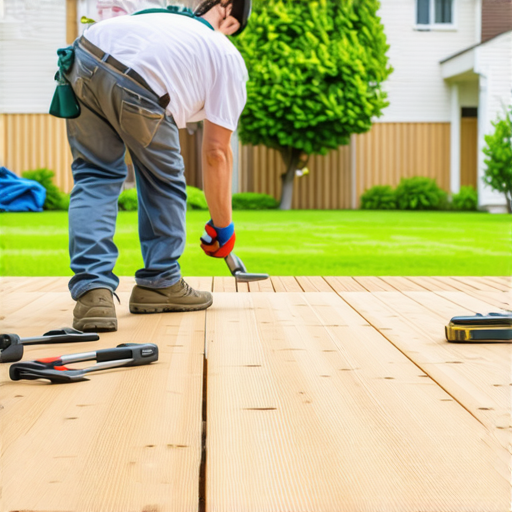
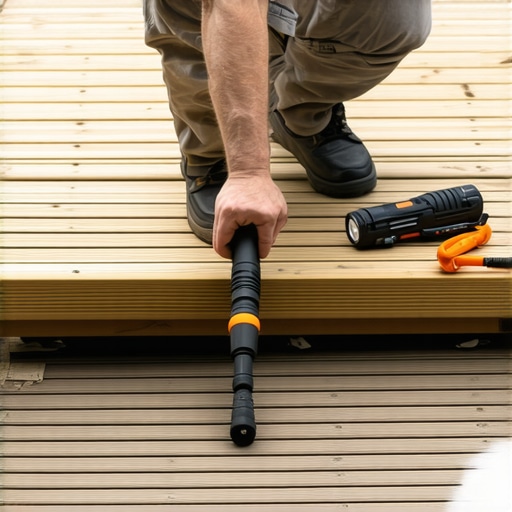
Imagine this: You’re enjoying a warm summer evening on your deck, a cool drink in hand, when suddenly, one of the stair treads under your feet feels wobbly or loose. That unsettling sensation can turn a relaxing night into a risky situation in seconds. I learned this lesson the hard way during one lazy weekend, stepping onto my deck stairs only to feel a sudden shift beneath my foot. It was a gut-wrenching moment that made me realize how easily a small issue can become a safety nightmare without notice.
Why Your Deck’s Stability Is More Than Just a Loose Step
That experience ignited a new respect in me for regular deck inspections. The truth is, a deck isn’t just about aesthetics or hosting weekend barbecues; it’s a critical component of your home’s safety. The problem is, most folks overlook the importance of checking their stair treads until it’s too late. Loose or damaged treads can cause falls, injuries, and costly repairs. The good news? You can prevent these hazards by performing simple checks and maintenance.
Are You Sure Your Deck’s Stairs Are Safe to Use?
I used to think that as long as my deck looked solid, the stairs were okay. That was a mistake. Early on, I didn’t realize that wood can rot, nails can loosen, and support beams can weaken without visible signs. It’s easy to assume that a wobbly step is just a minor nuisance, but structural problems can develop rapidly, especially with exposure to moisture and temperature swings. As I delved deeper into this topic, I discovered that ignoring an unstable stair tread can lead to accidents and serious injuries—something no homeowner wants to face.
If you’re unsure whether your stairs are as safe as they should be, don’t worry. Today, I’ll walk you through the steps to assess and maintain your deck stairs, so you can enjoy peace of mind and keep your loved ones safe. Plus, I’ll share some expert tips on spotting issues early and knowing when to call in a professional. Maintaining your deck isn’t just about beauty; it’s about protecting your family from preventable accidents. Ready to get started? Let’s make sure your deck is as safe as it is beautiful.
Perform a Visual Inspection of Your Stairs
Start by examining each tread and riser closely, looking for signs of rot, cracks, or board splinters. That day, I noticed a cracked tread on my back deck after a storm, which was a clear warning sign. Use a sturdy flashlight as needed to spot hidden damages, especially in shaded or less visible areas. If you see warped wood or loose nails, it’s time to act.
Check and Tighten Fasteners and Supports
Secure Loose Nails and Screws
Grab a screwdriver and a hammer. Walk each step, pressing down and shifting to identify any wobbly sections. When I found a loose nail on my stair’s edge, I tightened it immediately to prevent further loosening. Replace missing or severely corroded fasteners with galvanized or stainless steel hardware to resist weathering.
Assess Structural Supports
Closely inspect the stringers—the sides supporting the treads. If they wobble or are cracked, reinforce them or replace if necessary. I used a level tool to verify proper alignment of the stringers, ensuring they bear weight evenly. For uneven decks, consider leveling the support beams, which may involve additional groundwork or new footings.
Test the Stability of Each Step
Gently press on each tread while standing on it to assess flexibility or movement. Remember, a loose step like I experienced can cause accidents. If you detect any give beyond a slight bounce, remove the tread carefully and check for attachment issues or rot underneath. Tighten all fasteners securely or replace the degraded wood.
Replace and Reinforce Damaged Components
For damaged treads or risers, remove the affected boards using a crowbar or saw. Measure the old pieces accurately to cut replacements that fit snugly. When I replaced a warped riser, I made sure to use pressure-treated lumber that resists moisture and decay. Secure the new boards firmly with the right fasteners, ensuring they are flush and stable.
Maintain Regular Inspection Routines
Schedule seasonal checkups to catch issues early before they escalate. After completing my repairs, I set reminders to re-inspect my deck’s stairs every spring and fall, especially after storms or harsh weather. Regular upkeep is like flushing out your deck’s arteries—keeps everything flowing smoothly and prevents costly failures.
Knowledge of Materials and Local Codes
Familiarize yourself with local building codes, particularly regarding stair dimensions and handrail requirements. Use durable, weather-resistant materials like galvanized steel fasteners and pressure-treated wood. For more insights, visit Why Every Wood Deck Needs a Professional Cleaning to ensure your entire deck remains in top shape.
When to Call a Professional
If structural supports are severely compromised or complex issues arise, don’t hesitate to hire a licensed contractor. They have the expertise to prevent safety hazards and ensure compliance with current standards. Remember, a sturdy staircase is essential for your deck’s safety and your peace of mind.
 Many homeowners assume that hiring a local deck builder in Needham is a straightforward task—simply pick the cheapest or the most available contractor. However, this oversimplification overlooks critical nuances that can significantly impact the quality and longevity of your deck. One common misconception is that craftsmanship quality is uniform across all local providers, but in reality, experience with Needham’s specific climate and building codes varies widely. According to a report by the National Association of Home Builders, selecting an experienced contractor familiar with regional requirements reduces the risk of future structural issues and code violations.
Another prevalent myth is that low-cost options are always the best value. While budget constraints are real, sacrificing quality materials or proper installation methods for initial savings often leads to higher costs down the line in repairs or replacements. For instance, using subpar fasteners might save money upfront but can result in loose or corroded components, jeopardizing safety over time. It’s worth noting that reputable Needham deck builders often recommend selecting maintenance-friendly, durable materials like pressure-treated or composite boards to ensure your investment lasts.
An advanced mistake many homeowners make involves neglecting to verify that their chosen contractor adheres to updated building codes and safety standards. As building regulations evolve—such as recent changes to guardrail height requirements in 2026—not all contractors stay current, which can cause compliance issues during inspections. To avoid this, always ask for proof of licensing and check references or online reviews to confirm adherence to regional standards. This due diligence can prevent costly rework or penalties.
Let’s dig deeper into common pitfalls: Have you ever fallen into this trap? Let me know in the comments. When selecting a deck builder in Needham, prioritize contractors who are transparent about their experience with local codes, utilize high-quality materials, and provide comprehensive warranties. A professional builder understands the importance of proper sealing and maintenance routines—like regular cleaning between deck boards, which you can explore more about [here](https://deckbuildersneedham.com/the-fastest-way-to-clean-between-deck-boards). Remember, a well-built deck isn’t just about aesthetics but also safety and durability, especially in Massachusetts’ demanding weather conditions.
Maintaining a beautiful and safe deck requires more than just visual inspections; it calls for the right tools and techniques to ensure longevity and performance. Over the years, I’ve honed my arsenal of equipment, prioritizing durability, precision, and ease of use. One such tool I swear by is a high-quality cordless oscillating multi-tool. Its versatility allows me to perform tasks ranging from removing old caulk to fine sanding in tight corners, making routine maintenance tasks quicker and more efficient. For example, when I needed to replace a worn-out stair tread, this tool helped me cut precise sofits without damaging surrounding material, saving me time and effort.
Another indispensable piece of equipment is a digital moisture meter. Wood rot often begins beneath the surface, invisible to the naked eye. Using a moisture meter on suspect areas helps me identify hidden issues before they become costly repairs. I recommend the Protimeter Surveymaster; its accuracy and ease of reading have helped me catch potential problems early, especially important in Needham’s variable climate. Regularly checking humidity levels in deck supports and framing prevents future rot and decay, extending the lifespan of your investment.
For cleaning, I prefer a pressure washer with adjustable settings and a turbo nozzle attachment. Proper cleaning is crucial, particularly before sealing or staining; it removes dirt, pollen, and algae that can cause damage over time. I ensure to keep the pressure below 1500 PSI to avoid surface damage, applying the technique I detailed in my guide on how to clean your deck without damaging the siding. Complementing this, I use a synthetic scrub brush to reach tight corners and non-slip coatings to enhance safety in wet conditions, especially in Needham’s humid summers.
Digital level tools also play a key role. I rely on a magnetic digital level to verify proper deck support alignment after repairs or adjustments. This ensures that water drains correctly and prevents pooling, which can accelerate wood rot. Combining this with a laser distance measurer allows me to confirm that stair risers and treads meet building code standards, minimizing safety risks and avoiding potential DIY mistakes.
Looking ahead, the trend in deck maintenance is moving toward automation and AI-powered diagnostics. Smart moisture sensors integrated with home management systems could alert you about potential issues well before they become visible. Staying ahead requires adopting these evolving tools, which I believe will become more accessible in the next few years.
How do I maintain my tools to ensure long-term performance? The key is regular calibration and proper storage. Keep electronics in a dry, cool environment and replace batteries annually. For mechanical tools, lubrication and blade replacement help maintain precision. Investing a little time in maintenance prevents unexpected failures and preserves your tools’ accuracy, making ongoing deck care more manageable.
If you haven’t yet, try upgrading to a digital moisture meter or a cordless multi-tool. These will make your periodic inspections more thorough and less labor-intensive. As I’ve experienced firsthand, having the right equipment means less guesswork and more confidence in your deck’s safety and appearance. For deep dives on maintenance routines, check out the importance of professional cleaning. Don’t wait for signs of trouble—equip yourself today and keep your deck standing strong for years to come.
Over the years, I’ve come to realize that the most valuable lessons about deck safety aren’t found in manuals but learned through experience, often the hard way. Here are some insights I wish I had known early on that can help you safeguard your outdoor space and enjoy summer evenings without worry.
What I Didn’t See Coming About Deck Support Integrity
One surprising lesson was understanding that supporting beams can weaken subtly over time, especially in a climate like Needham’s. Regularly inspecting and reinforcing these supports, rather than waiting for visible signs of trouble, has prevented accidents in my home. It’s easy to overlook these hidden vulnerabilities, but proactive attention keeps your deck sturdy for years.
The Hidden Power of Tools I Trust Daily
Investing in high-quality tools like a moisture meter or a precise level transformed my maintenance routine. These devices revealed issues beneath the surface—like hidden rot—that could have turned into dangerous failures. Using reliable equipment makes the difference between momentary fixes and lasting safety improvements.
Secrets From Seasoned Pros That I Swear By
- Mark your inspection schedule—seasons matter. After storms, I dedicate time to check for damage, catching small problems before they escalate.
- Prioritize material quality—cheap fasteners save money but cost safety. Upgrading to galvanized or stainless steel parts has been a game-changer for longevity.
- Understand local building codes—knowing the current standards avoids costly violations. I regularly consult regional resources or professionals to stay compliant.
- Don’t hesitate to call a professional when needed. When structural supports are compromised, expert input ensures your deck remains safe and code-compliant.
Tools I Recommend for Your Confidence and Peace of Mind
- Digital moisture meters—like the Protimeter Surveymaster—help detect hidden rot early.
- Cordless oscillating multi-tools—perfect for precise cuts and repairs, saving time and avoiding damage.
- Digital levels—ensure your deck’s alignment, preventing drainage issues and structural stress.
- Pressure washers—use with care to clean without harming surface integrity. Explore safe techniques in guides like ‘how to clean your deck without damaging the siding.’
Seize the Safety Moment Before It Slips Away
Your deck is more than a summer hangout—it’s a central part of your home’s safety. The knowledge and tools you invest today protect your loved ones and extend your deck’s lifespan. Remember, a safe deck isn’t just about aesthetics; it’s about peace of mind and creating memories that last.
Are you ready to start your own safety routine? What small change will you make today to ensure your deck keeps serving you well? Share your plan below!