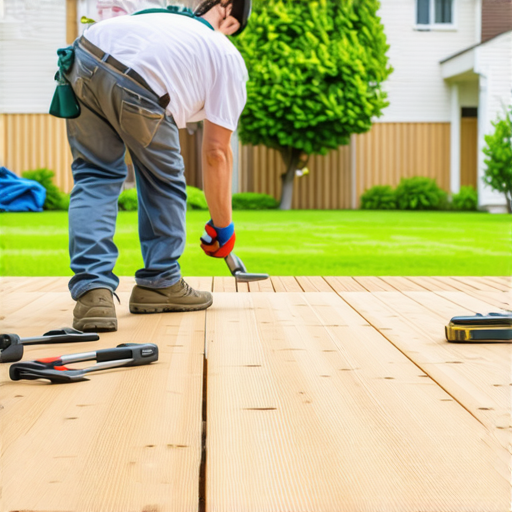

I remember the moment clearly. I had just finished a weekend project, proud of my work, only to find a wobbling railing and squeaky boards within months. It hit me—despite my enthusiasm, I overlooked crucial aspects of deck engineering tailored for Needham’s unique slopes and climates. That lightbulb moment propelled me into understanding the *why* behind best practices and how proper planning could save me from costly mistakes.
Your Blueprint for a Durable, Safe Deck in Needham Slopes
Building a deck isn’t just about nailing down some wood and calling it a day. Especially in Needham, where slopes and weather conditions demand meticulous engineering and quality materials. The goal? Create a space that’s not only beautiful but also safe, resilient, and low-maintenance—ready for those backyard barbecues and quiet mornings with coffee.
But here’s the thing: I frequently see homeowners rushing through initial planning phases, hoping to cut corners or assuming standard building practices will suffice. That’s a fast track to frustrations, or worse, dangerous outcomes. My experience taught me the importance of adhering to the latest best practices—like proper footing stabilization on slopes and choosing materials suited to Needham’s climate—to guarantee longevity and safety.
Are you confident your current deck plans account for slope challenges and weather resilience, or have you ever faced surprises after the build? If not, you’re not alone. Many homeowners stumble early on because they underestimate these nuances. Don’t worry; I’ve been there. And today, I’ll share the proven strategies that turned my decks from average to outstanding.
Before diving into specifics, it’s worth mentioning that mistakes early on can be costly. For example, neglecting to check for proper deck footing can lead to uneven settling or catastrophic failure over time. Trust me, I learned this the hard way—the same mistake I want you to avoid. For a detailed look at what might go wrong, check out [3 Signs Your Deck Builder is Cutting Corners](https://deckbuildersneedham.com/3-signs-your-deck-builder-is-cutting-corners).
So, if you’re eager to create a sturdy, beautiful deck that will stand the test of Needham’s slopes and seasons, stick around. Next, we’ll explore the critical steps you should follow—steps grounded in real-world experience—and how to implement them effectively.
Assess Your Site Before Starting
The first step is evaluating your backyard’s slope and soil condition, much like a builder surveys a foundation before pouring concrete. I clearly remember using a level and a long straightedge on my own project—initially, I thought slope wouldn’t matter, but uneven footing caused wobbles later. Use a laser level or string line to map out slope patterns, ensuring you know where the deck’s support points will go. Proper assessment helps prevent uneven settling or future warping, especially in Needham’s varied terrain.
Dig Deep for Strong Footings
Solid footings are the backbone of your deck—think of them as the roots holding a sturdy tree. In my kit, I kept a detailed plan showing footing positions based on load calculations. I learned that in Needham, frost lines and soil stability demand deeper footings—usually below the frost line, around 42 inches deep. Use a high-quality post hole digger—checking proper drill bits—to ensure clean, precise holes. Properly poured concrete with reinforcements, like metal rebar, guarantees the deck won’t shift over time.
Select Weather-Resistant Materials
Choosing materials that withstand Needham’s climate is crucial. I opt for composite decking due to its low maintenance, but fiberon materials became my go-to after reading about their weather resilience. If you prefer wood, I recommend cedar for its natural resistance, but ensure you seal it regularly. Using the right fasteners—preferably stainless steel—prevents corrosion and keeps your deck looking pristine for years.
Design with Water Drainage in Mind
Improper drainage can lead to water pooling and rot. I incorporated a slight slope—about 1/4 inch per foot—away from the house, mimicking a gentle hill, to facilitate runoff. Installing proper deck drainage systems like gutter extensions or drainage mats keeps the area dry and prolongs your deck’s lifespan. Remember, water is the silent enemy of wood and some composites.
Build for Safety and Stability
Securely attaching rails and stairs prevents accidents. I always test each connection for tightness—whether it’s using a torque wrench or just a screwdriver—to ensure railings don’t wobble. When installing railings and hardware, follow manufacturer guidelines, and double-check their anchoring. A wobbling railing isn’t just annoying; it’s a safety hazard, especially on Needham’s slopes where falls could be serious.
Finish with Proper Sealing and Maintenance
Weatherproofing is the last crucial step. I used eco-friendly stains recommended for Needham’s climate, following staining techniques I found effective. Regular inspections, especially after harsh winters, identify early signs of damage—like cracks or rot—so you can address issues promptly. Keeping your deck clean from mold and debris also prevents deterioration, ensuring safety and longevity over the years.
When it comes to hiring deck builders in Needham, many homeowners operate under assumptions that can undermine their project’s success. A common myth is that all contractors are equally capable, but in reality, expertise varies significantly, especially when addressing local nuances like terrain and climate. Relying solely on price or word-of-mouth referrals without vetting a builder’s specific experience with Needham’s slopes and weather conditions often results in costly repairs down the line.
Many believe that standard building practices are sufficient, yet overlooking advanced planning—such as proper footing stabilization on uneven terrain or incorporating water drainage solutions—can lead to structural failures. For instance, skipping moisture management steps increases the risk of rot and mildew, especially in the high-humidity seasons typical to Needham. To ensure durability, it’s crucial to select materials proven to withstand local weather patterns; fiberon composite decking is trending for its resilience, as detailed in this recent analysis.
A less obvious trap involves underestimating the importance of site assessment. Many skip thorough evaluations of soil stability and slope grading, which are critical for long-term deck health. Proper site prep, including deep frost line footings and strategic grading, can make or break your project. Also, the misconception that the cheapest option always saves money often leads to subpar materials or shortcuts, resulting in higher maintenance costs or safety hazards. Expert deck builders emphasize carefully balancing quality and cost to achieve lasting value.
Have you ever fallen into this trap? Let me know in the comments. Understanding these nuanced pitfalls and applying advanced knowledge can truly elevate your backyard project from average to outstanding. Remember, choosing a builder with deep expertise in Needham-specific considerations ensures your deck will stand the test of time and climate, saving you money and stress in the long run.
Keeping It Working: Essential Tools for Deck Maintenance
To ensure your deck remains a safe and attractive centerpiece in your backyard, having the right tools at hand is crucial. I personally rely on a high-powered cordless drill with adjustable torque settings, which I use for tightening rails and replacing individual boards. When selecting drill bits, I always double-check that I’m using the right type—like spade or masonry bits—especially for composite decking. You can learn more about proper drill bits for composite materials at this resource.
Another indispensable tool is a durable orbital sander, which helps maintain a smooth surface on wooden decks during routine refinishing. I prefer models with variable speed control to adapt to different materials and states of wear, allowing me to sand without causing damage. Don’t forget safety gear—eye protection and a dust mask are essential for protecting yourself during these tasks.
Staying Ahead with Software and Planning
Beyond physical tools, I incorporate project planning software like Trello or Asana to keep track of maintenance schedules, upcoming repairs, and routine inspections. Creating a maintenance calendar ensures I never forget to reseal or inspect critical areas, extending the lifespan of my deck. These digital tools are especially helpful when managing large or multi-level decks that require more detailed oversight.
Predicting Future Trends in Deck Upkeep
As technology advances, I anticipate smart sensors and IoT devices becoming commonplace in residential outdoor spaces. Future decks could be equipped with moisture sensors that alert homeowners when water levels or dampness reach critical levels, preventing rot and structural issues before they escalate. Embracing these innovations now can save time and money down the line.
How do I maintain my deck over time?
Maintain a regular inspection routine, looking for signs of wear like loose railings or water damage. Clean the surface periodically using gentle soap and water, and avoid high-pressure washers that can damage the composite or wood fibers. Resealing or staining your deck every few years, with eco-friendly products, protects it against moisture and UV damage—especially in Needham’s changing seasons. For composite decks, I recommend following manufacturer guidelines and choosing low-maintenance stains like those offered by this provider. Lastly, addressing repairs promptly—such as replacing rotted boards or fixing loose fasteners—can make all the difference in avoiding costly replacements later.
Try implementing a comprehensive maintenance checklist, including the use of a quality orbital sander and digital planner, to keep your deck in top shape. Staying proactive is key to long-term enjoyment and safety of your outdoor space.
The Hardest Lesson I Learned About Deck Builders Needham
One of my most profound realizations was that no matter how confident I felt at first, overlooking small details like proper footing or slope grading could lead to major issues later. Sometimes, rushing through planning makes you blind to critical nuances that only emerge when problems arise on your own property.
3 Myths About Deck Builders Needham That Held Me Back
I believed that all contractors had equal expertise, but I discovered that specialized experience with Needham’s terrain and climate makes a huge difference. Also, I used to assume standard practices sufficed, yet tailored strategies—like deep frost line footings—are essential for durability in our unique environment.
What Experts Won’t Tell You About Deck Builders Needham
Most seasoned professionals emphasize quality materials and site assessment, but they also highlight the importance of ongoing maintenance and future-proof design. Embracing technology, like moisture sensors, can save you money long-term by preventing rot and structural failure before signs appear.
My Essential Toolkit for Maintaining Needham Decks
Over the years, I’ve relied on a cordless drill with appropriate drill bits—verified at this resource—to tighten fasteners and replace boards. An orbital sander with variable speed has been invaluable for refinishing, and a digital planner like Trello keeps my maintenance tasks organized, ensuring my deck stays safe and beautiful for years to come.
Where to Go from Here
If you’re eager to elevate your backyard with a durable, needham-tailored deck, remember that knowledge and planning are your best allies. Do your site assessment carefully, choose climate-resilient materials, and stay proactive with maintenance. You’ll enjoy a gorgeous outdoor space that stands strong against the challenges of Needham’s slopes and weather. Ready to start? Share your thoughts or questions below—I’m excited to hear about your own deck journey!