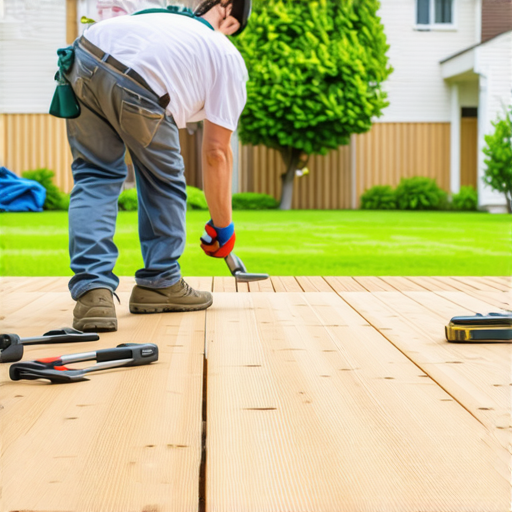

Ever stepped outside to find your beloved deck looking worse for wear? Maybe a board is wobbly, or the once pristine surface now has a few rogue cracks. I remember my lightbulb moment was sudden—standing there, holding a wobbly railing, and realizing I was ill-equipped to fix it. It struck me how many DIYers jump into deck repairs without the right tools, often making tiny issues worse or spending more money than necessary.
The First Step: Gathering the Right Tools
Getting your deck back in shape isn’t just about peeling paint or replacing a few boards. It’s about understanding what tools can make this project smoother, safer, and more effective. Over the years, I’ve learned that having a handful of essential tools can turn a daunting repair into a manageable weekend task. Plus, I’ve made my share of early mistakes—like using the wrong screwdriver, which only stripped the screws and delayed progress. Avoiding such pitfalls makes all the difference.
Is Failing to Use Proper Equipment Wasting Your Time?
In the beginning, I gambled on borrowed or cheap tools, only to find myself fighting with them or needing to redo parts. Experts agree that investing in quality tools not only speeds up the process but also ensures safer working conditions. For example, a good power drill with the right bits is invaluable when replacing deck screws or drilling into treated wood. And trust me, when I tried to cut corners on saws or sanders, I paid the price in extra effort and poorer results. You don’t want to make this mistake.
Want to save yourself the frustration? Stick around. We’ll cover the core tools I use and why they’re worth every penny. Whether you’re replacing rotten boards, sealing the surface, or installing new railings, the right equipment makes all the difference. Ready to dive into the essential toolkit for your deck repair? Great! Let’s start by listing out the must-haves that can make this DIY project a real success.
}
Assembling Your Toolbox for Success
The first move in any repair is gathering the right tools. Think of your toolbox as your trusted sidekick—if it’s not well-stocked, the task becomes arduous and frustrating. I remember the time I attempted to replace a broken railing without a power drill. I spent twice the time, stripped screws, and ended up needing professional help. Never again. To avoid such missteps, invest in quality essentials like a cordless drill, a set of screwdrivers, a hammer, and saws suitable for woodworking. Ensure your drill bits are compatible with composite or wood decking to prevent slipping or damage.
Learn to Use Tools Like a Pro
Understanding how to operate your tools efficiently saves time and preserves the integrity of your deck. For example, when replacing warped boards, a circular saw is invaluable. I once tried to cut through a stubborn composite plank with a dull hand saw—what a disaster. The blade tugged, causing splinters and uneven edges. Using a sharp blade on a proper saw, with steady hands and following the cut line, results in clean, precise boards ready for reinstallation. Practice on spare wood to perfect your technique before tackling critical sections.
Sharp Tools Make All the Difference
Keep your blades and bits sharp; dull tools increase effort and decrease safety. I made the mistake of skipping regular blade maintenance during my early projects, which slowed progress and risked safety. Regularly inspect, clean, and sharpen tools or replace them when necessary. This habit ensures cleaner cuts, less user fatigue, and a decreased risk of accidents. For cutting treated lumber or composite decking, special blades with carbide tips are recommended—cheaper blades simply can’t handle the tough material.
Safety Gear is Non-Negotiable
Don’t overlook personal safety. Equip yourself with safety glasses, hearing protection, gloves, and dust masks. I learned this the hard way when I was sanding old deck boards without a mask—dust into my lungs and a sore throat followed. Wearing PPE not only protects you but also keeps the project moving smoothly. Additionally, secure your work area with clamps or saw horses—they prevent slips and stabilize your materials, making cuts safer and more accurate. Remember, a little caution goes a long way towards preventing mishaps.
Practice Makes Perfect
If you’re new to these tools, start with small projects or scrap wood to build confidence. I once experimented with different screw sizes and bit depths on leftover lumber before attacking my main project. This trial run allowed me to calibrate my drill settings, avoiding stripped screws on the actual deck. Mastery of your tools transforms a stressful chore into a manageable task, saving you time and money in the long run. There’s no substitute for hands-on experience—so grab that drill, test, and refine your skills.
When most homeowners think about hiring a deck builder in Needham, they often focus solely on the price or the initial appearance, overlooking the nuanced expertise that separates an average contractor from a true professional. One common misconception is that all deck builders are created equal, but in reality, many underestimate the importance of understanding local climate conditions and material intricacies. For instance, certain woods and composites behave differently depending on humidity levels and temperature fluctuations specific to Needham’s environment. An experienced builder will select the right materials and design solutions, ensuring longevity and safety.
Many assume that a quick cleanup or superficial repair is enough to extend their deck’s lifespan. However, advanced contractors know that detailed inspections of the underlying structure and moisture barriers can prevent costly future repairs. They often recommend sealing or waterproofing strategies tailored for Needham’s seasonal weather patterns, which significantly impact deck durability. These nuances are vital, as ignoring them could lead to premature deterioration, like warping or rot, even if the deck appears fine at first glance.
A surprising trap many fall into is trusting contractors based solely on their online ratings or flashy portfolios. While those are helpful, they don’t guarantee depth of expertise. A professional knows how to handle complex issues, such as reinforcing load-bearing elements or integrating innovative installation techniques that align with local building codes. For example, proper joist spacing and flashing are often overlooked enough to cause long-term problems, yet they’re fundamental for safety and compliance.
Let’s clarify a point that many homeowners get wrong: the myth that cost equals quality. While budget constraints are real, opting for the cheapest quote can backfire if the contractor lacks the necessary experience or knowledge of regional challenges. An expert will provide a detailed, realistic scope that considers long-term maintenance costs and site-specific engineering. This approach often saves money over time, especially when paired with best practices like selecting appropriate fasteners and decay-resistant materials.
**What advanced techniques should you look for in a Needham deck builder?** A highly skilled contractor will analyze your yard’s terrain, considering factors like slope and drainage. They might recommend elevating your deck or adding a hidden drainage system to prevent water pooling, which is more effective than mere superficial repairs. Additionally, integrating modern features such as transition areas between the deck and garden or specialized railing options can elevate both aesthetics and functionality. You can explore some of these features and more in [how to create a transition from your deck to the garden](https://deckbuildersneedham.com/how-to-create-a-transition-from-your-deck-to-the-garden).
Avoid falling prey to superficial fixes; instead, invest in a team that understands these subtle yet critical details. A genuine Needham deck builder will combine technical expertise with local environmental knowledge to ensure your deck remains safe, attractive, and durable for years to come. Have you ever fallen into this trap? Let me know in the comments.
Maintaining your deck over time is essential to preserve its beauty and safety. Having the right tools at your disposal can make all the difference in ensuring your deck stays in top shape season after season. From power washers to specialized cleaning solutions, I’ve found that selecting equipment with durability and efficiency in mind saves me both time and money in the long run.
Invest in Quality Power Washers for Deep Cleaning
When it comes to cleaning, a high-quality pressure washer is invaluable. I personally recommend models with adjustable pressure settings and a thermal relief valve, such as the Simpson MS60763, which allows me to tailor the cleaning power to different deck surfaces without risking damage. Regular deep cleaning with a reliable washer prevents dirt buildup, molds, and algae that can weaken the wood or composite materials. Consistent use of the right equipment also preserves the original finish, reducing the frequency of refinishing or sealing.
Use Professional-Grade Sealants for Protective Coatings
Applying a good sealant is crucial for long-term protection. I choose brands like Behr Premium DeckOver, which provides a resilient barrier against moisture, UV rays, and temperature fluctuations. To ensure even application and maximum adhesion, I use a high-quality brush and roller with synthetic bristles designed for thick coatings. Re-sealing every two to three years keeps the deck resistant to warping, cracking, and rot, especially vital in Needham’s variable climate.
Leverage Moisture Barriers and Advanced Materials
Beyond tools, utilizing innovative materials further extends the lifespan of your deck. I advocate for installing moisture-proof layers beneath the surface, like the DeckZinc barrier, which offers superior waterproofing and corrosion resistance. Recently, the trend in Needham has shifted toward composite decking materials with embedded UV inhibitors and moisture-resistant cores. These options dramatically cut down on maintenance, making mealtime and outdoor living more enjoyable without constant repairs.
How do I maintain my deck over time?
The key lies in consistent routine care combined with using the most effective tools for each task. Regular inspections of the wood for signs of rot or insect damage, combined with timely cleaning and sealing, can save hundreds in future repairs. Setting up a seasonal maintenance schedule, possibly with reminders on weather apps like AccuWeather or specialized home maintenance tools like Powered Home, helps me stay on track. Remember, addressing small issues early prevents costly structural problems down the line, which is especially important in climate zones like Needham’s that experience seasonal humidity and temperature swings.
In the future, I predict that technological advancements will bring smarter maintenance solutions—like app-controlled power washers or self-priming sealants equipped with sensors to indicate wear. Incorporating these innovations can keep your deck protected effortlessly and with greater precision. For now, however, investing in a reliable power washer, quality sealants, and moisture barriers remains the best approach to keep your deck lasting longer and looking pristine.
Try implementing a quarterly cleaning schedule with a professional-grade pressure washer and see how much easier maintenance becomes. Small, consistent efforts today will save you time, money, and headaches tomorrow. Want to discover more about maintaining your Needham deck with the latest materials and methods? Explore our detailed guides or reach out for expert advice.

Lessons That Took Me Years to Learn
One hard-earned insight is that no amount of fancy tools can substitute for patience and planning. I once rushed into replacing a warped board without marking its position—an oversight that made it nearly impossible to align the new plank perfectly. That mistake taught me the value of detailed step-by-step planning before swinging my hammer. Additionally, I underestimated the importance of proper weather conditions; working on a deck in the rain nearly cost me a serious slip. Now, I always check the forecast—taking shortcuts here almost always backfires. Finally, I assumed sealing once was enough, only to discover that regular reapplication dramatically extends my deck’s lifespan. These lessons weren’t easy, but they turned my DIY approach from frustrating to rewarding.