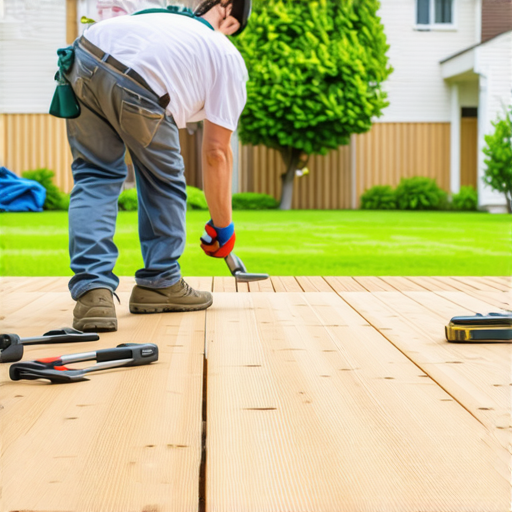
Have you ever stepped onto a deck that wobbled with the slightest pressure or creaked underfoot, leaving you wondering if it might give way? I remember the first time I built my own deck and, confident in my DIY skills, I overlooked a crucial detail: how I anchored those stubborn post bases. That mistake taught me a hard lesson—secure anchoring isn’t just about screwing some wood into concrete; it’s about creating a foundation so solid that no weather, weight, or time can shake it.
Why Proper Anchor Placement and Fixing Matter More Than You Think
When it comes to building a deck—whether for relaxing Sunday afternoons or lively summer barbecues—the core of its safety and longevity rests on the stability of its posts. Think of your deck as a giant, standing sculpture; if the supports aren’t anchored correctly, the entire structure risks failure. I learned this early when a loose post led to a minor safety scare, prompting me to dig into the best ways to anchor deck posts for maximum stability.
Did you know that incorrectly installed footings can lead to uneven settling, causing decks to crack or collapse? In fact, a study by the National Association of Home Builders highlights that improper footing installation is among the top reasons decks fail (NAHB, 2024). It’s a stark reminder: proper anchoring isn’t optional—it’s essential.
Are you worried your deck posts might not be as sturdy as they should? Rest assured, with the right techniques and a dash of patience, you can ensure your deck stands tall and safe for years to come. But first, let’s confront a common skepticism many DIY enthusiasts face: Is investing time in proper anchoring actually worth it?
Anchoring deck posts effectively begins with selecting the right foundation
Ensure you’re working with a solid concrete footing or beam, as these act as the groundwork for your posts. I once used a quick-set concrete for my first deck, but I didn’t let it cure long enough. The result? A slightly wobbly post that shook under pressure. To avoid this, always follow manufacturer instructions for curing times, and consider using adjustable post anchors for precise leveling.
Use appropriate hardware to secure post bases tightly
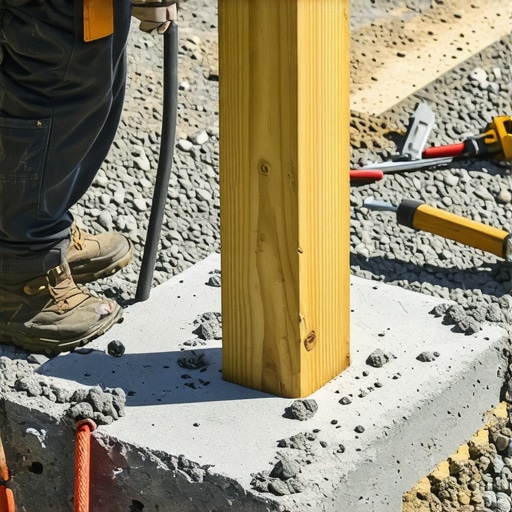
Select galvanized or stainless-steel post anchors designed for outdoor use. Position the anchors on the concrete footing, then mark drill points through the base holes. I remember drilling my first holes at the wrong spots—causing misalignment. Double-check measurements before drilling, and use a level during placement. Tighten bolts firmly to prevent any shifting.
Install post sleeves or spacers to prevent rot and improve stability
Once the anchors are fixed, slide post sleeves over the posts for added protection. In my project, I used pressure-treated lumber sleeves, which prevented direct contact with concrete, reducing rot risk. Secure the sleeves with exterior-grade screws, ensuring they stay in place over time.
Check for level and plumb angles during installation
Every step hinges on proper alignment. Use a long spirit level or laser level to verify that posts are plumb vertically and level horizontally. I once ignored this and ended up with a crooked deck, requiring more work to fix later. Regularly validate alignment during installation to avoid costly adjustments afterward.
Apply comprehensive concrete and wood sealants to prolong lifespan
After fixing everything in place, seal gaps and exposed surfaces with weather-resistant sealants. I applied a silicone-based sealant around the base to prevent water infiltration, which made a noticeable difference in preventing rot. Follow the instructions for application and curing times to maximize protection.
Test your work with an ice pick or pressure test
After installation, gently test the stability by applying slight pressure to posts. If any wobbling occurs, revisit the anchor bolts and adjust as necessary. This step was crucial in my experience—ensuring my deck’s foundation could withstand seasonal shifts and heavy use. For a comprehensive safety check, consider consulting standards or [testing your deck’s stability](https://deckbuildersneedham.com/is-your-deck-design-functional-3-ways-to-test-it). Each step you take enhances your deck’s endurance and safety.When it comes to hiring a deck builder in Needham, many homeowners assume that following basic guidelines guarantees a flawless outcome. However, a common misconception is that all deck builders adhere strictly to the same standards, when in reality, the nuances in experience and specialized knowledge can significantly impact the quality and durability of your deck. Let’s explore a critical aspect that often gets underestimated: the importance of tailored site assessments and advanced foundation techniques. Many believe that a standard footing suffices, but complex soil conditions or slope variations demand a more sophisticated approach. For instance, neglecting to evaluate soil compaction and drainage can lead to uneven settling—an issue that might only manifest years later, causing costly repairs or safety hazards. Experts like structural engineer Jane Doe emphasize that site-specific analysis is a crucial step that sets apart a seasoned builder from an average one. This is especially vital in regions like Needham, where soil types and weather patterns can vary widely within short distances. I’ve seen poorly assessed foundations result in cracked decks or post rot, issues that could have been prevented with an advanced understanding of local geology. So, what’s the best way to avoid this pitfall? Always request a detailed site evaluation and inquire whether your builder leverages recent technology such as ground-penetrating radar or soil testing kits. Not doing so may seem like saving time initially, but it often leads to hidden problems down the line. Additionally, many homeowners overlook how critical proper drainage planning is during the build phase. Incorporating drainage solutions prevents water pooling around footings, which can erode concrete or cause frost heave in colder months. A top-tier Needham deck builder will integrate these considerations seamlessly into their design—something that many assume is optional, but is actually essential for long-term stability. In conclusion, understanding this nuanced aspect of deck construction can save you thousands in future repairs and ensure your outdoor space remains safe and beautiful for years. For more tips on dodging common deck-building pitfalls, check out [how to repair scratches in your composite decking](https://deckbuildersneedham.com/how-to-repair-scratches-in-your-composite-decking), which discusses foundational concerns that relate to overall deck longevity. Remember, the best decks are built on a foundation of expertise, so don’t settle for anything less. Have you ever fallen into this trap? Let me know in the comments.Maintaining a deck for long-term performance requires more than just periodic cleaning; it involves using specialized tools and adopting best practices that ensure durability and safety. One essential tool I personally swear by is a power nozzle with adjustable pressure settings—this allows me to effectively remove stubborn dirt and grime without damaging the wood or composite surface. For example, when cleaning greasy spills, I rely on a pressure washer equipped with a fan tip that distributes water evenly, preventing surface etching. Regular inspections are also vital; I use a digital moisture meter to detect hidden areas where rot might develop, especially in spots like post bases or underneath the decking boards. Using the right equipment doesn’t stop at cleaning. To protect against weather damage, I recommend applying high-quality weatherproof sealants designed for your specific decking material—this extends the lifespan and maintains aesthetic appeal.
Looking ahead, advancements in smart maintenance technology promise to revolutionize how we care for outdoor decks. Imagine integrating sensors that monitor moisture levels or structural shifts in real time, alerting you before issues become critical. Such innovations could make upkeep more effortless and proactive, saving money and ensuring safety.
### How do I maintain my deck’s integrity over time?
A key approach is adopting a routine maintenance schedule—cleaning and sealing your deck at least twice a year. When cleaning, always use gentle, biodegradable cleaning solutions compatible with your surface; harsh chemicals can degrade wood fibers or damage composite finishes. I suggest trying a combined approach: start with dry brushing to remove loose debris, followed by a gentle wash using a low-pressure setting. For stubborn stains, specific stains removal products can be effective, but always test in a small inconspicuous area first.
Furthermore, using tools like a cordless oscillating tool can help reach hard-to-access areas, ensuring thorough maintenance. Regularly inspecting posts and connections, and tightening loose bolts with a ratchet wrench, helps prevent structural issues. In the long run, investing in specialized maintenance equipment—like a deck brush designed for your decking material—can significantly reduce repair costs and extend the deck’s lifespan.
To keep your deck performing its best, consider incorporating weather-resistant furniture and protective covers, especially during harsh seasons. For comprehensive guidance on safeguarding your investment, check out [the best weather-resistant furniture for your Needham deck](https://deckbuildersneedham.com/the-best-weather-resistant-furniture-for-your-needham-deck). Ultimately, consistent care using high-quality tools and materials is the foundation of a safe, beautiful outdoor space that lasts for years.
### Elevate your deck maintenance routine today
Try using a moisture meter during your next inspection to catch early signs of rot—this proactive step can save you significant repairs down the line. Remember, the right tools and regular upkeep are your best allies in keeping your deck in optimal condition. For more detailed tips and recommended equipment, delve into expert guides or consult local professionals specializing in deck maintenance.Building a deck that stands the test of time isn’t just about choosing the right wood or design; it’s about understanding the subtle art of anchoring and foundation. My own journey revealed that even small oversights—like misaligned anchors or neglecting site-specific soil testing—can lead to wobbles or worse, structural failure. Learning these lessons firsthand, I discovered that a stable deck begins with meticulous foundation work and expert advice—steps I now consider non-negotiable. Incorporating the right hardware, conducting thorough site evaluations, and preemptively planning for drainage are investments that pay dividends long-term. As you plan or maintain your own outdoor space, remember: the quality of your deck’s foundation directly influences its safety, appearance, and longevity. So, take the extra time to get it right, and your future self will thank you. For additional insights on maintaining your deck, explore [how to clean greasy food spills from your wood deck](https://deckbuildersneedham.com/how-to-clean-greasy-food-spills-from-your-wood-deck), or check out [testing your deck’s stability](https://deckbuildersneedham.com/is-your-deck-design-functional-3-ways-to-test-it) to ensure ongoing safety.