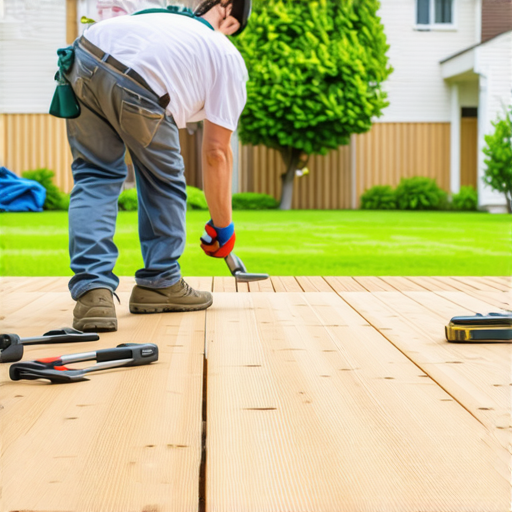

I remember the day clearly—climbing onto my first homemade deck, only to be greeted by creaking wood, loose boards, and a sinking feeling in my stomach. That summer, after a heavy rain, I peered out at my backyard and realized my DIY project was more of a liability than a relaxing retreat. It was a lightbulb moment—I had rushed through the construction, cutting corners, and ignoring the subtler signals of wear and tear.
The Secret to a Deck That Stands the Test of Time
Many homeowners embark on building or renovating a deck with enthusiasm but overlook the critical details that determine its longevity. The sad truth is, a poorly built deck can deteriorate in as little as 10 to 15 years, leading to costly repairs or replacements. Over time, I learned that understanding the materials, design principles, and maintenance routines is essential. Today, I’ll share proven strategies that will help you create a deck capable of withstanding 30 years or more, saving you money and hassle in the long run.
Is the Hype About Premium Materials Worth It?
In my early days, I thought choosing the cheapest wood was a smart move—until I faced warped planks and peeling finishes within a few years. I soon realized that investing in high-quality materials, like composite or cedar, can dramatically extend your deck’s lifespan. Not all wood is created equal; some are naturally more resistant to the elements. For instance, [composite decking](https://deckbuildersneedham.com/why-composite-decks-are-more-eco-friendly-in-2026) offers incredible durability and minimal maintenance, making it a top choice for longevity.
Furthermore, proper design choices—such as adequate post spacing and reinforcement—play a pivotal role. An overlooked detail early on can turn into significant problems later. My mistake was neglecting to check the soil type beneath my deck, leading to uneven settling. It’s a lesson I wish I’d learned sooner. Ensuring the foundation is solid and protected from moisture and soil movement can keep your deck sturdy for decades.
Building a deck that lasts isn’t just about choosing the right wood; it’s about understanding how to combine materials, design for durability, and maintaining it properly. Ready to dig into the practical steps that will make your deck stand the test of time? Let’s get started.
Choose the Right Materials for Longevity
Start by selecting high-quality, weather-resistant materials like cedar or composite decking. During my first project, I initially used inexpensive pressure-treated wood, but it warped within five years. Switching to composite decking, I noticed a significant improvement in durability and low maintenance. Research material densities and resistance levels to find the best fit, especially for demanding weather conditions. Consider visiting your local supplier and asking for samples, then test them for stiffness and moisture resistance before making your choice.
Design for Strength and Stability
Design your deck with structural integrity in mind. Use galvanized or stainless-steel fasteners to prevent rust, and opt for proper post spacing—typically 6 to 8 feet—based on your deck’s size. I once designed a deck with too few supports, which led to noticeable sagging over time. If unsure about load calculations, consult resources like the [7 steps to a perfect 2026 spring deck restoration](https://deckbuildersneedham.com/7-steps-to-a-perfect-2026-spring-deck-restoration) to ensure your design adheres to best practices. Reinforce critical points such as joist hangers and post supports to withstand heavy use and weather stress.
Lay a Solid Foundation
Excavate and level the ground before installing footings. Use concrete pier blocks or poured concrete footings, ensuring they are set below the frost line to prevent heaving. During my second build, I ignored soil conditions and didn’t verify soil stability, resulting in uneven settling after a harsh winter. To avoid this, check soil type and drainage—proper grading directs water away from supports. Place post anchors securely on concrete pads or properly tamped soil. This foundation acts like the backbone of your deck—skimping here can cause long-term issues.
Seal and Protect Your Deck
Apply a high-quality stain or sealant tailored for your material. In my experience, neglecting this step led to surface cracking and mold growth within a few years. Use a brush or sprayer for even coverage, focusing on all surfaces, including the underside of boards. Regular resealing—every 2-3 years—maintains protection against moisture and UV damage. For more detail, see [choosing a stain that won’t peel](https://deckbuildersneedham.com/choosing-a-stain-for-your-deck-that-wont-peel), which offers insights into selecting durable finishes. Proper sealing preserves your deck’s appearance and structural integrity for decades.
Implement Routine Maintenance Checks
Schedule seasonal inspections to catch issues early. Check for loose fasteners, warped boards, or signs of rot. A micro-story: last year, I noticed a slight wobble at my railing and discovered a loose post screw. Tightening it prevented further deterioration. Regular cleaning with gentle solutions prevents mold and algae buildup. Consider incorporating preventive measures like [adding solar-powered vents](https://deckbuildersneedham.com/why-needham-homeowners-are-adding-solar-vents-to-decks) to control humidity beneath your deck, reducing rot risk and extending its lifespan.
When it comes to hiring deck builders in Needham, many homeowners fall prey to common misconceptions that can compromise the quality and longevity of their decks. While the basics seem straightforward, the real pitfalls lie in nuanced techniques and industry practices that aren’t always obvious. Let’s dig deeper into what often gets overlooked and how understanding these hidden details can save you from costly mistakes.
One widespread myth is that all deck builders are equally skilled, regardless of specialization or experience. In reality, a contractor’s familiarity with local climate challenges—like Needham’s snow and humidity—is crucial. Overlooking this can lead to using materials and methods that aren’t suited for the environment, resulting in faster deterioration. For example, selecting the wrong fasteners or insufficient waterproofing during initial construction can cause wood rot or metal corrosion over time. A dedicated Needham-based expert will incorporate proactive solutions, like installing [solar-powered vents](https://deckbuildersneedham.com/why-needham-decks-need-special-protection-from-ice-dams) to manage moisture levels.
Many assume that once a deck is built with quality materials, maintenance is minimal. However, this overlooks the importance of nuanced routine care—like the specific sealing products compatible with local weather or timely inspections for early rot detection. A common trap is neglecting to re-seal or inspect joists under the deck, especially in high-moisture zones, leading to hidden decay. Remember, even the best materials require proper upkeep; a proactive maintenance routine can extend your deck’s life by decades. Check out [essential spring deck prep](https://deckbuildersneedham.com/essential-spring-deck-prep-to-prevent-summer-rot) to learn about seasonal care.
Advanced builders understand that detailed design choices impact long-term durability. For example, improper post spacing might seem insignificant but can lead to shifting or sagging, especially under heavy snow loads typical in Needham. Using appropriate [post supports](https://deckbuildersneedham.com/how-to-choose-between-a-deck-and-a-patio-for-2026) and reinforcement techniques is vital. One mistake I’ve seen multiple times is neglecting soil conditions when pouring footings, which can cause uneven settling. An expert will assess soil stability and mitigate risks by incorporating proper footing design—this isn’t just about aesthetics but structural integrity.
### How can understanding local weather nuances improve your deck’s lifespan?
Recognizing the specific climate challenges in Needham, such as freeze-thaw cycles and humidity, enables you to choose optimal materials and protective measures. For example, selecting the right [decking material](https://deckbuildersneedham.com/best-deck-materials-for-pets-scratch-and-heat-resistance) that resist cracking and warping in cold weather is crucial. Equally important is the application of specialized sealants that withstand freeze cycles, preventing moisture ingress and subsequent rot.
Avoiding these pitfalls requires knowledge beyond the basics. Trusting a deck builder who understands these nuances means your investment will stand the test of time. Have you ever fallen into this trap? Let me know in the comments and share your experiences. Remember, a well-informed homeowner is your best defense against hidden construction pitfalls.Maintaining your deck’s functionality over the years requires more than just occasional cleaning; it demands the right tools, consistent routines, and strategic upgrades. As someone who’s been working on decks in Needham for years, I’ve pinpointed exactly which equipment makes the process efficient and effective. First and foremost, owning a high-quality orbital sander is invaluable. Unlike handheld sanders, orbital models provide a smooth finish without gouging the wood, especially crucial when restoring old or weathered boards. I personally swear by the DEWALT DWE6411, which offers variable speed control, giving me precision during refinishing tasks. Coupled with a durable dust collection system, this tool keeps my workspace cleaner and prolongs the lifespan of my equipment.
The Hardest Lesson I Learned About Deck Builders Needham
One of my most eye-opening experiences was realizing that even the best materials can’t compensate for poor design choices or overlooked soil conditions. Ensuring a solid foundation and understanding local weather patterns is crucial—it’s a mistake I won’t repeat. This has driven me to always double-check soil stability and incorporate weather-resistance measures in every project.
How I Discovered the Power of Proper Maintenance Routine
Initially, I thought a freshly built deck would last decades with minimal upkeep. However, I learned that seasonal inspections, regular sealing, and prompt repairs are vital for longevity. Implementing a routine check every spring has saved me from major issues and extended the lifespan of my decks beyond what I imagined.
The Unexpected Benefit of Choosing Local Experts
Working with Needham-based specialists gave me insights into climate-specific challenges like humidity and snow loads. They suggested solutions such as solar-powered vents and frost-resistant materials, which have made a significant difference. This taught me that local expertise isn’t just a label—it’s an investment in durability.
My Essential Toolbox for Deck Maintenance and Repair
Over the years, I’ve found that a high-quality orbital sander and reliable sealants are game-changers. Using tools like the DEWALT orbital sander streamlines sanding tasks, while selecting the right stain helps prevent peeling and cracking. Building a tailored toolkit has empowered me to handle most routine repairs, saving time and money.
Let Your Deck Be a Reflection of What You’ve Learned
Now, I approach each project with patience and informed choices, knowing that proper planning, materials, and maintenance can turn a simple backyard structure into a lasting retreat. The lessons I’ve learned along the way have transformed my perspective—not just on building decks, but on creating spaces that truly stand the test of time.
Ready to Elevate Your Deck Experience? Keep Learning and Building
Remember, every deck you build or maintain is a chance to apply these insights and improve. Don’t hesitate to peer into local resources or consult experts for guidance—they can make all the difference. What’s the biggest lesson you’ve learned from your deck projects? Share below—I’d love to hear your stories!