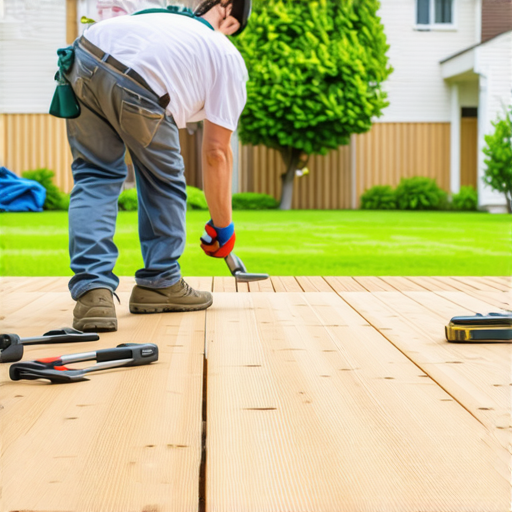

Ever stood in front of your old, splintered deck, frustrated because you have no idea whether tackling a replacement will break the bank? I remember the lightbulb moment when I realized I had no clue about actual costs—only guesses that either scared me silly or lulled me into false confidence. That uncertainty can turn a fun project into a stressful mountain to climb.
Stop Guessing, Start Planning: The Secret to Estimating Your Deck Replacement Cost
If you’re like me, you’ve probably avoided replacing a deck because the numbers seemed too overwhelming or inconsistent. But here’s the truth: with a bit of knowledge and some simple steps, you can get a realistic estimate that empowers you to plan confidently. Today, I’ll walk you through my personal journey and the straightforward methods I discovered to evaluate your deck project without the guesswork.
Is DIY Estimation Really Worth It or Just a Pipe Dream?
I used to think that calculating costs was best left to professionals. Turns out, a lot depends on understanding key factors like materials, size, and labor. One early mistake I made was assuming all decking boards are the same price—major error! I didn’t realize that choosing the right material can significantly impact your budget. For example, [composite fascia](https://deckbuildersneedham.com/why-you-should-use-composite-fascia-even-on-wood-decks) can offer better durability with a different price point compared to natural wood options.
So, if you’ve ever faced the confusing maze of pricing and felt unsure where to start, you’re not alone. But by breaking down the project into manageable parts, you can paint a clear picture of what to expect financially. In the upcoming sections, I’ll share the exact steps I followed, which will help you assess your needs and avoid common pitfalls, like underestimating the amount of material or labor costs involved.
Ready to cut through the confusion and get an accurate estimate for your deck replacement? Let’s dive in and turn that daunting project into an achievable plan.
Break Down Your Deck Size and Layout
Start by measuring your current deck or the space you plan to replace. Use a tape measure to record length and width, then multiply these to get the square footage. I once tackled this by sketching my deck on graph paper, which helped me visualize potential layouts and pinpoint areas that might need extra materials or reinforcement. Remember, the larger the area, the higher the material costs—so accuracy here is crucial.
Choose Your Materials Wisely
Decide on decking materials early because prices vary widely between options like pressure-treated pine, cedar, or composites. For example, I initially assumed all woods cost the same until I checked prices and realized that pressure-treated pine was much more affordable than cedar. Additionally, consider premium features like composite fascia, which [can extend durability](https://deckbuildersneedham.com/why-you-should-use-composite-fascia-even-on-wood-decks) while affecting your budget. Make a list of priorities and compare costs carefully to align with your financial plan.
Calculate Material Quantities Accurately
Using your measurements, determine how many boards, screws, and framing materials you’ll need. Don’t forget to account for waste—typically 10-15% extra—to cover cuts and mistakes. I once ordered materials based solely on square footage, which led to shortages mid-project, causing delays and unforeseen expenses. To avoid this, use online calculators or consult your supplier to get precise quantities, especially for specialized items like joist hangers or composite decking. This step helps prevent surprises at checkout.
Estimate Labor and Additional Costs
Decide whether you’ll DIY or hire professionals. Hiring contractors includes labor costs, permits, and possibly equipment rental. I chose to hire a local Needham contractor for specialized tasks, knowing their expertise saved me money in the long run, especially on complex features like proper joist layout. Get multiple quotes and consider the scope of work—sometimes, investing in quality labor ensures safety and longevity that DIY can’t match. Also, check if you need permits or inspections that add to costs; ignoring these can lead to fines or project delays.
Factor in Ancillary Expenses
Remember to include costs for sealants, stains, railing, lighting, and finishing touches. For instance, I decided to match my deck color with my siding, which required choosing the right stain—a step I could have underestimated. Sometimes, details like [picking the right stain](https://deckbuildersneedham.com/choosing-a-deck-stain-that-matches-your-stone-patio) can alter your initial budget but significantly improve your deck’s aesthetic and durability. Don’t forget safety accessories like post caps and gates, which add to the expense but enhance functionality.
Use Digital Tools for Precision
Leverage apps or online calculators to refine your estimates. I used a deck calculator that allowed me to input my measurements and materials, reducing guesswork. Some tools even allow budgeting and timeline projections, helping you stay on track financially and schedule-wise. Incorporating these resources can turn an approximate idea into a detailed plan, minimizing unexpected costs later.
Review and Adjust Your Budget Regularly
Revisit your estimates as you gather quotes and finalize choices. I found that initial budgets often needed tweaking once I spoke with suppliers or contractors. Adjust for any changes in material selection or project scope to keep your project financially feasible. This iterative process ensures you’re prepared for the actual costs, preventing surprises and enabling informed decisions throughout your deck replacement journey.Many homeowners assume that all deck builders in Needham are the same, but in reality, there’s a hidden nuance that many overlook—the importance of specialized local expertise combined with advanced knowledge of material performance and building codes. This misconception often leads to costly mistakes, like using subpar materials or neglecting code requirements, which can compromise safety and longevity. A common myth is that choosing the cheapest quote guarantees savings, but in my experience, quality craftsmanship and proper planning are worth the investment, especially when considering long-term durability.
Can a deck builder’s familiarity with local climate conditions actually impact the project’s success?
Absolutely. For instance, in Needham’s seasonal climate, understanding how materials react to moisture and temperature fluctuations is crucial. Professionals who are well-versed in regional weather patterns know to select composite fascia that withstands dampness and freeze-thaw cycles, reducing maintenance costs and extending your deck’s life. Neglecting this nuance can result in warped boards or even structural failures. Consulting experts who leverage such insights, like those who recommend using composite fascia, can make all the difference. Moreover, many think that deck safety is only about preventing wobbling guardrails, but a deeper layer involves proper joist layout and using the right fasteners, which are often overlooked. For example, understanding the significance of mixed-material decks offers durability benefits that those unfamiliar with current trends miss out on. Overlooking these advanced nuances can turn a beautiful project into a recurring headache. When selecting a deck builder, ask about their knowledge of regional climate impacts and their approach to integrating modern, durable materials. Remember, investing in expertise tailored to Needham’s unique environment ensures your deck not only looks great but also stands the test of time. Have you ever fallen into this trap? Let me know in the comments.Maintaining a beautiful and durable deck requires some essential tools and methods to ensure longevity and safety. One of my top picks is a quality cordless power washer, like the Karcher K5, which allows for thorough cleaning without damaging the wood or composite surfaces. I personally use it to remove stubborn dirt, pollen, and algae buildup—especially during Needham’s damp seasons—without risking the harm that high-pressure power washers can cause on fragile decking materials. Regular cleaning prevents mold and rot, extending the lifespan of your deck and preserving its appearance.
Another indispensable tool is a set of Parex Soft Bristle Scrub Brushes. Unlike stiff brushes, these help to gently scrub stained or weathered areas, particularly on cedar or composite decks, without scratching the surface. I’ve found that combining this with oxygen bleach solutions, as detailed in [this guide](https://deckbuildersneedham.com/how-to-clean-your-deck-with-oxygen-bleach-safely), provides a gentle yet effective cleaning process that maintains the deck’s integrity.
For sealing and staining, I recommend a high-quality sprayer like the Wagner Control Spray Max. It offers precision and ease of application over large surface areas, saving time and reducing uneven spots. I make sure to thoroughly prepare the deck surface—cleaning and lightly sanding it first, especially if you’re planning to apply a new stain to match your stone patio—like the custom colors I discussed earlier.
When it comes to routine inspections, a digital moisture meter helps detect areas that retain moisture, signaling potential rot or mold issues before they become serious. I use mine periodically to ensure my deck’s framing and boards stay dry, especially after heavy rain or snow.
Looking ahead, the trend in deck maintenance points toward automation and smart monitoring. Emerging solutions include moisture sensors connected to smart home systems that can alert you via your phone when areas need attention. This proactive approach minimizes long-term damage and costly repairs.
How do I maintain my deck over time? Consistent cleaning with gentle tools like the Karcher K5, combined with regular inspections using a moisture meter, ensures you catch problems early. Applying protective sealants and stains, especially those that match your overall outdoor aesthetic—like those designed for Needham’s climate—also plays a pivotal role. I encourage you to try integrating these advanced tools and techniques into your routine; they’ll save you time and money in the long run.
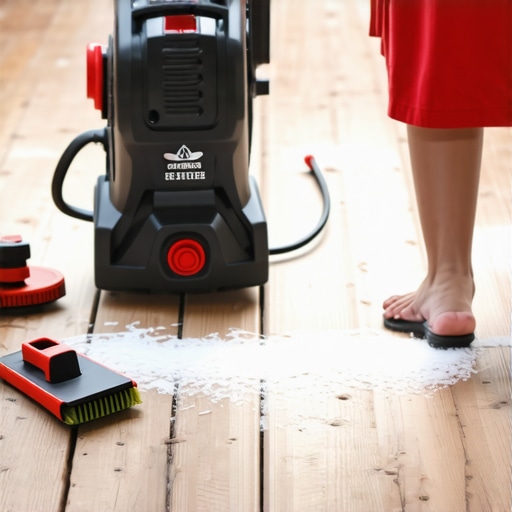
*Prompt: A professional-grade cordless power washer cleaning a wooden deck, with cleaning accessories nearby.* Alt: Power washer cleaning deck; Title: Maintaining Your Deck’s Surface
The Hard-Earned Wisdom from My Deck Journey
One thing I’ve learned through my deck replacement experience is that trusting your instincts alone won’t cut it—you need concrete knowledge. I once fell into the trap of assuming cheaper materials would do, only to face costly repairs a few seasons down the line. That taught me the importance of understanding regional climate impacts, like how Needham’s wet winters demand materials that resist moisture—something I wish I’d prioritized earlier. Additionally, I discovered that investing in quality fasteners and proper joist layouts not only ensures safety but saves money over time, highlighting the value of expert advice I overlooked initially. These insights proved invaluable in avoiding pitfalls that countless homeowners encounter when underestimating the complexity of deck replacements, especially without local expertise.