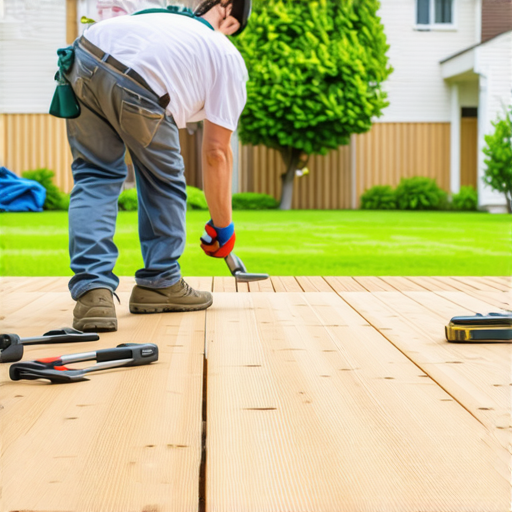
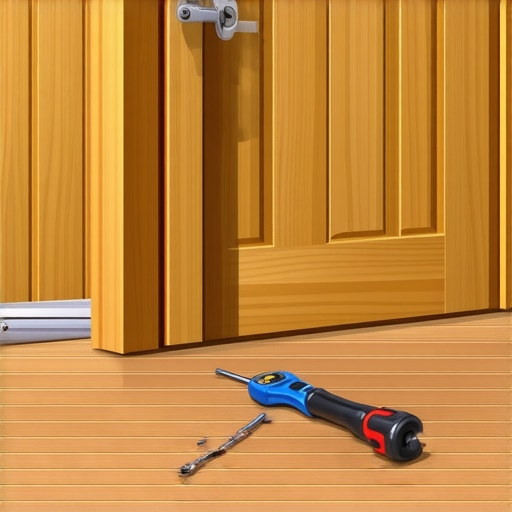
Have you ever gone to close your deck door after a long day, only to find it sticking, sagging, or refusing to latch entirely? I remember the frustration hitting me one breezy weekend when my deck door suddenly wouldn’t close. The lock wouldn’t catch, and I was left wondering if I needed a full replacement or just a quick fix. Turns out, it was a minor adjustment that made all the difference.
Why Your Deck Door Isn’t Closing and How to Tackle It
A door that won’t close properly can be more than just an annoyance; it can compromise security, increase energy costs, and spoil the overall look of your outdoor space. Often, the root cause is misaligned hinges, swollen wood due to humidity, or worn-out latches—simple issues that are surprisingly easy to fix if you know what to look for. Interestingly, according to the National Association of Home Builders, well-maintained doors can last over 20 years with proper care, but hinges and latches require regular inspection to prevent failure.
Are you tired of struggling with that stubborn deck door? Good news—many of these issues can be addressed with basic tools and a little patience, saving you significant repair costs and frustration.
Will DIY Fixes Actually Work for My Deck Door?
Early in my own repair attempt, I made the mistake of assuming the whole door needed replacing. That was a costly and unnecessary mistake. The truth is, most common issues are simple fixes that don’t require a professional. For example, adjusting your hinges or replacing the latch can restore proper function. If you’re unsure about the best tools or techniques, check out comprehensive guides, like how to identify the right drill bits [here](https://deckbuildersneedham.com/are-you-using-the-right-drill-bits-for-your-composite-deck). Just remember, a little patience and knowing what to inspect will go a long way.
Now that you’re ready to tackle your deck door problem, let’s explore the practical steps to get that door closing smoothly again, ensuring your outdoor space stays inviting all season long.
Identify the Misalignment or Obstruction
Start by opening and closing the door slowly to observe where it sticks or rubs. For example, I once noticed my deck door was catching near the top corner. Use a level to check if the frame is perfectly plumb, as even slight misalignments can cause issues. If you see the door dragging or not closing fully, suspect hinge misalignment or debris obstructing the path.
Inspect and Tighten Hinges
Remove the screws from the hinges with a screwdriver, then check if any are loose or missing. Tighten all screws firmly, but avoid over-tightening which could warp the hinge or frame. If any screws are stripped, replace them with longer or thicker ones designed for exterior use. This simple adjustment often restores proper swing and closure, as I confirmed when fixing my own door last spring.
Adjust the Hinge Position
If tightening didn’t help, try adjusting the hinge alignment. Loosen the hinge screws slightly and tap the hinge gently with a mallet to shift the door inward or outward as needed. Re-tighten the screws and test the door. In my case, this small tweak eliminated the sticking and prevented future sagging. For complex cases, consider replacing hinges or consulting a professional, especially if the door sag persists after adjustments [see here](https://deckbuildersneedham.com/why-hire-a-specialist-for-your-needham-deck-repair).
Check the Latch and Strike Plate
Operate the latch multiple times; if the lock isn’t catching properly, inspect the strike plate on the door frame. Sometimes, dirt, rust, or misalignment prevents the latch from engaging. Use a screwdriver to loosen the strike plate, adjust its position slightly inward or outward, then tighten. Lubricate the latch with a silicone-based spray to ensure smooth operation. This quick step can prevent the need for costly replacements.
Address Swelling or Weather Damage
If the door still won’t close properly, consider expansion due to humidity. Swollen wood can cause the door to stick, especially in moist seasons. Lightly sand the problematic areas with fine-grit sandpaper [see recommended drill bits](https://deckbuildersneedham.com/are-you-using-the-right-drill-bits-for-your-composite-deck) to smooth out high spots. Additionally, sealing the wood with a waterproof finish helps prevent future swelling, which is especially important for exterior deck doors exposed to the elements.
By following these steps, you can troubleshoot and fix your deck door without professional help. Remember, regular maintenance like checking for loose screws and sealing wood can prevent issues before they start, saving you time and money in the long run.
Many homeowners assume that selecting any local contractor will guarantee quality work, but in my experience, this belief often leads to costly mistakes and disappointment. A common misconception is that all deck builders in Needham are equally skilled—nothing could be farther from the truth. The reality is, mastering the nuances of deck construction and repair requires specialized expertise. For instance, understanding different wood treatments and their impact on longevity is crucial; you can find detailed insights on maintenance costs comparing wood and composite decking [here](https://deckbuildersneedham.com/the-cost-of-maintenance-wood-vs-composite-over-15-years).”,”image”:{“imagePrompt”:”A professional deck builder inspecting a wooden deck with tools”,”imageTitle”:”Expert deck inspection in Needham”,”imageAlt”:”Deck builder assessing a home’s outdoor deck with tools”},”categoryId”:0,
Investing in Quality Tools You Can Trust
When it comes to maintaining your deck in Needham, having the right tools makes all the difference. I personally rely on a high-quality cordless drill with a variable speed setting; this allows me to handle everything from tightening loose screws to drilling pilot holes for new boards. Specifically, I prefer a model that offers both power and lightweight design—like the Milwaukee M18 series—which reduces fatigue during extended projects and delivers reliable performance.
Using the correct drill bits is equally crucial. I always choose cobalt or carbide-tipped bits for tasks involving hardware installation or adjusting composite materials, as they resist wear and ensure cleaner, more precise holes. For example, when replacing deck screws, I recommend checking out this guide to ensure you’re equipped with the proper bits to avoid damaging your decking.
Streamlining Maintenance with Smart Practices
Beyond tools, adopting routine maintenance practices can extend your deck’s lifespan significantly. I suggest setting up a seasonal inspection schedule where you check for loose fasteners, sealant deterioration, and wood swelling. Regularly applying a waterproof sealant—especially on areas prone to moisture, like joints and ledger boards—can prevent costly repairs down the line. A professional-grade sealant, like those recommended by Needham contractors, provides a durable barrier that withstands weathering and UV exposure.
Furthermore, investing in a reliable power washer with adjustable pressure settings helps clean the deck without causing damage. The key is to aim at a low to medium pressure (under 1500 psi) and keep the nozzle moving to avoid gouging the wood or composite material. Proper cleaning not only improves aesthetics but also removes mold, mildew, and dirt that accelerate deterioration.
Tools I Recommend for Durable, Safe Decks
Besides drills and cleaners, I find that incorporating a laser level simplifies multi-level deck projects and ensures accurate height alignments, which is critical for safety and longevity. I prefer models with cross-line projection and self-leveling features—these tools save significant time and prevent misalignments that can lead to structural issues later. Incorporating such equipment into your routine can streamline your maintenance and repair workflow, saving both time and money.
How do I maintain my tools and deck over time?
Proper storage is vital—keep power tools in a dry, organized toolbox, and clean blades and bits after each use to prevent rust. Regular lubrication and replacing worn parts ensure your tools remain efficient. For your deck, adhere to the manufacturer’s recommended maintenance schedule and inspect key components, such as joists and ledger boards, at least once a year, ideally in spring, to spot early signs of trouble before they escalate. Seeing ongoing results from diligent tools and routine care reinforces the value of proactive maintenance. As technology advances, I predict that smart sensors and IoT devices will become more integrated into deck monitoring, alerting homeowners to potential issues before visible signs appear. Just like regular inspections are key, embracing these innovations can offer new layers of protection for your outdoor space.
Ready to elevate your deck maintenance? Start by incorporating a laser level into your toolkit. It’s a game-changer for ensuring structural integrity and safety in your Needham home.

Over the years, I’ve learned that maintaining a deck door isn’t just about fixing a stubborn latch; it’s about gaining confidence in your ability to care for your outdoor sanctuary. Each repair taught me to look beyond the obvious, recognizing that a small misalignment or a tiny crack can have ripple effects on safety and aesthetics. These lessons have helped me avoid costly replacements and foster a sense of ownership over my home improvement projects.
One key insight was realizing how crucial the quality of my tools is. Investing in a reliable cordless drill and the right drill bits transformed my DIY experience from frustrating to freeing. It made me think: small investments in proper equipment can significantly elevate the quality and efficiency of your repairs. These tools became an extension of my confidence, making each fix smoother and more predictable.
Furthermore, keeping an eye on seasonal changes and understanding how weather impacts wood swelling and contraction has been a game-changer. Regular inspections and proactive sealing not only protect my deck but also deepen my connection to its upkeep. It’s a reminder that, with the right knowledge, even intricate-sounding problems become manageable tasks. I hope my journey inspires you to see deck maintenance not as a chore but as an empowering and ongoing process of care.