It was a warm summer evening when I finally looked out at my deck and noticed it wasn’t as firm as it used to be. A little wiggle here, a slight gap there—suddenly, it felt less like an outdoor oasis and more like a hazard waiting to happen. That lightbulb moment made me realize how crucial it is to get ahead of deck issues before they turn into costly repairs or safety nightmares. If you’ve ever felt that unsettling wobble or seen a gap creeping along your deck boards, you’re not alone—and I get it. Just like many homeowners in Needham, I learned that understanding what causes a deck to pull away can save you money, stress, and perhaps a few trips to the hardware store.
Today, I want to walk you through what I discovered about why decks pull away from the house and, more importantly, how you can fix it. No, this isn’t just about cosmetic fixes; it’s about ensuring your deck remains safe, durable, and a beautiful part of your home for years to come. So, grab a cup of coffee, and let’s get started on making sure your outdoor space stays sturdy and inviting.
Why Does a Deck Pull Away from the House?
A common issue I faced—and that many Needham homeowners face—is the deck pulling away from the house over time. Several factors can contribute to this, from natural wood movement and settling to poor initial construction or inadequate support. One sneaky culprit I overlooked early on was the use of subpar fasteners; I used old nails that rusted and loosened, which only accelerated the problem. It’s a mistake I learned from quickly, and one you might want to avoid.
The truth is, decks are subject to a lot of stress: temperature changes, moisture, and shifting soil all play a role. When the ledger board—the piece that attaches your deck to the house—loses its grip or shifts, it can cause gaps and lightening of the connection. This is why regular inspections and maintenance are vital. If left unchecked, pulling away can compromise the entire structure’s safety.
To better understand the scope and how to prevent further damage, it’s helpful to consider a comprehensive deck maintenance plan. The importance of such plans has been emphasized in recent articles, like this insightful piece on [why every homeowner should have a maintenance plan in place](https://deckbuildersneedham.com/why-every-homeowner-needs-a-deck-maintenance-plan-for-2026). Keeping your deck properly maintained ensures that these issues don’t escalate.
Have you noticed signs of your deck pulling away or sagging? If so, don’t worry—I’ve got your back. In the next sections, I’ll share the practical steps I took to fix my deck and how you can do the same without breaking the bank. Remember, catching these issues early is the key to a safe and beautiful outdoor space.
Assess the Damage and Prepare
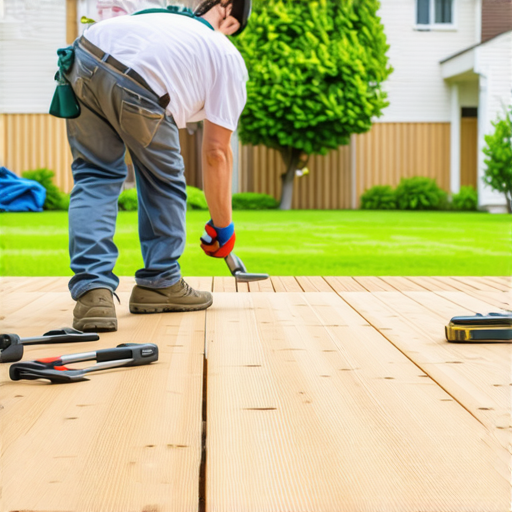
Start by inspecting your deck thoroughly. Use a level and tape measure to check for unevenness or sagging areas. Grab a screwdriver or pry bar and gently lift at the edges of the boards and ledger. During my own fix, I discovered loose fasteners and slight gaps near the house. Document these issues so you can prioritize repairs effectively. Seeing which parts are most affected helps you plan your next steps and avoid unnecessary work.
Remove and Replace Loosened Fasteners
Old nails rust and weaken over time, causing boards to lift or shift. Switch to stainless steel screws, which resist corrosion and provide a tighter hold. When I replaced nails with screws, I noticed immediate stability improvements. Use a power drill with a screwdriver bit to remove the old fasteners, then install new screws at a 45-degree angle for optimal grip. This not only secures the boards but also prevents future loosening, ensuring a safer deck surface.
Check the Ledger Board’s Stability
The ledger board attaches your deck to the house and is critical for safety. Remove any nearby trim or siding to access the connection points. If you find gaps or signs of water damage, reinforce the connection with corrosion-resistant lag bolts or install joist hangers for added support. In my case, I applied a sealant to prevent moisture infiltration and added proper flashing to redirect water away—both vital for prolonging the structure’s life. For detailed guidance, consider reviewing https://deckbuildersneedham.com/why-hidden-fasteners-make-for-a-safer-deck-surface to understand fastener choices better.
Seal and Protect the Wood
Moisture causes wood to swell, shrink, and loosen fasteners. Once you’ve secured the structural elements, apply a high-quality, non-toxic stain or sealant. I chose a weather-resistant stain that matched my deck’s aesthetic and resealed everything to prevent future issues. Regular sealing can also improve your deck’s appearance and longevity. Read more about choosing the right finish at https://deckbuildersneedham.com/is-it-better-to-stain-or-paint-a-new-wood-deck.
Ensure Proper Drainage and Ventilation
Water buildup underneath your deck contributes to rot and structural failure. Use spacers between joists and skirting to promote airflow, and periodically clear debris from around the perimeter. During my repair, I added vented skirting panels, which significantly improved airflow. Consider installing under-deck drainage systems if water pooling persists, similar to the solutions discussed in https://deckbuildersneedham.com/the-importance-of-airflow-under-your-low-profile-deck. This step keeps your foundation dry and extends the life of your materials.
Many homeowners assume that choosing a deck builder is as simple as picking the one with the lowest quote or the quickest turnaround. However, this oversimplification can lead to costly mistakes down the line. One common misconception is that all deck builders in Needham adhere to the same standards and practices—nothing could be farther from the truth. The reality is, experienced professionals understand the subtle intricacies that differentiate a well-crafted deck from a subpar one, and recognizing these nuances can save you from future headaches.
For example, many believe that using standard pressure-treated lumber is sufficient for durability, but top-tier builders often opt for kiln-dried after-treatment (KDAT) wood, which resists warping and mold, ensuring longevity. This is backed by studies showing that KDAT wood maintains its structural integrity longer, especially in climates like Needham’s that experience variable humidity and temperature changes. Recognizing such details reflects an expert’s depth of knowledge, which is crucial for a lasting installation.
Spotting the Fastener Trap Before It’s Too Late
A prevalent pitfall is homeowners focusing solely on fastener cost, opting for cheap nails or staples. This mistake can result in deck boards loosening prematurely, creating safety hazards. High-quality stainless steel screws, for instance, provide better holding power and resist corrosion—especially vital near pools or in damp climates. When I researched fastener choices, I found that many DIY projects falter because of neglecting this nuance, leading to loose boards and uneven surfaces over time. For insights on fastener quality, check https://deckbuildersneedham.com/why-using-stainless-steel-screws-in-2026 ensures your deck remains safe and sturdy.
Another often-ignored detail involves ledger board attachment. Many contractors overlook the importance of proper flashing and sealing to prevent water infiltration, which causes rot and compromises structural integrity. Advanced builders pay close attention to these details, including substrate inspection and waterproofing techniques, to prolong the deck’s lifespan.
To avoid these common traps, aim for a deck builder who emphasizes comprehensive planning, quality materials, and meticulous craftsmanship. A good starting point is reviewing a comprehensive deck maintenance plan, such as the one in https://deckbuildersneedham.com/why-every-homeowner-needs-a-deck-maintenance-plan-for-2026, which highlights the importance of ongoing care and expert installation practices. Remember, the devil is in the details—skimping on any aspect can turn your beautiful backyard retreat into a safety liability. Have you ever fallen into this trap? Let me know in the comments.
Keeping your deck in top shape over the years requires more than just basic upkeep; it demands reliable tools and a strategic approach to maintenance. Personally, I rely on high-quality equipment that ensures efficiency and longevity of repairs. One indispensable item I always keep on hand is a cordless impact driver. Its power and maneuverability make fastening and removing fasteners quick and effortless, especially when replacing rusted screws or upgrading to stainless steel fasteners, which resist corrosion and provide lasting stability. For instance, I prefer the Milwaukee M18 impact driver because of its durability and battery life, allowing me to work efficiently without frequent recharging.
Another essential tool is a moisture meter. Moisture levels are critical in preventing wood rot—particularly in Needham’s variable climate. I regularly use a Delmhorst BD-2100 moisture meter, which gives precise readings and helps me determine whether a deck board or ledger is within safe moisture parameters before sealing or painting. This proactive step protects your investment and ensures safety over the long term. Checking moisture levels periodically can prevent costly future repairs, aligning with the advice found in our comprehensive deck maintenance plan.
To tackle cleaning and stains, I turn to eco-friendly pressure washers equipped with adjustable nozzles. I endorse models like the Sun Joe SPX3000, which offers versatility and enough power to remove greasy food spills or mold without damaging the wood surface. When combined with non-toxic cleaning solutions (see https://deckbuildersneedham.com/how-to-clean-greasy-food-spills-from-your-wood-deck), this approach keeps the deck looking fresh while preserving the wood’s integrity. Regular cleaning not only extends the life of your deck but also makes ongoing maintenance tasks easier.
For those considering scaling their outdoor spaces or adding features, a digital planimeter helps in accurately measuring deck dimensions, ensuring precise calculations for expansion or redesign projects. I personally use a Bosch D-Water miter saw—its precision cuts and ease of use make renovation work faster and more accurate, especially when installing new joist supports or upgrading to more robust fasteners like those recommended in https://deckbuildersneedham.com/why-2026-is-the-year-to-upgrade-to-smart-deck-features.
How do I keep my deck functioning well over time?
Maintaining a deck’s performance involves regular inspections, timely repairs, and the right tools. Consistently checking fastener tightness with a torque wrench ensures connections remain secure, preventing pullaway or wobbling. Applying high-quality sealants and stains periodically preserves wood integrity by preventing water infiltration, which can lead to rot and structural damage. Embracing technology, such as moisture meters and power tools, streamlines these processes and guarantees precise results. As trends in deck maintenance evolve, incorporating smart solutions—like solar-powered LED lighting integrated into the system—will likely become standard practice, offering both convenience and enhanced safety. For ideas on modern additions, visit https://deckbuildersneedham.com/why-your-next-deck-should-include-a-built-in-fire-pit, inspiring upgrades that scale your outdoor living space while ensuring durability. Make sure to try using a moisture meter for your next inspection—it’s a game-changer for proactive maintenance.
Reflecting on my experience, I realize that every deck problem brings a unique set of lessons. One thing I wish I knew earlier is how vital it is to stay proactive—regular inspections can catch issues before they become dangerous or costly. I also learned that paying attention to the small details, like fastener quality and proper drainage, really makes a difference in the long run. Trust me, investing a little time now prevents major headaches later, and that peace of mind is priceless. Lastly, I discovered that seeking advice from seasoned professionals and leveraging top-tier tools can turn what seems like a daunting repair into a manageable project, keeping your outdoor sanctuary safe and beautiful for years to come.