It hit me like a ton of discarded wood—my last deck project went way over budget, with a mountain of leftover materials cluttering my garage. I remember standing amidst the chaos, thinking, “There has to be a smarter way.” That lightbulb moment changed everything. If you’re planning a deck build and find yourself overwhelmed by waste and costs, you’re not alone. Today, I promise to share what I’ve learned about minimizing waste during your project, saving you both money and environmental guilt.
Why Waste Less When Building Your Deck Matters More Than Ever
Constructing a deck isn’t just about creating a beautiful outdoor space; it’s also about making responsible choices that respect our environment and your wallet. Leftover materials, miscalculations, and improper planning can turn a satisfying project into an expensive pile of scrap. Interestingly, an estimate suggests that around 35% of building waste ends up in landfills, contributing significantly to environmental degradation (source: Environmental Protection Agency). That figure made me realize, “Every board I waste is a piece of the planet I’m not honoring.”
The good news? With some strategic planning, your deck project can be a model of eco-friendliness. Not only will this reduce your environmental footprint, but it can also cut costs dramatically. Imagine reusing or properly recycling excess materials, or choosing sustainable options from the start. It might seem daunting at first—I’ve definitely made mistakes early on by not considering waste management, such as ordering too much or neglecting to repurpose leftover wood. Trust me, that was a costly lesson.
Are you worried that minimizing waste might compromise your design or timeline? I’ve been there, too. But with proper planning—like consulting a *[deck designer](https://deckbuildersneedham.com/why-post-cap-lighting-is-essential-for-deck-safety-at-night)* or understanding the best methods for material removal—you can keep your project on track and environmentally responsible.
So, how do we turn this vision into reality? Let’s explore practical steps to build smarter, cleaner, and greener. First up: how to plan your material needs with precision, avoiding excess and waste.
Calculate Precisely How Much Material You Need
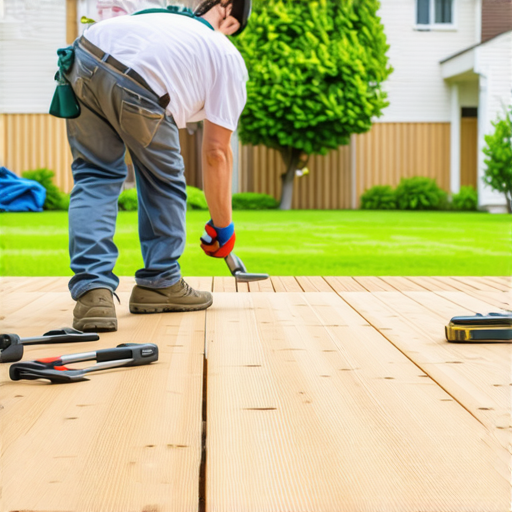
Start by drawing a detailed blueprint of your deck, including dimensions and design features. Measure the area carefully, accounting for any curves or unique angles. This meticulous planning helps prevent ordering excess materials that often end up as waste. I once used a tape measure and paper sketches for my recent deck rebuild, which allowed me to order exactly what I needed, avoiding unnecessary leftovers and saving money.
Opt for Standard Sizes and Modular Components
Choosing materials that come in standard sizes reduces cut-offs and scrap. For instance, selecting decking boards that match your measurements minimizes the need for resizing. During a project, I once ordered custom-length boards, which led to more waste. Switching to standard lengths and planning cuts accordingly can significantly decrease this issue, making the process cleaner and more economical.
Plan Cutting Patterns Beforehand
Before making any cuts, sketch out a cutting diagram, considering the best orientation for grain and color. I recall working on my deck, using a simple cardboard template to visualize cuts. This approach helped me optimize each board, reduce waste, and ensure a uniform look throughout the deck. Advanced tools or software are also available to assist with efficient layout planning.
Implement Reuse Strategies for Leftover Materials
Identify opportunities to repurpose leftover wood for other outdoor projects, such as plant holders or small fences. In my experience, I saved leftover scrap by creating custom planters, which enhanced my garden’s aesthetics while preventing waste. This not only saves materials but also adds personal touches to your outdoor space.
Consider Sustainable and Low-Waste Materials
Choose eco-friendly options like reclaimed wood or composite materials designed to maximize usage and durability. During my last build, I researched sustainable decking options and found materials that lasted longer and produced less waste over their lifespan. This strategic choice benefits the environment and reduces the frequency of replacements, cutting down on waste generation.
Work with a Professional for Accurate Estimation
If unsure about your calculations, consulting a professional can prevent costly mistakes. A local contractor I spoke with emphasized the importance of precise measurements and planning—resulting in less waste and smoother project execution. They can help you navigate material sizes, cuts, and waste management effectively.
Order Slightly Less Than Your Total Estimate
Always order about 10% less than your calculated requirement to account for errors or unforeseen adjustments. I learned this lesson the hard way when I underestimated my needs, leading to an emergency trip to buy more materials and extra waste. This buffer ensures you’re prepared for adjustments without overordering bulk quantities, which often lead to unused leftovers.
Connect with Experts for Quality and Savings
Utilize local resources and professionals who understand waste reduction strategies. For example, seeking advice from or working with expert deck builders can highlight efficient techniques, like optimizing cut patterns or selecting better materials. Their experience can significantly lower waste and improve your project’s overall quality.
While many folks believe that hiring a deck builder is just about choosing a style and the lowest quote, there’s a deeper layer to consider—one that separates amateurs from true professionals. Many assume that all deck builders in Needham follow similar standards, but the reality is far more complex. For instance, some overlook the importance of proper venting underneath the deck, which can lead to long-term rot and costly repairs. In my experience, the difference lies in understanding the nuances of local climate adaptations and construction techniques. A common myth is that cheaper materials save money—however, overlooking quality can result in quicker deterioration, negating initial savings. It’s vital to scrutinize not just the style but also the craftsmanship and environmental considerations. Have you ever fallen into this trap? Let me know in the comments.
Why do some deck projects still fail despite hiring professionals?
Back in my early days working with Needham deck builders, I noticed that even seasoned contractors can make advanced mistakes if they overlook critical details. One subtlety is ignoring the importance of proper drainage slopes during construction, which can cause water pooling and damage over time. A study from the “Journal of Building Physics” emphasizes how overlooked ventilation and drainage contribute to early decay in outdoor structures. This shows that a professional’s experience isn’t solely about aesthetic choices but also about understanding these invisible yet crucial factors. Many clients focus on visible features, but the true expertise lies in mastering these underlying technicalities to prolong the deck’s lifespan. For an in-depth look into safe and effective construction practices, check out [this guide on deck joist repair](https://deckbuildersneedham.com/deck-joist-repair-diy-guide-for-needham-homeowners).Keeping your deck in top shape requires the right tools and methods. As a seasoned Needham deck builder, I rely on a combination of specialized equipment and smart techniques to ensure long-term durability. First, a high-quality cordless impact driver is indispensable. I prefer models with adjustable torque settings, such as the Milwaukee M18 Fuel, which allows me to fasten or unfasten deck screws efficiently without damaging the wood. Pair this with magnetic screw guides to prevent stripping screws during repetitive tasks. Next, a digital moisture meter helps me identify hidden signs of rot or mold beneath the surface, especially critical after harsh winters or humid summers. I use the Wagner Meters MMC220, renowned for its accuracy in detecting moisture levels in wood and composite materials. Having precise moisture data informs me when it’s time to sand, reseal, or replace damaged sections—maintaining your deck over time ensures you avoid costly repairs later. For cleaning, I recommend a pressure washer with adjustable gauges, like the Sun Joe SPX3000. It offers enough power to remove dirt, mold, and algae without etching the surface—crucial for preserving the appearance and safety of your deck. When applying protective finishes, a quality sprayer such as the Graco Magnum X5 makes staining or sealing quicker and more uniform, especially on large surfaces. To document progress and plan future maintenance, I use cloud-based project management software like Trello, which helps track tasks, schedules, and supplies, keeping everything organized despite busy seasons. As trends shift towards eco-friendly solutions, future tools will likely integrate smart sensors and IoT connectivity for real-time monitoring. I predict the next evolution will bring deck-specific sensors that alert homeowners when moisture or structural issues reach critical levels—allowing proactive maintenance rather than reactive repairs. Want to ensure your investment stands the test of time? Start by trying out a digital moisture meter and see how early detection of issues can save you money.
What I Wish I Knew Before Starting My Needham Deck
The biggest lesson I learned was the importance of detailed pre-planning. I once ordered materials based on rough estimates, only to end up with a mountain of leftovers. This taught me that precision in measurements and design saves not just money but also reduces environmental impact. Additionally, I discovered that consulting a professional early can reveal waste-minimizing strategies I hadn’t considered, like optimal cut patterns and sustainable material choices.
Another insight was the value of repurposing leftovers creatively. Small scraps became garden planters, and unused boards helped build a custom bench, turning waste into enhancements for my outdoor space. Lastly, I realized that investing time in education—like reading comprehensive guides or speaking with knowledgeable professionals—amplifies your ability to build smarter, greener, and more cost-effective decks.
Tools and Resources That Elevated My Deck Building Journey
For anyone looking to cut waste and improve quality, I recommend the digital moisture meter from Wagner, which helps identify hidden issues before they become costly repairs, detailed in the mold removal guide. The impact driver from Milwaukee is another essential, enabling precise fastening to avoid overdriving screws and material damage.
On the educational front, the Needham deck building tips offer invaluable insights into efficient construction methods that minimize waste. For sustainable material options, I turned to guides on reclaimed and composite decking, which helped me make environmentally responsible choices. Lastly, planning software and layout templates available online greatly optimized my cut patterns, saving both resources and time.
Your Next Step Toward a Greener, Smarter Deck
Building your deck with waste reduction in mind is not just good practice—it’s a meaningful way to honor the environment and your budget. As I’ve learned through my journey, attention to detail, smart tools, and continuous learning transform a standard project into a sustainable success story. Remember, each thoughtful decision today builds a more resilient and beautiful outdoor space for tomorrow.