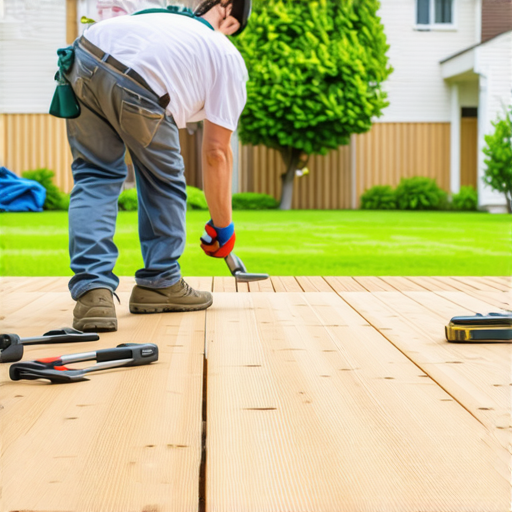

I remember the first time I sat down with a deck builder in Needham. I had a vague idea of wanting a nice outdoor space but left the meeting feeling overwhelmed and unprepared, wondering if I had missed something crucial. That lightbulb moment made me realize how many homeowners stumble into their deck projects without knowing how to prepare effectively. Today, I want to share from my experience exactly what you need to do before your initial consultation, so you walk in confident and ready to make informed decisions.
Nail Your Vision Before the Meeting
Many folks underestimate the importance of having a clear picture of what they want. Take some time to envision your ideal deck—think about size, style, and purpose. Do you want a cozy space for reading, an expansive area for entertaining, or perhaps a multi-functional setup that combines both? Browsing online, visiting local showrooms, or even sketching your ideas can help crystallize your preferences. Having a solid concept not only saves time but also shows your contractor you’re serious. By the way, checking whether your design is functional is essential— [test it out now](https://deckbuildersneedham.com/is-your-deck-design-functional-3-ways-to-test-it).
What if I’m Not Design-Savvy?
You don’t need to be an architect. Focus on what YOU want—the vibe, the key features. Whether it’s a built-in firepit or a perfect spot for family barbecues, clarity is your best tool. Plus, knowing what materials you prefer, like low-maintenance composites or classic wood, will make the process smoother.
You’re Not Alone in Doubting This Step
Sure, some might think detailed planning isn’t necessary. I was there once, too. I vividly remember rushing into a project without enough prep, only to regret costly mistakes later—like choosing the wrong wood type that didn’t hold up to our harsh winters. One early mistake I made was assuming all deck materials are the same—when in reality, [using kiln-dried after-treatment wood](https://deckbuildersneedham.com/the-benefits-of-using-kiln-dried-after-treatment-kdat-wood) can make a huge difference in durability. Mistakes are part of the journey, but the sooner you avoid common pitfalls, the better your project will turn out.
Getting ready for that initial consultation isn’t just about impressing your builder; it’s about setting the foundation for a project that truly meets your needs. Do you often find yourself unsure of how to start a home improvement project? Well, you’re not alone. Let’s move beyond the worry and get practical—next, I’ll walk you through the simple steps to prepare your property and questions for your builder.
Inspect Your Property for Optimal Placement
Start by walking around your yard with a tape measure and note the areas where your deck would fit best. Consider sunlight exposure, proximity to the house, and existing landscape features. I once spent a Saturday measuring during different times of day, realizing the shaded spots would be perfect for a summer lounge area, while sunny spots could host a BBQ station. Mark these spots with spray paint or stakes to visualize the layout. This preparation helps your contractor understand your needs clearly.
Gather Material Preferences and Inspirations
Collect samples or photos of deck styles, materials, and colors you like. Visit local showrooms or browse online to narrow down choices like composite versus wood, or railings with glass panels versus traditional balusters. In my own project, I brought swatches of composite decking and photos of modern railings to the first meeting, which saved time and avoided confusion. Having concrete references ensures everyone is aligned on the aesthetic and durability expectations.
Assess Your Budget and Priorities
Set a realistic budget range before your consultation. Break it down into categories: materials, size, extras like built-in seating, or lighting. I learned from experience that overlooking small costs like permit fees or unexpected delays can blow budgets—so leave a buffer of 10-15%. Knowing your budget guides your contractor in recommending feasible options, preventing disappointments later.
Check Local Regulations and Permitting Rules
Visit Needham’s building department website or contact local officials to familiarize yourself with regulations, such as setback restrictions and maximum height limits. This prevents designing a deck that might not pass inspection. I once sketched a deck that was taller than allowed, which required redesigning and delaying the project. Being informed upfront saves time and ensures a smoother build process.
Clear the Area and Prepare Your Space
Remove any furniture, plants, or obstacles from the proposed deck area. Sweep debris and mark the exact boundary lines. This clean-up allows your contractor to work more efficiently and accurately. I recall one project where last-minute clutter slowed down progress, costing extra time. A tidy site at the outset pays dividends in smooth execution.
Prepare Your Questions and Expectations
List specific questions about construction timelines, material warranties, or maintenance. Also, clarify your expectations regarding project duration and post-build clean-up. In my case, asking about the team’s experience with Needham’s weather helped me feel more confident that my new deck would withstand winter’s chill. Being prepared ensures your contractor addresses all your concerns, leading to a more transparent project.Many homeowners believe that selecting a deck builder is simply about comparing price quotes and choosing the lowest bid. However, in my experience and through advanced industry insights, this approach often blindsides you to critical nuances that can significantly impact your project’s success. Let’s explore some common myths and pitfalls that many overlook, ensuring you’re equipped to make smarter decisions.
Are Low-Bids a Red Flag or Just Good Deals?
It’s tempting to choose the most affordable option, but this can be a costly mistake. Extremely low bids may indicate a lack of experience, subpar materials, or corners cut during construction. Sometimes, these contractors underestimate scope or omit essential steps, leading to delays or safety issues later. According to a study from the National Association of Home Builders, projects with unusually low estimates often result in compromises on quality and durability. Therefore, prioritize expertise and reputation over just price.
Why Overlooking the Fine Print Could Cost You Dearly
Contract details like warranties, scope of work, and material specifications are often ignored in favor of quick agreements. This oversight can lead to disputes or unexpected charges. Make sure you review every clause, and don’t hesitate to ask detailed questions. For instance, some contractors promise ‘free’ revisions, but hidden costs or limited warranty coverage could negate the supposed savings. Clear documentation helps you avoid such pitfalls.
Advanced Techniques Matter in Precision Work
Modern deck building involves sophisticated methods like laser leveling to ensure perfect flatness and strength. Using outdated practices may compromise longevity and safety, especially in a place like Needham, where weather and soil conditions demand high standards. For instance, laser leveling, described in-depth here, ensures the deck surface remains flawlessly even, minimizing wear and material waste over time. Neglecting such advanced techniques can result in uneven decks prone to movement and damage. Are you aware of what techniques your contractor uses? Asking about their methods can reveal their professionalism.
How Certifications and Local Knowledge Elevate Your Project
Not all deck builders are equal; some lack proper certifications or local experience, which are vital for navigating Needham’s building codes and regulations. Contractors familiar with local laws ensure smoother permitting processes and compliance. According to industry experts, working with certified professionals reduces the risk of costly legal issues, and their understanding of regional climate patterns ensures your deck withstands seasonal stressors. Don’t let ignorance cost you time and money. Have you ever fallen into this trap? Let me know in the comments.
As a homeowner or DIY enthusiast, maintaining a deck isn’t just about aesthetics—it’s essential for safety, longevity, and value. Over the years, I’ve tested various tools and methods to keep my decks looking pristine and performing well, and today I want to share my top equipment and techniques. Investing in the right tools not only makes maintenance easier but also ensures you catch issues early before costly repairs are needed.
Power Washers: The Deep Clean Essential
I personally swear by a high-quality pressure washer with adjustable pressure settings. For routine cleaning, I use a washer capable of delivering 2,000 PSI, which effectively removes dirt, algae, and grime without damaging the wood or composite surface. When cleaning, I opt for a fan-tip spray nozzle, ensuring even coverage and preventing gouges. Regular power washing—usually once a year—prevents buildup that can cause rot or decay over time. For composite decks, I use a gentler setting and a plastic or nylon brush attachment to avoid surface damage. Here’s a comprehensive guide on suitable cleaning products for different deck materials.
Infrared Thermometers
One of my favorite gadgets is an infrared thermometer. It helps me detect uneven surface temperatures, which can indicate areas prone to moisture retention or rot. This tool allows for quick inspection after cleaning or sealing—if certain spots stay damp longer, I target them with extra attention. Accurate temperature readings are vital, especially when applying sealants or stains, as improper curing can lead to peeling or discoloration.
Crack Detection Devices: Spot Problems Early
Crack detectors, such as moisture meters, provide insights into hidden issues beneath the surface. I use a pinless moisture meter to scan deck joists and supports periodically. Moisture levels above recommended thresholds (usually 20%) signal the need for repairs or treatment. This proactive approach extends your deck’s lifespan and prevents structural failure, saving money in the long run.
Sealants and Stains: Choose the Right Products
After cleaning and inspecting, I recommend investing in high-quality sealants specifically designed for your deck material. For wood decks, I prefer penetrating stains that offer UV protection and water resistance. For composites, a surface protectant helps maintain color and prevent fading. Applying these products with a pump sprayer or foam brush ensures even coverage. Remember, proper preparation—like removing old finishes and cleaning thoroughly—maximizes effectiveness.
Plan for the Future with Smart Monitoring Tools
Looking ahead, integrating smart sensors into your deck could revolutionize maintenance. Connected moisture sensors can alert you when areas are grouty or wet, allowing for immediate action. Although this technology is still emerging, it’s a promising step towards hassle-free, long-term care for your outdoor spaces. As an example, some products now enable remote monitoring via smartphone apps, giving you real-time updates on your deck’s condition. Stay tuned for how these innovations might become mainstream in deck upkeep.
Tip to Try Today: Begin your maintenance routine by using an infrared thermometer after your next cleaning. Identifying temperature variances can prevent moisture problems before they escalate. Staying ahead with the right tools is key to preserving your deck’s beauty and safety for years to come. Remember, consistent upkeep, paired with advanced techniques, ensures your outdoor space remains a source of pride. Want to make your deck last even longer? Check out the latest sealing products designed for durability and eco-friendliness, and apply them following best practices. If you’re interested in scaling your deck maintenance efforts or upgrading your toolkit, consider exploring industry-standard techniques like laser leveling, which ensures your deck’s surface remains perfectly flat and structurally sound (learn more here). Efficient maintenance isn’t just about tools; it’s about smart, consistent care—so get started today!
The Hardest Lesson I Learned About Deck Builders Needham
One of my biggest realizations was how crucial it is to prioritize experience over price. Early on, I almost went with a low-bid contractor, only to face delays and subpar workmanship. This taught me that skimping on expertise can cost more in the long run—so I now focus on builders who use modern techniques, like laser leveling, to ensure precision. Learn why laser leveling is a game-changer in my preferred deck projects.
The Power of Truly Knowing What You Want
Having a vivid vision of your deck transforms the entire process. I used to dismiss detailed planning, but after investing time in gathering material samples and testing site placement, the build became smoother and more aligned with my lifestyle. If you’re unsure where to start, this test your deck design functionality to refine your ideas.
My Must-Have Tools for Deck maintenance
Investing in key equipment like a power washer and infrared thermometer has revolutionized how I care for my deck. Regular cleaning, coupled with early detection of moisture issues, keeps my outdoor space safe and beautiful. For expert tips on selecting the best tools, this guide on deck cleaning products is invaluable.
What I Wish I Knew Before Starting
My biggest oversight was neglecting local regulations. Checking Needham’s building codes before designing my deck saved me from costly redesigns. Advice: always review permit requirements early—this insight into permit planning helped me stay ahead.
Embracing the Unexpected
Every project has surprises, but it’s how you prepare that counts. From understanding the benefits of kiln-dried wood to choosing eco-friendly stains, each lesson shaped my final result. Remember, mistakes aren’t setbacks—they’re stepping stones to a better deck.
Where My Inspiration Comes From
Browsing local showrooms and online galleries sparked ideas I wouldn’t have discovered alone. Whether it’s modern railings or built-in firepits, curated images help communicate your vision to contractors. For consistency, I kept a dedicated mood board, which made selections easier and more aligned with my goals.