

It was a warm summer evening when I stepped onto my beloved wood deck and immediately noticed something unsettling—tiny holes scattered across the surface and a faint, sour odor lingering in the air. At first, I thought it was just normal wear and tear, but within days, I watched tiny black ants marching like an army, gnawing relentlessly at my wooden planks. That lightbulb moment hit me hard: if I didn’t act fast, my deck could soon turn into a pile of splinters.
Why Carpenter Ants Can Destroy Your Deck Faster Than You Think
Carpenter ants are not your typical pests; they tunnel deep into wood, hollowing it out from the inside. Unlike termites, they don’t eat the wood—they just make their homes inside it. This means that small, seemingly harmless ant trails can lead to significant structural damage if left unchecked. According to the University of California, these ants can cause extensive damage within months, especially if the wood remains damp and unprotected.
Now, I don’t write this just to scare you. My goal is to share the practical steps I learned the hard way—so you don’t have to go through the same frustration and costly repairs. If you’ve ever faced an annoying ant invasion, you know how quickly it can escalate from a minor annoyance to a major headache. That’s why, today, we’re going to get to the core of how to keep these wood wreckers at bay.
Have you ever experienced the frustrating moment when a pest problem sneaks up on you without warning? Trust me, I’ve been there. It’s easy to overlook early signs or dismiss them as minor, but taking proactive measures is the best way to defend your investment.
Before diving into effective prevention techniques, I want to share a mistake I made early on—assuming that regular pest spray would do the trick. Turns out, carpenter ants are quite resilient, and over-reliance on superficial solutions can give a false sense of security. For a comprehensive approach, I recommend exploring reliable strategies, like those outlined [here](https://deckbuildersneedham.com/preventing-deck-ledger-failures-in-needham-homes), to safeguard your deck’s integrity.
In the next sections, I’ll walk you through the most effective methods to prevent carpenter ants from turning your beautiful wood deck into their playground. Ready to take back control and protect your outdoor sanctuary? Let’s get started.
Identify the Problem Areas
Start by inspecting your deck thoroughly. Look for tiny holes, sawdust, or frass—ant droppings—that indicate activity. Check under the deck, around posts, and along the joists. Remember, carpenter ants prefer moist, decayed wood, so damp spots are prime targets. During my own inspection, I found a small cavity beneath a loose board, which turned out to be their entry point.
Remove Attractants and Seal Entry Points
Eliminate sources of excess moisture by repairing leaks and improving drainage. For example, I redirected downspouts away from the deck and added gravel to improve runoff. Seal any cracks or holes larger than 1/4 inch with a high-quality outdoor sealant, especially around posts and beams. Using a caulk gun, I filled gaps, blocking ants’ access, and reduced humidity, making the environment less appealing to them.
Apply Insecticide Treatments Effectively
Choose an insecticide formulated for carpenter ants—look for labels specifying barrier sprays or bait stations. I used a residual spray along the perimeter and beneath the decking boards, focusing on cracks and crevices. Remember, apply when wind is calm and follow manufacturer instructions precisely to avoid environmental harm. Including bait traps near entry points can also lure ants away from your wood.
Set Up Natural Deterrents
Certain natural repellents, like boric acid or diatomaceous earth, can discourage ants. I sprinkled diatomaceous earth around foundation points of my deck and near known colonies. The tiny particles damage their exoskeletons when they crawl over them. Be careful to avoid inhaling the dust, and reapply after rain or heavy watering to maintain effectiveness.
Implement Long-Term Maintenance
Prevent future infestations by maintaining the health of your deck. Regularly clean debris, prune nearby vegetation, and check for signs of moisture intrusion. I scheduled monthly inspections, particularly after heavy rain. Consider proactive measures like installing a proper drainage system or using weather-resistant coatings to keep wood dry and uninviting to ants. For comprehensive protection, exploring deck sealing options [like those discussed here](https://deckbuildersneedham.com/choosing-2026-deck-stains-for-needham-pine) can prolong the life of your wood.
Replace or Repair Damaged Wood Promptly
If you discover compromised wood, replace it immediately to prevent further invasion. I removed a decayed post and reinforced the structure with treated lumber. Using proper fasteners and ensuring secure connections, as explained in [this guide](https://deckbuildersneedham.com/needham-deck-lighting-solar-vs-wired-efficiency-2026), helps strengthen your deck against pests. Regularly inspecting for sagging or soft spots also helps catch issues early before ants settle in.
When it comes to hiring a deck builder in Needham, many homeowners fall prey to misconceptions that can cost them time and money. One prevalent myth is that choosing the lowest bid guarantees the best value. In reality, quality craftsmanship, proper permits, and sustainable materials often come with a higher initial investment. Skimping on these aspects may lead to costly repairs or safety issues down the line, especially since professional deck builders understand local building codes and can advise on compliant, durable solutions. For instance, neglecting to secure necessary permits, as discussed [here](https://deckbuildersneedham.com/needham-building-permits-3-hacks-to-speed-up-your-project), can lead to legal complications or mandatory dismantling of unpermitted structures. Many homeowners overlook the importance of comprehensive warranties; a common mistake is assuming minimal upfront costs outweigh long-term protection. An experienced builder offers warranties that cover craftsmanship and materials, ensuring peace of mind long after the project concludes.
Let’s clarify a critical misconception: All deck builders are equally competent. In reality, expertise varies significantly, especially when it comes to specialized features like hidden fastening systems or complex drainage solutions. For nuanced projects, partnering with a contractor who has a deep understanding of these intricacies makes all the difference. Advanced homeowners should consider questions such as, “How does your experience ensure my deck complies with evolving safety standards?” which is essential for longevity and safety.
Another hidden nuance involves environmental sustainability. Many presume that the most affordable decking options are also eco-friendly. However, materials like composite decking can vary widely in their environmental impact based on manufacturing processes and certifications. A seasoned deck builder in Needham can guide you through sustainable choices—like responsibly sourced wood or low-VOC finishes—that align with your eco-conscious values.
The risks of complacency are real. For example, opting for off-the-shelf railing systems without considering structural integrity can be hazardous. Always verify that your selections meet local safety codes, which you can learn about through [this resource](https://deckbuildersneedham.com/why-every-deck-needs-a-minimum-of-two-exits-in-2026). By understanding these nuanced details, you can avoid pitfalls that compromise your deck’s safety, appearance, and lifespan.
Have you ever fallen into this trap? Let me know in the comments. Being informed is the first step toward making smarter decisions for your Needham deck.Maintaining a durable, beautiful deck requires more than just occasional sweeping; it demands the right tools, consistent routine, and a strategic approach to long-term upkeep. As a seasoned contractor familiar with the unique climate and construction standards in Needham, I recommend investing in specific equipment and techniques that deliver reliable results year after year.
Invest in a Quality Power Drill and Fastener System
My go-to tool for deck maintenance is a high-quality cordless power drill equipped with a variable speed setting. I prefer models that support magnetic bit holders because they help me quickly switch between bits for tasks like tightening screws or installing new hardware. Pair this with a set of corrosion-resistant fasteners—particularly those rated for high-salt environments, which are common in coastal climates—to prevent rust and ensure longevity. Using the optimal fastener, such as those discussed here, can make long-term upkeep easier and more effective.
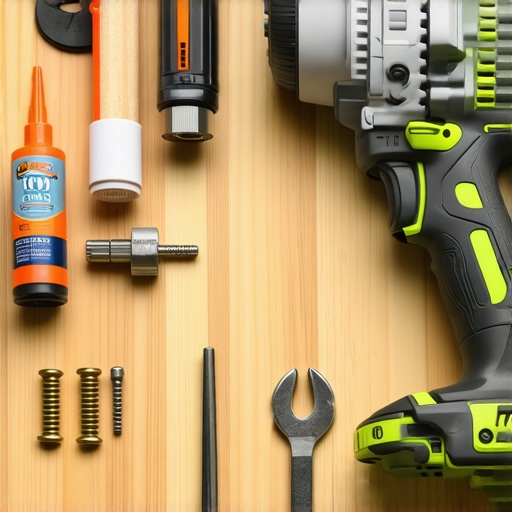
*(Prompt: A professional landscaper’s toolkit laid out on a workbench, including a cordless drill, fasteners, and sealant bottles — emphasizing quality tools for deck maintenance. Alt: Essential tools for deck upkeep, Title: Quality tools for durable decks.)
Employ a Moisture Meter to Prevent Hidden Damage
Detecting moisture intrusion early can save your deck from costly repairs. I use a digital moisture meter before any sealing or staining project; this helps me identify damp spots within the wood that might be invisible to the naked eye. Consistent moisture monitoring ensures that I maintain the structural integrity of the deck and prevents issues like rot or ant infestations. This practice aligns with expert advice from structural engineers who stress the importance of moisture management in maintaining wood structures.
Use a Deck Cleaner Designed for Your Surface
A thorough cleaning using a biodegradable, residual-free deck cleaner helps remove algae, dirt, and old coatings that can accelerate decay. I avoid harsh pressure washing, which can damage the wood fibers, and instead opt for eco-friendly solutions with a soft-bristle brush. Regular cleaning not only maintains aesthetic appeal but also prepares the surface for protective sealants, extending the life of your deck.
Plan Routine Inspections to Catch Problems Early
Scheduling semi-annual inspections allows me to spot loose boards, damaged fasteners, or areas affected by weathering. During these checks, I pay close attention to the ledger board—since ledger failures are a common issue in Needham—by examining it for signs of moisture or structural weakness here. Consistent maintenance prevents small issues from escalating into major repairs, ultimately saving time and money.
Where Do I Go from Here? Future Trends in Deck Maintenance
Looking ahead, I predict that automation and smart sensors will play a bigger role in routine deck care. Imagine moisture sensors that send alerts directly to your phone, reminding you when it’s time to clean or reseal. Meanwhile, advances in eco-friendly materials and fasteners will simplify maintenance while promoting sustainability. Adopting these technologies early can give you a significant advantage in keeping your Needham decks not just functional, but also efficiently maintained well into 2026 and beyond.
How Do I Maintain My Deck Over Time
Consistent inspection, appropriate cleaning, and the use of durable hardware are key. Incorporate smart tools—like a moisture meter—and stick to scheduled upkeep. For example, checking fasteners and sealing every two years helps preserve the deck’s structural integrity. If you haven’t already, try integrating a high-quality sealant chosen based on the deck’s exposure. Well-maintained decks boost curb appeal and safety, ensuring your outdoor space remains inviting for years to come. Remember, proper maintenance isn’t a one-time task—it’s an ongoing process that pays dividends over the long haul.
Lessons That Changed My Approach to Deck Care
One of the most surprising realizations was understanding that prevention is an ongoing process—it’s about consistency rather than quick fixes. I learned that even small, overlooked signs like tiny holes or damp spots can signal looming disaster if not addressed promptly. This has taught me the importance of regular inspections and paying close attention to environmental factors that may seem insignificant but can significantly affect my deck’s longevity.
Another insight was the value of investing in quality tools and materials. Using a high-quality moisture meter or corrosion-resistant fasteners might seem costly upfront, but they pay off by preventing costly repairs and ensuring safety. I wish I had appreciated earlier how critical the right hardware and proactive maintenance are in avoiding pests like carpenter ants and structural decay.
Lastly, embracing eco-friendly and innovative solutions, such as natural repellents and advanced sealing systems, has opened my eyes to more sustainable, long-term approaches. These choices not only protect my deck but also align with my environmental values—something I didn’t fully grasp at first but now see as a vital component of responsible maintenance.
Tools and Resources That Elevate My Deck Maintenance Game
My essential toolkit includes a reliable cordless drill with corrosion-resistant fasteners—trusted for their durability in coastal climates. I rely heavily on a digital moisture meter, which helps me identify hidden dampness that could lead to rot or pest invasions. For cleaning, a biodegradable deck cleaner combined with a softer brush ensures thorough maintenance without damaging the wood; I recommend those that are gentle yet effective for routine spills and dirt.
Staying updated with the latest trends, I turn to expert guides and reputable blogs that specialize in outdoor deck care. The insights found in resources like the Needham deck lighting guide or the ledge failure prevention tips have been invaluable for comprehensive upkeep strategies tailored for our climate and community standards.
Additionally, investing in a good set of under-deck drainage systems from trusted suppliers has enhanced water management and reduced moisture-related issues, making maintenance more manageable and effective. These tools and resources collectively help me maintain a sturdy, beautiful deck that withstands weather and pests over time.
Keep Your Deck Safe and Beautiful: A Future Worth Investing In
Your outdoor sanctuary deserves your attention and care. Every maintenance step—no matter how small—contributes to a safer, more inviting space for family and friends. Embrace the ongoing learning process, stay proactive, and leverage the right tools and advice—your deck will thank you in years to come. Remember, the effort you put in today safeguards your investment tomorrow and transforms your backyard into a true haven.
What’s your biggest challenge when it comes to maintaining your deck? Share your experiences below and let’s support each other in creating durable, beautiful outdoor spaces!