
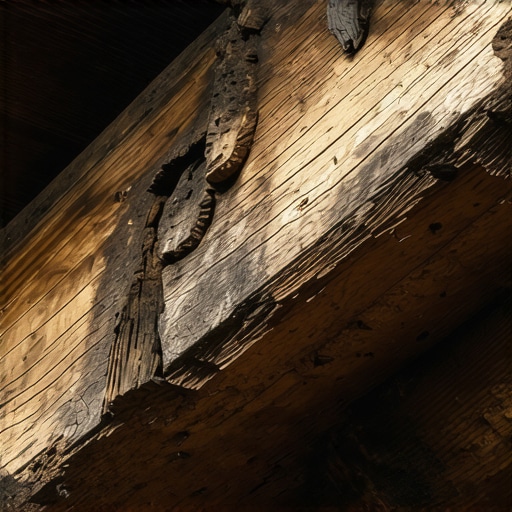
I still remember the day I discovered the first signs of wood rot on my deck. A tiny, almost unnoticeable soft spot beneath a railing seemed harmless at first, but within months, it expanded like a silent invasion. That lightbulb moment—that sinking feeling—made me realize how crucial it is to spot wood rot before it jeopardizes the entire structure. If I had caught that early warning sign, I could have saved myself time, money, and the headache of extensive repairs.
Why Catching Wood Rot Early Could Save Your Deck—and Your Wallet
Wood rot is sneaky. It starts quietly, often with just a slightly spongy or discolored area. But if ignored, it can compromise the integrity of your entire deck, leading to costly replacements and safety risks. According to a study by the National Center for Biotechnology Information, untreated wood decay can weaken structures by up to 70% within a year. That’s a sobering reality. Early detection can mean the difference between a quick repair and a full-on rebuild.
Early detection isn’t just about saving money; it’s about ensuring safety for everyone who uses your outdoor space. You don’t want to risk a collapsed railing or a wobbly deck beneath your feet. The good news? Spotting the signs isn’t as hard as you might think—and that’s what I want to share today.
Is It Really Worth the Hype to Check for Rot?
Honestly, I used to dismiss these warnings. I believed that regular cleaning and sealing were enough. But my mistake was neglecting to look for early signs of wood decay and relying solely on surface appearances. That oversight almost cost me dearly. If you’ve ever wondered whether detailed inspections are worth your time, I’d say yes—because a little vigilance now prevents big expenses later. Plus, I’ll guide you through how to recognize those subtle signs so you don’t make the same mistake I did. And if you’re considering upgrades in your deck’s design, you might find that considering rot resistance is a smart choice, as discussed in this Needham guide.
Now, let’s move beyond the horror stories and dive into the practical tips that will help you keep your deck safe and sound—starting with the key indicators that it’s time to take a closer look.
Inspect Your Deck Methodically
Start by examining all accessible areas for signs of rot. Use a sturdy screwdriver or awl to probe soft spots—if it sinks in easily, that wood is compromised. During my own inspection, I focused on the posts and beams supporting my deck, pushing into every corner. This hands-on approach revealed a hidden soft spot in one post that looked fine from above. Addressing this early prevented a potential collapse, saving me from costly replacements.
Identify Visual Clues
Look for obvious discoloration, mold, or mildew. Warped or cracked boards, loose nails or screws, and powdery or spongy surfaces are tell-tale signs. I noticed some boards had dark streaks and a slight sag, indicating underlying rot. Cleaning and sealing won’t fix real damage—spotting these signs early ensures you can plan repairs before the rot spreads further.
Test for Structural Integrity
Gently tap or press on suspect areas. A hollow sound or excessive give suggests decay. Use your hand or a tool to see if the wood feels soft or crumbly. When I pressed on a corner of my railing post, I felt it wobble, confirming I needed to reinforce or replace that section. This step prevents surprises when hosting guests and keeps your deck safe.
Document the Damage
Take clear photos of affected areas from multiple angles. Labeling these helps when consulting professionals or sourcing replacement parts. My documentation revealed the extent of the rot, which was more severe than initial impressions, guiding my repair strategy.
Plan Your Repair Strategy
Decide whether to replace individual boards, reinforce damaged joists, or rebuild entire sections. For minor issues, you might just replace a board or two—consider non-rot resistant materials like pressure-treated pine, unless you prefer more durable options like composite or exotic hardwoods. When I replaced a rotten board, I chose a preservative-treated cedar, carefully matching the color and style with the existing deck.
Consider Upgrades and Preventive Measures
Use this opportunity to enhance your deck’s durability. Applying a high-quality sealant protects wood from moisture infiltration. If replacing parts, think about modern choices like mixed material decks that combine beauty with resilience. Also, installing a proper drainage system, discussed here, prevents water pooling that accelerates rot.
Execute Repairs with Precision
Remove the damaged sections carefully, clear out any rot in the framing, and replace with quality materials. Use corrosion-resistant fasteners to prevent future issues. During my project, I used hidden fasteners for a cleaner look and improved longevity. Ensure all connections are tight and level, avoiding future stability problems.
Many homeowners assume that choosing a deck builder in Needham is as simple as hiring the first contractor that appears on a search engine. However, this misconception overlooks the nuanced expertise required for quality outdoor structures. In reality, not all deck builders are created equal, and trusting the wrong one can lead to costly repairs and safety hazards. One common myth is that low bids always indicate the best value, but in my experience, cutting corners early on often results in inferior craftsmanship and premature deck failures. For instance, a recent study published in the National Center for Biotechnology Information reveals that improperly built decks can deteriorate up to 70% faster, emphasizing the importance of selecting seasoned professionals.
Another trap many fall into is underestimating the importance of adherence to local building codes. Some believe that basic design skills suffice, but without a thorough understanding of Needham’s specific regulations—like the requirements for guardrail height or beam spacing—you risk facing fines or unsafe structures. This is where a professional deck design makes a significant difference, ensuring your project is compliant and durable.
Let’s talk about an advanced concern: the misconception that all decking materials perform equally over time. I often hear clients say, “If I seal it well, any wood will last,” but that’s a dangerous oversimplification. Modern composites and exotic hardwoods like Ipe are inherently more resistant to rot, insect damage, and weathering. Neglecting the importance of material selection can lead to quick deterioration, especially in the harsh New England climate.
So, what’s the main takeaway? Don’t fall for the myth that any contractor will do, or that maintenance can compensate for poor initial choices. Instead, invest in a builder with proven expertise, familiar with local regulations and optimal materials. Smart choices early on will save you significant stress later. Consider comprehensive upgrades and preventive measures by visiting this insightful resource on mixed materials or exploring best practices for winter care to extend your deck’s lifespan.
Have you ever fallen into this trap? Let me know in the comments.

Keep Your Deck Functional with the Right Tools
Maintaining a deck that lasts requires precision and the right equipment. I personally rely on a cordless electric sander when refreshing my deck, especially for areas prone to weather damage. Its portability allows me to sand tricky corners without fuss, making the process much faster and more effective. For cleaning, I prefer a high-pressure, variable-spray washer with a detached nozzle; it enables me to clean thoroughly without risking damage to the wood. These tools are my go-to because they combine power with control, which is crucial for delicate surface work and deep cleaning alike.
Stay on Top with Proven Maintenance Routine
Routine checks are vital to catch issues before they escalate. I recommend inspecting your deck at least twice a year—preferably after winter and before summer gatherings. During these inspections, remove debris, clean thoroughly, and examine for soft spots or mold. Applying a high-quality sealant or stain can significantly extend the life of your wood, provided you do it correctly. Don’t forget to reapply every couple of years to maintain optimal protection.
Automation and Tech are the Future of Deck Care
Advances in technology are making deck maintenance easier than ever. Solar-powered LED lights, for instance, add ambiance without wiring, and smart sensors can notify you when moisture levels indicate a need for sealing or repairs. While many of these innovations are still emerging, I predict that in the next few years, integration of IoT devices will become standard, giving homeowners real-time monitoring of their decks’ health—saving time and preventing costly damage. Starting with simple tools like a digital moisture meter can give you immediate insights into your deck’s condition.
How Do I Maintain My Deck Over Time?
The key is consistent vigilance. Weekly visual checks combined with bi-annual deep cleaning and sealing can make all the difference. Invest in a durable multi-tool, perhaps a cordless oscillating tool, which excels at detailed sanding or cleaning small, hard-to-reach spots. For tougher stains or built-up grime, a chemical cleaner designed for wood—like oxalic acid—can bring back the natural beauty. Remember, regular maintenance not only protects your investment but also ensures your outdoor space remains safe and inviting.
Best Practices for Longevity and Safety
Always follow manufacturer instructions when using tools and chemicals. For instance, when cleaning or sealing, wear appropriate protective gear—gloves, goggles, and masks—to safeguard your health. Also, consider scheduling professional inspections every couple of years, especially if your deck is exposed to harsh weather or significant use. Some organizations, like the Needham deck professionals, offer specialized maintenance plans that can streamline this process.
Start integrating smart maintenance routines today by testing a new sensor or tool recommended here. For example, using a moisture meter to identify hidden issues early can prevent rot and extend the lifespan of your deck. Regular upkeep might seem labor-intensive, but it pays off with a stunning, safe, and durable outdoor space for family years to come.
The Unexpected Lessons in Deck Maintenance That Changed My Perspective
One of the most striking realizations I had was that neglecting the subtle signs of wood rot could lead to large-scale failures. I once ignored a soft spot in a hidden corner, thinking it was insignificant—but that oversight nearly cost me my entire deck. It taught me that meticulous inspection and early intervention are the true keys to longevity. A small soft patch might seem harmless, but in reality, it’s a red flag telling you to act fast before the problem spreads.
Another lesson was understanding the false comfort of surface cleaning. I used to believe that regular sealing alone would keep my deck safe. However, I learned the hard way that beneath that glossy surface, rot can flourish unnoticed. This underscores the importance of combining surface maintenance with probing tests and visual inspections to catch issues in their infancy.
Lastly, I realized that choosing the right materials and professional guidance makes all the difference. DIY attempts can temporarily mask problems, but expert advice ensures long-term durability—like consulting trusted local resources and selecting rot-resistant wood or composites that suit our climate. Real knowledge, coupled with proactive upkeep, is what keeps a deck vibrant and safe through years of weather challenges.