It was a beautiful summer evening when I first realized my deck had turned into a squeaky, uninviting obstacle course every time I stepped outside. The pained squeals of my old boards echoed with every step, making even sitting down feel like an audition for a comedy skit rather than a peaceful retreat. That lightbulb moment? I understood that those incessant squeaks weren’t just annoying—they were a sign that my deck was crying out for some serious attention.
Why Do Deck Boards Squeak, and Why Should You Care?
Squeaking decks are more than just a nuisance—they can indicate underlying issues like loose fasteners, wood expansion and contraction, or even structural instability. Left unaddressed, these tiny noises can become bigger problems, risking safety and reducing your outdoor enjoyment. As a homeowner and passionate DIY enthusiast, I’ve learned that stopping these squeaks is not only about peace and quiet but about maintaining the longevity and safety of your deck.
Believe me, tackling squeaky boards isn’t magic; it’s about understanding the common causes. Early on, I made the mistake of ignoring the problem, thinking a little noise was just part of deck life. That was a costly oversight, but it led me to discover proven strategies that actually work—methods I’ll share with you shortly.
For instance, a study published by the American Wood Protection Association highlights that squeaky or loose decking components are often caused by wood shrinking over time or fasteners loosening due to weather cycling. Addressing these early on can prevent bigger, more expensive repairs down the road.
If you’re tired of the nightly chorus of squeaks when you just want to unwind on your deck, then this guide is for you. We’re going to dive into simple, effective solutions—no need to overhaul your entire deck or call in the pros if you’re comfortable with a few DIY tweaks.
So, have you faced this annoying problem yet? If so, keep reading—I’ve been there, and I’ve got some solutions to share.
Is Fixing Squeaky Deck Boards Actually Worth the Hassle?
I’ll admit, I once wondered if all this effort was just my impatience talking. But delaying the fix can lead to worsening problems, like wood rot or structural damage. Plus, nobody wants to sit on a deck that sounds like a haunted house every time they move. My early mistake was trying to ignore the issue, thinking it was superficial. Instead, I discovered that a few strategic repairs could restore not just quiet but peace of mind and safety.
By understanding what causes squeaks and how to address them, you’ll extend your deck’s lifespan and keep your outdoor space inviting. Ready to learn how? Let’s get started with some straightforward fixes that any DIYer can handle.
Assess the Cause of Squeaks Thoroughly
Start by inspecting your deck carefully. Walk across, listen for the exact locations where squeaks occur, and gently move suspicious boards to determine if they are loose or rubbing against each other. Take note of these spots; pinpointing the exact issues will streamline your repair process. I remember one summer weekend when I spent hours crawling under my deck, discovering that some fasteners had loosened due to weather cycles, which caused specific squeaks. Identifying these weak points early prevents unnecessary work later.
Simplify with a Visual Inspection
Use a flashlight to check for gaps between boards or loose nails and screws. If fasteners are protruding or missing, replacing or tightening them is your first step. Making small adjustments now can prevent bigger problems down the line, like wood rot or structural damage. For example, I replaced several loose screws with corrosion-resistant deck screws, which immediately silenced some squeaks and secured the boards firmly in place.
Secure Loose Boards with Proper Fasteners
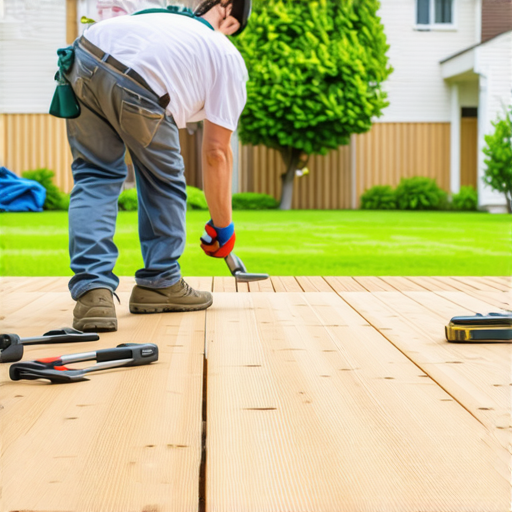
The most common cause of squeaks is loose fasteners. Switch out worn or missing nails with high-quality deck screws. To do this, drill pilot holes to prevent wood splitting. When I tackled my squeaky deck, I used an electric drill with a screwdriver bit and premium wood screws. It took some effort but eliminated a persistent squeak in a matter of minutes. Remember, using the right drill bits—like those designed for composite decking—makes your job easier and faster (more on suitable drill bits).
Apply Lubrication to Friction Points
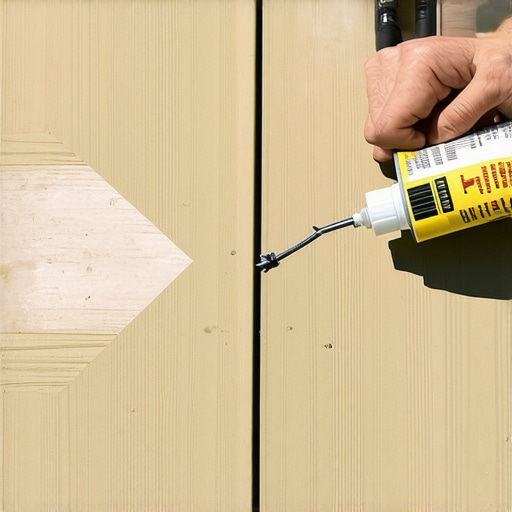
For boards that rub against each other, applying a suitable lubricant can help. Spray or rub a silicone-based lubricant into the gaps to reduce noise. Avoid oil-based lubricants that attract dirt. I applied silicone spray in the morning and noticed immediate relief from squeaks in those areas—plus, it helped prevent future friction issues.
Address Wood Expansion and Contraction
Deck boards naturally expand and contract with temperature and humidity changes. Ensuring proper gaps between boards allows for this movement without causing noise. I learned that leaving about ⅛ inch gap between boards prevents them from pressing tightly together during hot days. Proper spacing is crucial in avoiding squeaks and warping over time.
Adjust or Replace Swollen Boards
If a board has cupped or warped, loosening or removing fasteners and re-securing it can restore stability. In stubborn cases, replacing the damaged board might be necessary. I once replaced a warped plank with a new piece, sealing it with a weatherproof stain to prevent future issues. For quick improvement, consider sealing or refinishing your deck to stabilize moisture levels (learn about sealing decks).
Reinforce the Joinery and Supports
Sometimes, squeaking stems from loose or damaged support beams and joists. Tightening or securing these with appropriate brackets can help. Use a drill and lag bolts to reinforce weak points, ensuring the foundation remains solid. When I reinforced my deck’s joist connections, I noticed a significant drop in squeaks and an overall feeling of sturdiness. When in doubt, consulting a contractor for structural enhancements might be wise (vetting local experts).
Prevent Future Squeaks with Regular Maintenance
Adopt routine checks, especially before and after harsh weather, to catch early signs of loosened fasteners or warped wood. Reapply lubricants periodically and consider sealing the wood every few years. This proactive approach keeps your deck quiet and extends its lifespan. For more insights on maintaining your deck’s beauty and safety, explore repair techniques and advanced sealing methods.
Many homeowners believe that choosing a deck builder in Needham is as simple as selecting the lowest bid or going with a local name. However, this common misconception can lead to costly mistakes. Contrary to popular belief, price isn’t always indicative of quality or longevity. Skilled deck builders invest time and expertise into every project, ensuring durability and safety, which might not be immediately apparent from a cheap quote. Rushing the selection process often results in subpar materials or shoddy workmanship, leading to frequent repairs and safety hazards. While DIY resources are abundant, they can sometimes create a false sense of mastery, causing homeowners to overlook critical structural nuances that professionals handle expertly, such as proper joist spacing or weatherproofing techniques. For instance, many overlook the importance of sealing and protecting your deck with the right products, which can dramatically affect its lifespan. Advanced homeowners understand the importance of verifying a builder’s credentials, certifications, and past projects—an aspect often neglected by those seeking quick solutions. Expert advice suggests that inspecting a builder’s portfolio and reading customer reviews can save you from future headaches. Mistaking common myths like ‘all decks are the same’ can trap homeowners into unnecessary expenses. After all, a well-maintained deck with quality materials, proper drainage, and protective coatings can last decades. It’s a common mistake to ignore regular maintenance, assuming the job is a one-and-done project. Instead, ongoing care, such as sealing and timely repairs, sustains a deck’s appearance and safety over time. Have you ever fallen into this trap? Let me know in the comments. Understanding these nuances helps you make informed decisions, avoid pitfalls, and ultimately enjoy a stunning, long-lasting outdoor space. For further insight, explore how proper sealing extends your deck’s life, or learn more about the benefits of professional workmanship in deck installation.Maintaining your deck’s functionality and appearance requires the right tools and a strategic approach. Over the years, I’ve found that investing in quality equipment and staying updated on effective methods can save you time, money, and frustration. One essential tool I rely on is a high-torque cordless impact driver, which makes fastening and re-securing boards effortless, especially when dealing with stubborn screws or bolts. I personally prefer models with brushless motors, like the Milwaukee M18 Fuel, because they offer durability and longer runtime, critical for comprehensive deck projects. For precision, a digital moisture meter is invaluable; it helps detect hidden rot or moisture issues beneath the surface, preventing costly repairs later. I use the Luster Leaf Rapitest for quick, accurate readings, which guides my sealing and treatment schedule, ensuring the wood stays healthy and resilient. When it comes to cleaning, a deck-specific pressure washer with adjustable psi settings allows for deep cleaning without damaging the surface. I set mine to around 1000-1500 psi for routine washes, avoiding the high-pressure settings that can strip finishes or gouge wood. Regularly inspecting fasteners is crucial, so I keep a magnetized screwdriver and a fastener gauge handy. This combo helps me quickly identify loose or corroded hardware, enabling timely replacements. To apply sealants or stains evenly, I prefer a high-quality sprayer with adjustable flow control, such as the Wagner Control Spray. It ensures a smooth, uniform coat, reducing the chance of streaks or missed spots, which could compromise protection against elements. As technology advances, I predict that automated gap-ficking tools, equipped with sensors and AI-assisted diagnostics, will become standard in long-term deck maintenance, making periodic inspections even more efficient. One tip I confidently recommend: use a rotary tool with a sanding attachment to clear out dirt and debris in tight spaces or between boards before sealing—this small step significantly improves adhesion and longevity of treatment products. To keep your deck looking its best, schedule seasonal inspections and maintenance routines—think of this as the annual health check for your outdoor space. Want to simplify this process? Try incorporating a moisture-resistant sealant like the one discussed in [the expert review](https://deckbuildersneedham.com/how-to-seal-an-old-deck-for-three-more-years-of-life). Regularly using the right tools and staying proactive extends your deck’s lifespan and enhances your outdoor living experience. Curious about advanced techniques? Consider trying a professional-grade moisture meter to detect subtle issues early, giving you the upper hand before small problems escalate. Remember, early detection and maintenance not only preserve your investment but also keep your deck a safe and welcoming space for years to come.
What the Quiet Offers That Noise Can’t
One of the most profound lessons I learned about deck repair is that silence isn’t merely the absence of sound—it’s a reflection of safety and care. When I finally silenced those dreaded squeaks, I realized I had preserved the integrity of my whole outdoor space, making it safer for family and friends. That quiet moment, free from creaks and squeals, felt like a small victory that extended beyond just comfort.
Less Is More: Small Fixes Lead to Big Improvements
Sometimes, I underestimated the power of minor adjustments—tightening a loose screw or applying a bit of silicone didn’t just stop a squeak; it reinforced my confidence in DIY. This approach taught me that consistent, small acts of maintenance can radically extend your deck’s lifespan and elevate your outdoor experience. These tiny attention-to-detail habits transform a good deck into a great one, especially when complemented by seasonal checks.
False Beliefs That Cost You
Early on, I believed that squeaking was inevitable or that it called for a total rebuild. Realistically, the culprit was often a loose fastener or minor misalignment. Recognizing these misconceptions was a game-changer—by addressing specific issues, not only did I save money, but I also learned a lot about my deck’s unique needs. For homeowners in Needham, trusting in professional-grade repairs or quality tools can prevent false economies and ensure durability.
Tools That Make It Easy to Stay Ahead
Investing in the right equipment—like an impact driver or moisture meter—empowered me to handle issues before they became costly repairs. These tools demystified the process, making repairs quicker and more precise. Over time, I found that a proactive maintenance routine, supported by reliable tools, keeps my deck at its best and saves me from surprise repair costs.
From Frustration to Satisfaction with Strategic Maintenance
Turning frustration into satisfaction involves adopting a strategic mindset. Regularly inspecting and caring for my deck isn’t just about fixing squeaks—it’s about cultivating a space where memories are made and worries kept at bay. This habit of attentive maintenance has made my deck more inviting and my outdoor moments more joyful. For fellow homeowners, this means not just fixing problems but preventing them altogether, ensuring every summer evening feels just like that first perfect evening.