I remember the first weekend I hosted a big family barbecue on my deck, confidently expecting it to hold up beautifully. Instead, I was met with an unsettling creak and a loud thud whenever someone stepped onto it vigorously. That lightbulb moment hit hard—I realized my deck was vibrating like a tuning fork under pressure, and it was more than just annoying; it felt unsafe. Has that ever happened to you? You’re enjoying your time outside, only to be startled by unsettling vibrations that make you wonder if your deck can handle another heavy Saturday.
Why Vibrations Threaten Your Deck’s Longevity and Your Safety
Vibrations under heavy use aren’t just an occasional nuisance—they can be a sign of underlying structural issues. Over time, persistent movement and shaking can lead to faster wear and tear, weakening the entire structure. Studies have shown that mechanical vibrations can accelerate wood deterioration and cause fasteners to loosen prematurely, risking deck collapse or costly repairs down the line. That’s why it’s crucial to address these vibrations early on, rather than ignoring them until they become a major problem.
Is Your Deck Really Worth Fixing? Trust Me, It Is
When I first noticed the vibrations, I made the mistake of dismissing them as minor. I thought I just needed to tighten some screws or replace a few planks. But that was a rookie move. The truth is, overlooking such issues can be dangerous, especially if you have kids or elderly family members enjoying your outdoor space. Getting professional advice and taking proactive measures can save you from expensive repairs or, worse, an accident. Curious about how to spot these warning signs early? Check out why deck screws are better than nails for more insights on maintaining a sturdy, vibration-free deck.
Now, let’s get into the heart of the matter—simple yet effective ways to ensure your deck remains solid and vibrations stay at bay, no matter how heavily you use it. Trust me, taking these steps will keep your outdoor gatherings safe and enjoyable for years to come.
,
Assess the Structural Integrity Thoroughly
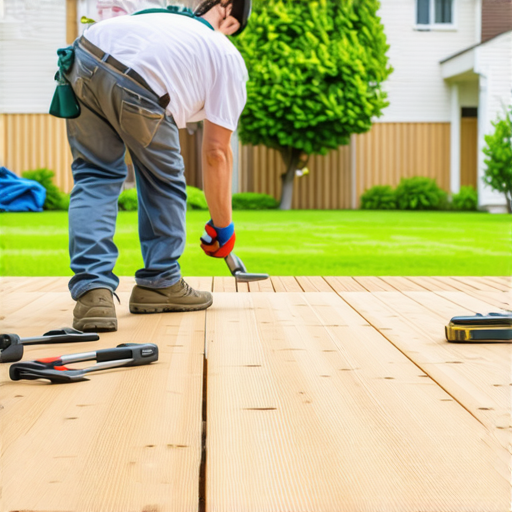
Start by inspecting your deck for visible signs of wear—wobbling boards, loose fasteners, or cracked support beams. I once noticed my deck’s joists slightly sagging after a heavy rain, which prompted me to set up a detailed inspection. Using a level and a measuring tape, check for uneven surfaces and bowing supports. Identifying these issues early prevents more significant problems and ensures your deck can withstand heavy use.
Reinforce Support Beams and Posts
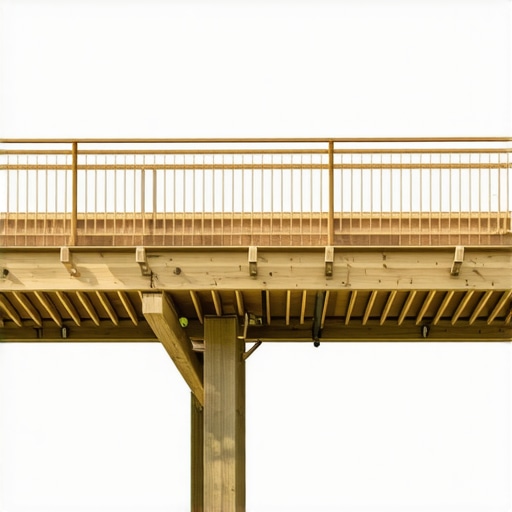
Secure loose posts and support beams with hurricane ties and additional ledger screws—upgrading from nails to deck screws, like the highly recommended deck screws. I replaced an old, rusted post attachment last summer, which made a noticeable difference in stability. Think of your support beams like the backbone of your deck; strengthening them is like adding braces to a leaning wall—crucial for vibrational stability.
Upgrade Fasteners and Connectors
Use high-quality corrosion-resistant hardware, such as stainless steel or coated screws, to replace any worn-out fasteners. During my project, I removed old nails and replaced them with fasteners designed for high-salt environments, which reduced creaks significantly. Proper fastening acts as the hinge that keeps your deck sturdy under dynamic loads, reducing vibrations.
Apply Anti-Vibration Supports
Introduce rubber or synthetic vibration pads under joists or support columns. I sourced these pads from a local hardware store and installed them under the main support beams, which noticeably dampened the tremors when walking on the deck. Think of these pads as shock absorbers in your car—they absorb movement and prevent it from traveling through the entire structure.
Monitor and Maintain Regularly
Schedule periodic inspections, especially after storms or heavy use events. Keep an eye out for wear, loosened hardware, or shifting supports. In my case, I set a reminder to check my deck every spring, which caught a misaligned post before it caused more damage. Consistent maintenance keeps vibrations in check and prolongs your deck’s lifespan.
Consult Professionals for Persistent Vibrations
If vibrations persist despite your efforts, it’s time to seek expert advice. Professional contractors in Needham can identify deep-seated issues like sinking foundations or structural decay. I once hired a local expert who diagnosed a hidden rot in my joists, preventing potential collapse and ensuring safety. Remember, a well-maintained deck is a safe one—don’t hesitate to bring in pros for serious repairs.
Many homeowners in Needham believe that choosing a deck builder is simply about finding the lowest price or the most visible portfolio. However, this misconception can lead to costly mistakes. Contrary to popular belief, there’s more to selecting the right deck professional than meets the eye. The real nuance lies in understanding the craftsmanship, compliance, and longevity that experienced builders bring to the table, which often isn’t immediately apparent.
The Real Value of Experience Over Cost
While budget-friendly options might seem tempting, relying solely on price can obscure critical factors such as experience with local weather patterns and building codes in Needham. An inexperienced builder may cut corners, leading to structural weaknesses or non-compliance with permits. I’ve seen projects where homeowners rushed, only to face repairs within a year because essential details were overlooked. Depth of knowledge and seasoned craftsmanship matter far more than initial costs.
Are Lower Prices Actually Saving You Money? Think Again
Many get fooled into accepting lower bids, but the hidden costs often outweigh these savings. Faulty fasteners, improper permits, or substandard materials can cause issues down the line. For example, inadequate sealing or inappropriate wood choices contribute to faster wear and more frequent maintenance needs. To avoid this, it’s vital to verify a builder’s standing and track record—negotiating skills and professional reputation are key indicators of quality.
Let me ask you—have you ever fallen into this trap? Relying solely on price without considering experience or quality can be a costly mistake. By choosing a seasoned, reputable builder familiar with Needham’s unique requirements, you ensure a durable, safe, and beautiful deck that enhances your outdoor living space for decades. For detailed advice on selecting the right contractor, check out our comprehensive spring build guide.
Maintaining a durable and vibration-free deck requires the right equipment and a methodical approach. Over the years, I’ve identified some essential tools that streamline the upkeep process and ensure long-term results. Investing in quality gear not only saves time but also helps prevent issues like loosening fasteners or structural wear that can lead to vibrations or safety hazards.
Power Drill with Adjustable Torque Settings
I rely on a high-quality power drill featuring adjustable torque. This customization allows me to tighten screws just enough to secure boards without risking overdriving, which can weaken the fasteners or damage the wood. A dependable drill like the Milwaukee M18 Fuel is my go-to—it punches through tough pressure-treated wood effortlessly and reduces manual effort, making routine inspections and repairs faster and more precise. Proper fastener installation is vital in preventing vibrations, especially when installing newer deck components or replacing old hardware.
Digital Level and Laser Measuring Tools
Keeping your deck level is fundamental to preventing uneven wear and vibrations. I use a digital level combined with a laser distance measurer from Bosch, which provides highly accurate readings. These tools help identify subtle shifts in support beams or joists that might be invisible to the naked eye. Addressing even small misalignments early can save weeks or months of future repair work. Regular use of such precision tools is a game-changer for maintaining structural integrity over time.
Vibration Damping Pads and Support Stands
Preventative measures are crucial. I recommend installing rubber or synthetic vibration pads under joists or support posts—these are simple but highly effective at damping vibrations caused by heavy use or shifting support beams. Brands like Vibra-Stop offer durable options that last for years. For larger projects, adjustable support stands with integrated vibration absorbers can help redistribute loads evenly, minimizing energy transfer throughout the structure and prolonging its lifespan.
Structural Monitoring Software and Apps
Embracing technology can elevate your maintenance routine. I utilize structural monitoring apps that sync with sensors placed strategically across the deck. These apps track movement, support stability, and provide alerts if any part of your deck begins to shift or vibrate beyond safe thresholds. While more sophisticated than traditional visual inspections, these tools offer peace of mind and data-driven insights—especially handy for decks burdened with heavy furniture or frequent gatherings. As technology advances, integrating such software will become standard practice for homeowners committed to preservation.
Prepare for the Future with Cutting-Edge Trends
Looking ahead, I predict that smart sensors and IoT integration will become commonplace in deck maintenance. These innovations will enable continuous monitoring and predictive repairs—think of it as a health tracker for your outdoor living space. Staying updated with technological advances ensures your deck remains a safe, vibrationally stable haven for years to come.
How do I keep my deck working over the long haul?
The key is a combination of the right tools and proactive routines. Regular inspections using laser measures, timely hardware upgrades, and the strategic use of vibration damping support systems are all part of the formula. For example, replacing outdated fasteners with deck screws and ensuring proper support placement can significantly extend your deck’s lifespan. Pairing these practices with modern app-based monitoring takes your maintenance from reactive to predictive. As I continually refine my process, I encourage homeowners to test these advanced methods—they truly make a difference. Why not start with installing vibration damping pads under your support beams? It’s a simple upgrade with powerful safety benefits, and I guarantee you’ll notice fewer vibrations after just a few weeks.
Over the years, I’ve come to realize that the true mark of a well-built deck isn’t just its appearance—it’s how confidently it handles life’s lively moments without rattling or wobbling. The biggest lesson I learned about Deck Builders Needham is that proactive, hands-on maintenance combined with expert knowledge can save you from costly repairs and safety hazards. Remember those quiet evenings on my improved deck? That’s the reward of paying attention to structural details others overlook. One thing I wish I’d known earlier is how small upgrades, like installing vibration damping pads, can significantly extend your deck’s lifespan. Plus, trusting experienced professionals over quick fixes can make all the difference. As I’ve discovered, your deck’s resilience isn’t just about materials but also about the knowledge and care you invest.