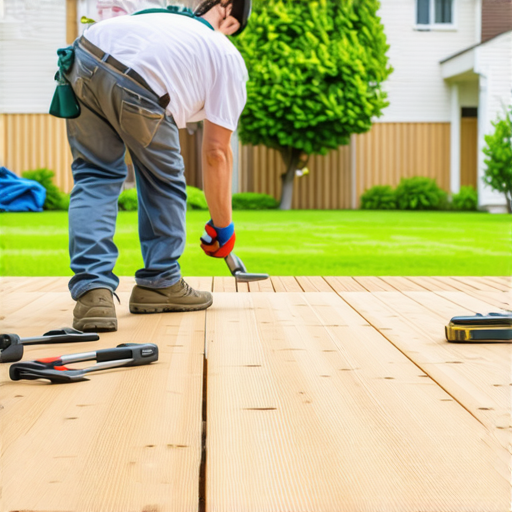

I remember the morning I first looked out over my deck, realizing that my beloved mahogany might not be as eco-friendly as I once thought. The wood had started to show signs of wear, and I couldn’t help but wonder: Is mahogany decking still a sustainable choice in 2026? That lightbulb moment stirred a wave of questions—are we contributing to deforestation? Are there better, more eco-conscious options out there?
As someone who’s installed and maintained decks for years, I know firsthand how tempting it is to pick that beautiful, rich mahogany. It’s timeless, adds character, and makes you feel like you’ve brought a touch of luxury into your backyard. But the reality is, the sustainability of mahogany has become more complicated with each passing year. The surge in demand has led to concerns about illegal logging, habitat destruction, and the long-term health of forests.
Today, we’ll dig into whether mahogany still deserves a spot in your outdoor space, or if it’s time to consider greener alternatives. We’ll look at the latest developments, plant a seed of awareness, and help you make a choice that balances beauty with responsibility.
Why It’s Hard to Ignore the Environmental Impact of Mahogany
Growing up, I believed that choosing quality wood meant I was supporting sustainable practices—I made that mistake early on. I once thought that sourcing mahogany from reputable suppliers guaranteed eco-friendliness. Turns out, that wasn’t always the case. I learned the hard way that not all mahogany is created equal, and some sources are linked to illegal logging and deforestation. The Forest Stewardship Council (FSC) reports that illegal logging accounts for up to 20% of the global timber trade—a staggering figure that made me question my choices.
This realization pushed me to research more responsible options, such as using composite materials or reclaimed wood. If you’re facing the same dilemma—whether to stick with mahogany or explore alternatives—you’re not alone. Many homeowners and builders are weighing the aesthetic benefits against ecological costs.
Throughout this post, I’ll share insights drawn from experts and real-world experiences, so you can feel confident in making an informed decision that aligns with your values and home’s needs.
Ready to embark on this journey toward sustainable decking? Let’s dive into what you need to know before making your next big outdoor upgrade.
Start with a Clear Material List and Prioritize Sustainability
When planning your deck, create a detailed list of potential materials, ranking them by environmental impact and durability. I once sat down with a tattered sketchpad, jotting down every option from reclaimed wood to composite materials. This step ensures you consider alternatives to mahogany that are eco-friendly yet long-lasting.
Assess Your Yard’s Conditions and Style
Evaluate your yard’s sun exposure, humidity, and shade, which influence material choice. For instance, I installed a small section with composite decking in my shaded backyard, referencing color guides for shaded areas. This tailoring prevents quick fading and enhances aesthetic appeal.
Research Certified Sustainable Options
Seek out woods with forest management certifications like FSC. I contacted several suppliers, requesting FSC documentation, which is akin to verifying a product’s authenticity before purchase. This step weeds out illegal logging sources, which I learned about by reviewing maintenance insights.
Calculate Cost, Maintenance, and Lifespan
Estimate your budget by comparing initial expense versus long-term maintenance. I once chose a cheaper, uncertified wood initially, but it warped in five years, leading me to regret the shortcut. Cross-reference composite and reclaimed wood costs to understand value over time.
Consult Professionals for Custom Advice
Engage local deck artisans who specialize in eco-friendly designs. I used a guide to hire specialists and received personalized recommendations, ensuring my choice aligned with environmental standards and structural safety.
Prepare Your Site for Installation
Before laying the material, clear and level the ground, considering drainage and stability. I remember my first DIY deck, where improper groundwork led to sagging; a mistake I avoided by following a detailed site prep plan from foundation options guide.
Follow Proper Installation and Maintenance Practices
Proper installation maximizes lifespan and sustainability. For example, I used screw fasteners instead of nails to reduce corrosion, referencing hidden dangers. Regular cleaning, sealing with eco-friendly preservatives, and inspecting for damage are essential; I schedule seasonal checkups inspired by preservation tips.
Many homeowners assume that all deck builders in Needham operate with the same level of expertise, but that’s a misconception that can lead to costly mistakes. While flashy portfolios and low quotes are tempting, the real nuance lies in understanding the specialization and depth of knowledge that seasoned professionals bring to the table. For example, not every builder is equally versed in eco-friendly materials or the latest safety standards, which are critical for durable and sustainable decks.
Is Your Choice of Deck Builder Adequately Analyzing Structural Risks?
A common oversight is neglecting the detailed inspection of a contractor’s assessment methods. Without proper evaluation, you may end up with framing that is compromised or unsafe over time. Experts suggest asking for references specific to structural integrity and checking their familiarity with current building codes in Needham, as outlined in guides like this resource. Moreover, there’s a misconception that cheaper estimates equate to better deals, but beneath the surface, they often hide corners cut in foundation work or material quality. Always prioritize transparency and ask detailed questions about their process. Another hidden nuance concerns adaptive design strategies; leading Needham builders can tailor decks seamlessly to micro-climates, shade variations, and local aesthetics—details that significantly enhance longevity and visual appeal.  To navigate these complexities, consider engaging specialists who stay updated with the latest innovations, such as those who utilize expert hiring tips. These nuances—like meticulous planning, comprehensive safety checks, and innovation in materials—are what differentiate average from exceptional craftsmanship. Remember, a well-build deck is an investment that can boost your home’s value, safety, and enjoyment for years to come. Have you ever fallen into this trap? Let me know in the comments.Maintaining a beautiful, durable deck in Needham requires not only the right materials but also the right tools and a proactive approach to upkeep. Over the years, I’ve refined my deck maintenance routine, relying on specialized equipment that ensures longevity and safety. One standout tool I’ve personally used is a high-quality orbital sander. It allows me to strip old finishes smoothly without damaging the underlying wood, making recoats and restorative work more efficient. Pairing the sander with eco-friendly wood preservatives from this resource helps keep the wood healthy and resistant to pests and rot.
Another indispensable item is a digital moisture meter. I test the wood’s moisture content before applying stains or sealers, which is critical for proper adhesion. Waiting for ideal moisture levels — typically below 15% — prevents issues like bubbling or peeling down the line. For seasonal upkeep, I recommend investing in a durable cover and a quality winterizing kit. Protecting the deck from harsh Needham winters reduces the wear and tear caused by snow, ice, and fluctuating temperatures, which you can learn to manage effectively with this guide.
In the future, I predict smart technology will play a larger role, with sensors that monitor structural health and alert homeowners when maintenance is needed. Integrating these systems with existing tools can transform deck care from reactive to proactive.
How do I maintain my deck over time? Regular inspections are key. Using a mirror or even a smartphone camera to check beneath the deck helps spot hidden damage early. Scheduling annual professional assessments can catch issues before they escalate, saving you money and preserving safety.
Speaking of tools, one underrated device I highly recommend is a power washer with adjustable settings. It allows me to remove dirt and algae buildup without risking wood damage—crucial for Needham’s humid summers. When used with an eco-friendly cleaner, it keeps the deck looking pristine while being environmentally conscious. Remember, always follow manufacturer instructions and consider a test spot to avoid unintended damage.
To keep your deck in top shape, don’t overlook the importance of proper drainage and gutter maintenance. Ensuring water flows away from your deck prevents pooling and water damage, extending its lifespan. For detailed strategies, check out foundation maintenance tips.
The Hidden Truths That Changed My Perspective on Mahogany
One of the most valuable lessons I learned was that not all certifications are equal—FSC labels can sometimes be misleading if not verified thoroughly. I previously trusted these seals blindly, only to discover that some suppliers might still source illegally. Now, I make it a point to verify certifications through direct communication and detailed documentation, ensuring my choice truly supports sustainable practices.
Another realization was the significance of reclaimed wood. After exploring reclaimed options, I found that they not only reduce the environmental footprint but also add unique character to my deck that new lumber simply can’t match. Embracing reclaimed wood has transformed my outdoor space into a conversation piece and a testament to eco-conscious living.
Finally, I discovered that partnering with local, eco-minded deck artisans who understand sustainable materials is invaluable. Their expertise guides me through eco-friendly choices without compromising on aesthetics or durability, proving that responsible sourcing and high-quality craftsmanship go hand in hand.
Tools and Resources That Changed the Game for My Decking Journey
My top recommendation is the guide on hiring local deck artisans. It helped me identify professionals committed to sustainability and quality. Additionally, I rely on eco-friendly wood preservatives from this trusted resource, which extend the life of reclaimed and sustainably sourced woods without harmful chemicals.
For inspiration and learning, the book Designing Sustainable Outdoor Spaces became my go-to, offering insights into eco-conscious landscaping and decking that beautifully complement responsible material choices. Finally, I often revisit the color guides for shaded areas—helpful when selecting composite options that are both eco-friendly and visually striking.
Take Charge of Your Deck’s Future Today
Imagine stepping into your garden and knowing every board tells a story of sustainability and care. Your outdoor space can be a model of eco-friendly living, inspiring others to follow suit. With informed decisions and the right tools, building a responsible, stunning deck is within your reach in 2026. Don’t wait—start today, and make your backyard a beacon of beauty and conscience.