
Picture this: I spent hours building what I thought was a perfect deck, only to realize months later that the boards weren’t sitting quite right. The gaps between the joists seemed off, and I started to worry—did I overlook something crucial? At first, I felt frustrated. I had followed all the DIY guides and tried to do my homework, but that nagging doubt remained: was my joist spacing correct for the composite boards I chose? It was a lightbulb moment—something I overlooked could actually compromise the whole deck’s integrity.
The Hidden Danger of Wrong Joist Spacing
When it comes to building a deck, especially with modern composite decking, getting the joist spacing right isn’t just a detail—it’s the foundation of safety and longevity. I learned the hard way that improper spacing can lead to sagging boards, premature wear, or even structural failure. Thankfully, after some research, I discovered that most composite boards require specific joist spacing for optimal support. If you deviate from these guidelines, you might save a little on materials initially but pay the price later in repairs or replacements.
Is Joist Spacing Actually Worth the Hype?
One common misconception I had early on was that all joists could be spaced evenly, regardless of the decking material. But, as I found out, manufacturers often specify exact spacing—typically 16 inches on center—to prevent bowing, cracking, or sagging. Neglecting this can void warranties too. According to industry experts, using the proper joist spacing ensures the deck remains sturdy and durable over time. It’s worth noting that in regions with heavy snow or high humidity, such as Massachusetts, extra caution with spacing can prevent costly issues down the line. You can learn more about the importance of proper joist support by exploring [here](https://deckbuildersneedham.com/how-to-spot-structural-decay-in-older-wood-decks).
But I have to admit, I missed a vital detail during my build, thinking that a standard 16-inch spacing was always fine. It wasn’t until I saw the boards flexing under little weight that I realized my mistake. That misstep cost me extra money and time, not to mention the worry about safety. If you’re feeling overwhelmed about where to start or if you suspect your deck might not meet best practices, don’t fret—many homeowners face the same challenge. The good news is, mastering this aspect of deck construction can save you from future headaches and keep your outdoor space safe and beautiful for years to come.
Next, I’ll walk you through how to properly measure and decide on joist spacing for your specific composite decking, so you can avoid my pitfalls and build with confidence.
Measure and Mark with Precision
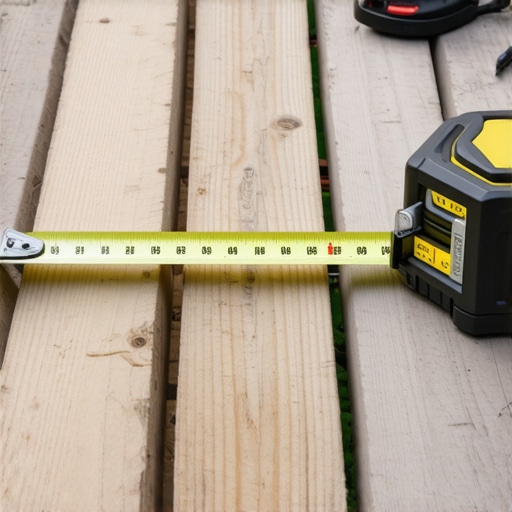
Start by determining your deck’s size and layout. Use a tape measure and chalk line to mark where each joist will sit—typically 16 inches apart on center, but always double-check manufacturer guidelines for your specific composite boards. I once marked my joists directly onto the ledger with a pencil, ensuring each point was exactly 16 inches apart, which prevented misalignment during installation.
Select the Correct Joist Size and Spacing
Choose joist dimensions based on the span and load requirements. For standard decks, 2×8 or 2×10 lumber are common. Refer to span tables to verify what size supports your desired span while maintaining proper spacing. Remember, improper spacing can cause boards to sag—like when I used 2x6s spaced 24 inches apart on a heavy section, leading to noticeable dips over time. To avoid this, consult resources like this guide for detailed support calculations.
Install and Secure the Joists Correctly
Lay the joists on the ledger and support beams, ensuring each is level and snug. Use appropriate hangers—check out these connectors—and fasten tightly with galvanized nails or screws suitable for outdoor use. During my build, I used galvanized screws, which resisted corrosion over years, preventing loose connections that could compromise safety. Remember, consistent spacing not only supports your composite boards but also ensures even weight distribution.
Double-Check Your Work
Before installing the decking, verify spacing with a tape measure and a straightedge, confirming the joists are flush and even. Use a level to detect any wobble, especially in colder climates like Massachusetts, where temperature fluctuations can cause decking to shift. An extra step I took involved laying a test board across the joists to check for sagging, catching issues early. Proper spacing and secure fastening will help your deck stay safe, especially in areas exposed to snow and moisture, aligning with best practices for local climate considerations.
Avoid Common Mistakes and Save Money
Skipping measurements or relying on assumptions about spacing can be costly. I once installed a section without double-checking, which resulted in uneven gaps that affected deck aesthetics and safety. Always measure twice and tighten fasteners according to manufacturer specs. When in doubt, consult professional advice or hire a specialist to ensure compliance and durability. Properly spaced joists will prevent issues like warping or deck rot, and save you money on repairs down the line.
Keep Up with Maintenance to Extend Lifespan
Regular inspections for signs of deterioration—such as loose fasteners or sagging—is essential. For example, I inspect my deck annually, tightening any loose screws and replacing damaged joists immediately. This proactive approach helps maintain the structural integrity and saves costs over time. Incorporate this routine into your deck care plan, especially in climates like Massachusetts where humidity can accelerate decay. For more tips, review this guide.
Many assume that choosing a deck builder in Needham is simply about finding the lowest price or the quickest turnaround. However, professional expertise involves much more nuance, especially when it comes to ensuring long-term durability and safety. A prevalent myth is that all deck builders are equally skilled, which couldn’t be further from the truth. Skilled deck builders understand regional challenges like Massachusetts’s climate, including snow load and humidity, influencing material choices and construction techniques. Overlooking these details can lead to costly repairs or safety hazards down the line.
Another trap many fall into is believing that any pressure-treated wood will suffice for longevity. In reality, the type of treatment and grade significantly affect how well your deck withstands pests like carpenter ants, moisture, and decay. For instance, choosing lumber treated with advanced preservatives or composite materials designed for pet-friendly environments can extend your deck’s lifespan and maintain its aesthetic appeal.
One advanced consideration often missed involves the structural intricacies that impact load distribution and deck resilience. Many homeowners or even some builders underestimate the importance of proper joist sizing and spacing, especially for high-traffic or multi-function decks. Expert guidance isn’t just about compliance with building codes but about preventing subtle issues like sagging or wobbling that degrade safety and appearance over time. For detailed support calculations tailored to your project, consulting specialized resources or professionals can make a significant difference.
What Advanced Techniques Can Maximize Deck Durability in Harsh Climates?
An often overlooked aspect is the implementation of modern fastening systems and ventilation strategies. Hidden fasteners, for example, not only provide a cleaner look but also reduce stress points where wood or composite can deteriorate prematurely. Additionally, designing adequate airflow beneath the deck prevents moisture buildup, a critical factor in Massachusetts’s damp environment. Experts recommend incorporating design features like spaced joists and under-deck drainage systems—these are subtle yet powerful enhancements that prolong your deck’s life.
Integrating these nuanced insights means your project will stand the test of time, saving you money and worries in the long run. Studies show that decks built with advanced techniques in mind can last up to 50% longer, highlighting the value of expert knowledge. Rather than relying solely on traditional methods, consider reaching out to specialists who understand these complexities. For example, collaborating with a professional who is familiar with local codes and climate considerations can streamline permit processes, as discussed in Needham building permits tips.
Have you ever fallen into this trap of underestimating the importance of expertise? Let me know in the comments or reach out for personalized guidance to avoid these common pitfalls and build a deck that truly lasts.
Keep It Working: Essential Tools and Maintenance Practices
Maintaining a durable deck requires more than just initial construction; it demands regular upkeep with the right tools and methods. Over the years, I’ve found that using specialized equipment dedicated to deck maintenance not only saves time but also ensures longevity. For example, I rely on a high-quality power wash system like the BE Power Equipment Pressure Washer because it effectively removes built-up grime and mold without damaging composite surfaces. This not only restores the deck’s appearance but also prevents deterioration caused by trapped moisture.
For applying protective finishes, I prefer a professional-grade sprayer such as the Wagner Control Spray Max. It provides even coverage and reduces the fatigue associated with brushing or rolling large surface areas. Regular staining, especially with products suited for Massachusetts’s climate, keeps the wood or composite from fading and cracking over time. You can explore top options like refinishing products recommended for durability and eco-friendliness.
In addition to tools, routine inspections are vital. I inspect for loose fasteners and signs of decay using a trusty digital moisture meter to detect hidden moisture retention that could lead to rot. Coupled with a good flashlight, this allows me to catch problems early, preventing costly repairs later. Remember, consistent maintenance not only extends your deck’s lifespan but also enhances safety and aesthetic appeal.
Looking ahead, the trend is shifting toward smart maintenance solutions. Smart sensors embedded beneath decks can monitor moisture and structural integrity in real time, transmitting data to your phone. While still emerging, these innovations promise to revolutionize how homeowners manage outdoor spaces, making preventative upkeep more proactive. In the meantime, I recommend establishing a quarterly check-up routine combined with professional assessments when needed.
How do I maintain my deck over time?
To keep your deck functioning well year after year, schedule regular cleaning, staining, and inspections. Invest in quality tools like high-pressure washers and sprayers to make these tasks easier and more effective. Don’t forget to consult manufacturer guidelines, especially for composite materials, to avoid voiding warranties—like the detailed advice found here. Lastly, consider embracing emerging technologies such as moisture sensors to stay ahead of potential problems. I challenge you to try out a professional-grade sprayer during your next staining project—it can significantly improve finish quality and save you hours of work, helping your outdoor space stay pristine for years to come.
3 Lessons I Wish I Knew When Building My Deck
One of the most valuable insights I gained was that compliance isn’t just about following rules—it’s about ensuring safety and durability for years to come. Mistakenly relying on generic guidelines led me to overlook regional climate factors that impact deck longevity, such as Massachusetts’s humidity and snow load. Remember, every deck is unique, and personalized planning can save a lot of headaches later.
Another lightbulb moment was realizing the importance of investing in quality fasteners and proper ventilation—these small details dramatically extend your deck’s lifespan. Using hidden fasteners and ensuring proper airflow beneath the deck can prevent moisture buildup and the associated decay, especially in damp environments. It’s easy to underestimate their impact, but they are game-changers.
Lastly, I learned that maintenance is a continual process, not a one-time task. Implementing a routine, including inspections with good tools and smart sensors, helps catch issues early. This proactive approach saves money and keeps your outdoor living space safe and beautiful. Trust me, taking these lessons to heart is worth it to enjoy a worry-free deck for many seasons.
Tools, Resources, and Guides I Trust
For building and maintaining a resilient deck, I rely on several trusted sources and tools. The best composite brands for pet-friendly decks helped me select materials that withstand Massachusetts’s weather while being safe for my pets. My power tools, like the favorite deck fasteners, ensure secure, long-lasting connections. Additionally, the guides on structural decay keep me vigilant about early signs of wear, which is vital for ongoing safety.
Finally, I never underestimate the value of professional consultation—skilled deck builders understand regional challenges and can offer personalized strategies that DIY doesn’t provide. Their expertise often prevents costly mistakes and ensures your deck’s compliance with local permits, as outlined in this permit advice.
Seizing the Power to Build Confidence
Building a deck that’s safe, durable, and beautiful doesn’t have to be daunting. With the right knowledge, tools, and mindset, you can craft an outdoor space that truly stands the test of time. Remember, every careful measurement, proper material choice, and maintenance routine adds up to years of enjoyment. Your perfect deck is within reach—start today, and enjoy the process as much as the results.
What’s the biggest lesson you’ve learned from your decking projects? Share your experience below—I’d love to hear your insights about creating a lasting, safe outdoor space!
.