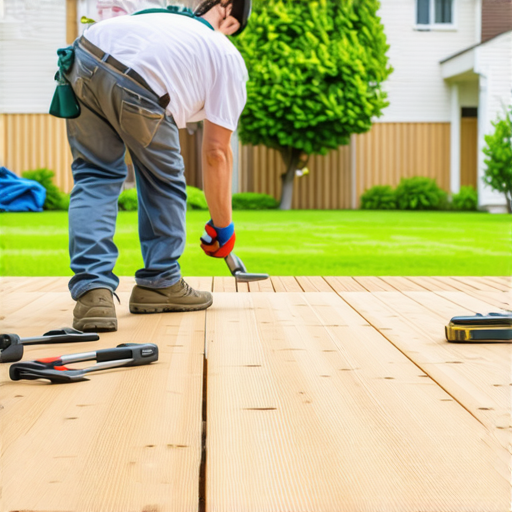
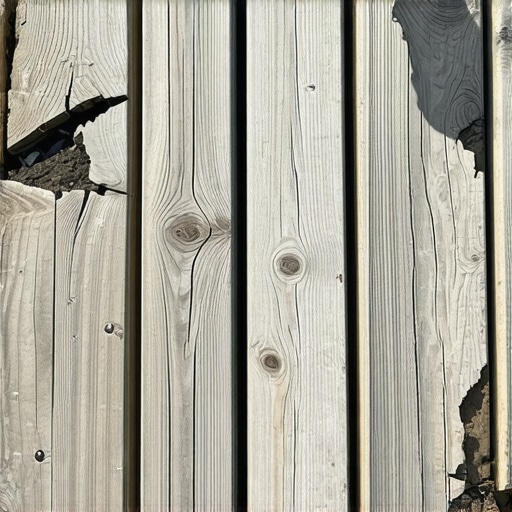
It was a warm spring afternoon when I stepped onto my tired old deck, only to realize that some boards looked worse for wear, but most still felt solid underfoot. That moment of confusion hit me hard—do I patch up the rotten spots, or is it time for a full replacement? In Needham, where decks are the heart of outdoor living, this dilemma is all too common for homeowners. Years ago, I learned the hard way that choosing between patching and replacing can make or break your deck’s safety and beauty.
Spotting the Signs: When Minor Repairs Might Do the Trick
Understanding the extent of damage is key. If the decay is isolated and superficial, replacing just a few boards or applying a suitable sealant could extend your deck’s life. For guidance on choosing quality materials, check out the best pressure-treated wood brands in Needham for 2026. Keep in mind, though, that superficial issues may hide deeper rot if not thoroughly inspected.
Is a Patch Just a Save-or-Strike Solution?
Many homeowners wonder if patching is really worth it, especially with the risk of future problems. From my experience, patching is generally suitable for cosmetic blemishes or minor decay in non-structural areas. But once rot or damage begins to compromise support beams or load-bearing elements, patching becomes only a temporary fix, much like putting a bandage over a bigger problem.
My early mistake was underestimating the importance of inspecting hidden hazards—like the damage found under the deck boards. These hidden issues can turn a small repair into a costly nightmare if ignored. For thorough inspection tips, consider a professional visit or a detailed DIY checklist like the one found in our needham deck inspection guide.
So, what’s next? In the sections ahead, I’ll share how to make a smart decision—patch or replace—and walk you through the practical steps to keep your deck safe and stunning. Have you faced this dilemma yourself? If so, stay tuned—help is on the way.
Assess the Damage Deeply Before Choosing Your Fix
When faced with deteriorating deck boards, don’t just glance at the surface—get under that deck or lift some boards to examine the joists and support beams. I once noticed a small rotted board on my deck and, assuming it was isolated, decided to patch it. That was a mistake. I found hidden rot beneath later, which worsened over time. Use a sturdy screwdriver or pry bar to probe the wood—if it’s soft or crumbly, it indicates more extensive decay than appears. For precise inspection, consider hiring a professional experienced in Needham deck inspections. This helps prevent overlooking critical structural issues that simple patching can’t fix, and guides you whether patching suffices or if full replacement is unavoidable.
Strategize Repair or Replacement Based on Damage Severity
Set criteria for deciding. Minor issues like superficial cracks or small rotten spots in non-structural boards can usually be patched. A quick fix—like replacing individual planks with similar pressure-treated wood from top brands—extends your deck’s lifespan cost-effectively. My first patching attempt involved a mismatched piece, but it soon warped; lessons learned included matching wood types and sealing edges properly. For quality materials, check out leading pressure-treated wood brands. But if damage impacts support beams, ledger boards, or causes significant sagging, replacing those parts or the entire deck is more secure and durable.
Decide on Patching Versus Replacing with Clear Guidelines
Create a checklist: Is the damage isolated? Is the supporting structure intact? Are the rot levels minimal? If the answer is YES to the first two and NO to extensive decay, patching is viable. Otherwise, plan for replacement. Remember, covering up structural flaws with patches is risky—consider consulting a local Needham deck contractor for an expert opinion.
Execute Repairs Many Homeowners Skip or Mishandle
Once the decision is made, gather the right tools and materials: use corrosion-resistant fasteners and high-quality sealants to prevent future rot. During my repair project, I initially used cheap screws, causing looseness over time; switching to galvanized nails made a visible difference. For sealing properly, learn techniques from Needham deck sealing experts. Always remove rotten wood completely, sand rough edges, and apply sealant on all sides of the patched board for longevity. Remember, a patch poorly installed becomes a future hazard—and a costly repair cycle.
Track Weather and Future Risks to Extend Your Deck’s Life
Weather plays a big role. In Needham, winter snows and spring rains accelerate wood decay. Apply water-resistant sealants seasonally and check regularly for new signs of wear. I learned that applying a good deck stain before winter dramatically slowed rot, saving me from costly reeasts. For recommendations tailored to Needham’s climate, look into top deck sealants. Keep an eye on drainage—poor runoff can pool and worsen decay. Regular inspections, understanding your deck’s limits, especially with features like hot tubs, and timely repairs set the stage for a safe, beautiful porch that endures.Many homeowners believe that all deck builders in Needham operate on a similar level, but in my experience, there’s a significant nuance many overlook: the importance of local expertise tailored to Needham’s unique climate and zoning laws. While some assume any general contractor can handle deck projects, specialized local knowledge isn’t just a bonus—it’s a necessity. For instance, understanding Needham’s permitting process, detailed in the permit regulations for 2026, ensures your project won’t face costly delays or legal issues. Moreover, many are unaware that deck building standards can vary between regions, impacting materials selection and safety codes. An often-missed detail is the subtle impact of Needham’s winters on wood persistence, which requires strategic choices like selecting rot-resistant pressure-treated lumber from top brands specific to our area. Some contractors mistakenly rely on generic practices, underestimating the importance of local climate adaptations. Additionally, myths circulate claiming that bigger or more expensive decks always mean better quality, but in reality, craftsmanship, adherence to local codes, and material suitability matter just as much. A critical trap to avoid is overlooking the necessity of proper hiring the right local expert, which can make or break your investment. Remember, a well-informed homeowner understands that choosing a Needham-specific expert with experience navigating our zoning laws and environmental challenges ensures longevity and safety. To get a clearer picture, check out our guide on Needham’s deck building permits and plan accordingly. Of course, this nuanced understanding can sometimes feel overwhelming—so always consider consulting a professional who specializes in Needham decks and stays updated on regulations. Don’t let misconceptions trip you up; approaching your project with precise local knowledge guarantees a result that’s both beautiful and compliant. Have you ever fallen into this trap? Let me know in the comments.Keeping your deck in top shape requires the right tools and a strategic approach to maintenance. I personally rely on a few key pieces of equipment that ensure my deck remains sturdy and beautiful year after year. One indispensable tool is a cordless orbital sander. It allows me to roughen existing surfaces before sealing or refinishing, ensuring better adhesion and a smoother finish. I prefer models with variable speed control because they let me adjust for delicate areas or stubborn grime. My go-to choice is the Bosch ROS20VSC, which I’ve used extensively for its reliability and lightweight design. Additionally, a good quality moisture meter helps me identify hidden water penetration, which is critical since trapped moisture accelerates rot, especially in humid sections of Needham. For this, I use the Fluke 1660-2 device, which provides precise readings and helps me decide when to apply sealants or repairs. When it’s time for seasonal upkeep, I highly recommend using a pump sprayer with a wide spray pattern—this makes applying deck stain or sealant much more efficient and uniform, saving time and reducing waste. Personally, I apply multiple coats when necessary, focusing on high-traffic areas, and always follow the manufacturer’s drying times for optimal results. Looking ahead, the trend in deck maintenance tools points toward smart systems integrated with mobile apps that monitor moisture levels and automatically schedule treatments, making long-term upkeep simpler than ever.
How do I maintain my deck’s longevity over time?
Regular inspections are vital; this means checking for early signs of rot or hardware corrosion before problems escalate. Incorporating technology, like the moisture meter I mentioned, helps detect issues beneath the surface. Also, scheduling seasonal cleaning with a gentle power washer set to low pressure prevents dirt buildup without damaging the wood. Remember to reapply protective sealants every 2-3 years, especially after harsh winters in Needham, to keep moisture out and extend the lifespan of your investment. For more detailed guidance on seasonal maintenance routines, visit our detailed Needham deck care tips. And don’t forget, always use high-quality sealants compatible with your deck material—like the ones discussed in our top sealant recommendations. By deploying these tools and strategies, you’ll not only maintain your deck’s functionality but also enhance its aesthetic appeal, ensuring it remains the favorite spot for family gatherings for years to come. Try incorporating a moisture meter into your regular checkup routine—it could be the game-changer in preventing costly repairs down the road. Remember, consistent upkeep is key to making your deck last, especially in Needham’s ever-changing climate.
Hard-Won Insights from My Deck Troubleshooting
One of the most valuable lessons I’ve learned is that overlooking subtle signs of damage can lead to bigger problems down the line. I once ignored minor cracks, thinking they were superficial, only to discover hidden rot beneath during a professional inspection. This taught me that deep inspection is crucial before deciding whether patching or replacing is appropriate.
Another revelation was the importance of selecting the right materials. Using mismatched or low-quality wood for repairs might seem cost-effective initially but can cause premature failure. Trusting known brands like the top-pressure treated woods in Needham has saved me time and money.
Finally, I realized that local expertise makes all the difference. Understanding Needham’s specific climate and zoning laws streamlines the project and ensures compliance. Consulting with experienced local contractors, especially through guides like how to hire a Needham deck pro, has been invaluable for peace of mind and a lasting result.