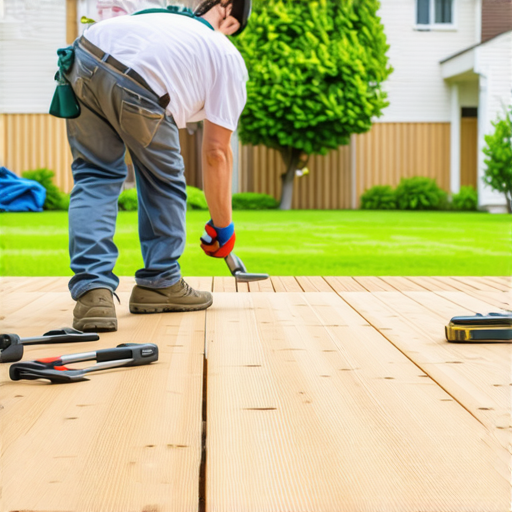
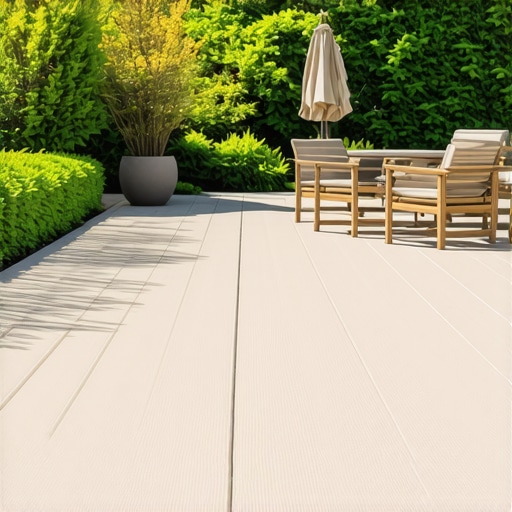
Last summer, as I was sweeping my aging wooden deck, I realized something: every year, I was pouring money into sealing, staining, and repairing—and still battling the inevitable splinters and warping. It hit me then—why do I keep doing this?
Discovering the Real Value of PVC Decking in 2026
After some research and a few missteps, I found myself questioning whether investing in premium PVC decking was truly worth the extra cost. I figured, if I’ve been spending so much time and money on traditional materials that don’t quite cut it, maybe it’s time for a change. The promise of low maintenance, durability, and long-term savings got me curious—could this be the upgrade I need? Today, I’ll share my experience and help you decide if splurging on PVC decking makes sense in 2026.
Is PVC Decking Actually Worth the Hype?
Early on, I made the mistake of dismissing premium materials as mere marketing hype. I assumed all decks were roughly the same, just different price tags. But the truth is, choosing the wrong decking material can mean constant upkeep and disappointment. For example, I overlooked how cedar decking demands more maintenance than many realize—and that was a costly revelation. If you’ve ever hesitated because of the price difference, I get it. But let’s explore if that extra investment pays off in the long run.
Preparing the Surface for PVC Decking
Begin by clearing your existing deck area of all furniture, plants, and debris. Inspect the substructure, ensuring the joists are level, sturdy, and free of rot or insect damage. Use a level to check for unevenness; if you find any, consider using a leveling compound or sistering weaker joists. Proper preparation ensures the new deck will be safe, durable, and visually appealing. I once encountered a sagging section caused by uneven joists; after applying shims and reinforcing the framing, the final result was perfectly flat and stable—saving me from future headaches.
Measuring and Planning Your Layout Exactly
Measure your deck area meticulously, accounting for overhangs and spacer gaps recommended by the PVC manufacturer. Create a detailed plan, drawing out the layout, including the placement of starter strips, expansion gaps, and any steps or railings. Mistakes here can lead to wasted materials or tricky adjustments later. I remember miscalculating the total length during my first attempt, which led to a run of cut boards. Precise measurement saved me time and material during my second project.
Cutting PVC Boards Safely and Precisely
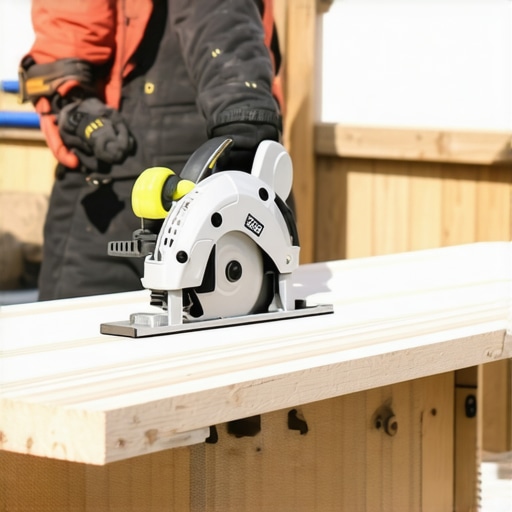
Use a fine-tooth saw designed for plastics, such as a carbide-tipped blade, to ensure clean, straight cuts. Always wear safety goggles and gloves. Mark your boards clearly using a chalk line or a measuring tape, then double-check measurements before cutting. Take your time to avoid cracks or uneven edges. I once rushed during a cut and ended up with a cracked board, which I had to replace—careful cutting prevents waste and extra work.
Securing the Boards Properly for Longevity
Follow the PVC manufacturer’s fastening instructions carefully. Typically, you’ll use stainless steel screws to prevent corrosion, spaced about 16 inches apart along the joists. Drilling pilot holes can prevent the boards from cracking. Use a screw gun set to the correct depth. During my own installation, I pre-drilled each screw hole to avoid splitting, resulting in a neat, secure surface that held up well through harsh weather.
Finishing Touches That Make a Difference
After installing the main surface, apply any edge trims or fascia boards for a clean look. Caulk or seal around edges and railing posts if recommended, to prevent water infiltration. Also, consider staining or sealing the PVC if it has a textured or porous surface, following the manufacturer’s guidance. I added a subtle color stain to my PVC boards, which matched my house’s trim and increased curb appeal. Proper finishing enhances durability and aesthetic appeal, completing your professional-looking deck.
Regular Maintenance Tips for PVC Decks
Although PVC decking is low-maintenance, periodic cleaning is essential. Use a gentle cleaner like oxygen bleach to remove dirt, mold, and stains without damaging the surface. For stubborn spots, avoid abrasive tools—soft brushes are best. I once used a pressure washer at too high a setting and scarred the surface; switching to a garden hose and soft brush preserved my deck’s appearance. Regular upkeep extends the life of your investment, keeping it looking great for years to come.
Following these actionable steps ensures that your PVC deck installation in 2026 is successful, durable, and visually stunning—transforming your outdoor space into a worry-free retreat. For more detailed tips on cleaning and maintenance, visit this guide.
 Many homeowners believe that choosing a local deck builder in Needham means opting for the most obvious or budget-friendly options. However, this misconception can lead to costly mistakes and subpar results. One prevalent myth is that all deck builders offer similar quality; in reality, experience, craftsmanship, and attention to detail can vary significantly, affecting the longevity and safety of your deck. For instance, some contractors might overlook the importance of proper footing preparation or proper waterproofing—issues that can cause structural failures over time. Advanced techniques, such as precise framing and moisture management, are often overlooked by less seasoned builders but are crucial for durability, especially in the diverse weather conditions Massachusetts experiences. A common trap homeowners fall into is assuming that cheaper price tags equate to savings in the long run. In fact, opting for the lowest bid may result in frequent repairs or early replacements, costing more over time. According to industry expert and professional contractor association studies, investing in experienced, licensed professionals often leads to better value and lasting quality. Are you aware of these nuanced differences? Do you know how to spot a truly skilled deck builder versus a less experienced one? Recognizing these hidden factors is vital for ensuring your investment stands the test of time. Next, let’s answer an advanced question that often confounds even seasoned homeowners:**
Why do some decks built by Needham contractors warp or rot despite following all standard procedures?
The answer lies in understanding the subtle, often overlooked details like proper drainage, correct material storage, and moisture barrier application. For example, research from the American Society of Civil Engineers confirms that moisture infiltration is a leading cause of deck failure—yet, many builders underestimate its impact or skip critical steps like sealing or adequate slope creation. Therefore, partnering with a deck builder who emphasizes these nuances can significantly extend your deck’s lifespan. Want to avoid falling into common pitfalls? Take the time to ask potential contractors about their approach to moisture management, proper framing techniques, and quality control measures. Proper due diligence now can save thousands in future repairs. If you’re interested in seeing how careful planning and expert craftsmanship make all the difference, check out this guide on professional deck design and planning. Remember, the devil is in the details, and in Needham, the weather demands nothing less than meticulous construction. Have you ever fallen into this trap? Let me know in the comments.
Keeping your deck in top shape over the years requires more than just periodic cleaning; it involves using the right tools, adhering to proven methods, and planning for future scalability. As someone who’s worked extensively on Needham decks, I’ve found that investing in quality equipment and adopting advanced techniques pays off in the long run.
Precisely Maintaining Your Deck Equipment
One of my go-to tools is a cordless oscillating multi-tool equipped with a rubberized scraper attachment. I use this for detailed cleaning and removing peeling sealers without damaging the wood or composite surface. The versatility of a high-quality multi-tool, like the Fein MultiMaster, allows me to access tight corners and delicate spots that traditional brushes struggle with. Additionally, a digital moisture meter is essential for assessing internal moisture levels, especially in wood decks, to prevent unseen rot and warping. Regularly monitoring moisture helps determine if your deck needs more ventilation or targeted repairs.
Effective Cleaning With Purpose-Built Solutions
For routine maintenance, I swear by oxygen bleach-based cleaners, which are gentle yet effective at removing mold, algae, and stains—particularly important in humid Massachusetts climates. I recommend using a detailed spray nozzle that allows precise application, minimizing waste and overspray. After cleaning, always follow up with a thorough rinse to prevent residue buildup that can accelerate deterioration. For more stubborn stains, I’ve found that a soft scrub brush combined with a diluted oxygen bleach solution restores the deck’s appearance without harming its surface. To avoid damaging siding or plantings nearby, I use targeted application methods and protective barriers.
Planning for Future-Proofing and Scaling
As decks grow in size and complexity, planning for scalability becomes crucial. Installing under-deck drainage systems during initial construction can save significant effort later. I recommend considering modular components like adjustable guardrails and expandable lighting systems, which can evolve with your needs. Smart sensors that monitor moisture and temperature can also provide real-time data, alerting you to potential issues before they become costly repairs. As the trend toward smart outdoor spaces continues, integrating these tools ensures your investment remains resilient for decades.
To truly extend your deck’s lifespan, I suggest routine inspections—checking for loose fasteners and signs of structural wear. Using a torque wrench during reinforcements ensures screws are properly tightened, reducing the risk of injuries and damage, especially important in high-traffic areas. Remember, preventative maintenance is always more cost-effective than repairs.
For those ready to tackle maintenance with expert precision, explore specialized tools like the affordable staining tools that streamline finishing tasks or invest in moisture barriers that resist harsh weather patterns. Industry sources confirm that proactive measures, such as applying weatherproof coatings with advanced sprayers, can boost your deck’s lifespan significantly (see this detailed guide).
Take the initiative today: try incorporating a moisture meter into your routine or upgrading to a professional-grade cleaner. These small steps can dramatically improve your deck’s durability and beauty in the years to come.

Imagine your deck with a sleek, professional finish—perfectly maintained, resilient, and ready for any gathering. Practice these advanced maintenance tips now to make it a reality!
Over the years, I’ve come to realize that the true value of a well-built deck extends far beyond initial construction—it’s about forging a space that adapts to your lifestyle and withstands Time’s test. The lessons learned from my journey with PVC decking and meticulous maintenance have shown me that embracing innovation and attention to detail transforms a simple outdoor area into a lifelong sanctuary. Remember, the secret isn’t just in choosing the right materials but in understanding how they work together to serve your needs for years to come.
How My Empathy for Durability Changed Everything
Early on, I underestimated the importance of detailed planning and quality craftsmanship. It wasn’t until I faced warped boards and persistent mold that I realized commitment to expert techniques and selecting premium materials paid off. This insight made me value contractors who prioritize moisture management and advanced framing techniques—crucial for the unpredictable New England weather. Did you know that small investments in proper drainage and sealing can save you from costly repairs down the line? Embracing this mindset shifted my perspective from short-term fixes to long-term triumphs.
My Secret Arsenal for a Lasting Deck
Throughout my projects, I depended on a curated set of tools and resources that made maintenance a breeze. My favorite is the affordable staining tools, which significantly cut down finishing time without sacrificing quality. Additionally, I trust the oxygen bleach cleaner for routine cleaning, ensuring my deck stays fresh and resistant to mold. For ongoing assessments, a digital moisture meter has been indispensable. These resources empower me to care for my deck proactively, instead of reacting to failures. Which tools have revolutionized how you maintain your outdoor space? Share your favorites below!
Imagine a Future Where Your Deck Becomes an Extension of You
Picture stepping onto your deck, vibrant, resilient, and perfectly tailored for gatherings or quiet reflection. That vision isn’t just aspirational—it’s achievable by applying these lessons and embracing innovative materials like PVC and composite boards designed for longevity. Don’t hesitate to start integrating smart maintenance routines or exploring modern design ideas; your outdoor sanctuary is an extension of your personality and needs. Every effort today compounds into a space you’ll cherish for decades. What’s one step you’ll take now to elevate your deck’s future? Let me know in the comments below!