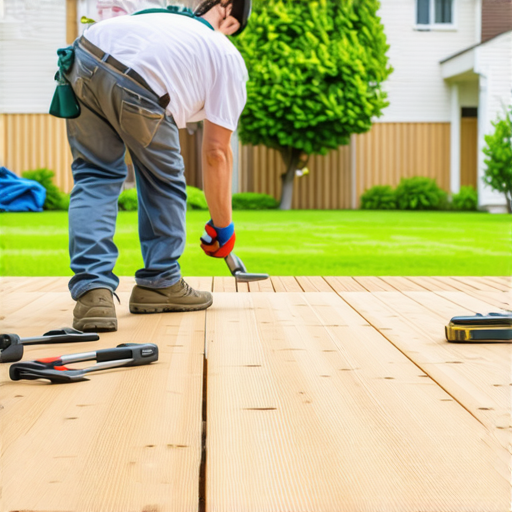

It was a bright spring morning when I stepped onto my deck—and immediately noticed something unsettling: a faint creak, followed by a concerning wobble under my feet. Initially dismissing it as normal wear, I brushed it off, only to find that a few days later, a section felt loose and dangerously unstable. That’s when it hit me—I had ignored the early signs of corrosion on my deck’s connectors, and now I was facing a potentially costly repair.
Why Rusting Deck Connectors Need Quick Attention in Needham
In climates like Needham’s, where humidity and seasonal fluctuations are common, rust doesn’t just tarnish hardware; it compromises the very safety of your deck. Early on, I made a classic mistake: I assumed that a bit of surface rust was no big deal. Unfortunately, rust can penetrate deep, weakening crucial structural elements over time. According to experts, neglecting rust on deck connectors can lead to sudden failures, posing serious safety hazards and costly repairs. Regular inspections aren’t just a good idea—they’re essential.
Is Repairing Rusty Connectors Really Worth the Hassle?
I remember hesitating, overwhelmed by the thought of tearing apart parts of my deck. But after a bit of research and a few failed DIY attempts, I realized that proper repair can extend your deck’s lifespan and keep your family safe. The earlier you catch rust issues, the easier and cheaper the fix. If you’re like me, contemplating whether to replace or repair, know that addressing rust early can save you headaches later. Want to learn how I tackled this problem? Stay tuned for simple, effective steps to restore your deck’s integrity and enjoy your outdoor space worry-free.
Assess the Damage and Gather Supplies
Start by inspecting your deck thoroughly, focusing on all connector points for rust and wear. Use a flashlight to spot hidden corrosion, especially underneath the deck where moisture tends to accumulate. Grab essential tools like a wire brush, rust converter, replacement hardware, power drill, and safety gear such as gloves and goggles. That spring afternoon, I took my time examining each connector, noting the most affected areas for targeted repair.
Remove Rust and Prepare Surface
Apply a wire brush or grinder to scrub off loose rust from the connectors. For stubborn spots, use a rust converter that transforms rust into a stable, paintable surface—this step acts like a metal detox, preparing the surface for durable repairs. When I tackled my deck, I found that thorough cleaning revealed the extent of corrosion, prompting me to replace some hardware entirely instead of just treating them.
Decide Between Repair and Replacement
If connectors are lightly rusted, you can clean and seal them with high-quality deck sealants like best deck sealants for 2026 Needham climate. For heavily corroded connectors, removal and full replacement are necessary. Think of connectors like the joints in a bicycle; if they are cracked or weak, replacement prevents catastrophic failure. I learned this the hard way when a rusted connector broke during a storm, underscoring the importance of proactive replacement.
Install New Connectors Correctly
Choose high-quality, corrosion-resistant hardware—galvanized or stainless steel—to ensure longevity. Use a power drill to remove old fasteners and secure new ones tightly, avoiding overtightening that can cause metal fatigue. Proper installation is crucial—think of it as tightening a watch’s screws evenly to keep everything running smoothly. I followed manufacturer instructions, which helped me avoid stripping the screws or damaging the wood.
Seal and Protect the Repaired Areas
After installing new hardware, apply a weatherproof coating or deck sealant around the connectors to prevent future rust. Regularly revisit these spots at least once a year, especially after harsh winters, to reapply sealant and check for new signs of corrosion. During my repair project, sealing the connectors was like applying a sunscreen to prevent sun damage—a small step with big protective benefits. Additionally, check preventing mold growth on composite decks to maintain overall deck integrity.
Many homeowners believe that hiring a deck builder is as simple as picking the first contractor they find. But in reality, there’s a nuanced layer of expertise that many overlook, leading to costly mistakes down the line. One common myth is that all deck builders are equally experienced, which couldn’t be further from the truth. The truth is, seasoned professionals possess a deep understanding of material behaviors, climate considerations, andLatest industry standards that influence long-term durability. For instance, choosing the wrong hardware or neglecting proper sealing techniques can cause premature deterioration, a trap that’s easy to fall into if you aren’t familiar with advanced construction nuances.
What sophisticated homeowners should know about deck framing stability
Overlooking the importance of framing integrity is a frequent mistake. Some believe that the framing simply needs to be ‘adequate,’ but expert insight shows that precise calculations and quality materials are critical for safety, especially in variable climates like Needham’s. An unnoticed flaw here can lead to sagging or catastrophic failure, particularly when supporting heavy features like hot tubs or outdoor kitchens. It’s essential to consult experts who understand load calculations and framing reinforcement, rather than relying solely on standard DIY wisdom. Studies, such as those published by the American Society of Civil Engineers, emphasize the importance of advanced engineering principles in ensuring structural safety. Additionally, many assume that maintenance can be deferred; however, experts recommend regular inspections and timely upgrades, especially with evolving building codes and climate patterns. Preventing mold growth on composite decks, for example, is crucial to avoiding hidden damage that compromises integrity over time. Remember, investing in high-quality hardware and proper sealants, like those reviewed in best deck sealants for 2026 Needham climate, can significantly extend your deck’s lifespan. So, next time you’re planning a deck project, do your homework beyond surface-level choices. Engaging with expert guidance ensures you avoid the pitfalls that even experienced DIYers sometimes encounter. Have you ever fallen into this trap? Let me know in the comments.
Maintaining a deck isn’t just about immediate fixes; it’s about investing in the right tools and adopting best practices that ensure long-term performance. Personally, I recommend using a high-quality pneumatic caulking gun for resealing joints. Its precision and ease of use allow for consistent application of sealants, which is crucial when protecting your deck from moisture-related damage like mold or rot. Additionally, a versatile electric orbital sander helps smooth out wood surfaces before sanding, ensuring optimal sealing and staining results, especially on older decks that may have uneven surfaces. This combo has transformed my maintenance routine, making projects faster and more effective.
Looking ahead, I foresee the integration of smart sensors becoming standard in deck maintenance. Imagine having a sensor embedded that alerts you when moisture levels reach critical points—preventing issues before they escalate—saving time and money. Staying ahead of these developments will make DIY upkeep more manageable and less reactive.
How do I maintain my deck over time to prevent costly repairs?
Consistency is key. I recommend scheduling bi-annual inspections, focusing on critical areas like joints, connectors, and surfaces prone to water pooling. Use specialized tools like a moisture meter to assess hidden wood decay; I personally trust brands like Tramex for reliable readings. Regular application of high-quality sealants, such as those reviewed in best deck sealants for 2026 Needham climate, can extend the lifespan of your wood or composite surfaces. Don’t forget to routinely clear debris, which can trap moisture and accelerate deterioration, and consider preventive treatments like eco-friendly wood preservatives to guard against pests and rot. Incorporate these tools and habits into your annual maintenance plan, and you’ll enjoy a safe, beautiful deck for years to come. Want to simplify this process further? Try using a smart moisture sensor to get real-time alerts, ensuring you catch issues early before expensive repairs are needed.
What I Wish I Knew Before Neglecting Rusted Connectors
One eye-opening realization was how quickly rust can compromise deck safety, especially in Needham’s humid climate. I learned that regular, detailed inspections can catch early signs of corrosion before they turn into costly repairs, saving both money and peace of mind.
Another lightbulb moment was understanding that not all rust removal methods are created equal. Using proper tools like rust converters and high-quality sealants makes a significant difference in longevity. This knowledge transformed my approach from reactive to proactive, ensuring my deck remains safe and beautiful.
The importance of choosing high-grade, corrosion-resistant hardware became clear when I saw how inferior materials failed prematurely. Trusting brands with proven durability has extended the lifespan of my deck and given me confidence in my maintenance routine.
Finally, I realized that sealing and protective coatings aren’t just cosmetic—they’re essential barriers against moisture and rust. Incorporating regular sealing into my annual maintenance schedule has prevented many issues, keeping my outdoor space inviting and secure.
Reading this post really resonated with me, especially since I live in an area with high humidity levels similar to Needham. I totally agree that early detection of rust on connectors can save a lot of trouble down the line. I had a similar experience a couple of years ago when I ignored some minor rust spots on my deck hardware, only to find later that a connection failed during a storm. What I found helpful was using a combination of visual inspections and a moisture meter to catch early signs of water intrusion or decay. Sealing and choosing corrosion-resistant materials definitely make a huge difference. I’m curious, has anyone experimented with smart sensors or other tech to monitor moisture or structural integrity over time? It sounds like a promising way to catch issues even earlier and avoid emergency repairs.