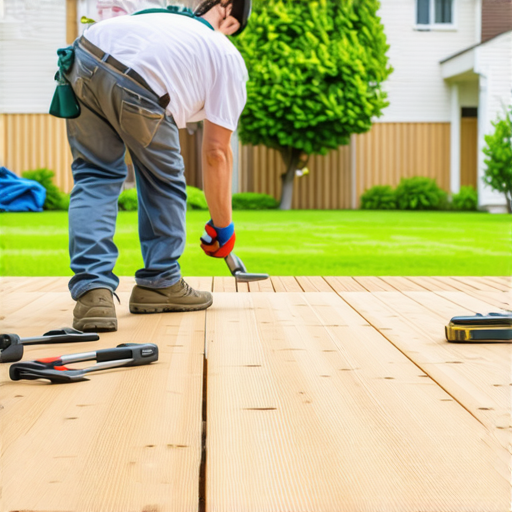

It was a typical Saturday afternoon when I stepped onto my deck, only to find shoes scuffed, scratches in the wood, and just a dull sense of frustration. My backyard oasis, meant for gatherings and family fun, was already showing signs of wear after just a few seasons. That lightbulb moment hit me hard: I had rushed the materials, choosing beauty over durability for high-traffic areas. If you’ve ever experienced the sinking feeling of watching your deck degrade faster than expected, you’re not alone.
Why High-Traffic Areas Demand the Best Decking Materials
In Needham, our busy yards are hubs of activity—kids playing, friends chatting, barbecues sizzling. These constant footfalls put serious stress on your deck. Choosing the right decking material isn’t just about aesthetics; it’s about resilience and safety. A poor choice can lead to splinters, cracks, or even structural failure, risking injury and costly repairs. Based on my experience, investing in high-quality, durable materials assures your outdoor space remains inviting and safe for years to come.
Is Durability Always Worth the Extra Cost?
Early on, I made the mistake of skimping on quality to save some bucks. I learned the hard way—cheap materials deteriorate faster, leading to more frequent replacements. According to industry experts, the long-term savings from choosing premium decking options far outweigh the initial investment. For example, composite decking can stand up to Needham’s weather and foot traffic better than traditional wood, and it’s designed for easy maintenance. Curious about the best options? Explore our detailed guide on [composite colors perfect for shady Needham yards](https://deckbuildersneedham.com/best-composite-colors-for-shady-needham-yards) to match your deck’s style.
If you’ve faced similar dilemmas—whether you’re contemplating a new deck or renovating an existing one—stay tuned. In the upcoming sections, we’ll explore top materials, their pros and cons, and insider tips to help you make informed decisions without second-guessing your choices.
Identify Durability Needs for Your Needham Deck
Start by assessing your yard’s foot traffic and weather conditions. For high-traffic areas, prioritize materials like composite decking or pressure-treated wood, which resist wear and require less maintenance. Recall the time I replaced a worn-out cedar deck with composite—results were stunningly low-maintenance and long-lasting, saving me hours of upkeep.
Choose the Right Material for Your Environment
Consider your yard’s shade, humidity, and exposure to salt or snow. For shaded areas, explore color options at this guide to find durable, fade-resistant composites. In my experience, avoiding woods like soft cedar in wet zones extended my deck’s lifespan significantly.
Evaluate Costs and Longevity
Balance your budget against the lifespan of your selected materials. While composite options seem pricey upfront, they often prove cost-effective over time. I once opted for pressure-treated wood, but rapid rotting after a few seasons proved costly; switching to IPE or composite could have been wiser. Use resources like cost comparisons to inform your decision.
Plan Your Installation Carefully
Prepare the site meticulously—remove debris, level the ground, and check for proper drainage. During my last project, I documented every step to avoid future issues. When installing new decking, consider using hidden fastening systems for a cleaner appearance and increased safety. I found that pre-assembling parts on the ground streamlined the process and reduced mistakes.
Prioritize Safety and Accessibility
Incorporate features like multiple exits and sturdy railings during installation. For safety, I added custom gates, referencing this guide. Ensuring robust connections and the correct railing heights prevented hazards. Test your structures for wobbliness before finalizing; I caught a loose post that could have been dangerous.
Protect and Seal Your Finished Deck
Once installed, shield your deck against the elements with quality sealers. Initially, I neglected sealing, leading to faster fading and cracking. Consult recommendations and apply evenly with a brush or sprayer. Regular maintenance extends your deck’s aesthetic and structural integrity, as detailed in seasonal care tips.
Many homeowners and even some professionals believe that selecting the toughest materials guarantees a long-lasting deck. However, the real expertise lies in understanding the subtle factors that influence durability beyond just material choice. For instance, many assume that pressure-treated wood is always the best for Needham’s climate, but this overlooks critical aspects like proper sealing and installation techniques that prevent decay. Over time, neglecting these nuances can lead to costly repairs or premature failures.
One common myth is that premium composites require no maintenance. In reality, even high-quality composite decking benefits from regular sealing and cleaning, especially to protect against fading caused by sunlight exposure. According to industry experts, applying a suitable sealer such as [these recommendations](https://deckbuildersneedham.com/best-2026-deck-sealers-for-pressure-treated-wood) can extend the lifespan of your deck significantly.
A significant trap many fall into is the belief that a fast installation is always the best route. Rushing the process often results in overlooking critical steps like proper drainage slope or secure fastening systems. For example, hidden fastening systems, which are often promoted for their aesthetic appeal, also protect your deck from water infiltration—a common cause of rot—in the long run. You can learn more about why you should consider adopting these fasteners [here](https://deckbuildersneedham.com/why-hidden-clips-are-the-future-of-composite-decking).
When planning your project, understanding the importance of detailed inspection and precise execution is vital. Skipping phases such as site prep or miscalculating load capacity may seem inconsequential initially but can lead to structural issues down the line. For advanced builders, asking, “Am I accounting for all environmental stresses specific to Needham?” can elevate the quality of your work. This includes considering factors like humidity, frost heave, and local pests.
Remember, mastering these nuanced aspects of deck building isn’t just about avoiding mistakes—it’s about delivering a resilient, safe, and beautiful outdoor space that stands the test of time. Have you ever fallen into this trap? Let me know in the comments. Want to dive deeper? Check out our comprehensive guide on seasonal deck maintenance to keep your deck in top shape all year round.
Keep Your Decks Working Smarter, Not Harder
Maintaining a Needham deck requires the right tools and practices to ensure longevity and safety. Over the years, I’ve refined my toolkit to include specific equipment that not only speeds up the upkeep but also guarantees quality results. One staple in my arsenal is a high-grade cordless drill with variable speed settings. It allows me to tighten fasteners meticulously and reduces the chance of damaging materials, especially when working with composite or pressure-treated wood. Personally, I prefer models with lithium-ion batteries because they last longer and hold charge through extended projects.
Precision Matters: The Power of Impact Drivers
Impact drivers have become indispensable for replacing loose deck fasteners or installing new components. Unlike traditional drills, they deliver concentrated torque with minimal effort, making the process more efficient. I use mine for installing hidden fastening systems, which I highly recommend for a sleek, safe finish. The hidden clip system aligns perfectly with my emphasis on low-maintenance, high-quality decks.
Software That Keeps Projects on Track
When planning long-term deck maintenance, I leverage digital tools such as project management apps to set reminders and organize repair schedules. Apps like Trello or Asana help me track tasks like sealing, screw tightening, or checking for structural decay. Additionally, I use design software to simulate aesthetic upgrades or verify structural modifications, ensuring every detail meets safety standards. For example, incorporating contractor-focused planning tools streamlines large renovation projects and minimizes costly oversights.
Invest in Quality Maintenance Equipment
A good quality pressure washer, for instance, ensures deck surfaces are cleaned thoroughly without causing surface damage—a common concern with lower-end models. I opt for models with adjustable pressure settings and wide spray patterns, ideal for delicate composite boards or aged wood surfaces. Proper cleaning is essential before applying sealers like those discussed at this resource. Using the right equipment can extend your deck’s life and keep it looking great year after year.
How Do I Maintain Tools Over Time?
Regular maintenance of your tools is crucial. Cleaning impact drivers and drills after each project prevents corrosion. Storing tools in a dry environment and periodically checking for worn parts prolongs their lifespan. Additionally, calibrating digital devices ensures measurements stay accurate, vital for precise repairs or upgrades. As experts emphasize, seasonal maintenance routines include tool upkeep, which ultimately protects your investment in your backyard paradise.
Looking ahead, I predict that technological advancements like cordless battery innovations and AI-driven project planning will further simplify deck maintenance. Embracing these tools now positions you for more efficient, long-lasting results. Don’t hesitate—try upgrading your impact driver with a model that features brushless motors for more power and longevity, as recommended by industry pros.
The Hardest Lesson I Learned About Deck Builders Needham
Choosing the cheapest materials upfront may seem tempting, but it often leads to costly regrets. I discovered that investing in high-quality, durable decking materials not only saved me money in the long run but also kept my backyard safe and beautiful. Patience and research are vital when selecting the right materials for high-traffic Needham decks.
3 Myths About Deck Builders Needham That Held Me Back
Many believe that composite decking requires no maintenance or that pressure-treated wood is always the best choice. I learned that even premium composites need regular sealing, and understanding your specific environment is key to making the right decision. Challenging these myths can dramatically improve your deck’s lifespan and appearance.
What Experts Won’t Tell You About Deck Builders Needham
While it’s common to focus on materials, experts emphasize the importance of proper installation and maintenance techniques. Small details like drainage slope, hidden fasteners, and seasonal sealing make all the difference. Paying attention to these nuances transformed my deck from average to extraordinary, ensuring longevity and safety.
My Essential Toolkit for Maintaining Your Needham Deck
Quality impact drivers with brushless motors and cordless drills with lithium-ion batteries are game-changers. Paired with a reliable pressure washer that offers adjustable settings, these tools make cleaning and repairs efficient. Regular tool maintenance, like cleaning and proper storage, keeps my toolkit ready for any deck project.
Books That Changed How I View Deck Building and Care
A few insightful books on decking materials, installation, and seasonal maintenance broadened my perspective. They provided best practices and innovative ideas, making me more confident in tackling upcoming projects. I highly recommend exploring resources that combine technical details with practical tips for Needham homeowners.
Your Turn to Try — Elevate Your Deck Game
Building or renovating a deck requires thoughtful planning, quality materials, and attention to detail. With the right approach, your outdoor space can become a stunning, enduring retreat. Don’t be afraid to implement what you’ve learned and customize your deck to fit your needs. Remember, a well-maintained deck boosts your home’s value and your happiness in your Needham backyard.