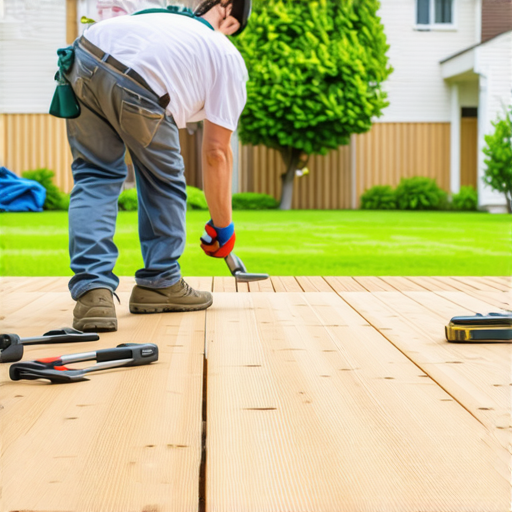
It was a sunny weekend when I finally decided to upgrade my old backyard deck. Eager to breathe new life into the space, I ordered a premium mahogany planking, dreaming of that deep, rich hue and durable finish. But as I began assembling the materials, I hit a nerve-wracking snag—fasteners. I realized that choosing the right fasteners isn’t just about holding things together; it’s about ensuring that your beautiful deck stands the test of time, weather, and wear.
That realization was my lightbulb moment. I had always thought all screws and nails were created equal, but my experience quickly proved otherwise. Incorrect fasteners lead to squeaks, visible rust stains, and even structural failures down the line. If you’re planning a mahogany deck, your choice of fasteners can make or break your project—literally.
Today, I promise to share the insights I’ve gathered to help you avoid the rookie mistakes I made early on. We’ll explore the best fasteners to use, the materials that last, and how choosing the right hardware can save you headaches and money in the future.
Why Fastener Choice Is Critical for Mahogany Decks
Mahogany is renowned for its beauty and longevity, but it’s not invincible. Its dense, oily nature can pose challenges when it comes to fastening. If you’re not careful, your deck may develop issues such as loose boards, corrosion stains, or warping over time. That’s why I believe selecting the appropriate fasteners is a crucial step—perhaps the most critical one—to preserve your investment.
You might wonder, “Are all fasteners created equal?” The short answer is no. For mahogany, opting for stainless steel or hot-dipped galvanized fasteners can significantly extend your deck’s lifespan. These materials resist rust and corrosion better than plain steel, especially in humid or coastal areas like those around Needham. In fact, a study by the National Association of Home Builders highlighted that stainless steel screws are the best for moisture-prone environments, helping prevent staining and deterioration.
But it’s not just about rust resistance. The type of fastener also matters—whether you choose nails, screws, or hidden fastening systems. I learned the hard way that using nails for decking can lead to loosening and squeaks. Conversely, installing with premium screws provided a tight, squeak-free surface that remained stable over the years.
Have you ever faced deck boards popping up or fasteners rusting prematurely? If yes, you’re not alone. These common issues stem from choosing the wrong fasteners in the first place. To avoid this, I recommend doing a little homework before your project—think of it as a small investment that will pay off in longevity.
In upcoming sections, I’ll walk you through the specific fastener types, installation tips, and how to ensure your mahogany deck remains stunning and solid for years to come. Ready to dive into the nuts and bolts? Let’s get started.
Choose the Right Fasteners for Durability
Start by selecting stainless steel or hot-dipped galvanized screws designed for outdoor use. I vividly remember my first attempt, where I used plain steel nails—within a year, they rusted and stained the mahogany, causing discoloration. To avoid this, always opt for fasteners specifically rated for weather resistance, aligning with industry recommendations.
Opt for Hidden Fastening Systems
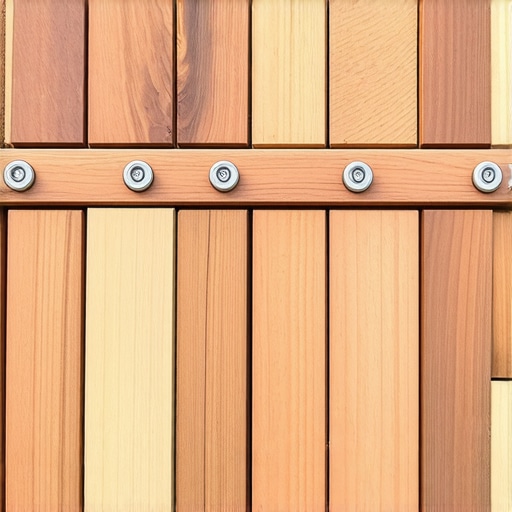
Using hidden fasteners not only provides a sleek appearance but also reduces weather exposure. I installed a hidden clip system on my deck, which required pre-drilling and precise placement. The result was a virtually seamless surface that resisted squeaks and kept moisture at bay—a significant upgrade over traditional face-nailed boards.
Pre-Drill Holes for a Clean Finish
Pre-drilling prevents wood splitting, especially critical with dense mahogany. I learned this during a late-night session when a board split, leading to a re-do of the entire section. By marking drill points carefully and using appropriate drill bits, you ensure a tight fit and minimize damage.
Spacing Is Key to Prevent Warping
Maintain standard spacing—around 1/8 inch—between boards to allow expansion and contraction. During my project, neglecting this caused buckling in humid weather. Using spacers during installation helped maintain consistent gaps, keeping the deck flat and attractive over time.
Secure Fasteners Properly for Longevity
Drive screws flush to surface, avoiding over-tightening, which can damage the mahogany. I used a cordless drill with a depth limiter, ensuring consistent depth and preventing head protrusions that could trip foot traffic or trap moisture.
Wrapping It Up
Applying these practical steps, I transformed my deck into a stunning and enduring outdoor space. The difference in stability and appearance was immediate and enduring. For more tips on keeping your entire deck safe, check out checking your deck posts for stability and learn how proper fastener choices tie into overall safety and longevity.
Many homeowners assume that following basic guidelines guarantees a successful deck project, but experts in Needham know there’s more beneath the surface. A common myth is that choosing standard hardware is sufficient; however, overlooking the nuances of material compatibility can lead to rust stains, warped boards, or even structural failure over time. For instance, some believe that galvanized nails are enough, but in humid environments, stainless steel fasteners outperform them dramatically, preventing costly replacements later—according to the National Association of Home Builders.
Why do some deck projects falter despite proper planning?
Often, the culprit lies in underestimating the importance of airflow and expansion gaps. Many skip proper spacing, resulting in buckling when humidity rises. This is a sophisticated detail frequently ignored by novices but is vital for longevity. Additionally, neglecting the condition of existing foundation posts poses serious risks. If posts are uneven or compromised, the entire deck’s stability is at stake, which is why regular inspections are crucial. To ensure your deck remains safe and durable, consider consulting reliable resources like checking your deck posts for verticality and stability. Remember, the devil is in the details—advanced builders double-check fastener types, pre-drill carefully, and plan for seasonal expansion. Don’t fall prey to the misconception that deck building is purely assembling components; it’s an intricate craft that requires expertise. Have you ever fallen into this trap? Let me know in the comments. Staying vigilant about these nuances can save you time, money, and safety concerns in the long run.Keeping your deck in excellent condition over the years requires more than just routine cleaning; it demands the right tools, a good maintenance strategy, and knowledge of long-term care. For homeowners in Needham aiming to preserve their investment, understanding the best equipment and methods is vital. One tool I swear by is a high-quality cordless drill equipped with multiple driver bits, which makes tasks like tightening loose fasteners or installing new hardware much easier and more precise. Additionally, a digital moisture meter helps detect hidden moisture levels within the wood, preventing rot before it visibly appears. These tools have revolutionized my maintenance routine, enabling proactive care rather than reactive repairs.
Regular inspections are crucial for early detection of issues such as loose boards or rusting fasteners. I recommend scheduling a thorough check of your deck’s stability and structure at least twice annually. During these inspections, use a reliable level and a telescoping post level to assess vertical and horizontal alignment, especially for posts and railing systems. This approach ensures that any shifting or settling is addressed before escalating into costly problems. For example, I use a laser level for quick, accurate measurements across large surfaces, which makes spotting unevenness a breeze.
To simplify ongoing maintenance, I’ve adopted a routine of applying penetrating oil-based sealants to exposed wood surfaces every two years. This not only enhances the deck’s resistance to weathering but also enhances its appearance. For areas prone to moisture accumulation, such as near planters or shaded corners, using a quality waterproofing membrane can provide an extra layer of protection—these are worth the investment for ensuring longevity.
Looking ahead, the trend in deck maintenance points toward smart, sensor-based systems that can monitor humidity, temperature, and structural integrity in real-time. While these are currently more common in commercial settings, affordable consumer-grade versions are starting to appear, offering homeowners a proactive way to care for their decks.
How do I maintain a deck over time? The key is combining regular visual inspections with preventive measures like sealing, fastener tightening, and moisture control. Incorporating these practices into your routine will save you money and frustration in the long run. If you want to dive deeper into structural safety, checking your deck posts for verticality and stability regularly is fundamental—see how to do it effectively on [this page](https://deckbuildersneedham.com/checking-your-deck-posts-for-verticality-and-stability).
For a final tip, invest in a cordless impact driver; it’s a game-changer for quickly securing fasteners during maintenance or upgrades. Not only does it reduce your effort, but it also ensures a consistent torque level, which is critical for preserving the integrity of your deck over many seasons. So, I challenge you to try this advanced tool on your next maintenance day and notice how much smoother and more professional your upkeep can become.
The Hardest Lesson I Learned About Deck Builders Needham
One of my biggest takeaways was realizing that not all fasteners are created equal—especially when dealing with mahogany’s unique properties. Skimping on quality or overlooking material compatibilities can lead to years of headaches, from rust stains to structural issues. It’s a reminder that investing in the right hardware isn’t just about aesthetics; it’s about safety and longevity.
Three Myths About Deck Builders Needham That Held Me Back
I used to think that any galvanized screw would suffice in humid areas like Needham. Wrong. I found that stainless steel fasteners outperform galvanized ones significantly over time, preventing unsightly stains and deterioration. Dispelling this myth saved me from future repairs and costly replacements, and it can do the same for you.
What Experts Won’t Tell You About Deck Builders Needham
Many overlook the importance of pre-drilling and proper fastener spacing. These small steps can dramatically extend your deck’s lifespan. I learned this the hard way—boards splitting, warping, or squeaking soon after installation. Paying attention to these details ensures your deck remains a safe and stylish space for years to come.
My Essential Toolkit for Mahogany Decks
Equipping myself with quality tools like a cordless impact driver and a moisture meter transformed my maintenance routine. These tools help secure fasteners correctly and monitor internal moisture, catching issues before they escalate. Having reliable equipment is an underrated key to a durable deck.
Where to Go from Here
If you’re serious about building or maintaining a top-tier mahogany deck, check out resources like checking your deck posts for stability regularly. Staying vigilant and informed makes all the difference—your outdoor space deserves it.
Have you ever struggled with selecting the right fasteners or faced issues with rust or loosened boards? Share your experiences below—I’d love to hear what challenges you’ve faced and how you’ve overcome them.