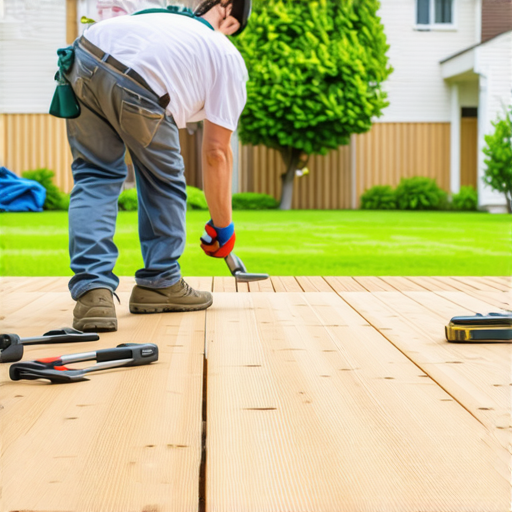
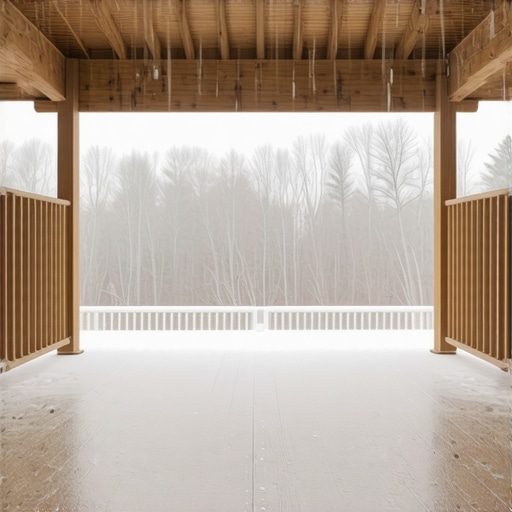
One cold winter evening, I looked out my window and saw the first snowfall gently settling on my deck, revealing a problem I hadn’t fully appreciated before. That quiet snowfall turned into a wake-up call—my deck, already showing signs of age, was vulnerable to the relentless snowstorm. It hit me hard: if I didn’t act quickly, I could wake up to a warped, cracked, or even unsafe deck come spring.
As a homeowner and outdoor enthusiast, I realized that protecting my deck during a snowstorm isn’t just about clearing snow; it’s about preventive care, weather-proofing, and knowing what works best. Today, I want to share my personal experience and guide you through the most effective ways to shield your deck from winter’s worst. Whether you’re dealing with heavy snow or freezing rain, a bit of preparation can save you hundreds later on.
The First Step Toward a Snow-Resistant Deck
Are You Wasting Time on Ineffective Methods?
I made a crucial mistake early on—using a plastic tarp that was too thin and a broom that scratched my deck boards. That was a disaster. Not only did I waste effort, but I also damaged my surface. It’s easy to get overwhelmed when facing winter without a plan, but knowing the right materials and techniques is game-changing. For example, I learned that using a soft snow rake and keeping the deck free of debris helps prevent moisture buildup and ice formation, crucial for avoiding structural damage. If you’re unsure where to start, check out this resource on *the importance of professional deck safety checks*, which can identify and fix potential issues before winter hits.
Now, let’s get into the specifics of protecting your deck during those brutal snowstorms—so your spring renewal isn’t marred by avoidable damage.
Prepare Your Deck with Protective Barriers
Apply a Weather-Resistant Sealant
Start by cleaning your deck thoroughly to remove dirt, debris, and mold; then, apply a high-quality weatherproof sealant designed for wood or composite materials. This creates a barrier against moisture, preventing water from seeping into the surface and causing warping or cracking during freeze-thaw cycles. I once spent a weekend sealing my deck, and come spring, I was glad I did—there were no signs of damage despite a harsh winter.
Install a Durable Snow Shield
Next, consider adding a protective screen or shield if your deck is exposed to frequent heavy snowfall. It can be a custom-fit tarp or a low-profile canopy that deflects snow and ice accumulation. During a particularly brutal February, I rigged a temporary canopy using sturdy tarp material; although not perfect, it significantly reduced snow buildup, making snow removal easier and safer.
Efficient Snow and Ice Removal Techniques
Use the Right Equipment
Replace standard brooms and plastic shovels with a snow rake with a soft, non-abrasive head or a plastic snow shovel to prevent scratching the surface. Remember, harsh tools can damage your deck’s finish, leading to costly repairs. I once used a metal shovel and regretted it—scratching and exposing wood fibers that absorbed water—so I learned my lesson quickly.
Remove Snow Promptly
Clear snow regularly to prevent ice formation, which can be especially damaging by adding weight and moisture. Focus on clearing the snow before it gets too deep; a heavy load can warp the decking. I established a routine of nightly snow removal during heavy storms, which kept my deck in prime condition and eliminated the risk of a dangerous ice slab forming.
Tackle Ice Buildup Effectively
Avoid Salt That Corrodes
If ice persists, use de-icing products formulated for decks, like calcium magnesium acetate, instead of harsh salts like sodium chloride, which can degrade the material over time. In my experience, giving ice a gentle melt with eco-friendly de-icers minimizes long-term damage.
Apply Ice-Preventive Measures
Use mats or heated cables specifically designed for outdoor decks to prevent ice formation. These solutions cost more upfront but save effort and protect your deck’s integrity. Last winter, I invested in heated cables, and melting ice became a breeze—saving me from potential surface damage and slips.
Leverage Professional Support When Needed
Schedule Regular Inspections
Engage experts to perform maintenance checks before winter begins. They can identify vulnerable spots and recommend targeted reinforcement—like sealing cracks or reinforcing joists. I hired a professional for a comprehensive deck safety check, which uncovered a minor crack that I sealed right away, preventing future disaster. Check out this resource on deck safety checks for more insights.Many homeowners assume that hiring a deck builder is a straightforward task—choose any professional, and your project will be flawless. However, from my experience, there’s a common misconception that can lead to costly mistakes: the belief that all deck builders are equally skilled and reliable. In reality, there’s a subtle nuance often overlooked—the importance of evaluating a builder’s expertise through their specialized knowledge of local conditions and advanced techniques. For instance, understanding the specific climate challenges in Needham, such as heavy snow loads and freeze-thaw cycles, can make a significant difference in the durability of your deck. Relying solely on general contractors or low bids might prevent you from accessing the latest methods like epoxy reinforcements or advanced waterproofing, which are crucial for long-term performance. Moreover, many assume that a typical assessment suffices when, in fact, a professional deck survey can uncover structural issues that could compromise safety later. Skipping this step may lead to unexpected repairs or hazards when harsh New England winters arrive. An essential myth is that DIY repairs or amateur advice can substitute for professional expertise—this can cause more damage and expenses down the line. For advanced deck maintenance, experts emphasize regular inspections and specific reinforcements, especially around joven vulnerable areas, which many homeowners neglect. The key is to recognize that expertise isn’t just about aesthetic design but includes mastery of structural integrity and weatherproofing strategies tailored for local conditions. As highlighted in this resource on *the importance of professional deck safety checks*, such evaluations are worth the investment for peace of mind and longevity. To avoid falling into the trap of underestimating the complexity, always verify credentials, ask about specialized techniques like composite fascia installation, and prioritize experienced local professionals. Remember, a well-constructed deck isn’t just about appearance but about resilience against unforeseen challenges—especially in climates like Needham’s. Have you ever fallen into this trap? Let me know in the comments.Maintaining your deck’s functionality over time requires the right equipment, consistent practices, and an understanding of what truly works. I personally rely on a few specialized tools that have proven their worth in my own deck maintenance routine. For example, I use a high-quality telescoping snow rake with a soft head, which allows me to remove snow without scratching the surface—something that traditional brooms or metal shovels can’t provide. This tool’s extendable design makes it easier to reach all areas, especially the harder-to-access corners, minimizing strain and ensuring thorough snow removal. Additionally, I swear by a moisture meter specifically calibrated for wood, which helps me assess the dryness level of my deck’s surface and underlying wood. Keeping the deck dry is crucial for preventing mold, mildew, and structural issues, especially during the damp Needham winters.
To address ongoing protective needs, I habitually apply a high-quality, weather-resistant sealant each spring, which I choose based on its UV protection and durability against freeze-thaw cycles. Applying this sealant with a sprayer allows for even coverage and saves time. For ongoing monitoring, I schedule professional inspections at least once a year, especially before and after winter, to spot potential problems early. Engaging experts from professionals like those at Needham-specific deck safety checks ensures that everything from structural stability to weatherproofing is addressed proactively.
Looking ahead, the trend leans toward integrating smart deck monitoring systems that can alert you to moisture levels or structural shifts via your phone. Although still emerging, these tools promise to make long-term deck maintenance more efficient and precise. As a homeowner, experimenting with a moisture meter or investing in a quality snow rake can dramatically prolong your deck’s lifespan and keep it working reliably through every season.
How do I maintain my deck over time? I keep a routine of seasonal inspections, use specialized tools like a telescoping snow rake and moisture meter, and stay informed about new technological innovations in outdoor maintenance. You might find that consistently using a high-quality sealant after winter, combined with regular professional assessments, offers the best protection. For detailed guidance on safeguarding your deck, check out this comprehensive resource on deck safety checks that I follow to ensure my deck remains stable and inviting year after year. By honing these tools and strategies, you’ll be well on your way to enjoying a durable, safe outdoor space for many seasons to come. Want to elevate your maintenance routine? Consider trying out a moisture meter so you can precisely gauge your deck’s dryness and intervene early before issues escalate.
Over the years, I’ve learned that winterizing your deck isn’t just a one-time task but a continuous process of learning and adaptation. Protecting your outdoor space during Needham’s snowy seasons can be rewarding, saving you future headaches and expenses. The key lies in combining personal experience with expert advice, ensuring you make informed decisions each year.
What truly sets apart the seasoned homeowner from the novice is the ability to recognize subtle signs of wear and act proactively. For instance, I discovered that small cracks in my deck’s surface, if left unchecked, could expand rapidly under freezing conditions. Regular inspections, tailored Sealant applications, and professional assessments have become integral to my winter care routine, extending the lifespan of my deck significantly.
Beyond the basics, embracing new practices such as smart moisture monitoring and considering eco-friendly de-icing options can dramatically improve your deck’s resilience. Remember, every winter you face is an opportunity to refine your approach, making your outdoor retreat safer and more inviting year after year.