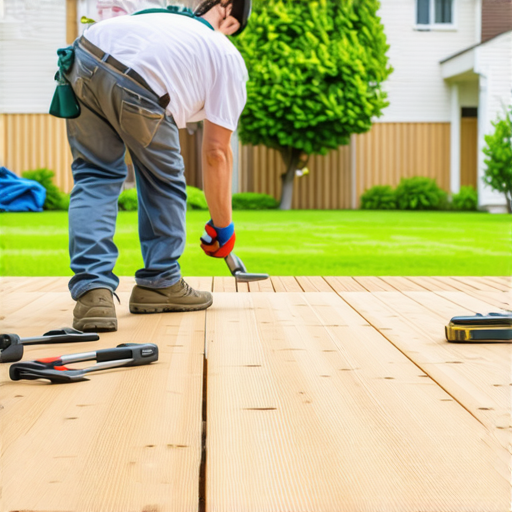

Have you ever stood on your deck, feeling a little uneasy as it creaks beneath your feet, wondering if it’s really built to hold up over time? I know I have. There was a moment during one summer BBQ that my deck wobbled just a bit more than it should have, and suddenly, I realized I was flying blind about one of the most critical aspects of deck safety—the load-bearing requirements. That lightbulb moment pushed me to dig deeper, but it wasn’t until I made a few costly mistakes that I truly understood the importance of this topic.
Why Deck Load Capacity Should Never Be Taken Lightly
When I first built my deck, I naively assumed that since it looked sturdy and was made from quality wood, it would automatically support everything I wanted—furniture, kids, even the grill. Boy, was I wrong. Neglecting fundamental load calculations is a common mistake, one that can lead to dangerous consequences or costly repairs down the line. According to the National Institute of Standards and Technology, improperly designed decks account for a significant number of failures each year, often resulting from underestimating load requirements.
Understanding the basics of load-bearing requirements isn’t just for engineers or professional builders—it’s vital for every homeowner. It ensures your outdoor space remains safe and functional for years to come. If you’ve ever wondered whether your deck can handle that new hot tub or a family gathering, stick around. We’ll explore what makes a deck structurally sound and how you can make informed decisions to keep your backyard safe and enjoyable.
Is overthinking load requirements overkill? My early mistake might surprise you
At first, I thought I could skip the detailed calculations and just trust that my deck was built ‘well enough.’ Turns out, I was wrong. During a project to add a built-in kitchen, I overlooked how much weight the structure could realistically support. This led to a deep dive into local building codes and some re-enforcing work—an expensive lesson in what can happen when you underestimate the importance of load requirements. If I had known then what I know now, I would have started with a thorough understanding of the floor and joist specifications, which are the backbone of any strong deck. Want to learn how to avoid my mistake and ensure your deck can handle your ambitions? Keep reading, because the next section will give you clear, practical steps to assess and meet your deck’s load demands.
Assess Your Current Deck’s Load Capacity
The first step is to evaluate what your existing structure can handle. Imagine your deck as a bridge—if you don’t know how much weight it was designed to support, you risk structural failure. To start, measure the span and thickness of your joists, which are the main support beams. Use a level and measuring tape to verify that they meet local building standards. During my project, I found a slight sag in one joist and decided to replace it rather than risk future issues. This proactive step saved me from potential collapse during a large family gathering.
Calculate Expected Loads Based on Usage
Next, determine the live load—the weight of furniture, people, and items like hot tubs or grills. For example, a hot tub typically adds 1000 pounds or more, requiring thicker joists or additional support. Static loads, like built-in seating or planters, are ongoing weights, while dynamic loads vary with use. I wanted my deck to host summer barbecues and a hot tub, so I used the industry-standard load calculator to confirm my design would support this expected weight comfortably. This prevented costly reinforcement later and ensured safety.
Understand Material Strength and Limitations
Different materials have varying load capacities. Pressure-treated pine is common but less strong than cedar or composite options. My experience with reclaimed cedar showed it held up well under heavy loads, but only when properly treated and installed. When selecting materials, always refer to manufacturer specifications and local building codes. Cross-referencing my material choices with sun exposure effects helped me choose the right stain to maintain wood strength over time.
Calculate Joist Size and Spacing
This is the core of load capacity—larger and closer-spaced joists carry more weight. Think of joists like beams of a ship: thicker beams support more, and spacing determines how weight is distributed. I used a span chart for my area to select 2×8 joists spaced 16 inches on center, providing a safe margin for my planned hot tub and furniture. For a DIY check, I referred to a joist repair guide to ensure my existing supports met these specifications before adding new elements.
Design Reinforcements When Necessary
If calculations indicate marginal support, reinforce the structure with additional beams or ledger boards. I added blocking between joists and sistered some weakened ones to increase overall support. During my project, I also reviewed the supporting features to ensure they didn’t compromise load capacity. Proper reinforcement prevents sagging and extends the lifespan of your deck while keeping everyone safe.
Consider Future Load Changes
Anticipate how your deck use might evolve. Will you add more furniture, a hot tub, or host more guests? Planning for increased loads now saves the hassle of future renovations. I decided to upgrade my joists slightly above the minimum required, following advice from local experts, to accommodate additional features planned for next summer. This foresight ensures your deck remains both beautiful and safe, regardless of changing needs.
When it comes to selecting a deck builder in Needham, many homeowners rely on surface-level qualities like price or aesthetics, but there’s a crucial nuance often overlooked: the builder’s depth of expertise in structural nuances and local code compliance. While most assume a reputed company simply knows how to assemble a pretty deck, in my experience, what sets the truly experienced apart are their subtle technical choices—like correctly reinforcing joist hangers or understanding sun exposure’s impact on materials. A common myth is that all builders are equally equipped to handle complex designs or unexpected challenges, but the truth is that advanced knowledge and meticulous attention to detail often make the difference between a safe, long-lasting deck and one riddled with future issues. For example, during a project, I met homeowners who faced significant problems because their builders underestimated the importance of proper ventilation under a low-profile deck—something that experts emphasize for durability on sites like Needham. Cutting corners here might save money initially but can lead to expensive repairs down the line. An additional pitfall many fall into is trusting just a local reputation without verifying their technical credentials—like familiarity with the latest building codes or eco-friendly materials. Have you ever fallen into this trap? Let me know in the comments.
What advanced pitfalls do homeowners often overlook when hiring a deck builder?
One key mistake is neglecting the importance of in-depth contract specifications covering material warranties, installation procedures, and post-build inspections. Leaders in the field recommend scrutinizing these details thoroughly, as outlined in Needham. Overlooking this can lead to unresolved issues and added costs. Moreover, many underestimate the significance of sustainable practices—such as sourcing kiln-dried KDAT wood to ensure longevity, or incorporating design elements that maximize airflow and reduce moisture buildup. These details, though seemingly minor, significantly influence the lifespan and safety of your deck. To be sure you’re making an informed decision, I suggest consulting resources like airflow considerations for low-profile decks or future-proof features. Remember, a routine inspection post-installation can preempt many structural issues, highlighting the importance of choosing a builder committed to quality over shortcuts. So, next time you’re planning a deck, go beyond the surface—delve into their technical expertise and commitment to quality craftsmanship to ensure your investment truly stands the test of time.
Keep Your Deck in Top Shape with Precise Maintenance Tools
Maintaining a durable and safe deck over time requires the right equipment and methods. Personally, I rely heavily on a high-quality digital moisture meter to monitor wood health, especially for evaluating sun exposure impacts on the longevity of my deck materials. This device helps me detect early signs of moisture intrusion or drainage issues before they become costly problems, aligning with recommendations found at Needham’s expert guides. Using a moisture meter regularly has allowed me to catch potential issues early and schedule timely repairs, enhancing the lifespan of my structure.
How do I maintain my deck over time?
Routine inspections using a detailed checklist are essential. I check for loose fasteners, stability of railing supports, and signs of wood decay. A cordless impact driver has become my go-to tool for tightening fasteners efficiently without damaging wood components. Coupling this with a natural wood cleaner and a quality stain—like those highlighted in Needham’s climate-specific stain guide—ensures your deck remains weather-resistant and vibrant. I also use a telescoping inspection mirror to check hidden or hard-to-reach areas, spotting issues like insect damage or rot early on.
Advanced maintenance methods you should try
For long-term results, investing in a power washer with adjustable pressure settings is invaluable. I set mine meticulously to avoid damaging surface fibers, enabling me to deep clean the wood without causing erosion. After cleaning, a thorough application of a high-quality sealer or stain, preferably eco-friendly, seals in the wood’s resilience. Modern tools like ultrasonic cleaning probes are emerging for precise detection of internal damage, though I haven’t personally adopted them yet, predicting that such tech will be standard in the next few years. Staying ahead of the trend, I recommend using a UV-protectant additive during your staining routine to prevent sun damage, a strategy proven effective at Needham’s expert insights. Consistent application of these advanced methods can cut down future repair costs significantly and keep your deck looking pristine.
Tools I recommend for maintaining your deck efficiently
Beyond the basics, I have found that a cordless detail sander is invaluable for smooth surface restoration—especially when dealing with minor surface splinters or prepping for staining. Additionally, investing in a quality, weatherproof digital timer helps schedule monthly maintenance routines, like reapplication of protective coatings, ensuring tasks aren’t overlooked. As technology evolves, I foresee a future where smart sensors integrated into decking materials monitor structural integrity and moisture levels in real-time, alerting us before issues become visible. Implementing current best practices now, like regularly using a moisture meter and high-quality stains, can extend your deck’s life and save money in the long run. I encourage you to incorporate a power washer into your routine—it’s a game-changer for cleaning without damaging your wood—ultimately making maintenance faster and more effective. For detailed guidance on exactly how to approach power washing safely, check out the Needham DIY guide. Start experimenting with these techniques today and experience the difference in your deck’s longevity and appearance.
The Hardest Lesson I Learned About Deck Builders Needham
One of my most eye-opening realizations was the importance of meticulous load calculations. I once trusted my instincts and overlooked precise measurements, leading to reinforcement work I hadn’t anticipated. This taught me that even small deviations can compromise safety, emphasizing the necessity for detailed planning before construction or upgrades.
3 Myths About Deck Builders Needham That Held Me Back
I used to believe that a local reputation guaranteed quality. However, I discovered that expertise in local codes and materials often makes the difference. Vetting builder credentials and asking for detailed plans is crucial to avoid costly mistakes and ensure lasting durability.
What Experts Won’t Tell You About Deck Builders Needham
Many professionals focus on aesthetics, but true craftsmanship involves understanding the structural nuances—like proper joist reinforcement and ventilation. Recognizing these hidden details ensures your deck isn’t just beautiful but also safe and resilient over time.
My Essential Toolkit for Deck Maintenance
Over the years, I’ve found that a quality digital moisture meter, impact driver, and weatherproof digital timer are game-changers. These tools enable me to monitor wood health, tighten fasteners efficiently, and keep routine maintenance on schedule, significantly extending my deck’s lifespan and safety.
Books That Changed How I View Deck Safety
Guides like seven essential inspection items have deepened my understanding of structural integrity. Investing time in these resources has empowered me to spot potential issues early, saving time and money while maintaining safety standards.
Your Next Move Toward a Safer Deck
Remember, every well-built deck starts with knowledge and careful planning. Don’t wait until problems arise—use these insights to assess and improve your outdoor space today. Your efforts will reward you with countless safe, enjoyable moments with family and friends. How will you start applying these lessons in your backyard? Let me know below!