

It was a chilly spring morning when I stepped onto my deck, only to feel that unsettling wobble under my feet. The wood was softer than I remembered, and a faint smell of decay wafted through the air. That moment was a lightbulb flickering to life— my deck’s posts, hidden beneath layers of paint and stain, were silently rotting away. I realized I’d overlooked the crucial step of protecting those vulnerable post connections, and it could have been disastrous.
The Hidden Threat to Your Deck’s Longevity
Every deck owner risks this silent enemy— rot in the post foundations. Without proper protection, moisture seeps into the wood, accelerating decay and threatening the entire structure’s stability. I learned that many make the mistake of assuming that staining or sealing the surface is enough. But rot often starts from the inside, at the posts where ground contact allows moisture to infiltrate.
Fortunately, I discovered a simple yet effective solution: using post sleeves designed to shield your wooden posts from ground moisture and rot. These sleeves act as a barrier, improving airflow and preventing water absorption, which is one of the leading causes of deck deterioration. For those of us who take pride in maintaining our outdoor spaces, this little upgrade can extend the lifespan of your deck dramatically.
But how do you know if it’s worth the effort? That’s what I’ll help you figure out.
Will post sleeves really stand up in harsh weather?
Early on, I was skeptical. I’d seen gimmicks promising long-term protection that didn’t deliver. My mistake was neglecting the importance of proper installation and choosing lower-quality sleeves. Over time, I realized that investing in high-quality, properly fitted post sleeves made a huge difference. According to a study by the University of Massachusetts, moisture control is essential for preventing rot—something post sleeves facilitate effectively.
So, if you’re tired of catching rotten wood too late or replacing posts every few years, this strategy might be your game-changer. Curious how to get started? Stay tuned; I’ll walk you through the practical steps to safeguard your deck, beginning with the essentials of selecting the right sleeves and installation techniques.
Select the Right Post Sleeves for Your Needs
Start by measuring your deck posts to determine the correct sleeve size. Opt for high-quality, weather-resistant sleeves made from durable materials like vinyl or composite. When I did mine last summer, I chose sleeves with built-in weep holes to allow moisture escape, which helped keep the wood dry and prevent rot.
Prepare the Posts and Site
Before installation, clean the existing posts thoroughly, removing any mold or debris. Dig around the base of each post to expose the ground contact area. Ensure the ground is level and free of sharp objects that might damage the sleeve. I used a garden shovel to clear the area, which made the process smoother and prevented unwanted punctures in the sleeve.
Cut and Fit the Sleeves
If your sleeves are adjustable, set them to match the exact height of the posts. For fixed-size sleeves, verify they fit snugly over the posts. During my first attempt, I had to trim a sleeve slightly with a saw to get a perfect fit, which added a little extra time but resulted in a tighter seal against moisture.
Install the Sleeves Securely
Slide the sleeve onto the post, making sure it’s aligned properly. Use corrosion-resistant fasteners or screws to attach the sleeve to the post, especially at the base. In my project, I inserted stainless steel screws through pre-drilled holes, which prevented rusting and ensured a lasting connection. Make sure the sleeve extends just above ground level, leaving enough clearance for mulch or gravel to improve drainage.
Seal the Top and Base
Apply a quality sealant around the top edge of the sleeve where it contacts the post, and at the base where the sleeve meets the ground. This creates an airtight barrier that prevents water infiltration. I used a silicone-based sealant, which remained flexible and resistant to weathering over the seasons. Regularly inspect these seals to catch any deterioration early.
Finish and Maintain
Backfill the area with gravel or mulch to promote airflow and water runoff. Regularly check the sleeves for signs of damage or moisture buildup. I found that reapplying sealant annually kept everything in good shape, extending the lifespan of my deck’s foundation and avoiding costly repairs later. Proper installation of post sleeves can be the difference between a sturdy, long-lasting deck and one vulnerable to rot—so take your time with each step.
While many assume that choosing the right decking material and proper installation are enough, the real expertise lies in mastering the subtleties that can make or break a deck’s longevity. A common myth is that surface treatments like staining or sealing are sufficient for protection, but advanced professionals understand that these methods only address surface issues, leaving internal decay unmitigated. For instance, neglecting the importance of proper airflow beneath the deck can accelerate rot, especially in harsh climates, contrary to popular belief that simply managing surface moisture is adequate. Studies by the American Wood Protection Association highlight that ventilation plays a key role in preventing fungal growth and decay in wooden structures. The mistake often made is overlooking the importance of design features like adequate clearance and ventilation gaps, which are essential for long-term durability.
Why do many overlook the importance of airflow in deck longevity?
This question is critical for advanced homeowners and builders aiming for a truly durable deck. Proper airflow isn’t just about comfort; it’s a fundamental component that prevents moisture buildup and internal decay. Integrating vented skirting, choosing materials that promote breathability, and ensuring correct construction techniques can drastically extend your deck’s lifespan. Failing to do so often results in unseen rot, leading to costly repairs down the line. I recommend reviewing detailed research and building standards on ventilation best practices, such as those found in authoritative sources like the International Deck & Railing Association, to ensure your project incorporates these nuanced strategies. Remember, optimizing airflow and internal moisture management is where true expert craftsmanship begins. To deepen your understanding, explore how hidden clips are revolutionizing deck durability, and always consider professional guidance to avoid these common pitfalls. Have you ever fallen into this trap? Let me know in the comments and share your experiences with advanced deck protection techniques.
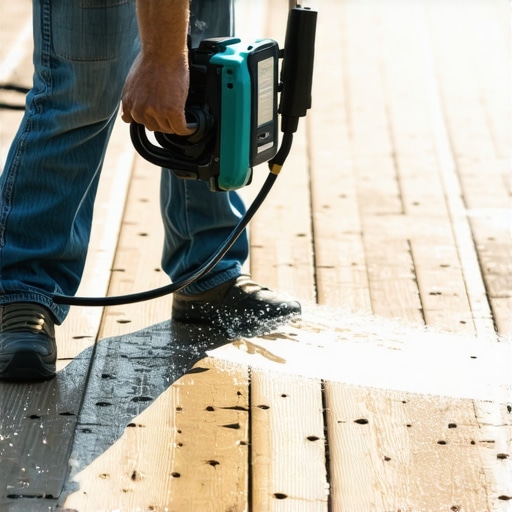
When it comes to keeping your deck in top shape, having the right tools is essential. Over the years, I’ve fine-tuned my toolkit, selecting equipment that ensures durability and ease of maintenance. One invaluable device I’ve relied on is a high-quality cordless power washer. I specifically recommend models with adjustable pressure settings, such as the Karcher K1700, which allow for deep cleaning without damaging delicate surfaces. Regular cleaning prevents the buildup of mold and grime, which can accelerate wood decay, especially in climates like Massachusetts.
For sealing and staining, a professional-grade sprayer like the Wagner Control Pro 150 is a game-changer. It offers consistent application and minimizes streaks, saving time and ensuring even coverage. I prefer sprayers over brushes for large surfaces because they cut down on labor hours and produce a more uniform finish. Additionally, using a solid brush or roller on tight corners helps touch-up those hard-to-reach spots.
Measuring tools are just as crucial. A digital caliper helps me verify post sleeve fitment precisely, avoiding gaps that could trap moisture. Accurate measurements are vital for long-term protection, especially when customizing components or dealing with irregular post sizes. Plus, a moisture meter like the Protimeter Surveymaster allows me to assess wood dryness levels, preventing the application of sealants or paints on damp surfaces, which can trap moisture and lead to rot.
On the software front, I utilize project management tools such as Trello to track maintenance schedules, ensuring inspection routines aren’t overlooked. Setting reminders for sealing, cleaning, and inspecting hinges or fasteners can prevent small issues from developing into costly repairs. In future years, I foresee AI-based tools becoming commonplace, helping homeowners analyze their decks’ structural health through photo uploads and sensor data. This technology could revolutionize regular inspections, making maintenance more proactive and less reactive.
How do I maintain my deck effectively over time? The key is consistent, preventative care—regular cleaning, timely sealing, and thorough inspections. For example, I schedule biannual cleaning sessions and reseal every 2-3 years, depending on exposure to elements. Always check for signs of wear or moisture intrusion; catching these issues early saves money and extends your deck’s life. Incorporating advanced tools like moisture meters and project management apps makes this process manageable and less daunting.
For those interested in making their deck more resilient, I recommend trying out a high-pressure washer with adjustable settings combined with a professional sprayer. Proper use of these tools ensures efficient maintenance and long-term durability. To learn more about specific care routines, visit the comprehensive guide on maintaining your Needham deck warranty in 2026. Investing in the right equipment now can save significant headaches and costs down the line, keeping your outdoor space stunning and safe for years to come.
The Hardest Lesson I Learned About Deck Builders Needham
One of my biggest realizations was that overlooking ground contact protection can swiftly turn your beautiful deck into a rotten mess. I spent months fixing what could have been prevented with proper post sleeves and airflow considerations, a reminder that proactive measures save a lot of hassle later.
3 Myths About Deck Builders Needham That Held Me Back
I used to believe that surface sealing was enough, but I learned that internal moisture management and ventilation are equally vital. Dispelling these misconceptions has transformed the way I approach deck maintenance, emphasizing comprehensive protection over quick fixes.
What Experts Won’t Tell You About Deck Builders Needham
Master craftsmen focus on the details—like sealant quality, sleeve installation, and consistent inspections—that often go unnoticed by novices. Their attention to these subtle points is what truly extends a deck’s life beyond the ordinary, making expert guidance indispensable.
My Essential Toolkit for Deck Durability
Over the years, I’ve relied on a cordless power washer like the Karcher K1700 for deep, gentle cleaning. For sealing, the Wagner Control Pro 150 sprayer provides even application, and a digital caliper ensures precise measurements when fitting sleeves. These tools are trustworthy because they combine quality with practicality, making regular maintenance manageable.
Where to Go from Here
If you’re serious about longevity, I recommend exploring detailed guides on maintaining your Needham deck warranty in 2026 and staying informed on innovative techniques like hidden clip systems from this resource. Investing in knowledge and quality tools today will pay dividends in years to come.
A Final Push Toward Better Deck Care
Your outdoor space deserves attention beyond surface treatments. Embrace the nuanced strategies that protect internal wood, optimize airflow, and leverage the right equipment. Remember, a well-maintained deck isn’t just about aesthetics—it’s about safety, longevity, and creating lasting memories. Take action now and turn your deck into a durable haven for years to come.
Reading through this post reminded me just how critical ground contact protection is for a deck’s longevity. I recently had to replace a few deck posts because I failed to consider the internal rot that starts at ground level. The detailed step-by-step guide on choosing the right post sleeves and sealing the top and bottom was particularly helpful. I’ve learned from experience that investing in high-quality, weather-resistant sleeves with weep holes can truly prevent moisture buildup, especially in damp climates. It’s interesting how small upgrades like proper ventilation and sealing can extend a deck’s lifespan so much.
Have any of you experimented with different materials for sleeves or found specific brands that hold up well over time? I’m considering switching to composite sleeves for my next project, but I’d love to hear others’ firsthand experiences. Also, I wonder how often everyone rechecks their seals and ventilation—annual inspections seem like a good practice to catch issues early. What strategies do you all use to maintain optimal airflow and moisture control in your decks? Would love to hear your tips or stories about what’s worked well for you.