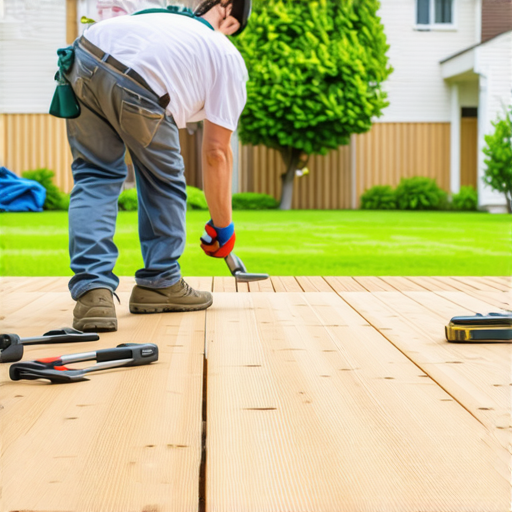
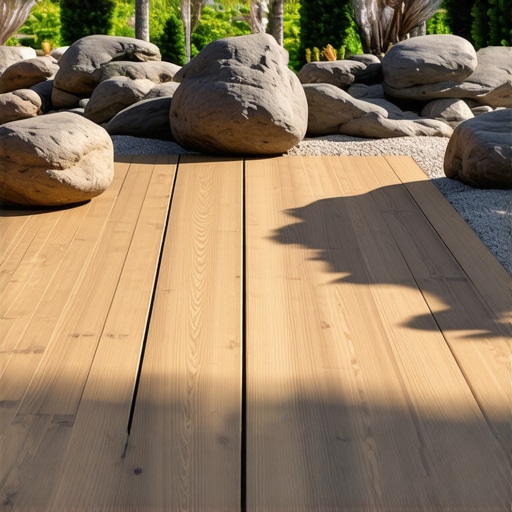
I remember the exact moment I realized my wooden deck was missing that extra touch. After a long summer of hosting barbecues and chasing my kids around, it hit me—my deck, while functional, looked a bit plain and uninspired. I wanted something more—something that could make the space stand out without sacrificing durability or style. That’s when I started exploring the idea of adding stone accents, and let me tell you, it was a game-changer.
Why Combining Stone and Wood Makes All the Difference
In my experience, blending natural stone with warm, inviting wood creates a timeless aesthetic that elevates any outdoor space. But I also learned that not all stone accents are created equal, and improper installation can lead to costly mistakes. Early on, I made the mistake of choosing lightweight stones without proper backing, which cracked and chipped over time. Trust me, I thought I was saving money, but in the end, I paid the price in maintenance and aesthetic setbacks. For more insights on avoiding common pitfalls, check out this guide on top DIY deck mistakes.
Will Stone Accents Really Stand the Test of Time?
That’s a question I had when I first considered adding stone. My biggest fear was that the accents would weather poorly or become an eyesore after a few seasons. But I discovered that with proper sealing and choosing the right type of stone—like natural granite or slate—you can achieve a durable, low-maintenance accent that lasts for decades. According to a study by the Science Daily, natural stone can withstand environmental stresses better than many other materials, making it an excellent choice for outdoor use.
Adding stone accents has transformed my deck from a basic platform into a stunning outdoor oasis. It’s about striking a balance—the warmth of wood with the rugged elegance of stone, creating a space that feels crafted and timeless. Ready to discover how to seamlessly incorporate stone accents into your own deck? Let’s dive into the practical steps to bring this vision to life.
Prepare Your Materials and Tools
Start by selecting high-quality natural stone like granite or slate for durability. Visit local suppliers — I found a great deal on quartz at the Needham building materials market — and choose stones with consistent thickness. Grab essential tools: masonry drill, chisel, level, mortar, and trowel. Think of it like building a puzzle, where each piece must fit perfectly to ensure stability and aesthetics.
Design Your Accent Placement
Sketch your deck layout, marking where stone accents will enhance visual appeal—perhaps around steps or along railing posts. I drew a layout on paper to visualize the design, focusing on creating a natural flow. Planning ahead prevents mishaps and ensures the accents complement your existing wood finish. For example, I decided to add a stone band along the deck perimeter for contrast, which instantly elevated the look.
Prepare the Surface and Foundation
Clear the areas where stones will be installed and ensure the underlying surface is level, clean, and dry. For uneven spots, use shims or a self-leveling compound. I had to scrape away loose debris and fill dips with concrete to create a solid base. Think of it as laying a firm foundation for a house—crucial for longevity. Proper preparation avoids future cracking or shifting of stones.
Cut and Fit the Stones
If needed, cut the stones to size using a masonry saw or chisel, making precise cuts for tight fits. During my project, I encountered a large slab that was slightly too wide, so I used a diamond blade to trim it accurately. Remember, a tight fit minimizes movement and enhances stability. Patience is key—rushing can lead to uneven cuts or cracks.
Apply Mortar and Install Stones
Spread a layer of mortar on the prepared surface with your trowel, then press the stone into place, ensuring it aligns with your design. Use a level to check that each piece is flush. I noticed that applying mortar in small sections helped me adjust the stones before it set, preventing uneven surfaces. Keep a damp sponge nearby to clean excess mortar immediately, preserving a clean finish.
Secure and Seal the Edges
After setting the stones, fill any gaps with additional mortar, and smooth the joints. Once the mortar cures—typically after 24-48 hours—apply a sealant to protect against weathering. I used a penetrating sealant specifically for natural stone, which kept the accents looking vibrant despite the rain and sun. sealing not only preserves the aesthetics but also extends the lifespan of your accents.
Maintain Your New Stone Accents
Regular cleaning with mild detergent and periodic resealing keeps your stone accents looking fresh. Check for any cracks or chips and repair promptly. I found that reapplying sealant every couple of years preserved the stone’s natural beauty, mimicking the resilience I admired in my initial materials. Proper maintenance ensures your investment continues to impress for decades.
Many homeowners approach hiring a deck builder with assumptions that can lead to costly mistakes. One widespread myth is that choosing the lowest bid always guarantees savings. In my experience, this approach often results in subpar craftsmanship or overlooked details, such as proper drainage or foundation work. Prioritizing quality over price can save you money and frustration in the long run. For instance, neglecting proper deck drainage—often underappreciated—can cause wood rot or structural issues down the line. Experts like those at Needham deck specialist emphasize that hardware quality plays a crucial role in durability.
What Advanced Factors Do Most Homeowners Overlook When Hiring a Deck Builder?
A common trap is underestimating the importance of local experience and knowledge of Needham’s specific climate and building codes. Not all contractors are equally versed in the nuances of local weather patterns, such as freeze-thaw cycles or humidity levels, which can significantly affect deck longevity. A reputable builder will account for these factors—like using pressure-treated wood or composite materials suited for Needham’s weather. Additionally, some forget to verify whether the builder’s license and insurance cover all aspects, including potential pest infestations or structural failures. Skimping on these verifications is risky and can leave you exposed to future liabilities. Research from industry leaders highlights that choosing a contractor with a deep understanding of regional environmental conditions ensures your deck withstands time and elements better than generic approaches.
To avoid pitfalls like improper foundation or drainage issues, it’s wise to consult specialized guides or reviews of local contractors—be it through dedicated resources or recommendations. For example, exploring Needham’s top-rated contractors can guide your decision. Never underestimate the value of upfront communication about project scope, materials, and timelines—clear expectations prevent misunderstandings that might compromise your deck’s integrity.
Have you ever fallen into this trap? Let me know in the comments!
How do I keep my deck working smoothly for years?
Maintaining a deck isn’t just about periodic cleaning—it’s about using the right tools and methods to extend its lifespan and ensure safety. From practical cleaning equipment to advanced repair kits, the right arsenal makes all the difference. I personally rely on select tools that have proven effective in my experience, and I recommend you consider them to keep your Needham deck in top shape.
Power Washers for Deep Cleaning
Every season, I start with a thorough cleaning using a high-quality pressure washer. I opt for models with adjustable pressure settings—such as the Sun Joe SPX3000—so I can safely clean without damaging the wood. A gentle but effective rinse removes dirt, mold, and algae, which are common issues due to Needham’s humid climate. Remember, gentle pressure preserving the wood’s integrity is vital; exceeding recommended PSI can cause splinters or gouges. Regular power washing prevents buildup that accelerates rot and decay.
Specialized Sealants to Protect Your Investment
After cleaning, applying a penetrating sealant is crucial. I recommend using the best deck sealers for 2026 to safeguard against weathering. In my routine, I apply sealant with a pump sprayer for even coverage, ensuring the wood remains resistant to moisture and UV damage, prolonging the deck’s beauty and safety. Keeping up with resealing every couple of years prevents costly repairs down the line.
LED Inspection Lights for Sneaky Repairs
Bright, handheld LED flashlights, like the Maglite ML300LX, are invaluable when inspecting joists, railings, and fasteners. Often, hidden damage occurs beneath the surface or in hard-to-reach areas. Regularly inspecting with strong illumination helps identify loose boards, rusted connectors, or mold growth early. Catching these issues quickly allows for simple repairs—like tightening screws or replacing damaged wood—before they escalate.
Investing in Quality Hardware and Repair Kits
From my experience, having a well-stocked repair kit makes emergency fixes straightforward. I keep a selection of deck screws—preferably the best screws for 2026—plus a cordless drill, a hammer, and a few handy brackets. High-quality hardware reduces the need for frequent replacements and ensures a secure and durable deck structure. Regular tightening of loose fittings preserves safety and appearance, especially after harsh weather.
Planning for the Future of Deck Maintenance
Looking ahead, technological innovations like smart sensors detecting moisture or structural shifts are emerging. According to a recent industry report, integrating these systems could revolutionize deck care by providing real-time alerts. While not mainstream yet, exploring such tools now can give you an edge in long-term maintenance, especially for larger or more complex decks.
Now is the perfect time to incorporate these advanced tools into your maintenance routine. For example, trying out a power washer with adjustable settings or sealing your deck with a top-rated sealer can dramatically improve longevity. These proactive steps help prevent issues before they become costly repairs, saving you time and money in the long run. Ready to make your deck maintenance more effective? Start by experimenting with a quality pressure washer and see the difference it can make in your routine.
Over the years, I’ve realized that elevating an outdoor space goes beyond just selecting the right materials; it’s about embracing the lessons learned through experience. My journey with adding stone accents to my deck taught me more than any tutorial ever could, especially when it comes to understanding what truly works in the real world. If you’re considering a similar upgrade, here are some insider insights I wish I had known from the start.
The Hardest Lesson I Learned About Deck Builders Needham
Never underestimate the importance of local expertise. When I initially chose my contractor, I focused solely on price, overlooking how crucial regional knowledge is—like understanding Needham’s unique climate and local building codes. Partnering with a builder experienced in our area prevented costly mistakes and ensured my deck’s longevity. For tips on finding reputable professionals, visit this guide to top local deck contractors.
Tools That Took My Deck to the Next Level
Investing in quality tools made all the difference. From a reliable masonry saw for trimming stones to a high-end pressure washer for maintenance, these tools have become my trusted allies. I personally swear by the best deck sealers of 2026 for protecting my stone and wood surfaces—these choices enhance durability and appearance significantly. Equipping yourself properly can turn a daunting project into a rewarding experience.
Building Confidence in Your Deck Journey
The most vital lesson is trusting your instincts and valuing quality over shortcuts. Incorporate durable materials, seek local expertise, and invest in the right tools—these steps ensure your deck becomes a cherished outdoor retreat. My hope is that your experience surpasses mine, leading to a space that not only looks beautiful but also stands the test of time. Remember, every great deck begins with a single, thoughtful decision. Ready to transform your backyard into a timeless haven? Let these insights guide your way.
Your Turn to Try
Have you ever faced unexpected challenges during your deck project? Share your stories and lessons learned below—I’d love to hear how you turned setbacks into success stories.