
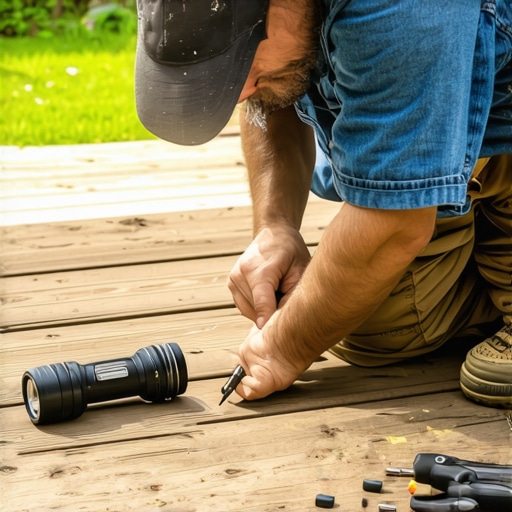
This past spring, I nearly lost my summer plans because I overlooked something crucial during my deck check—a simple, overlooked detail that could have led to costly repairs if left unattended. That moment was a lightbulb: even my trusty deck needs regular spring inspections. If you’re like me, you might hesitate, thinking, “Do I really need to check my deck ledger this year?” Well, the answer is a loud yes—every spring, without fail. Your deck ledger is the invisible backbone holding up your outdoor oasis, and neglecting it can turn your idyllic backyard into a hazard, or worse, an expensive repair nightmare.
Why Your Deck Ledger Deserves Your Attention Every Spring
After years of DIY projects and deck inspections, I’ve learned that the worst deck failures often hide in plain sight—under your deck, where the ledger sits. This crucial component is directly exposed to the elements, absorbing moisture, and over time, this can lead to wood rot, corrosion, or even structural failure. When spring arrives, especially in places like Needham where weather shifts from snow to rain quickly, it’s the perfect season to assess your ledger’s condition. If you skip this, small issues like loose or rusted bolts can escalate, threatening your safety and wallet. Taking a few minutes each spring to check and maintain your ledger can save you from major headaches, and it’s an investment in your peace of mind.
According to recent studies, approximately 60% of deck failures are related to ledger board issues—a startling statistic that underscores the importance of regular maintenance. Early detection of problems like wood rot or hardware corrosion can be the difference between a simple fix and a complete deck overhaul.
If you’re wondering whether you can ignore this task or if it’s really necessary—trust me, I’ve been there—I’m here to tell you that proactive inspection is always worth it. Do you face the challenge of identifying hidden problems in your deck? Well, you’re not alone. By adopting a routine deck ledger check every spring, you’ll extend the life of your deck, keep your family safe, and enjoy your outdoor space without unwelcome surprises.
Now, the next step is learning what exactly to look for during your spring inspection. Don’t worry—I’ve got your back. Let’s dive into the specific signs that indicate it’s time for repairs, and how to tackle them effectively.
Gather Your Tools and Prepare for Inspection
Start by collecting essential tools such as a flashlight, a pry bar, a level, a screwdriver, and safety gloves. Wearing gloves protects your hands, especially when handling rough or rotting wood. Before climbing onto your deck, clear the area of furniture and debris to have unobstructed access to the ledger board. This preparation ensures a smooth inspection process, much like preparing your workspace before a DIY project. I remember a time I neglected this step, leading to a scramble for tools mid-inspection—adding unnecessary frustration to an already critical task.
Many homeowners in Needham believe that hiring a deck builder is a straightforward task, but the reality is more nuanced. A prevalent misconception is that all deck builders are equally skilled or follow the same standards; however, in my experience, expertise can vary widely, especially when it comes to understanding the specific challenges posed by New England weather. For instance, some assume that using cheaper hardware is sufficient, but neglecting high-quality, weather-resistant fasteners can lead to premature structural issues. This ties into a common myth that deck maintenance is solely about aesthetic upgrades, while overlooking structural integrity—which, frankly, often causes safety concerns. Advanced mistakes like improper joist spacing or neglecting drainage considerations can cost thousands down the line. Have you ever fallen into this trap? Let me know in the comments.
Another hidden nuance is the assumption that DIY methods can replace professional inspections, especially for critical components like ledger boards. In reality, subtle signs of rot or corrosion are not always obvious but can be deadly over time. Experts advise periodic checks based on advanced inspection techniques that go beyond visual cues—such as moisture meters or acoustic testing. A study from the University of Massachusetts found that improper installation or overlooked deterioration can drastically reduce deck lifespan and safety. Therefore, choosing a contractor who prioritizes detailed assessments and understands local code nuances is vital. For example, ensuring your deck’s railing height complies with current 2026 standards isn’t just a formality; it’s a safety issue. To explore more about the importance of proper installation, check out [this guide on hiring licensed Needham contractors](https://deckbuildersneedham.com/how-to-hire-a-licensed-needham-contractor-for-repairs).
By recognizing these myths and nuances, you can better evaluate your deck project’s success. Remember, investing in expert guidance may seem costly upfront but pays dividends in durability and safety. If you’re interested in tips for making your deck more functional, consider exploring [designs to maximize deck space](https://deckbuildersneedham.com/3-custom-bench-designs-to-maximize-deck-space). Stay vigilant and proactive—your outdoor oasis deserves it!
Keep Your Decks Up and Running with Precision Tools
Maintaining a deck that endures Boston’s changing weather requires specialized tools that deliver real results. I swear by a high-quality moisture meter, like the Tramex MX5, because it allows me to detect hidden water infiltration in wooden components before visible damage occurs. Pair this with a sturdy pry bar to gently lift boards that may be warped or rotting, ensuring you don’t cause unnecessary damage during inspections. For sealing and staining, my go-to is the affordable staining tools because they make the job faster while providing professional finishes—saving both time and money.
To get a more accurate assessment of ledger board integrity, I recommend an acoustic testing device. It’s an advanced technique that pinpoints rot in areas where visual cues are minimal. These tools are especially valuable in Needham, where moisture tends to linger in shaded or poorly ventilated spots.
Invest in Software to Track Maintenance
Technological advancements now allow you to track your deck’s condition digitally. I use a simple app on my phone to log inspection dates, note problem areas, and schedule maintenance tasks. This systematic approach helps me stay proactive and avoids sudden surprises, contributing to a deck that lasts beyond the typical decade. As maintenance patterns become more data-driven, I believe we’ll see even smarter solutions—like sensors integrated into decking materials—to monitor moisture and structural health in real time.
Future Trends in Deck Maintenance
The coming years are likely to see a surge in smart deck systems that utilize IoT technology, providing real-time alerts about moisture buildup or hardware corrosion. Such tools will revolutionize the way Needham homeowners care for their outdoor spaces, making maintenance simpler and more effective.
How do I maintain my deck over time
Consistency is key. Regularly scheduled inspections using moisture meters and acoustic testers can catch issues early. Applying durable coatings with efficient tools like those found here ensures weather resistance. Don’t forget to check hardware and drainage systems periodically—slope and seal them properly to prevent water pooling. This proactive approach helps your deck withstand seasonal stresses and extends its lifespan. For example, installing solar railing lights not only enhances aesthetics but also signals ongoing maintenance, reminding you to keep everything functioning optimally.
If you’re ready to elevate your deck maintenance game, I recommend starting with moisture testing before the rainy season. It’s a simple step that can save thousands in repairs later. Remember, investing in the right tools means your outdoor oasis remains safe, beautiful, and functional for years to come.
How I Finally Learned to Trust My Gut During Deck Inspections
After many seasons of checking my deck, I realized that my best insights came from paying close attention to the smallest details—such as loose hardware or areas where wood appeared less vibrant. Relying solely on visual cues wasn’t enough; understanding the subtle signs of wear was a game-changer. This instinctual attention to detail is something I wish I’d embraced sooner, as it saves time, money, and keeps loved ones safe.
Revitalizing My Approach with Trusted Tools and Expert Advice
I discovered that investing in quality moisture meters and acoustic testing devices provided a deeper understanding of hidden damages. Combining these with guidance from seasoned Needham deck contractors means I can confidently spot issues early. A quick link to how to find reliable local professionals has helped me ensure my inspections are thorough and reliable.
A Vision for My Deck’s Future and Your Next Move
Moving forward, I’m committed to establishing a routine that combines high-tech tools with regular visual checks. My goal is a deck that not only looks great but also withstands Boston’s weather challenges. If you’ve ever hesitated on whether your deck needs attention, I encourage you to start today. It’s never too late to protect your outdoor space and create lasting memories with family and friends. Remember, proactive maintenance is a gift you give your home—so why not begin now? Have you ever struggled with knowing when to call in professionals or handled it all yourself? Let me know below, and let’s learn from each other’s experiences.