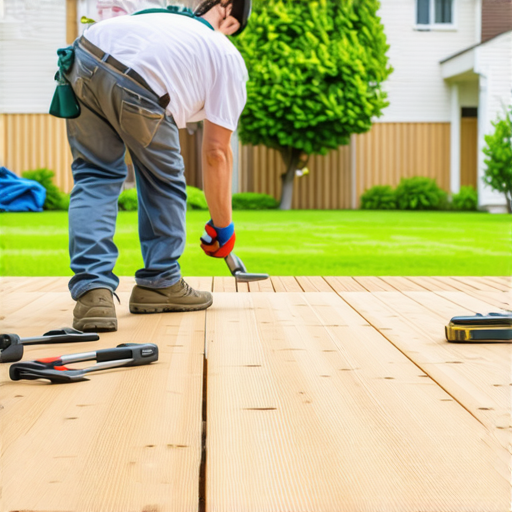

It was a sunny Saturday afternoon when I finally looked up at my deck railing and realized it needed more than just a quick wipe-down. The old, traditional balusters looked tired and, honestly, a bit unsteady. Suddenly, I felt a wave of frustration—why did I wait so long to update it? That moment sparked a lightbulb for me: Needham homeowners are increasingly turning to vertical deck railing, and for good reasons. Today, I’ll share what I’ve learned from personal experience and why this trend might be just what your outdoor space needs.
Transform Your Deck with Vertical Railing: The smarter choice
Is this new trend actually worth the hype?
When I first considered replacing my deck railing, I was skeptical. Would it be durable enough? Would it look modern? I made the mistake early on of choosing a style just because it seemed simpler without doing enough research. That’s a common pitfall—I almost settled for something that wouldn’t stand up to Massachusetts weather or last over time. But after speaking with local experts and exploring options like [the best deck railing ideas for a modern home](https://deckbuildersneedham.com/the-best-deck-railing-ideas-for-a-modern-home), I realized that vertical railings are not just aesthetically pleasing—they offer real advantages. They provide better safety, easier maintenance, and a sleek look that complements any modern home.
The shift towards vertical design isn’t just a flash-in-the-pan trend. According to industry reports, more homeowners are prioritizing safety features and low-maintenance materials—both of which vertical railing excels at. Plus, its straightforward installation process, often highlighted in step-by-step guides such as [how to install a stair stringer correctly](https://deckbuildersneedham.com/how-to-install-a-stair-stringer-the-right-way), makes DIY projects more manageable.
If you’ve been pondering whether to upgrade your deck railing, you’re not alone. Many Needham residents are realizing the numerous benefits—a resilient, stylish barrier that also adds value to their property. But I understand you might still be skeptical. Maybe you’re worried it won’t match your home’s aesthetic, or that installation will be complicated. Rest assured, I’ll walk you through everything in upcoming sections, so you can decide with confidence.
Have you faced issues with your current deck railing that make you think it’s time for an upgrade? If so, you’re in the right place. We’ll explore why vertical railing might just be the best decision you make this year—saving you money, time, and headaches in the long run.
Start with a Solid Blueprint
Before picking up tools, visualize what you want your vertical railing to look like. Measure your deck’s length and height carefully. Use a tape measure and a level to mark the positions for each post, ensuring even spacing for aesthetic balance. I remember when I measured mine, I realized I had to adjust for an uneven section, which I corrected by shimming the posts during installation.
Gather Essential Materials and Tools
Create a checklist including posts, fasteners, wood sealant, and a power drill. For durability, I chose stainless steel fasteners, especially given Massachusetts weather. Also, stock up on appropriate anchors if attaching to concrete or existing structures. Having everything ready before starting keeps the project flowing smoothly.
Install the Post Foundations
Begin by setting the posts into pre-drilled holes or brackets. Dig holes at marked points, keeping the depth consistent—about 36 inches in my case to withstand wind. Pour concrete into each hole, embedding the posts firmly. I used quick-setting concrete, which allowed me to adjust the posts within the first hour, preventing misalignment.
Attach Horizontal Supports for Stability
Connect the posts with horizontal rails or braces. Use a level to ensure each support is perfectly horizontal. Secure with corrosion-resistant fasteners. In my project, I made sure to check the support placement multiple times, as even slight deviations could make the entire railing look crooked.
Attach Vertical Slats or Boards
Securely fasten your chosen vertical elements between the horizontal supports. Use spacers for uniform gaps—about 3.5 inches apart. I use scrap wood as spacers; it speeds up the process and ensures neat spacing. Tighten all fasteners and double-check for wobbliness. During my first attempt, I accidentally skipped spacers, resulting in uneven gaps that I corrected by removing and repositioning the slats.
Seal and Finish the Railing
Apply a weather-resistant stain or sealant to protect the wood. For my deck, I chose a semi-transparent stain that enhanced the natural look. Follow product instructions for application and drying times. Regular maintenance, such as cleaning with the best deck cleaning products and reapplication of sealant, will extend your railing’s lifespan.
Finalize the Installation and Conduct Safety Checks
Walk along the railing, checking for loose fasteners and stability. Ensure all parts are securely attached and that the surface is smooth with no sharp edges—important for family safety. In my experience, testing the railing by applying light pressure can reveal weak points needing reinforcement. For added safety, consider installing additional safety features like caps or special coatings.
In my experience working with numerous Needham homeowners, a common misconception is that hiring a deck builder is simply about the lowest price or fastest turnaround. However, this approach often leads to costly mistakes and subpar results. The real nuance many overlook is the importance of craftsmanship, material selection, and adherence to local codes. For instance, opting for cheaper fasteners might save money upfront but can lead to corrosion and structural issues over time—especially with Massachusetts’s humidity and winter conditions. Experts like those at the National Association of Home Builders emphasize that quality installations require meticulous attention to detail and a deep understanding of environmental factors, something that inexperienced builders might lack. An advanced pitfall is neglecting to properly inspect or reinforce the existing structure before adding new components, which can cause safety hazards. This oversight often results in additional repairs down the line, increasing the overall cost and project timeline. Additionally, many mistakenly believe all composite and wood materials are equal—without considering durability, maintenance needs, or aesthetic compatibility with their home. As highlighted in industry analyses, choosing the right deck material and installation method can extend the lifespan of your deck significantly. A crucial step is verifying a builder’s expertise in local codes and recent projects to avoid compliance issues and ensure a professional finish. Are you aware of the subtle nuances that can make or break your deck project? If not, I recommend thoroughly vetting your contractor’s experience and understanding of these advanced aspects. For comprehensive checklists on ensuring your deck stands the test of time, visit our guide on [winterizing your deck](https://deckbuildersneedham.com/winterizing-your-deck-a-complete-checklist-for-needham). Remember, a well-built deck is more than just an outdoor space—it’s an investment in your home’s safety and value. Have you ever fallen into this trap? Let me know in the comments.Keeping your deck in top shape requires the right tools and consistent maintenance practices. One essential piece of equipment I personally rely on is a high-quality power drill with variable speed control. It ensures precise fastening without damaging materials, especially when securing modern composite boards. For cleaning, I swear by the [fastest way to clean between deck boards](https://deckbuildersneedham.com/the-fastest-way-to-clean-between-deck-boards), which involves a specialized deck blast attachment that efficiently removes dirt and debris without harming the wood or composite surface. Regularly inspecting your deck’s structure is crucial; I recommend a moisture meter like the [Lignomat MOISTOR Plus](https://deckbuildersneedham.com/understanding-your-deck-weight-limits-for-large-crowds) to detect hidden rot and ensure joist integrity over time. Maintaining your deck’s appearance and safety hinges on a consistent schedule—sanding rough patches, reapplying sealant, and replacing worn fasteners before they fail. Advanced homeowners can even consider automated solutions like a robotic deck cleaner, although manual tools remain king for detailed touch-ups.
Predictions for the future indicate smarter, sensor-integrated decking materials that alert you to deterioration events, reducing the need for frequent manual checks. To ensure your deck lasts decades, adopting proactive maintenance methods using these tools is essential.
### How do I keep my deck working well Through the years?
Begin with a seasonal inspection routine—checking for loose fasteners and signs of rot—and use targeted tools like moisture meters and fastener extractors. Regularly clean your deck with suitable products to prevent buildup and deterioration, and consider applying non-slip coatings before winter, especially if your area experiences snow or rain often. Invest in quality hardware; for example, stainless steel screws prevent corrosion, as recommended by experts in [2026 fastener standards](https://deckbuildersneedham.com/the-best-fasteners-for-a-long-lasting-mahogany-deck). Don’t overlook small repairs; addressing loose boards or splinters promptly can extend your deck’s life significantly.
Remember, maintenance isn’t just about repair—it’s about verifying that every component functions correctly. For in-depth guidance, visit our [comprehensive winterizing checklist for Needham](https://deckbuildersneedham.com/winterizing-your-deck-a-complete-checklist-for-needham) and implement these advanced practices to ensure your outdoor space remains safe, beautiful, and durable for years to come.
How I Discovered the Hidden Power of Vertical Deck Railing
One unexpected insight I gained is that not all deck upgrades are purely about aesthetics—sometimes, the real value is in the subtle safety improvements that vertical railing offers, especially with Massachusetts weather extremes. I learned the hard way that choosing the right materials and installation techniques can dramatically extend your deck’s lifespan, saving you money and headaches down the line.
Another lesson is that DIY isn’t always simple, but with the proper guidance—like focusing on precise measurements and using quality fasteners—you can achieve professional results. My experience taught me that patience and attention to detail are the secret ingredients to a flawless, durable vertical railing system that truly enhances your outdoor space.
Finally, I realized the importance of ongoing maintenance, including regular inspections and timely sealing, to keep your deck looking great and functioning safely for years. Embracing proactive care ensures your investment continues to pay off, transforming your backyard into a safe, stylish haven.
I really appreciate this detailed walkthrough of upgrading to vertical deck railing. Having recently undergone a deck renovation myself here in Needham, I can relate to the importance of careful planning and material selection. The emphasis on safety, particularly with Massachusetts weather, resonated with me—our harsh winters can indeed be tough on outdoor structures. I especially like the tip about using spacers for even gaps; I found that precision made a big difference in the finished look of my railing. One challenge I faced was ensuring the posts were perfectly plumb before pouring concrete. Did anyone here find using a laser level helpful for that part? Also, maintaining your deck after installation is key—I’ve learned that reapplying sealant every couple of years keeps everything looking fresh and extends the lifespan. I’m curious, have others tried innovative maintenance tools like moisture meters or robotic cleaners? Would love to hear about your experiences or tips to keep our outdoor spaces safe and beautiful long-term.