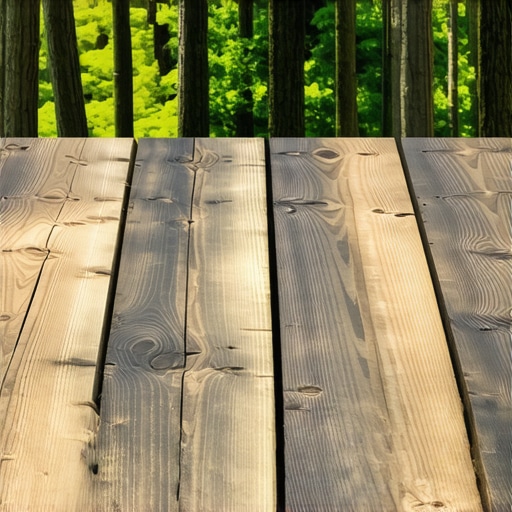
This past summer, I stepped onto what I once thought was a beautiful cedar deck, only to be greeted by a grim, blackened surface that made me cringe. It was a frustrating moment—after all, I had invested time and money into creating a charming outdoor space, but years of exposure had taken their toll. That tiny, almost invisible spot of mold or mildew had turned into an unsightly stain, and I wondered, ‘Is this just the natural aging of cedar, or is there something more at play?’
When Your Deck Turns Black, It’s More Than Just a Dirt Issue
Many homeowners mistake the blackening of their cedar decks for simple dirt or grime, but it’s often a sign of mold, mildew, or algae growth that thrives in damp, shaded areas. Cedar is naturally resistant to rot and decay—yet, it’s not invincible. The moisture lingering on its surface creates the perfect environment for microorganisms to settle in, especially if your deck isn’t properly sealed or maintained. I learned this the hard way early on, by neglecting regular cleaning and sealing. That mistake cost me time, effort, and money to fix later.
Understanding what causes the black stain is crucial so you can stop it from recurring. Interestingly, this issue is fairly common—according to a report by the US Forest Service, moisture, along with organic debris, plays a key role in microbial growth on wood surfaces. So, what’s the secret to keeping your cedar deck looking vibrant? I’ll share my tried-and-true methods to restore your deck, prevent future stains, and keep your outdoor oasis inviting all year round.
Have You Faced This Problem Before?
If you’ve noticed your cedar deck slowly turning dark or black, you’re not alone. Many Needham homeowners have faced this challenge, and the good news is—there are effective ways to restore your wood’s natural beauty. But first, it’s essential to avoid some common pitfalls. For instance, one mistake I made early in my project was neglecting to use the right cleaning products. To truly combat those stubborn stains, you need to understand the proper approach—something I’ll explain as we go along—and which might even include techniques like detailed restaining your deck.
So, if you’re tired of unsightly black streaks ruining your backyard ambiance, stick with me. I’ll walk you through the practical steps to turn back the clock on your cedar, plus some long-term prevention tips to keep it looking pristine. Whether it’s power washing, sanding, or sealing, I’ll cover everything you need to know to restore and protect your investment—and keep your deck the centerpiece of your outdoor living space for years to come.
Prepare Your Tools and Workspace
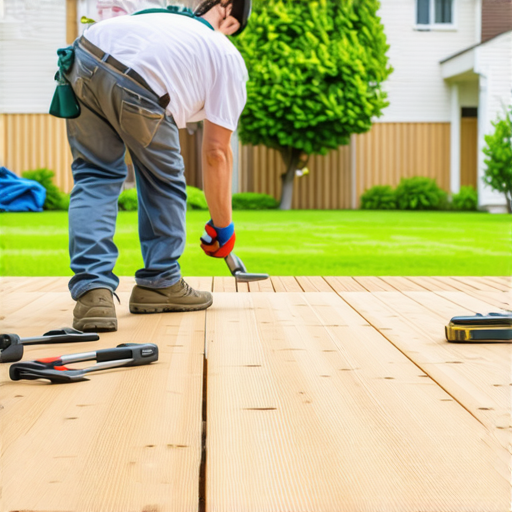
Start by gathering essential cleaning supplies: a biodegradable deck cleaner, a stiff-bristle brush, a power washer or garden hose with a spray nozzle, safety goggles, gloves, and a dust mask. Clear your deck of all furniture, plants, and debris. I once tried to skip this step, thinking it was unnecessary, but cluttered surfaces obstructed proper cleaning and led to uneven results. Organize your workspace for efficient access to tools, reducing frustration during the process.
Apply a Deck Cleaner Effectively
Choose a high-quality, mold and mildew-killing deck cleaner suitable for cedar. Dilute it as per instructions and generously apply with a pump sprayer or brush, focusing on stained areas. Be sure to wear safety gear (goggles and gloves). I recall spraying the cleaner without protective equipment—caused a sneezing fit that delayed my progress. Waiting 10-15 minutes allows the solution to break down grime and biological growth. This is similar to letting soap sit on greasy dishes to loosen dirt before rinsing.
Power Wash or Rinse Thoroughly
Use a Power Washer for Best Results
Set your power washer to a medium pressure (around 1500-2000 PSI) to prevent damaging the cedar fibers. Hold the wand at a consistent 12-18 inches from the surface, moving in a steady, sweeping motion. For tight corners or stubborn stains, adjust the nozzle. This step is akin to giving your deck a thorough shower, washing away loosened mold and dirt. I once used too high pressure, gouging the wood, so I recommend starting lower and increasing if needed.
Manual Scrubbing When Necessary
For stubborn spots, use a stiff-bristle brush to scrub lightly—think of it as exfoliating your skin gently. Avoid harsh abrasives; cedar is soft. After scrubbing, rinse again with water. This extra effort ensures no residual mold remains, preventing recurrence.
Addressing Possible Damage with Sanding
If staining persists after cleaning, sanding may be required. Use a medium-grit (120-150) sandpaper, moving along the grain of the wood. Sanding smooths rough patches and opens the wood’s pores for better stain absorption later. I once faced uneven staining because I skipped sanding, leading to a patchy finish after staining. Remember, proper surface prep is crucial for a lasting finish.
Seal and Protect the Wood
Applying a high-quality cedar sealant or stain seals the wood and prevents future microbial growth. Choose a product formulated for outdoor use and UV protection. Use a brush, roller, or sprayer for even coverage. Allow adequate drying time—usually 24-48 hours—before using the deck again. Think of sealing as putting a raincoat over your fresh paint, locking in the restoration. Regular maintenance, such as annual inspections and re-sealing, extends your deck’s lifespan and keeps it looking vibrant.
For more detailed instructions on sanding and staining, visit the restaining guide. Remember, patience and thoroughness are your best tools in decking repair, turning a damaged deck into a beautiful outdoor haven.
Many homeowners believe that choosing a deck builder in Needham simply boils down to comparing prices or picking the contractor with the brightest advertising. However, this approach overlooks critical nuances that can significantly impact the longevity and quality of your outdoor space. One common myth is that all deck builders use the same materials and techniques, but in reality, the expertise of the builder and their knowledge of local conditions matter greatly.
For instance, some assume that installing a deck correctly means just following a standard blueprint. Yet, in Needham, where humidity levels and salt exposure from proximity to water can accelerate deterioration, a seasoned contractor considers these factors during design and construction. They might incorporate special fasteners or drainage solutions that aren’t typical elsewhere.
Another pitfall is underestimating the importance of proper foundation work. Many homeowners skip verifying whether the builder uses helical piles or proper footing techniques suited for Needham’s soil conditions, risking future structural issues. Not addressing this can lead to uneven settling, cracking, or even deck failure over time.
Moreover, a common misconception is that sealing and maintenance are optional after the initial install. In fact, neglecting regular upkeep, like re-staining or inspecting joist integrity, can reduce your deck’s lifespan and safety. Experts emphasize that proactive maintenance preserves your investment and ensures compliance with safety standards, such as local building codes and safety guidelines.
The Advanced Question
What subtle signs indicate a deck is nearing failure before visible damage appears? Detecting early warning signs, such as minor wood softening, unexpected creaking, or uneven settling, requires a trained eye. Studies show that micro-cracks in joists or corrosion of hidden fasteners often precede major issues, highlighting the importance of regular inspections by experienced contractors. This is especially vital in Needham, where environmental factors accelerate wear. To learn more about assessing your deck’s health, visit the DIY guide for joist repairs or consult a professional before small problems turn into costly repairs.
Remember, not all deck builders are created equal—recognizing these nuances helps you make informed decisions that protect your outdoor sanctuary. Have you ever fallen into this trap? Let me know in the comments.
,
Keep It Running with Precision Tools and Proven Methods
Maintaining your cedar deck’s health and appearance over the years requires the right tools paired with effective techniques. I personally swear by using a high-pressure washer set at around 1500 PSI, as this prevents damaging the soft cedar fibers while thoroughly removing mildew and grime. For stubborn stains, a stiff-bristle brush combined with eco-friendly deck cleaner works wonders—trust me, manually scrubbing especially around corners and textured surfaces ensures no spot is left behind. When it comes to sealing, I recommend using a high-quality cedar-specific stain with UV protection, which I apply with a pump sprayer for an even coat. Regular inspections using a flashlight to identify micro-cracks or loose fasteners help preempt costly repairs, and for those, I keep a kit of matching deck fasteners and joist hangers on hand. Over time, I’ve found that maintaining a detailed log of treatments and inspections helps track progress and schedule preventative care efficiently. Looking ahead, advancements in eco-friendly sealants and smart moisture sensors could revolutionize deck maintenance, making it easier to detect and address issues early.
How do I maintain my deck’s structural integrity over time?
One method I’ve adopted involves periodic inspection of joist connections and fasteners, which often suffer from corrosion—especially in high-salt environments—and can threaten safety. For example, checking for rusted or loose fasteners can be done with a simple screwdriver; if corrosion is evident, replacing these with stainless steel options ensures durability. Additionally, I utilize a digital moisture meter to detect hidden dampness that might lead to mold outbreaks or wood decay—acting early can save you a lot of headaches. And speaking of foundation stability, if your deck shows signs of shifting or settling, consider consulting a professional about installing helical piles—an upgrade that provides a solid base even on challenging soil, detailed at this resource. For the long-term, integrating smart tools like moisture sensors connected to your smartphone can provide real-time updates, allowing you to schedule maintenance proactively rather than reactively. As technology advances, I’m excited about the potential for automated diagnostics that can identify issues before they become visible—think of it as having a deck health monitor. To begin, I recommend conducting a comprehensive visual and tactile inspection every six months, supplemented with targeted use of tools like my favorite moisture meter—you’ll thank yourself during the next harsh season. Try implementing a regular inspection routine today, and you’ll keep your cedar deck looking stunning and structurally sound for many years.
The Hardest Lesson I Learned About Deck Builders Needham
One of my biggest realizations was that no matter how much you research, the unexpected can come up, especially with cedar decks exposed to Needham’s climate. I learned that understanding the specific environmental challenges helped me choose better sealing products and maintenance routines, saving me time and money in the long run.
How a Simple Inspection Can Save Your Sanctuary
Regularly inspecting for tiny signs, like micro-cracks or loose fasteners, unearthed problems before they escalated. It’s like giving your deck a health check-up—early detection meant easier fixes and a more resilient outdoor space. Trust me, incorporating routine inspections using tools like a digital moisture meter can significantly extend your deck’s life.
My Essential Toolkit for Cedar Deck Revival
From eco-friendly deck cleaners and stiff-bristle brushes to high-quality cedar sealants, these tools have become my arsenal for maintaining and restoring. For example, I swear by using a pump sprayer for even application of sealants, ensuring no missed spots. Combining the right tools with proven methods has made all the difference.
Your Turn to Try Something New
Building or maintaining your cedar deck might seem daunting at first, but with the right approach, it transforms into an enjoyable project. Embrace regular maintenance, use quality products, and don’t hesitate to seek expert advice when needed. Your outdoor space is an investment—nurture it, and it will reward you for years to come.