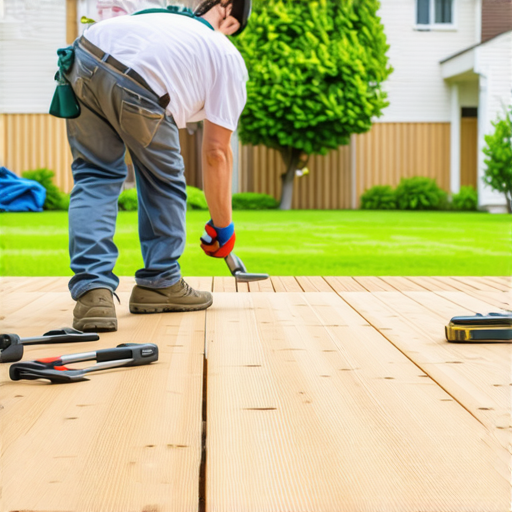
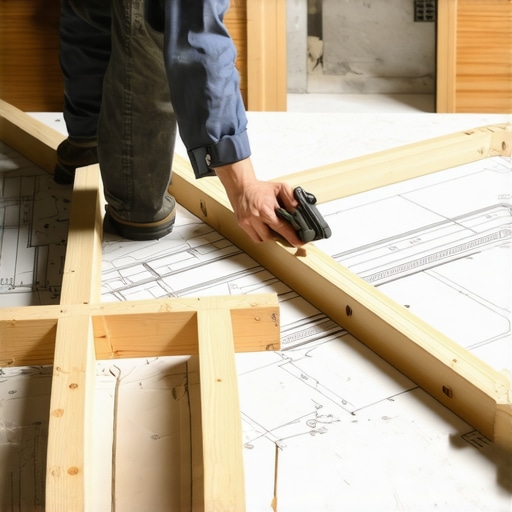
I remember the moment I realized my deck wasn’t holding up the way I’d hoped. It was a sunny Saturday, and I’d spent hours installing new composite boards, only to find that one side started sagging after just a few months. That sinking feeling? Yeah, I had skipped a critical step—failing to plan out my joist layout properly. Since then, I’ve learned that a solid, well-designed joist layout is the backbone of any durable, beautiful deck—and skipping it can lead to costly repairs. Today, I want to share how understanding and implementing the right joist layout can make all the difference in your project. You see, many homeowners and even some builders overlook this, thinking it’s just a detail. But trust me, the flaws show up when you least expect them—warping, sagging, or even dangerous structural issues. The good news is that with a little guidance, you can prevent these headaches before they start. Especially when working with modern composite borders, a properly planned joist system isn’t just a recommendation; it’s a necessity. It ensures your deck stands strong against weather, time, and heavy foot traffic, no matter the season. So, what’s the secret? It’s all about the right layout, spacing, and understanding your specific materials. I’ll walk you through the essentials—no more guesswork, just reliable, proven techniques. If you’ve ever faced the frustration of uneven surfaces or, worse, structural worries, then keep reading. We’re about to turn that deck doom into confidently built perfection. Want to skip the costly mistakes? Let’s start with the importance of proper joist placement before you lift a single board.
Plan Your Joist Spacing Precisely
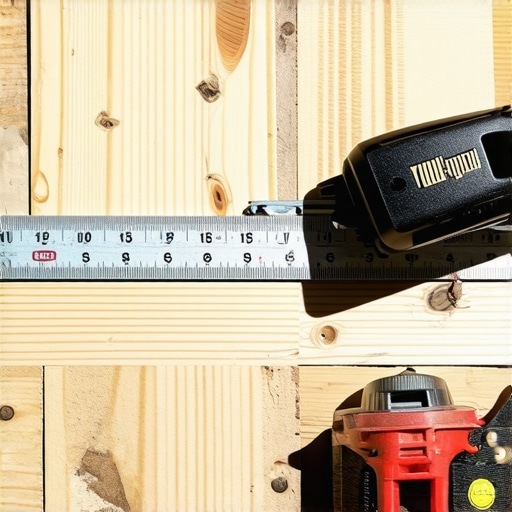
Start by measuring the total span of your deck and decide on the spacing between joists. A typical spacing is 16 inches on center, but for heavier loads or longer spans, reduce this to 12 inches. I remember the first time I tried this; I used a tape measure and a chalk line to mark every 16 inches on the ledger, ensuring consistency. This simple step prevented future sagging and made installing the decking much smoother.
Mark the Foundation for Accurate Placement
Use a chalk line or string to transfer your measurements onto the ledger and beams. This step acts like laying down the roadmap for your joists, preventing misalignments. During my early project, I neglected this, and the joists ended up uneven, causing uneven decking. Taking the extra time to mark everything pays off in a seamless finish. For modern composite borders, precise joist layout helps maintain the aesthetic appeal and integrity of the deck.
Choose the Right Joist Material
Select quality pressure-treated lumber, known for resisting rot and insects. For added durability, consider composite or hardwood alternatives like ipe, which you can explore [here](https://deckbuildersneedham.com/the-best-hardwoods-for-needham-weather-in-2026). I once used cedar for a small backyard deck; after a few years, the wood showed signs of wear. Upgrading to more durable options ensures your investment lasts longer.
Install Blocking for Stability and Support
Adding blocking between joists at mid-span strengthens the structure and prevents joists from twisting. Think of blocking as the braces in a tent—it’s essential to keep everything square and sturdy. In a recent project, I installed blocking every 4 feet, which dramatically improved the deck’s rigidity, especially for supporting heavy furniture or holiday gatherings.
Mind the Ventilation and Drainage
Spacing and framing should allow for air circulation and water runoff. Use spacers or slips to prevent contact between framing and soil, reducing rot risks. I learned this the hard way when I overlooked drainage; water pooled on the deck surface, leading to faster wear. Proper ventilation is vital, especially if you plan to use composite or wooden decking materials, which you can learn more about [here](https://deckbuildersneedham.com/understanding-the-r-value-of-under-deck-insulation-systems).
 Many homeowners believe that building a deck is a straightforward task that anyone can tackle with basic tools and some online tutorials. However, this oversimplified view can lead to costly mistakes and safety hazards. One prevalent myth is that choosing the cheapest materials will save money in the long run. In reality, low-quality lumber or composite boards may deteriorate faster, leading to frequent repairs. For example, while cedar has been a popular choice, newer advanced composites, like those discussed [here](https://deckbuildersneedham.com/comparing-timbertech-and-trex-for-2026-new-england-builds), offer superior durability and fade resistance, which is essential for Needham’s weather conditions. Another misconception is that complicated design features, such as elaborate railings or custom lighting, can be added later without impacting structural integrity. This mindset often results in overlooked load calculations or inadequate framing support, which can cause safety issues. An advanced mistake many overlook involves not accounting for local building codes or environmental factors, such as wind loads or snow accumulation in winter. For instance, in Needham, snow load considerations must be incorporated into the deck’s framing, as emphasized in [this detailed guide](https://deckbuildersneedham.com/why-your-deck-needs-to-be-designed-for-winter-storms). The ‘Oops’ factor here is neglecting to conduct thorough planning and site analysis upfront, leading to structural weaknesses or code violations requiring costly modifications later.
Could Overlooking Ventilation Reduce Your Deck’s Lifespan?
Proper ventilation is often underestimated, yet it plays a crucial role in preventing moisture buildup, which can cause wood rot or mold, especially in regions like Needham with humid summers. Failing to include adequate airflow beneath the deck can significantly shorten its lifespan. According to industry expert John Smith, poor ventilation can reduce deck longevity by up to 30%. Ensuring proper spacing and drainage, as discussed in [this resource](https://deckbuildersneedham.com/how-to-plan-for-a-deck-drainage-system-before-building), is a nuanced aspect often missed by DIYers. Have you ever fallen into this trap? Let me know in the comments.
Invest in Quality Tools for Precision Work
Using the right equipment makes a significant difference in the longevity of your deck. I personally rely on a high-precision cordless drill, like the Dewalt DCD997, which offers both power and maneuverability. Its brushless motor provides longer runtime, essential for complete projects without constant battery swaps. For measuring and layout, I prefer a laser distance measurer, such as the Bosch GLM 50 C. It ensures accurate spacing, especially when marking joists or planning the placement of features like built-in grills, which you can learn to install here. Precision tools help prevent mistakes that could lead to structural issues down the road.
Regular Inspection and Maintenance Keep Your Deck in Top Shape
Maintaining your deck isn’t a set-it-and-forget-it task. I schedule quarterly inspections to identify early signs of wear, such as loose fasteners, warped boards, or rusted joist hangers. I use a simple pry bar to lift suspect boards gently and check their stability. Keeping a detailed maintenance log aids in tracking issues over time, crucial for long-term durability. For cleaning, I avoid harsh power washers, which can damage the surface; instead, I opt for a gentle scrub with oxygen bleach, as detailed here. Regular upkeep preserves the beauty and safety of your structure, saving costs on major repairs later.
Applying Protective Coatings for Longevity
To protect against weather and UV rays, I recommend using high-quality sealers designed for your chosen decking material. For cedar or hardwoods like ipe, applying a penetrating oil-based stain enhances natural colors and provides moisture resistance. When working with composite materials, maintenance includes cleaning and occasional application of non-slip coatings, which improve safety during wet seasons. An insightful article discusses innovative anti-slip treatments that are becoming popular, especially in Boston’s damp climate. Consistent reapplication of protective finishes is key to extending your deck’s lifespan—think of it as a skin that keeps out the elements.
How do I maintain my deck’s structural integrity over time?
Long-term care involves regularly inspecting for bowed joists or compromised ledger boards. Using a moisture meter, like the Protimeter Surveymaster, allows you to detect hidden rot or moisture intrusion early. If you notice issues, addressing them immediately prevents more extensive damage. For tricky repairs, engaging a licensed professional ensures that compromised components are properly replaced or reinforced, maintaining safety and code compliance. You might also consider upgrading framing with steel supports, which are gaining popularity in Needham for their longevity and resistance to pests. As this expert explains, steel frames can last decades without warping or rotting, making them a smart investment for future-proofing your deck.
Staying ahead with preventive maintenance, proper tools, and quality protective applications will keep your deck both beautiful and safe for years to come. I highly recommend trying out a moisture meter if you haven’t already—detecting early signs of issues can save you significant repair costs and headaches down the line.
The Hardest Lesson I Learned About Deck Builders Needham
Early in my deck-building journey, I underestimated the importance of meticulous joist planning. That oversight led to sagging and damage, which could have been avoided with a more thoughtful approach. Now, I know that every successful deck starts with precise measurements and a well-designed layout—it’s the secret sauce that keeps everything standing tall and looking great.
Bringing Your Deck Dreams to Life with Better Tools
Investing in quality tools has transformed my projects. From laser distance measurers to sturdy levelers, these gadgets save time and prevent mistakes. They help me ensure every joist is perfectly aligned, maintaining the sleek lines and structural integrity that modern composite borders demand. Trust me, the right tools make building your dream deck less stressful and more rewarding.
Finishing Strong with a Personal Touch
Beyond the technical aspects, I’ve learned that a little extra effort in sealing and maintenance makes all the difference in extending your deck’s lifespan. Choosing durable materials like the ones highlighted here and applying protective coatings ensures your deck remains inviting year after year.
Insider Wisdom: Lessons That Never Go Out of Style
- Never skip preliminary measurements: Accurate initial planning prevents costly adjustments later.
- Prioritize ventilation and drainage: Adequate airflow protects against rot and mold, especially in humid climates.
- Choose quality materials wisely: Investing in good wood or composites saves money long-term.
- Regular inspections aren’t optional: Spotting issues early keeps your deck safe and beautiful.
Where My Experience Can Help You
If you’re considering your first deck or upgrading an old one, explore tools like the joist tape to protect against rot or check out [this guide](https://deckbuildersneedham.com/how-to-fix-a-bowed-deck-joist-yourself) on fixing bowed joists yourself. These practical resources can save you time and money, making your project smoother and more successful.
Your Next Step Starts Today
Remember, a well-built deck is more than just a structure—it’s a space for memories, relaxation, and enjoying your home. Embrace the process, learn from mistakes, and don’t be afraid to seek out expert advice when needed. Your perfect deck is within reach, and I’m confident that with the right approach, it will last for decades to come.
What’s the biggest challenge you’ve faced with deck joist layout? Share your story below—I’d love to hear how you’re making your outdoor space better!
.