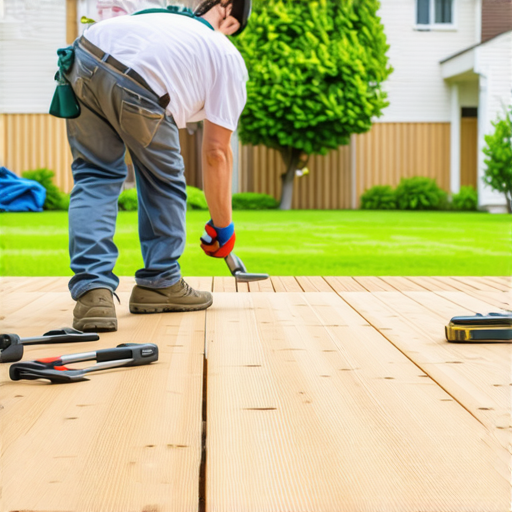
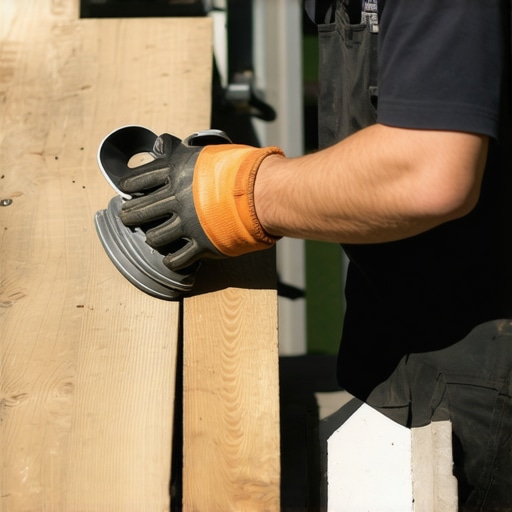
Ever scraped away a layer of aging composite decking in hopes of restoring its beauty, only to be met with more damage or a frustrating mess? I sure have. There was this one weekend when I dove into sanding my old composite boards, thinking I’d bring back that fresh, new-look vibe. Instead, I ended up with splintered edges, dull patches, and a sinking feeling I’d made a mistake. It was a lightbulb moment—realizing that sanding old composite decking isn’t as straightforward as it seems.
Protect Your Deck and Save Time by Being Smart About Sanding
Is Sanding Your Old Composite Deck a Good Idea or Just Asking for Trouble?
I learned the hard way early on that aggressive sanding can do more harm than good. Not only did I damage the surface, but I also underestimated how sensitive older composite boards can be. This experience made me wonder—are we really doing ourselves any favors by sanding, or could it be better to explore other maintenance options? The truth is, improper sanding can accelerate wear and reduce the lifespan of your deck. If you’re considering this route, it’s essential to understand the risks and best practices before grabbing that orbital sander.
According to professionals, improper sanding can cause microcracks and weaken the material, leading to more costly repairs down the line. In fact, a study highlighted in Needham Deck Maintenance emphasizes that less invasive cleaning methods often outperform aggressive abrasive techniques on older composite surfaces.
Have you faced this dilemma with your deck? Do you find yourself debating whether to sand or not? If so, stay tuned. In the next sections, I’ll share practical advice on how to carefully approach this task, or alternative strategies to rejuvenate your composite deck without risking damage. Remember, a cautious approach today can save you expensive headaches tomorrow.
,
Assess Your Deck’s Condition Thoroughly
Before reaching for your sander, inspect your deck carefully. Look for loose boards, splinters, or visible damage. Use a sturdy flashlight to check for cracks or rot that might not be obvious at first glance. I once skipped this step and started sanding only to realize a loose board was about to pop off—an embarrassing and costly mistake. Ensure all fasteners are tight, and replace any damaged sections to prevent further issues during sanding.
Gather the Right Tools and Protective Gear
Equip yourself with a proper orbital sander, coarse and fine grit sandpapers, a dust mask, safety goggles, and gloves. Think of sanding as peeling layers of an onion—each layer reveals new details, and protective gear keeps you safe from debris and dust. I learned this the hard way when I ignored my mask and ended up coughing for hours after a quick session. Having the right tools and safety measures makes the process smoother and safer.
Prepare Your Workspace and Deck
Clear the entire deck of furniture, plants, and debris. Cover nearby surfaces with plastic sheets to catch dust and falling particles. Be meticulous—dust can settle into neighboring areas, creating a mess and potentially damaging your landscaping. I once didn’t cover my patio furniture, and dust settled everywhere, requiring extra cleaning afterward. Proper workspace preparation minimizes cleanup and protects your surroundings.
Start with a Moderate Grit and Use Proper Technique
Begin sanding with a 60-80 grit paper to remove surface grime and light oxidation. Use the orbital sander in gentle, overlapping circles—think of carving a sculpture with controlled, consistent motion. I got impatient during my first attempt and pressed too hard, resulting in uneven patches and scratches. Take your time, and avoid excessive pressure—let the sander do the work. This method prevents microcracks that can accelerate aging.
Consider the Material’s Sensitivity
Older composite boards can be fragile. If your deck contains specific materials like Trex or other composites, check manufacturer guidelines—some recommend only cleaning rather than sanding. For sensitive decks, opt for cleaning solutions instead of abrasive sanding to preserve integrity. I once ruined a Trex board by sanding it aggressively, leading me to explore alternative rejuvenation methods.
Refine the Surface with Finer Grits
Switch to 120-150 grit sandpaper for a smoother finish, especially on walking surfaces. The goal is to eliminate rough patches and splinters without removing too much material. Remember—over-sanding can expose underlying fibers, making the surface more susceptible to damage and fading. I learned to stop sanding once the surface felt uniformly smooth to the touch.
Clean and Inspect Post-Sanding
Thoroughly sweep or vacuum away dust. Use a damp cloth to wipe the surface—this step is crucial to remove fine particles that could interfere with sealants or stains later. Inspect the surface for remaining imperfections, and touch up as needed. A clean, smooth deck not only looks better but maximizes the lifespan of protective finishes.
Apply Protective Finish or Sealant
Once the surface is prepared, consider sealing or staining to protect against weathering. Choose products designed for composite decks—these can prevent fading, mold, and staining. Proper sealing improves longevity and keeps your deck looking fresh longer. I applied a high-quality sealant, which significantly reduced future maintenance needs and preserved the color better over the seasons.
Many homeowners assume that hiring a deck builder in Needham is simply about choosing the lowest price or fastest turnaround. However, a common misconception is that all deck contractors deliver the same level of quality and expertise. In reality, what often gets overlooked is the nuanced understanding of local building codes, material durability in Needham’s climate, and long-term maintenance strategies. These subtleties can significantly influence the durability and safety of your deck over time.
One prevalent myth is that newer, trendy materials automatically outperform traditional options like cedar or composite decking. While innovation is promising, it’s crucial to recognize that not all products are equally resilient in specific environments. For instance, some composite decking brands may fade faster or develop mold in humid conditions, which is a nuance many overlook when selecting materials through just online reviews. A professional deck builder understands these subtleties and can advise on eco-friendly and climate-appropriate choices, ultimately saving you money and headaches down the line.
Another advanced mistake often made is neglecting the importance of planning for drainage and foot traffic in the initial design phase. This concern is frequently dismissed as a minor detail, yet improper drainage or poorly designed footings can lead to sinking or structural failure, which might not manifest until years later. According to a study published in the Journal of Sustainable Construction, integrating efficient drainage solutions and load considerations during installation enhances the lifespan of outdoor structures. Do you think fixed-cost quotes address these complexities, or do they often gloss over such critical details? Share your experience in the comments.
Why does choosing a local expert in Needham make the difference?
Local deck builders possess an in-depth understanding of Needham’s specific weather patterns, soil conditions, and building regulations, which can often go unnoticed by out-of-town contractors. This expertise translates into better material selection, proper foundation work, and management of seasonal challenges like freeze-thaw cycles. For example, if your deck isn’t properly anchored, it may be prone to sinking, which can be mitigated through advanced knowledge that only local experts have—more details can be found in Needham sinking fixes.
Many homeowners also underestimate the importance of long-term maintenance planning. A seasoned Needham deck contractor can design your deck with features that facilitate easier upkeep, such as built-in drainage or easy access points. This proactive approach ensures your investment maintains its value and safety over decades, rather than succumbing to avoidable wear and tear.
In essence, understanding these nuances isn’t just about aesthetics or initial costs. It’s about executing a project that withstands the test of time, climate, and use. Have you ever fallen into this trap of oversimplification? Let me know in the comments.
Maintaining a beautiful, durable deck requires more than just initial construction—it’s an ongoing process that depends heavily on the right tools and consistent care. Having personally refined my toolkit over years of working with Needham homeowners, I can attest that specific equipment makes all the difference in achieving professional results and extending your deck’s lifespan.
Invest in a Quality Orbital Sander
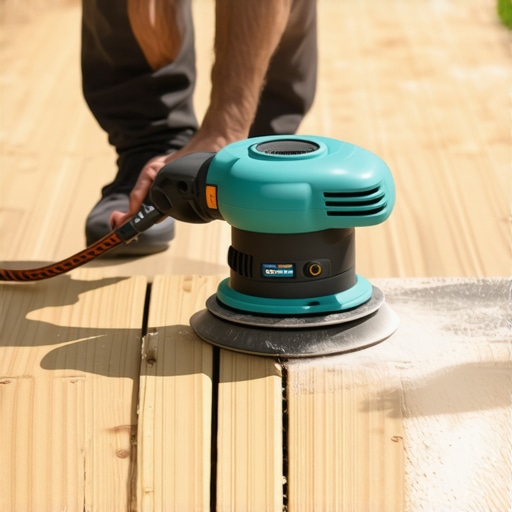
My go-to tool for surface preparation is a high-quality orbital sander with variable speed settings. I prefer models that feature dust collection ports—such as the Dewalt D26441—because they help manage debris efficiently. This sander allows me to remove oxidized finish or surface grime gently, especially on older composite boards, without risking microcracks that aggressive sanding might cause. It’s a game-changer when trying to achieve a smooth surface ready for sealing or staining. In the future, I predict that advancements in dustless sanding technology will become standard, further simplifying maintenance routines.
Utilize a Moisture Meter
Before sealing or cleaning, I always check the moisture content of the decking material. My trusted device is the Tramex METER, which gives precise readings—critical for avoiding sealing over damp wood, which can cause peeling or mold. Especially in Needham’s climate, moisture levels fluctuate, making this step indispensable for long-term results. Consistent moisture management helps prevent issues like warping or rot, ensuring your investment remains sound for years.
Choose Eco-Friendly Cleaners and Sealants
While tools do most of the work, selecting appropriate cleaning agents and protective finishes is equally vital. I prefer environmentally friendly formulations that contain biocides and UV inhibitors, such as those offered by EcoSafety. These products not only protect your deck but also minimize environmental impact. As technology advances, I foresee a trend towards smarter coatings embedded with self-healing capabilities, which could revolutionize deck maintenance in the coming decade.
Streamline Maintenance with Software Planning
Beyond physical tools, I utilize software like Trello or Asana to schedule regular inspections, cleaning, and sealing tasks. This digital approach ensures no maintenance opportunity is overlooked, especially during peak seasons. Staying organized allows me to catch potential issues early—preventing costly repairs and maximizing the return on your deck investment. To deepen your understanding, check out how long-term planning benefits from digital tools in the article on [the ROI of a new deck in Needham](https://deckbuildersneedham.com/the-roi-of-a-new-deck-in-needham-for-2026).
Prepare Your Workspace for Safety and Efficiency
Lastly, investing in safety gear like dust masks, safety goggles, and gloves makes a significant difference. I always cover nearby furniture and landscaping with plastic sheets to contain dust and debris—saving time on cleanup and avoiding damage. A tidy, protected workspace not only ensures safety but also results in a cleaner, more professional finish to your restoration efforts.
What’s Next for Deck Maintenance?
As technology evolves, I believe smart sensors and IoT devices could soon provide real-time feedback on moisture, temperature, and wear, enabling even more proactive maintenance. For homeowners in Needham, embracing these innovations will likely become essential for preserving their outdoor living spaces. To stay ahead, I recommend trying my tip: invest in a reliable orbital sander with dust collection to enhance your surface prep. Proper tools combined with a disciplined maintenance schedule will keep your deck in top shape for years to come.
Ready to push your deck maintenance to the next level? Consider scheduling a professional inspection regularly—many experts utilize specialized diagnostic tools that can identify hidden issues before they escalate. Keeping your deck working perfectly over time is about combining the right equipment, consistent care, and long-term planning.
The Hardest Lesson I Learned About Deck Builders Needham
One of the most valuable insights I discovered is that not all composite decks respond well to aggressive sanding. I once tried to restore an older composite board by sanding it aggressively, only to find it became dull and prone to microcracks. This taught me that patience and understanding your deck’s material sensitivity are paramount—pushing too hard can cause irreversible damage and negate your effort.
Three Myths About Deck Maintenance in Needham That Held Me Back
Myth one: All composite decks can be sanded and restored easily. Reality: Many older composites are too fragile for aggressive sanding, and safer cleaning methods are better. Myth two: Sanding improves longevity. Reality: Incorrect technique accelerates aging, leading to more costly repairs. Myth three: DIY always saves money. Reality: Without proper knowledge, DIY can result in mistakes that professional help could prevent, especially considering Needham’s unique climate conditions.
What Experts Won’t Tell You About Caring for Your Needham Deck
Professionals often emphasize that a tailored maintenance plan based on your specific deck’s material and local climate guarantees better longevity. For example, understanding that Needham’s freeze-thaw cycles impact proper drainage and foundation strength isn’t always obvious but crucial, as detailed in the article on needham sinking fixes. This deeper knowledge can be the difference between a deck that lasts decades and one that needs early replacement.
My Essential Toolkit for Deck Maintenance
Over the years, I’ve come to depend on a high-quality orbital sander with dust collection, like the Dewalt D26441, which handles surface prep gently but effectively. A moisture meter such as the Tramex METER helps me assess when sealing is appropriate, especially important in Needham’s fluctuating climate. Eco-friendly sealants provide peace of mind without harming our environment, and digital planning tools keep my maintenance schedule organized, ensuring nothing is overlooked. These tools have truly revolutionized my approach, making deck upkeep less overwhelming and more rewarding.
Your Turn to Try
Taking control of your deck’s health doesn’t mean mastering everything immediately. Start small—inspect, clean, and understand your material’s needs. Remember, careful preparation and knowledge make all the difference. With the right approach, your Needham deck can become the centerpiece of many joyful gatherings for years to come. Are you ready to give your outdoor space the attention it deserves? Share your experiences or questions below—I’d love to help you succeed.