

I remember the first warm weekend after a long, gray winter, excited to fire up the grill and host friends on my battered old deck. But as I stepped out, I couldn’t help but notice how tired and dingy the railing looked. It was a stark reminder that, while building a new deck can be a thrill, maintaining and refreshing existing structures can be just as vital—and budget-friendly. Quick fix? Definitely. But understanding how to genuinely boost your deck’s appeal without breaking the bank is where the real magic happens.
Why Updating Your Deck Railing Matters More Than You Think
Your deck railing isn’t just about safety—it’s the frame of your entire outdoor space. An outdated or damaged railing can make even the most beautiful deck look neglected and reduce its longevity. Plus, with homeowners now investing more in curb appeal, a fresh look can significantly increase your property’s value. But here’s the kicker: you don’t need a massive renovation to give your railing a whole new vibe. Simple, affordable updates can make a world of difference. If you’re unsure where to start, don’t worry; I’ve been there, making costly mistakes early on, like trying to paint over rotten wood instead of replacing it—lesson learned the hard way!
Is a DIY Refresh Truly Worth It?
Initially, I thought tackling my deck railing would be a quick weekend project—after all, how hard could it be? Turns out, a sloppy job can lead to more issues down the road. One mistake I made was using the wrong type of paint on my wood railing, which peeled within a few months. Knowing what works and what doesn’t is crucial. Fortunately, with a little knowledge and some elbow grease, you can achieve impressive results. Curious about the best ways to enhance your deck railing without overspending? Let’s explore the top three affordable methods that have transformed my outdoor space—and can do the same for yours.
Choose Durable, Easy-to-Apply Paint or Stain
Start by selecting a high-quality, weather-resistant paint or stain suitable for outdoor wood or composite railing. During my DIY project last summer, I learned that using a primer tailored for exterior surfaces before applying a semi-transparent stain significantly enhanced durability. Proper prep ensures the finish adheres well and withstands elements, extending your railing’s life without costly replacements.
Sand and Clean Thoroughly for a Smoother Finish
Before applying any coating, sand the railing lightly to remove old paint or rough patches and clean off dirt or mildew. I used a hand sander with fine-grit paper, which made the surface more receptive to paint and reduced drips. Cleaning with a mixture of water and mild detergent, followed by a rinse, prevents debris from marbling your finish and guarantees a sleek, professional look.
Apply Primer for Better Adhesion and Longevity
Using a primer designed for your railing material creates a bond between the surface and the topcoat, improving color retention and resistance against peeling. I once skipped this step and faced peeling paint after just one season—lesson learned. A thin, even coat of primer also blocks old stains or discoloration, making your new finish look vibrant for years.
Use Quality Tools and Multiple Thin Coats
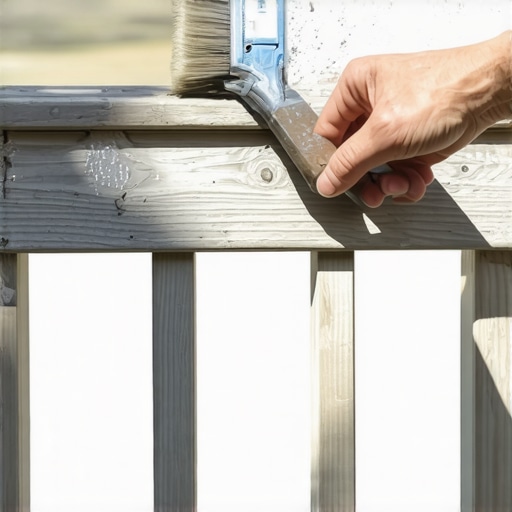
Invest in a good brush or roller suited for outdoor projects; it makes a noticeable difference. Applying multiple thin coats rather than a single thick layer prevents runs and drips, giving a smooth, even finish. When I painted my railing, I started with a brush for intricate areas and finished with a roller for broad surfaces, achieving a uniform appearance without sacrificing time or quality.
Carefully Handle and Cure Your Finish
Allow each coat to dry fully according to manufacturer instructions before applying the next. Protect your freshly painted railing from rain and heavy foot traffic during curing. I covered my work with plastic sheeting and avoided using the deck for a couple of days, which preserved the finish impeccably and extended its lifespan.
Incorporate Visually Striking Railing Designs
Consider upgrading your railing style to match your home’s aesthetic. A vertical baluster pattern can make your space appear taller and more open—see trends like vertical railings. Think of your railing as the picture frame of your deck—simple changes can dramatically enhance the overall look, especially when combined with color updates.
Regular Maintenance Extends Its Charm
Schedule annual cleaning and touch-ups to keep your railing looking fresh. Removing dirt and reapplying stain or paint every few years prevents decay and keeps the surface resistant to weather damage. During one project, I found that quick touch-ups saved me from full repainting sessions, saving time and money over the long run.
By following these straightforward steps, you’ll transform your tired railing into a stunning feature that elevates your entire outdoor space—without draining your wallet or laboring over complicated techniques. Remember, the key is in preparation, quality materials, and consistent upkeep.
Many homeowners assume that hiring a deck builder is simply about selecting someone with the lowest bid or the quickest turnaround. However, this oversimplified view often leads to costly mistakes and unmet expectations. As an expert deeply familiar with decks in Needham, I want to unpack a hidden nuance that many overlook: the importance of understanding the builder’s expertise in specialized areas like drainage systems or custom railing design. For instance, a contractor well-versed in deck drainage systems can prevent issues that might not be immediately noticeable but will significantly impact your deck’s longevity and safety in the long run. Relying solely on price or initial appearance can be a trap, especially if the builder isn’t experienced with local climate challenges or modern materials like composite decking, which require specific knowledge to install correctly.
Why Does the Myth That All Deck Builders Are Equal Persist?
This misconception persists because many people assume that any contractor can handle deck projects with equal skill. But in reality, deck building involves nuanced skills—knowing how to level a sloping terrain (see my tips here), understanding local building codes, and selecting the right materials for Needham’s unpredictable weather patterns. Failing to recognize these nuances can lead to problems like warped wooden structures or non-compliance with new code regulations, which are becoming more stringent by 2026. As experts recommend, always verify a builder’s experience with local issues and recent projects. This is vital because a builder’s reputation for quick work might come at the expense of long-term durability. Remember, a proper deck isn’t just about aesthetics; it’s about durability and safety over decades.
Another trap to avoid is assuming that large companies always provide superior craftsmanship. In fact, smaller, specialized teams often deliver more personalized service and can better adapt to unique project requirements. For example, if you’re considering custom railing designs, a builder’s familiarity with trending styles and local preferences can make a substantial difference in the final look. So, don’t just settle for the biggest name—look for experts who understand the intricacies of Needham’s climate and style trends.
Have you ever fallen into this trap of oversimplification? Let me know in the comments. Improving your understanding of what truly makes a skilled deck builder will save you time, money, and stress—so choose your contractor wisely based on expertise, not just price tags or initial impressions.
Keeping Your Deck in Top Shape: Tools and Techniques
Maintaining a beautiful and durable deck requires more than just occasional cleaning; it calls for the right tools, consistent upkeep, and a proactive approach to repairs. Over my years working on decks in Needham, I’ve identified key equipment and methods that ensure long-term performance and safety. Let’s delve into the essential tools I recommend and how they help me deliver lasting results for homeowners.
First, a high-quality cordless orbital sander is indispensable. I personally use the Dewalt DWE6421 because its variable speed control allows me to gently strip failing paint or smooth rough wood surfaces without gouging the material. Maintaining a smooth surface is vital before applying stains or sealants, and this tool saves time while protecting the deck’s integrity.
Next is a good reciprocating saw, like the Milwaukee M18 FUEL, for removing damaged or rotted boards efficiently. Its powerful motor and precision cut make repairs faster and less draining physically. It’s especially useful when you need to replace a problematic joist or railing section, saving hours of manual labor and ensuring tight, secure fittings.
Proper cleaning equipment also plays a crucial role. I rely on a commercial-grade pressure washer with adjustable pressure settings—such as the Simpson MSH3125—that allows me to remove dirt, moss, and old stain without risking damage to the wood. Remember, high-pressure settings can harm surfaces, so careful control is essential. Regular cleaning extends the deck’s lifespan and prepares the surface for thorough maintenance sessions.
For the finishing touch, I use a quality brush and roller designed for exterior use, preferring synthetic brushes for stains and semi-transparent finishes. In my experience, applying multiple thin coats, rather than heavy layers, results in a more durable and attractive finish. Invest in a good paint tray with a liner to reduce cleanup time and keep your workspace tidy.
From a software standpoint, I recommend using project management platforms like Trello or CoConstruct to schedule regular inspections and coordinate repairs efficiently. Setting recurring reminders for tasks like sealing, repainting, and inspecting for damage ensures that maintenance never slips through the cracks, especially important given the unpredictable New England weather.
Looking ahead, the trend is moving toward smarter maintenance habits reinforced by technology. Drone inspections, for example, are beginning to be adopted for hard-to-reach areas, saving time and improving safety. Keep an eye on innovations like moisture meters integrated with smartphone apps to monitor timber health remotely—these advancements will make DIY maintenance more precise and less guesswork.
How do I maintain my deck over time? The key is establishing a seasonal maintenance routine that includes thorough cleaning, inspecting for damage, and reapplying finish when needed. Addressing issues early prevents small problems from becoming expensive repairs or safety hazards. For instance, regularly checking for warped or loose boards and tightening hardware can extend your deck’s life significantly. Also, always remember to use proper protective gear—gloves, masks, and eye protection—when handling chemicals or power tools to keep your project safe and efficient.
Before I wrap up, I want to highlight the importance of specific repair techniques, like fixing a bowed joist. I’ve outlined detailed steps in my post on how to fix a bowed deck joist. Incorporating these methods into your routine can prevent structural issues and save you thousands in future repairs.
Try implementing one of these advanced maintenance tips, such as using a moisture meter to monitor wood health, and see how it transforms your deck’s longevity. Remember, consistent care backed by the right tools not only preserves the beauty of your outdoor space but also ensures safety and value for years to come.
What’s Your Maintenance Routine?
Share your current deck care habits or ask questions about specific tools or techniques. Staying proactive is the best way to enjoy a gorgeous, safe deck season after season.

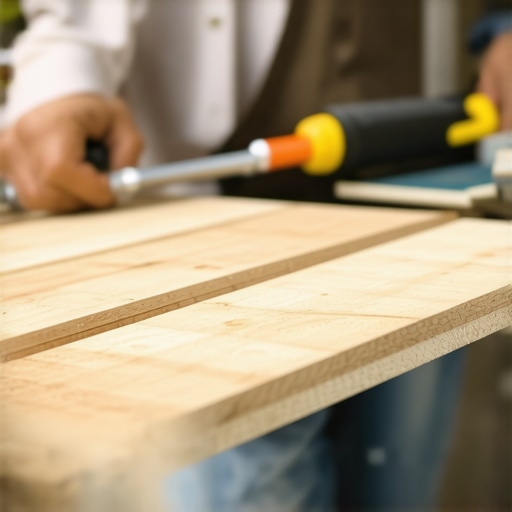
To visually understand the importance of tools in deck maintenance, consider this detailed shot of a professional deck repair kit, including a power sander, reciprocating saw, and pressure washer in action, which I personally use for optimal results. This image underscores that investing in quality equipment is crucial for efficient, long-lasting work on decks in Needham.
The Hardest Lesson I Learned About Deck Builders Needham
One of my early mistakes was assuming that all deck builders bring the same level of expertise, especially in complex areas like drainage or custom railing designs. I learned the hard way that experience with local climate nuances and modern materials is crucial for longevity and safety.
3 Myths About Deck Builders Needham That Held Me Back
I used to believe that choosing the cheapest contractor would save me money, but I discovered that quality craftsmanship and understanding unique local needs are irreplaceable. Doing thorough research and verifying recent projects made a world of difference.
What Experts Won’t Tell You About Deck Builders Needham
Many overlook the importance of specialized skills like leveling sloped terrains (see my tips here) and adhering to evolving building codes. Recognizing these nuances can prevent costly fixes down the road and ensure your deck remains a safe sanctuary.
My Essential Toolkit for Deck Maintenance and Renovation
Investing in top-tier tools like the Dewalt DWE6421 orbital sander and Milwaukee M18 FUEL reciprocating saw has transformed my approach. These tools, combined with a reliable pressure washer like the Simpson MSH3125, allow me to deliver durable, professional results that stand up to Needham’s weather.
Where to Go from Here
If you’re inspired to refresh your deck or undertake a full renovation, remember that selecting the right contractor with local expertise is key. Prioritize quality, safety, and durability over shortcuts to ensure your outdoor oasis remains inviting for years to come. For additional insights, explore articles like custom railing styles trending now or learn how to plan for optimal drainage to protect your investment.