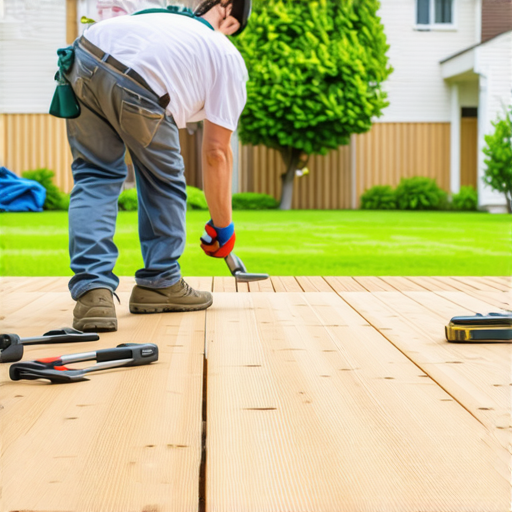

One sunny weekend, I stepped onto my deck, only to notice a dip that wasn’t there the week before. My heart sank—my favorite outdoor spot was starting to look more like a leaning tower than a cozy retreat. At first, I thought it was just a minor irregularity, but as I examined closer, it became clear: my deck joist was bowed. That lightbulb moment made me realize how overlooked those structural elements are until they show signs of trouble.
Why Fixing a Bowed Deck Joist Matters More Than You Think
Decks are the extended outdoor living rooms of our homes, especially in Needham, where summers are perfect for barbecues and lazy afternoons. But a bowed joist isn’t just an aesthetic issue; it’s a safety concern. Over time, structural components like joists can warp or bow due to moisture, age, or poor installation, leading to uneven weight distribution and potential collapse. Addressing this early can save you significant money and prevent accidents.
Is It Really Worth the Hassle to Fix It Yourself?
When I first spotted that bow, I hesitated—thinking about the complexity and whether I had the right tools. My early mistake was underestimating the importance of proper diagnosis; I jumped straight into repairs without understanding the root cause. It turned out that with some patience, basic tools, and a bit of guidance, I managed a fix that held strong. And trust me, tackling this yourself is often more doable than you might assume, especially with all the helpful resources available online. If you’re curious about when it’s better to call in the pros, I recommend checking out why 2026 is the ideal year for hiring local deck experts.
If you’ve ever felt frustrated by a warped deck component, you’re not alone. But with the right approach, you can restore your deck’s safety and beauty, saving money and giving yourself peace of mind. Ready to roll up your sleeves? Let’s dive into how you can fix that bowed joist of yours.
Assess the Damage Accurately
Start by inspecting your deck to confirm the bowed joist. Use a straightedge or a level across the joist to measure the curvature. Remember, sunlight can help reveal warping more clearly. I once noticed my joist bowing at sunset, casting shadows that magnified the warp. Document the extent of the bow—knowing whether it’s minor or severe influences your repair plan.
Gather Essential Tools and Materials
Equip yourself with a reciprocating saw, crowbar, hammer, screwdrivers, shims, replacement joists, and joist hangers. Protective gear like gloves and goggles are a must. I found renting a cordless saw from a local tool library cost-effective and convenient. Ensuring you have the right materials prevents multiple trips to the hardware store, saving time and effort.
Remove the Damaged Joist Safely
Cutting the Broken Joist
Carefully cut the damaged section using a reciprocating saw. Support the joist properly during cutting to prevent accidental collapse. I once struggled with unstable cuts, which emphasized the importance of securing the joist with clamps. Take your time—rushing can cause accidents or damage to adjacent structures.
Loosen and Remove Hardware
Using a crowbar or pry bar, carefully detach the joist hangers. Check for rust or failure signs in brackets—replacing compromised hardware with new ones ensures structural integrity. During my repair, inspecting brackets revealed corrosion that, if left untreated, could lead to future failure; I replaced them as a precaution.
Replace and Reinforce the Joist
Cut a new joist to match the length of the old. Use a level to ensure it’s straight during installation. Secure the new joist with heavy-duty joist hangers, tightening all nails and screws properly. For added stability, consider installing temporary supports under the joist until all hardware is secure. I learned that a well-measured, level installation prevents future warping problems.
Double-Check the Structural Stability
Once installed, verify the correction by reapplying the level along the joist. Walk on the deck to feel for unevenness. I once missed this step, resulting in a slight bounce, which was quickly fixed by adjusting the joist hangers. Regularly inspecting your deck, especially after harsh weather, prolongs its lifespan and safety.
Protect Your Work From Future Damage
Apply a high-quality sealant and consider adding extra support bracing if your deck faces high moisture or heavy loads. To keep your deck in top shape during the Needham winters, check out the best ways to cover your deck during winter. Also, remember that consistent maintenance minimizes the risk of bowing recurrence.
 When it comes to hiring deck builders in Needham, many homeowners rely on popular advice that oversimplifies the complexities involved. A common misconception is that choosing the cheapest contractor guarantees the best deal; however, this often leads to subpar work and costly repairs down the line. In my experience, prioritizing quality craftsmanship and understanding the nuances of local building codes—like those outlined in Needham building codes—can prevent future issues and save you money. Another myth is that decks are maintenance-free; in reality, regular inspections of components like post brackets and surface treatments are essential for longevity. Many believe that all materials perform equally, but experts agree that choosing the right decking material, such as pressure-treated pine or composite options, impacts durability significantly. Overlooking these details can turn a simple project into a long-term headache. Additionally, there’s a misconception that hiring a contractor is straightforward; however, vetting for experience, local knowledge, and safety compliance, like knowing the dangers of common safety pitfalls, ensures your investment is protected. Remember, the devil is in the details—understanding these nuances is crucial for a successful deck project in Needham. Make sure to do thorough research and ask pointed questions before signing a contract. Have you ever fallen into this trap? Let me know in the comments.
Keep It Functional: Tools I Recommend for Deck Maintenance
Maintaining a beautiful and safe deck in Needham requires the right tools that can handle the unique weather conditions and structural demands of the area. Over the years, I’ve refined my toolkit to include specific equipment that ensures efficiency and longevity. One indispensable item is a high-quality cordless oscillating multi-tool, like the Dremel Multi-Max, which excels at detailed sanding, scraping, and precision cuts, especially when dealing with stubborn wood splinters or old paint. Additionally, a digital moisture meter helps me assess wood dryness accurately, preventing the reuse or repair of compromised materials. For cleaning, I rely on a pressure washer with adjustable PSI settings—typically around 1300 to 1500 PSI—to remove dirt without damaging the wood fibers. Using the right nozzle, such as a fan spray, minimizes the risk of splintering, which I’ve learned the hard way from experience.
Protective gear also makes a big difference in both safety and efficiency. I always wear nitrile gloves, safety goggles, and a dust mask to guard against debris and chemical fumes when applying sealants or stains. Speaking of sealants, I prefer eco-friendly, penetrating oils that prevent water ingress while allowing the wood to breathe, a crucial factor considering Needham’s humidity. For application, a high-quality brush or a foam roller ensures even coverage, and employing a painters’ tape helps achieve crisp edges around railings or decorative elements.
Long-Term Strategies For Deck Preservation
One trend I see gaining popularity is the integration of smart monitoring systems. These devices can track moisture levels and structural shifts over time, sending alerts directly to your phone. While still emerging in the residential market, such technology could revolutionize deck maintenance, enabling proactive repairs instead of reactive fixes. Combining traditional tools with these innovations sets up Needham homeowners for success in preserving their decks’ integrity.
How do I maintain my deck over time?
Regular inspections using a reliable check for post brackets and hardware are essential. By checking for signs of failure (which you can learn more about at this guide), you can catch issues early. Applying a high-quality water-repellent stain every 2-3 years, especially before winter, protects against the harsh Needham climate. Proper drainage systems and occasional cleaning with non-slip coatings also play vital roles. Remember, preventive maintenance with the right tools not only extends your deck’s lifespan but also keeps it looking great and safe for gatherings. For the best results, consider combining traditional cleaning approaches with advanced moisture meters—these are recommended by experts like the Occupational Safety and Health Administration as best practices for structural safety.
If you want to elevate your maintenance game, try incorporating a moisture meter into your routine this season. It’s a game-changer for identifying hidden issues before they turn costly. Regular use empowers you to take swift action, ensuring your deck remains the welcoming centerpiece of your Needham home for years to come.
The Hardest Lesson I Learned About Deck Builders Needham
Throwing myself into deck repair without fully understanding the structural nuances taught me the importance of patience and thorough inspection. I once rushed through replacing a joist and overlooked the significance of accurate level adjustments, which resulted in future warping. From this, I learned that sometimes, taking a step back and closely analyzing the problem yields a more lasting solution.
My Essential Toolkit for Deck Preservation
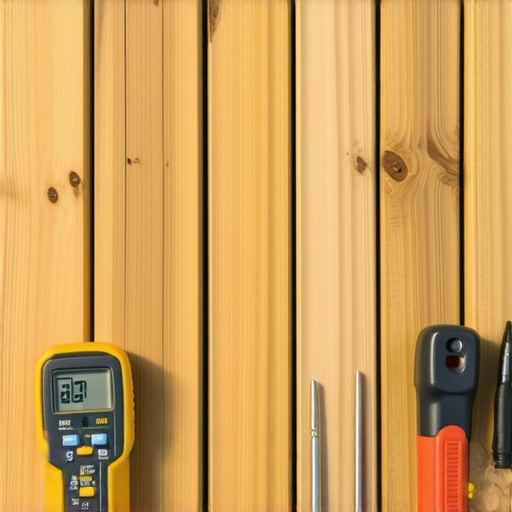
Equipping myself with a cordless oscillating multi-tool and a digital moisture meter transformed my maintenance routine. These tools help me catch potential issues early and execute precise repairs. Trusting brands like Dremel and brands recommended by local experts has saved me time and money. They enable me to perform tasks confidently, knowing I’m using reliable gear that withstands Needham’s humid climate.
Your Turn to Try
Taking the initiative to understand your deck’s needs can be empowering. Regular inspections and the right tools make a tangible difference in prolonging your deck’s life and safety. Remember, small, informed actions today can prevent costly repairs tomorrow. Why not start with a quick check of your post brackets or joists this weekend? Share your experiences below, and let’s build stronger, safer decks together!