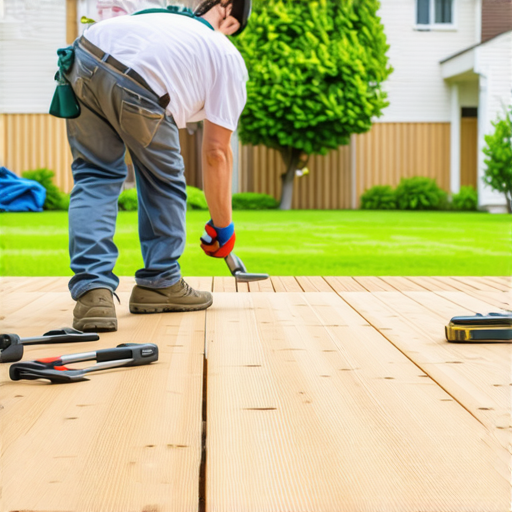
I’ll never forget the first time I attempted to restore my aged deck before a spring barbecue. The wood was streaked and faded, and I thought, how hard can this be? Turns out, quite a bit. That initial misstep taught me a valuable lesson: without a clear plan, a deck restoration can quickly turn into a frustrating, money-wasting project. But after years of trial, error, and a few busted boards, I finally cracked the code to a perfect spring deck renewal that lasts long into the Massachusetts summer.
Spring Cleaning? Or Spring Overhaul? Here’s What You Need
Many homeowners dive into deck projects thinking a quick cleaning or fresh stain will do the trick. But come spring 2026, the trend is leaning toward comprehensive upgrades—think smart materials, safety features, and maintenance plans that stand the test of time. What drew me in was the promise of a deck that not only looks stunning but also offers safety and durability, especially with the unpredictable New England weather. I want to share my journey and help you avoid the costly mistakes I made early on.
Wondering If All the Hype About Deck Restoration Is Worth It?
Honestly, I was skeptical about whether following a structured 7-step process was worth the effort. I always believed you could just slap on some stain and call it a day. However, I learned that skipping vital steps can lead to quicker fading, warping, or even structural issues. For example, neglecting to check wood for rot or to use the right stain can turn a simple project into a safety hazard. Early on, I made the mistake of rushing through the prep work, which set my project back months and cost me extra money. Now, I ensure I follow proven methods—like inspecting deck joists and choosing eco-friendly stains—that save me time and headaches later. Curious about how to get started right? There’s a comprehensive guide on making your deck safety-conscious for 2026 that I found invaluable.
What I promise is this: by embracing a structured plan before the warm weather hits, you’ll avoid common pitfalls and enjoy your backyard oasis for years to come. Ready to discover the exact steps I use to transform and maintain my deck? Let’s dive into the essentials that can make your 2026 spring deck transformation smooth and successful.
,
Scrutinize the Deck Before You Start
Begin by visually inspecting your entire deck for signs of rot, loose boards, or unstable railings. I once skipped this step and parked my heavy grill on a seemingly solid section — only to have it wobble dangerously. Use a pry bar to test suspect boards and a flashlight to check for concealed damage. Focus on areas prone to moisture accumulation, like beneath the railing and around deck joists. Addressing issues early prevents costly repairs down the line and ensures safety. For deeper insights, see why correct joist spacing matters.
Clear the Deck and Protect Surroundings
Remove all furniture, plants, and debris to give yourself a clean workspace. This step is like clearing your driveway before snow removal — it eases access and prevents accidents. Use the opportunity to evaluate which items need replacement or maintenance. I recommend covering nearby plants and walls with plastic sheeting to shield them from dust, debris, and cleaning chemicals. Proper preparation makes the restoration process smoother and safer. Don’t forget to check shade solutions if you’re planning to work for extended periods outdoors.
Strip Old Stain and Clean Thoroughly
If your deck’s color is fading or uneven, sanding or using a stain remover aids in preparation. I used a chemical stripper on my faded composite deck, which was messy but effective. Apply stripper evenly, wait as directed, then scrub with a stiff brush. Next, wash the surface with a pressure washer set to moderate pressure — too high can damage the wood or composite. Allow the deck to dry completely, usually 24-48 hours, before moving on. This ensures the new stain adheres properly and lasts longer. Learn more about restoring faded composite decks at how to restore composite color.
Repair Damage and Reinforce the Structure
Focused repairs involve replacing rotten or cracked boards, reinforcing loose joists, and applying protective sleeves to vulnerable areas. I used post sleeves to prevent rot around support posts, which drastically extended my deck’s lifespan. Ensure all fasteners are tight; loose screws can cause dangerous wobbling. Consider leveling uneven sections with shims or replacing warped joists. Consulting a professional can be worthwhile, especially when fixing load-bearing elements—more details at preventing wood-damaging pests. This step boosts safety and prepares your deck for sealing.
Select and Apply the Right Finish
Choosing the correct stain or sealer is critical. For Massachusetts weather, I favored weather-resistant, eco-friendly stains from top local brands. Apply the finish with a brush, roller, or sprayer in the direction of the wood grain to ensure even coverage. Work on a dry, overcast day to prevent rapid drying or streaks. Wait at least 48 hours before placing furniture back and expose the surface gradually to foot traffic. Proper sealing protects your deck from moisture, UV rays, and algae growth, which can cause unsightly stains and decay. For tips on preventing algae, visit preventing algae buildup.
Establish Routine Maintenance for Lasting Results
Routine checks and cleaning extend your deck’s life. As my experience taught me, annual inspections for loose fasteners, cracks, or signs of wear save money and prevent accidents. Regularly sweep leaves and debris to prevent mold. Reapply stain or sealant every 2-3 years, depending on exposure and material. Implement simple measures like installing post cap lights for night safety and adding anti-slip strips in high-traffic areas. A maintenance plan isn’t just about looks — it’s about safety and investing in your home’s value. Discover effective maintenance routines at homeowner deck safety plans.
Many homeowners believe that hiring a deck builder in Needham is simply about selecting the lowest bid or the fastest crew. However, this misconception overlooks the nuanced expertise required for durable and safe deck construction. In my experience, a common trap is assuming that all contractors are equally skilled at handling local weather challenges or designing functional outdoor spaces. For example, some clients expect a standard build but underestimate the importance of personalized features that enhance entertainment and safety, such as integrating advanced lighting or specialized railings. This is where many fall short, ultimately leading to costly revisions — which could have been avoided by engaging a professional who understands the regional nuances. According to a recent study by the National Association of Home Builders, expert craftsmanship correlates strongly with long-term satisfaction and safety, especially in areas with extreme weather patterns like Needham. Ensuring your deck is safety-conscious involves more than just good looks; it demands staying ahead of potential issues like moisture retention and frost damage, which are often overlooked by novices. Another misconception involves the choice of materials—many believe that any composite or wood will do, but the truth is, understanding material properties and their suitability for local conditions significantly impacts longevity. For instance, I recommend exploring options at top wood stains suited for Massachusetts to maximize durability.
Let’s dig deeper into a hidden nuance that often trips up even seasoned DIYers: Underestimating the importance of custom design versus off-the-shelf solutions. Standard plans may seem convenient, but they rarely align with your unique yard layout or lifestyle needs. Collaborating with a dedicated deck designer ensures your outdoor space is both beautiful and functional, avoiding costly adjustments later. Moreover, many avoid the investment in proper foundation inspections, risking structural failures that could compromise safety—especially in frost-prone areas like Needham. In fact, a survey published by the Home Improvement Research Institute emphasizes that proactive structural assessments can prevent 80% of major deck failures.
Finally, beware the myth that DIY repairs or refinishing are always cheaper and easier. While tempting, such shortcuts often cost more in the long run, particularly if you lack knowledge of local building codes and safety standards. For example, mismatched joist spacing or improper fastener types can lead to early deterioration. Educating yourself and consulting professionals ensures compliance and peace of mind. Want to dive into comprehensive maintenance strategies? Check out my annual deck maintenance plan.
Have you ever fallen into this trap? Let me know in the comments. Remember, choosing the right professional isn’t just about price — it’s about expertise, regional knowledge, and the ability to craft a space that lasts.
Keep It Working: Tools I Recommend for Deck Maintenance
Maintaining a durable, beautiful deck over time requires the right tools and techniques. From cleaning to repairs, having reliable equipment makes all the difference. One tool I swear by is the Cordless Pressure Washer. I use a lightweight model with adjustable pressure settings, which allows me to remove dirt and algae without risking damage to composite surfaces. This approach aligns with expert advice from specialists in deck upkeep, emphasizing the importance of gentle cleaning methods for preservation.
For routine inspections, I rely on a Torque Wrench. Tightening loose fasteners uniformly prevents wobbling and structural issues. Regular checks, guided by torque specifications from industry standards, extend deck lifespan significantly. Additionally, I use a Digital Moisture Meter to detect hidden rot or trapped moisture beneath the surface—key in avoiding costly repairs down the line. Staying ahead of moisture issues is critical, especially in moisture-prone climates, as highlighted by regional building advice.
When it comes to repairs, I turn to Composite Deck Board Saws designed explicitly for composite material. They provide clean cuts without damaging the material, essential for seamless replacements. For sealing and finishing, a high-quality HVLP Spray System ensures even coating application, reducing waste and job time. Using the right tools isn’t just about convenience; it’s about ensuring safety, integrity, and a long-lasting finish—factors that will benefit your deck’s performance for years, as seen in community case studies.
How do I maintain my deck tools over time?
Proper upkeep of your tools is vital for longevity. Clean the pressure washer’s nozzles after each use to prevent clogging. Store power tools in a dry, temperature-controlled space and regularly calibrate precision instruments like torque wrenches and moisture meters. Lubricate moving parts and replace worn-out blades or nozzles as needed. Following these maintenance tips will keep your equipment performing at peak level for every project. Looking ahead, the trend is moving toward smart tools with digital diagnostics and app integration, streamlining maintenance routines and enhancing precision, as discussed in future-focused industry insights.
Try upgrading your cleaning regimen with an adjustable pressure washer and see how much easier and more effective routine maintenance becomes. Consistency and quality tools are your best allies in keeping your deck safe and beautiful for the long haul. Ready to invest in the right equipment? It’s a game changer for any committed homeowner.

The Hardest Lesson I Learned About Deck Builders Needham
One surprising realization was that skipping the inspection of support posts early on can lead to costly repairs later—trust me, I learned this the hard way. Taking the time to evaluate every beam and joint beforehand saves time and money in the long run.
Tools That Transformed My Deck Maintenance Routine
Investing in a quality digital moisture meter and a versatile pressure washer revolutionized my approach to upkeep. These tools help me identify problems early and clean effectively without damaging delicate surfaces, making ongoing maintenance much less daunting.
Your Next Deck Upgrade Starts Now
Don’t wait for visible damage—stay proactive with regular inspections and timely repairs. Whether you’re adding smart lighting or choosing eco-friendly stains, taking action today will ensure your deck remains a safe and beautiful gathering space for years to come. Ready to jump into your project? Share your plans or questions below and let’s build the perfect outdoor haven together!
Reading through this detailed guide really resonated with my own experience in deck restoration. I initially underestimated the importance of inspecting support posts and failed to catch some early signs of rot, which led to costly repairs down the line. Your emphasis on thorough inspection and proactive maintenance is so critical, especially in climates prone to moisture and frost. I’ve also found that investing in quality tools like a digital moisture meter and a good pressure washer makes a huge difference—not just in the quality of the clean but in catching problems early. One challenge I faced was choosing the right finish; I’d love to hear from others about their preferred eco-friendly stains that stand up well in humid conditions. Also, do you have tips on extending the lifespan of the protective sealant in variable weather? I think sharing more about the long-term maintenance would really help homeowners plan better for a durable, safe deck that lasts for years.