
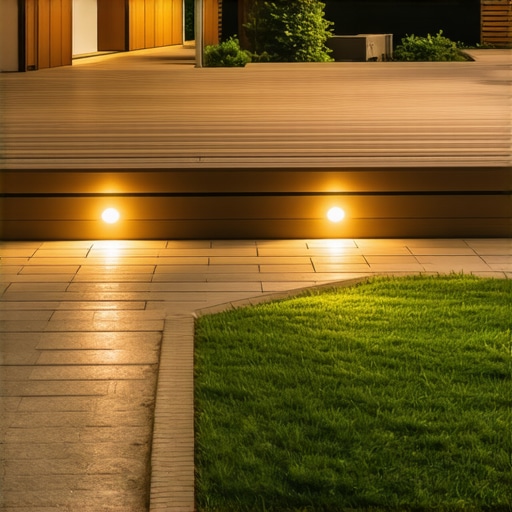
It was one of those evenings when I stepped outside to close up my porch light, only to realize my deck was barely visible in the soft glow of dusk. A few years ago, I overlooked the importance of proper lighting, thinking it was just for safety or aesthetics. But that night, I saw how inadequate lighting dulled my home’s charm and made my yard appear uninviting. That was my lightbulb moment. Since then, I’ve been on a mission to find the best deck lights that not only illuminate but also boost curb appeal, especially with 2026 bringing new styles and innovations.
Why Brighten Up? The Hidden Power of Deck Lighting
In my experience, well-chosen deck lights can transform your outdoor space from ordinary to extraordinary. They do more than just help you see at night; they create ambiance, enhance security, and make your home stand out in the neighborhood. Studies show that homes with creative outdoor lighting see an increase in perceived value — some suggesting up to 20% more curb appeal — which, in a competitive market, can make all the difference. But choosing the right lights isn’t merely a matter of aesthetics; it requires understanding your specific needs, climate considerations, and style preferences.
Have you ever struggled with dull or lackluster outdoor lighting that didn’t do your deck justice? If so, you’re not alone. I once installed inexpensive string lights that flickered after a few months, leading to frustration and additional spending — a mistake I don’t want you to repeat. Instead, I want to share insights from my journey to better lighting solutions that stand the test of time and weather.
Before diving into styles and features, it’s essential to recognize that the market in 2026 offers some exciting developments, including solar-powered options, smart lighting control, and durability tailored for New England climates. Curious how to start upgrading your deck lighting effectively? Keep reading, and together, we’ll explore the best options to enhance your home’s charm and functionality.
Start with a Lighting Plan that Reflects Your Needs
First, assess your deck’s size, layout, and usage patterns. Sketch a basic diagram marking areas where illumination is essential, such as seating zones, pathways, and entry points. Use a simple flashlight or digital app to simulate how lighting will distribute during night hours. I remember when I first attempted this; I laid out temporary lanterns around my deck, and it quickly revealed dark spots I hadn’t considered, guiding me to install targeted lights instead of overspending on unnecessary fixtures.
Choose Lights that Match Your Style and Climate
Next, select lighting fixtures suited for outdoor use in Needham’s weather. For a modern look, consider solar-powered post caps that also add a decorative touch. For a more classic vibe, low-voltage path lights work well and are energy-efficient. Remember, durability is key—look for waterproof, rust-resistant materials, especially if you plan to enjoy your deck year-round. When I replaced my old string lights, I opted for LED versions with weatherproof housings, which proved to be more reliable in winter months, saving me time and hassle. If you’re uncertain about the best options, check out our guide on choosing the right deck lighting for security and style to make informed decisions.
Map Out Placement for Optimal Coverage and Safety
Strategically position your lights to eliminate dark corners and highlight architectural features. Use pathway lights along steps and walkways to prevent accidents, much like outlining a treasure map to ensure safe navigation. For instance, I installed recessed stair lights beneath the handrails, which offered safe footing at night without the glare of overhead fixtures. This placement also accentuated my deck’s intricate railings, boosting curb appeal. Avoid clustering lights too closely; aim for even spacing—roughly 4 to 6 feet apart—to achieve a balanced glow. For guidance on securing lights properly, consult our article on how to properly install deck lighting.
Integrate Smart Controls for Convenience
To enhance usability, incorporate smart lighting solutions. Wi-Fi-enabled switches and timers allow you to automate lighting schedules, so your deck always looks inviting without manual effort. I added a smart plug to control my string lights remotely, which proved handy during spring cleanup—no more fumbling with tangled cords in the dark. When planning your setup, ensure your Wi-Fi signal reaches your deck and consider voice control options compatible with your devices. Seamless control means consistent ambiance and security; check out our recommendations on smart lighting options for decks that make automation straightforward.
Test and Adjust Before Finalizing
Finally, turn on your lights at night and evaluate their effectiveness. Walk around your deck to observe shadow patterns, brightness levels, and safety coverage. Adjust fixture positions if necessary—sometimes a slight shift can make a significant difference. For instance, I realized my pathway lights cast shadows that made the stairs look steeper, so I repositioned them for better illumination. Consider inviting family or friends over to get fresh perspectives on the lighting. Remember, proper testing and fine-tuning can turn an average setup into a stunning centerpiece, elevating your outdoor experience. For additional tips, see our guide on building long-lasting decks with integrated lighting.Many homeowners believe that simply choosing the most popular materials or following generic guidelines guarantees a durable, stunning deck. In reality, some widely accepted practices often overlook critical nuances that can compromise your project’s longevity. For instance, while many assume that pressure-treated wood is maintenance-free, neglecting proper sealing and regular inspections can lead to premature rot and costly repairs, as highlighted in expert studies on wood durability. Additionally, a common myth is that bigger decks always increase property value; however, neglecting local zoning laws and aesthetic harmony with your home can result in legal issues or diminished curb appeal.
A trap I encountered early on involved overspending on premium fasteners without considering the climate’s effect; using corrosion-resistant fasteners is vital in coastal or humid environments—something easily overlooked but crucial for long-term stability. Moreover, many underestimate the importance of correct framing and support structures, which if poorly executed, may cause sagging or structural failure over time. For an advanced homeowner aiming for excellence, understanding the interplay between soil type and footing depth becomes essential, as improper foundation design can lead to uneven settling or shifting, compromising the entire deck. Studies from structural engineers emphasize meticulous site assessments before construction.
Are you aware that neglecting proper flashing and drainage during installation can create hidden water damage behind your deck, culminating in expensive repairs? This sneaky issue often goes unnoticed until significant deterioration occurs. To avoid these pitfalls, investing in professional guidance and detailed planning pays off, especially when integrating features like solar vents or custom railings. If you’re interested in elevating your deck project beyond the basics, I recommend exploring articles about [building decks that last 30 years or more](https://deckbuildersneedham.com/how-to-build-a-deck-that-lasts-30-years-or-more) and the importance of correct drainage and flashing.
Let’s dig deeper into what most overlook and turn your deck into a resilient outdoor sanctuary. Have you ever fallen into this trap? Let me know in the comments.Maintaining a deck that endures the test of time requires more than just routine inspections; it calls for the right tools and a strategic approach. One of my go-to tools is a moisture meter, such as the Wagner Meters Orion 955, which I use quarterly to assess wood moisture levels. This device helps me determine when to reapply sealants or stains, preventing under- or over-application that can lead to premature wear. Regular use of a quality power washer, like the Simpson Cleaning ALH3425, allows me to deep-clean my deck without damaging timber, especially before applying protective finishes. The key is adjusting the pressure to suit the material—typically around 1500 psi for wood—and using a fan nozzle to distribute water evenly.
In addition, I rely on handheld tools like a shave hook and a stiff-bristle manual scrub brush to address stubborn dirt and mildew, particularly in tight corners or textured surfaces that power washers might miss. These tools give me greater control, ensuring thorough cleaning without risking high-pressure damage.
For ongoing upkeep, I’ve invested in smart monitors that connect via Bluetooth to my smartphone. These devices track environmental conditions likely to affect my deck—like humidity and temperature—and send reminders for maintenance tasks. While some might consider them optional, I find they help me plan timely sealing and check-ups, especially during peak weather changes in Needham.
Prediction-wise, I expect these tools to become more integrated with IoT technology, providing even more precise maintenance schedules based on real-time environmental data. Automated systems could alert homeowners about potential issues before visible deterioration occurs.
How do I keep my deck in top shape over time? It all begins with consistent cleaning, detailed inspections, and proactive sealing—using tools designed specifically for each task. For instance, when reapplying protective coatings, I utilize a high-quality brush, like the Wooster Shortcut Flat Brush, to achieve a smooth, even finish. Remember, neglecting small issues today can lead to costly repairs tomorrow, so staying vigilant with the right tools makes all the difference.
If you want to extend your deck’s lifespan, I highly recommend investing in a moisture meter and adopting a regular cleaning schedule. For tailored advice, check out our comprehensive guide on how to properly seal the ends of your deck boards, ensuring no part is overlooked. Don’t wait for signs of damage—start implementing these tools and techniques now, and your future self will thank you.
Lessons from My Decks: Surprising truths I’ve Discovered
One of the most valuable insights I gained was that the devil is truly in the details. Overlooking small aspects like proper drainage or using corrosion-resistant fasteners in the right environments can jeopardize the longevity of your deck. A lesson I learned the hard way was that comprehensive planning and paying attention to local climate specifics are essential for long-term success, rather than just relying on generic advice. Additionally, I realized that integrating smart controls not only simplifies maintenance but also enhances security and creates an inviting atmosphere effortless to manage. These lightbulb moments have transformed my approach, and I believe they can do the same for you.
My Toolbox for Deck Mastery: Tools and Resources I Trust
If you’re serious about building and maintaining a durable deck, I recommend investing in a moisture meter like the Wagner Orion 955 to monitor wood health over time. Pair that with a quality power washer, such as the Simpson Cleaning ALH3425, for routine cleaning—crucial for preventing mildew and decay. I’ve also found that smart environmental monitors that track humidity and temperature help me forecast and plan sealing or staining sessions [read more about proper sealing techniques](https://deckbuildersneedham.com/how-to-properly-seal-the-ends-of-your-deck-boards). For selecting lighting, I rely on resources like our guide on deck lighting choices that combine aesthetics with durability. These tools and references continue to shape my approach, ensuring my deck remains inviting, safe, and long-lasting.
Your Next Move: Embrace the Future of Deck Care
The future of elegant, resilient decks is in your hands. Every small improvement—whether it’s choosing better materials, installing smart lighting, or regularly testing moisture—can dramatically extend your deck’s lifespan. I encourage you to take that first step today, whether it’s reassessing your current setup or scheduling a maintenance routine. Your outdoor space is more than just a backyard addition; it’s a sanctuary that, with the right care and tools, can bring joy for decades to come. Remember, the key to mastery lies in continuous learning and applying those insights thoughtfully. So, what particular aspect of deck building or maintenance are you excited to improve next? Let’s discuss!