One sunny afternoon, I stepped onto my deck—and felt that unsettling wobble underfoot. My heart sank. A quick glance revealed what I dreaded: the post brackets, the very parts holding up my beloved outdoor space, were starting to give way. That lightbulb moment made me realize how overlooked a small component like brackets can become a big hazard if neglected. Now, I want to share my experience and help you avoid the stress (and potential accidents) of discovering deck issues too late.
Why Checking Your Deck Post Brackets Is a Must for Homeowners
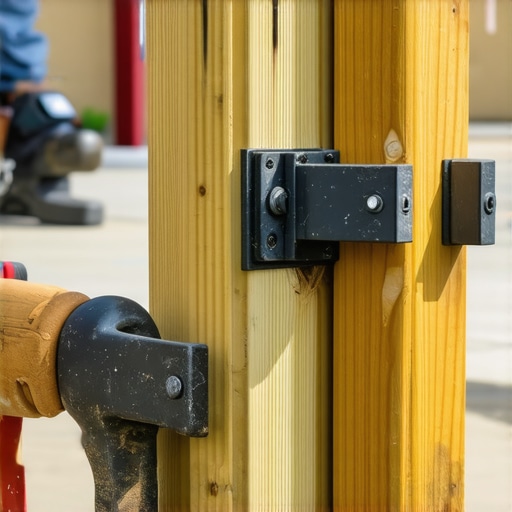
Deck post brackets are the unsung heroes of your outdoor setup, anchoring your deck securely to the ground or house. But over time, weather exposure, New England’s seasonal swings, and everyday wear can compromise their integrity. Failure to inspect them regularly can lead to more serious structural issues—sometimes even collapse, which no one wants to face. A study by the Consumer Product Safety Commission found that deck failures account for over 50,000 injuries annually in the U.S., many of which involve posts and support brackets. Clearly, neglecting these small yet vital parts isn’t just a minor oversight; it’s a safety risk.
Early detection is key. Spotting issues like rust, cracks, or loose fittings can save you money, time, and prevent accidents. For me, the wake-up call was realizing that what seemed like a minor wobble could have easily turned into a major disaster if I’d ignored it. That’s why I now make it a habit to check my brackets at the start of every season. And I recommend you do the same. Regular maintenance not only extends the life of your deck but also keeps your outdoor haven safe for family and friends.
Is Checking Your Deck Brackets Honestly Worth the Hassle?
Honestly, I used to think that inspecting brackets was a chore I could skip in favor of enjoying my deck. But after early mistakes—like missing signs of rust that led to costly repairs—I learned my lesson. Skipping inspections or assuming that all is well until visible damage appears can be a gamble. If you want to avoid surprises, a simple visual check can save you from expensive fixes down the line. Plus, a professional inspection can identify hidden problems, especially with older decks. Want to learn how to assess and maintain your brackets effectively? Dive into my step-by-step guide below.
In the upcoming sections, I’ll walk you through how to spot the warning signs of bracket failure and share tips on how to keep your deck sturdy and safe for years to come. Ready to get started? Let’s ensure your outdoor retreat remains a source of joy, not worry.
Not sure where to begin? Check out this guide on fixing structural issues for more insights. And if weather is a concern, learn why Needham decks need special treatment to withstand annual rain and snow.
Assess the Damage Before You Begin
Start by visually inspecting your deck post brackets for rust, cracks, or loose fittings. I once noticed a slight wobble, which seemed minor but turned out to be a loose bracket after closer inspection. Use a flashlight to check hidden spots and get a clear picture of what needs repair. Remember, catching early signs of deterioration prevents costly future fixes. Remove debris around the brackets to get an unobstructed view and evaluate if the support post is shifting or showing signs of rot.
Gather Essential Tools and Materials
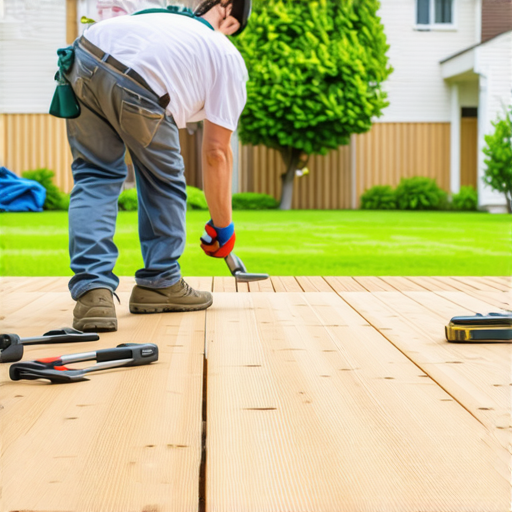
Prepare a toolkit including a drill, screwdriver, wrench, hammer, and safety gear. For materials, acquire replacement brackets, galvanized or stainless steel fasteners, wood preservative if wood is affected, and protective gloves. Using the right tools ensures efficiency when removing damaged brackets and installing new ones. I recommend replacing all brackets and fasteners in the affected area if multiple are compromised, to prevent uneven support.
Detach the Old Brackets Carefully
Using a screwdriver or wrench, remove the bolts or screws holding the damaged brackets. Be cautious to avoid damaging the supporting post or surrounding wood. In my experience, applying a rust penetrant spray beforehand made loosening rusted fasteners easier. Keep handy a magnet or container for the nuts and bolts to avoid losing any hardware. If the brackets are rusted or bent, replace them entirely rather than attempting to repair, as compromised brackets can jeopardize your deck’s safety.
Prepare the Supporting Posts for New Brackets
Next, clean the post surface where the new bracket will attach. Sand any rough edges or splinters. If you notice rot or soft wood, consider treating or replacing the post. Applying a wood preservative helps extend the life of your support structure. It’s a good time to check the overall structural integrity, referencing [how to fix structural issues without tearing down your deck](https://deckbuildersneedham.com/how-to-fix-structural-issues-without-tearing-your-deck-down). Ensuring the post is level and clean guarantees a tight fit for the new bracket.
Install the New Brackets Correctly
Align the new brackets with the existing post holes or marks. Secure them with weather-resistant fasteners—preferably galvanized or stainless steel to prevent rust. Screw or bolt in tight but avoid over-tightening, which could crack the wood. In my recent project, paying attention to proper torque prevented future loosening. Make sure brackets sit flush and support the post firmly. If your deck features fancy post caps, double-check they will fit over the installed brackets, maintaining both function and aesthetics.
Seal and Protect the Repair
After installing the brackets, apply a wood preservative or sealant around the attachment points to guard against moisture infiltration. This step is vital, especially if you’re in an area like Needham where seasonal moisture can accelerate decay. For added safety and longevity, consider installing [solar caps on your deck post](https://deckbuildersneedham.com/how-to-install-solar-caps-on-your-deck-post-in-minutes), which provide protection against weather and enhance visual appeal.
Verify Structural Stability
Finally, test your repair by gently rocking the post and observing for wobble or movement. If it feels solid, you’ve likely succeeded. Otherwise, double-check the fasteners or re-align the brackets. Regularly repeating this process helps maintain deck safety and prevents unexpected breakdowns. For comprehensive deck support tips, explore [fixing structural issues](https://deckbuildersneedham.com/how-to-fix-structural-issues-without-tearing-your-deck-down). Proper execution of these steps will give your deck a renewed, secure feel and give you peace of mind for seasons to come.Many homeowners assume that selecting a local deck builder in Needham simply boils down to price or quick turnaround. However, a common misconception is that all contractors adhere to the same standards and practices. In reality, the subtle differences in expertise, attention to detail, and understanding of local climate challenges can dramatically influence the longevity and safety of your deck. For example, some builders might prioritize aesthetics over structural integrity, leading to issues down the line. According to a study by the National Association of Home Builders, only 65% of decks built without adherence to proper codes and standards last more than 10 years, highlighting the importance of choosing experienced professionals. Let’s dig deeper into what this means for you and how to ensure your project is handled with precision and care.
Keep Your Deck in Top Shape with Precision Tools
Maintaining a durable and safe deck requires not just regular inspections but also the right equipment. Personally, I rely heavily on a high-quality cordless impact driver because it makes removing stubborn fasteners effortless without damaging the wood. When replacing brackets, I prefer a #2 Phillips head drill bit to ensure a snug fit, especially when installing galvanized fasteners that resist rust and corrosion. For measuring, I trust a laser distance meter, which provides quick, accurate readings to verify post levels, ensuring the support remains perfectly aligned over time.
Cleaning and treating your deck also benefit from specialized tools. A power washer with adjustable nozzles helps remove stubborn grime without damaging the wood’s surface. For stain and sealant application, an airless sprayer guarantees even coverage, saving time and reducing mess. I personally choose Fuji semi-pro models because they deliver consistent spray patterns essential for a professional finish. Additionally, using long-handled brushes allows for detailed cleaning in tight corners, prolonging the life of your wood.
Future-Proof Your Maintenance Routine
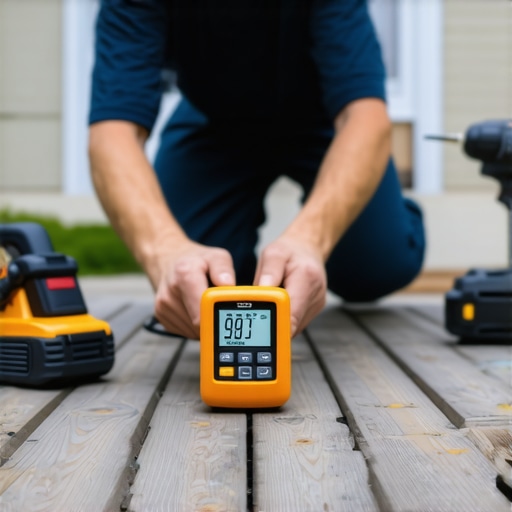
As technology advances, so do the tools at our disposal. Digital moisture meters, for example, can detect hidden rot or mold before it becomes visible, preventing extensive repairs. Automated watering and rain sensors help maintain consistent moisture levels, crucial for exterior wood preservation in climates like Needham’s. I predict that integrating smart sensors with your deck’s maintenance routine will become standard practice, allowing homeowners to respond proactively to changing weather conditions and interior degradation.
How do I keep my deck support system reliable over time?
The key to long-term deck stability lies in routine inspections combined with effective tools. Regularly check fasteners with a torque wrench to prevent loose connections. Applying weather-resistant sealants with sprayers ensures even coating, protecting against moisture ingress and rot. Remember, subtle signs like discoloration or soft wood can signal deeper issues. Investing in advanced diagnostic tools and staying consistent with maintenance schedules can save you thousands in future repairs.
If you’re ready to take your deck maintenance to the next level, try using an automated moisture meter combined with scheduled inspections. This approach offers precise oversight of your deck’s health, especially in high-humidity seasons. For more detailed guidance on structural integrity, don’t miss visiting this comprehensive resource. Staying proactive with your tools and routine ensures your outdoor retreat remains both beautiful and safe for many years.
Three Surprising Lessons I Didn’t Expect to Discover
First, I realized that even minor-looking rust or a slightly loose bracket could be ticking time bombs for my deck’s safety, reinforcing the importance of thorough inspections. Second, I learned that investing in high-quality, weather-resistant fasteners and brackets pays off in the long run—saving me money and stress. Lastly, I uncovered how crucial it is to regularly revisit and recheck your deck’s support system—maintenance isn’t a one-time task but an ongoing commitment to safety and durability.
My Top Tools and Resources for Deck Care in Needham
For my deck projects, I’ve come to rely on a cordless impact driver and a torque wrench—these tools make securing brackets tight and secure. I also trust the comprehensive guides from Deck Builders Needham for trusted advice tailored to our climate. A power washer helps me keep the wood surface pristine without damage, and an automated moisture meter keeps tabs on hidden rot issues—valuable for avoiding costly repairs later. These tools and sources truly make the difference in ensuring my outdoor space remains safe and beautiful.
Your Deck Safety Story Starts Now
Taking proactive steps today ensures your deck remains a safe haven for years to come. Regular inspection, quality materials, and trusted resources form the trio that safeguards your investment. Remember, safety isn’t just about avoiding accidents—it’s about creating an outdoor space where memories are made worry-free. I encourage you to start your own routine of inspection and maintenance—your future self will thank you for the peace of mind. Ready to give your deck the attention it deserves? Share your experiences or ask questions below—let’s keep our outdoor retreats safe and stunning together!
,