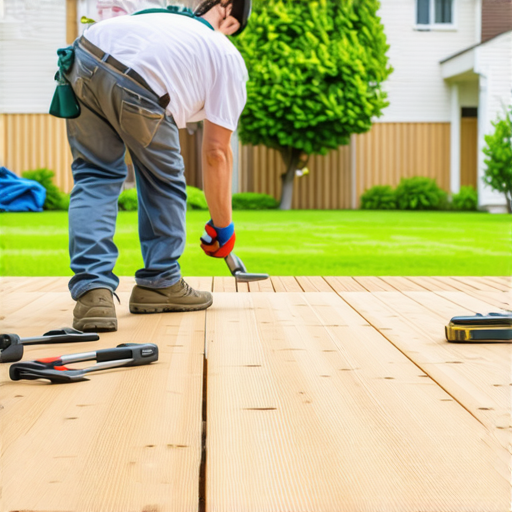
It was a sunny Saturday morning when I finally took a closer look at my deck. What I saw made my stomach drop—splintered wood, wobbling corners, and that unsettling feeling that my backyard retreat was more of a hazard than a haven. I remembered the time I stubbornly decided to replace the entire deck when small issues showed up, thinking it was the only way to fix the problem. Turns out, I was wrong, and that costly mistake could have been avoided with some smarter strategies.
Reviving Your Deck Without the Chaos of Total Replacement
If you’re like me, the thought of tearing down your beloved outdoor space can be downright daunting. The expense, the mess, and the time lost—it’s enough to make anyone want to give up. But here’s the good news: you don’t always have to start from zero. With a bit of know-how and some practical tricks, you can repair and strengthen your deck, saving you money and preserving the memories tied to it. Today, I’ll walk you through proven techniques I’ve used and trusted, so you can breathe new life into your outdoor oasis without the headache of a full rebuild.
Think this is too complicated or risky? Think again.
One mistake I made early on was ignoring the importance of proper inspection. Skipping this step led to patching superficial blemishes while missing underlying rot. Trust me, taking the time to check every post, joist, and beam is essential. For a comprehensive starting point on evaluating your deck’s safety and stability, consider reviewing checking your deck posts for verticality and stability. Knowing exactly what needs fixing prevents so much unnecessary work down the line.
Before diving into repairs, a little planning goes a long way. Find out which issues are superficial and which require more serious attention. Often, simple measures like replacing worn fasteners or refastening loose boards can dramatically improve safety and appearance. Want some ideas on how to choose quality hardware? Check out why hidden fasteners matter.
As you explore the repair process, remember that the goal isn’t just to fix the surface but to ensure your deck remains safe and sturdy for years to come. With tips on sealing, reinforcing, and even adding modern features, you’ll be surprised at how much life you can breathe into your existing structure. Ready to learn the actionable steps? Keep reading, because your perfect backyard oasis is closer than you think.
Assess and Prepare Your Deck Carefully
Begin by conducting a thorough inspection, focusing on post stability, joist integrity, and surface condition. I remember I once skipped this step and jumped straight into replacing boards, only to discover rot in hidden corners later, leading to more work. Use a carpenter’s level to check verticality of posts and evaluate the wobbliness. If unsure, examine checking your deck posts for verticality and stability for detailed guidance. Proper preparation ensures you target the real issues and avoid unnecessary repairs.
Replace or Reinforce Critical Structural Elements
Deal with Rot and Loose Components
Identify and replace rotten or compromised posts, beams, or joists. For example, I once jacked up a sagging corner and replaced a severely damaged post with a new pressure-treated piece, using adjustable post bases for a secure fit. Reinforce connections with galvanized hardware and consider installing hidden fasteners for safety and longevity, as detailed here. This approach not only stabilizes the structure but also preserves its aesthetic.
Ensure Proper Spacing and Mounting
Check that joist spacing aligns with your decking material specifications, especially if switching to composite boards. Use a measuring tape and a string line to verify distances before attaching new boards. For concrete patios, compare different mounting systems here to find a stable method. Proper spacing prevents warping and ensures a smooth, safe surface for years to come.
Secure and Fasten Correctly for Safety
Fasten loose boards with corrosion-resistant screws or hidden fasteners. During one project, I opted for stainless-steel screws, which prevented rust and gave a cleaner look. When attaching planks, use a drill with torque control to drive fasteners at consistent depth, avoiding splitting. Consider the role of fastener type and placement in overall safety—detailed explanations are available here. Proper fastening techniques are critical to preventing accidents and future repairs.
Finish with Sealing and Protective Measures
Seal the ends of each board immediately after installation, as described here. I applied a high-quality, non-toxic stain to my deck following this step, which significantly extended its lifespan, especially in our humid climate. Regularly inspect and reseal every 2-3 years to protect from moisture and UV damage, essential for maintaining structural integrity and appearance over time.
Enhance Your Deck’s Safety and Function
Adding modern features like lighting or drainage systems transforms your repair into an upgrade. For instance, integrating an under-deck drainage system allowed me to enjoy the space even during rain. Explore options like these systems to improve usability. Remember, well-executed repairs don’t just fix problems—they improve your entire outdoor experience, making your deck safer and more enjoyable for years ahead.
While many assume that choosing a local deck builder in Needham is a straightforward task, the truth is far more nuanced. Common myths often cloud judgment, leading homeowners to prioritize price over quality or overlook critical safety standards. One misleading belief is that all local builders offer comparable craftsmanship, but in my experience, the differences are stark and can significantly impact your project’s durability and safety. Relying solely on online reviews without assessing a builder’s specific expertise can be a costly mistake. Instead, a thorough evaluation, such as checking for proper licensing and insurance, is essential—more on that can be found here.
Many homeowners also underestimate the importance of detailed project planning. Skipping this step often results in miscommunications, leading to delays or subpar results. Advanced clients understand that a precise scope of work, including structural inspections and material specifications, ensures the project meets expectations. Moreover, choosing the right fastening system, like hidden fasteners, can dramatically improve both safety and aesthetics.
How can overconfidence lead to safety oversights?
One of the most insidious pitfalls is homeowners’ overconfidence in DIY repairs or superficial inspections. This often leads to ignoring underlying issues like rot or structural weakness that require professional intervention. For instance, skipping a comprehensive assessment can cause catastrophic failure years down the line. According to engineering standards, comprehensive inspections must examine load-bearing components—something a layperson may miss. Engaging a certified expert not only assures safety but can also identify cost-saving opportunities, such as optimizing joist spacing or material choices for enhanced longevity, as discussed here.
It’s also worth noting that affordable upfront costs may hide long-term expenses. Cheaper materials or shortcuts on fastening methods can result in significant repairs later. For example, opting for inferior fasteners might save a few dollars initially but will likely lead to rust and deck instability over time—highlighted in the benefits here. Recognizing these nuances empowers you to make informed decisions, avoiding costly regrets.
Advanced insights also include understanding local climate influences, such as Massachusetts’ freeze-thaw cycles, which affect material choice and design considerations. Incorporating expert advice like laser leveling techniques during installation ensures a perfectly flat and resilient deck, which is a major factor in long-term satisfaction. If you’re curious, detailed info on this process can be found here.
So, are you falling prey to any of these common misconceptions? Have you ever overlooked a crucial detail that later cost you? Let me know in the comments. Remember, understanding these hidden nuances is key to achieving a safe, durable, and beautiful deck that stands the test of time.
Keep It Working: Essential Tools for Deck Maintenance
Maintaining a beautiful and safe deck requires the right equipment and a strategic approach. Personally, I rely on a high-quality cordless drill with adjustable torque and a variety of screwdriver bits to ensure precise fastening and removal of fasteners without damaging the material. A digital moisture meter is indispensable in detecting hidden rot or excessive moisture content, especially in areas prone to water pooling or high humidity. I’ve found that investing in a laser level, as discussed here, significantly improves the accuracy of surface leveling, ensuring a professional finish and long-term stability.
Power washers with adjustable pressure settings are another vital tool. I prefer models with a wide spray pattern to clean surface grime without damaging the wood or composite material. Regularly using these tools not only keeps the deck looking pristine but also extends its lifespan by removing mold, algae, and dirt that accelerate deterioration.
How do I maintain my tools over time?
Proper maintenance of your equipment ensures reliability and longevity. I routinely clean my power tools with compressed air after each use and store them in a dry place. Regularly replacing worn drill bits, blades, and fasteners prevents mishaps. Following manufacturer guidelines for lubrication and part replacement can save you from costly repairs and downtime, making your maintenance routine more efficient and less stressful.
Looking ahead, I believe the trend toward smart maintenance tools—such as app-connected moisture meters and automated cleaning systems—will revolutionize deck upkeep in the next few years. Embracing these advancements early can give you a significant edge in preserving your investment.
Preserving Long-Term Results with Smart Strategies
Consistent inspections, timely repairs, and using quality products are the foundation of a durable deck. Incorporating tools like the moisture meter and laser level into your routine ensures accuracy and helps prevent small issues from turning into costly fixes. For example, regular moisture inspection can catch hidden rot before it compromises the structure, saving time and money down the line.
If you’re ready to elevate your maintenance game, start by integrating a moisture meter into your toolkit. It’s a small investment that provides peace of mind and measurable results over time. And don’t forget: proper sealing and protective measures are just as critical. Applying a high-quality sealant, as explained here, dramatically extends your deck’s lifespan, especially in harsh weather conditions.
In the future, I see more homeowners adopting comprehensive, tech-assisted maintenance strategies that combine traditional tools with advanced diagnostics. This holistic approach ensures your deck remains not only functional but also an attractive focal point in your outdoor space. So, I encourage you to try out a laser level or moisture meter on your next project—these tools can make all the difference in achieving a safe, enduring outdoor retreat.
Hidden Pitfalls That Almost Cost Me Dearly
One of my biggest lightbulb moments was realizing how often overlooked rot in hidden corners can undermine an entire deck’s safety. I used to think a quick visual check was enough, but I learned the hard way that thorough inspections—taking apart parts and probing each beam—are essential for long-term durability. Missing that step nearly led to a costly disaster, and now I know better, emphasizing the importance of professional evaluations or detailed DIY inspections.
Tools That Transformed My Deck Repairs
Investing in a good moisture meter and laser level changed my approach forever. These tools aren’t just gadgets; they are game-changers in ensuring precise repairs and long-lasting results. I trust these because they caught issues not visible to the naked eye, like hidden water damage or uneven surfaces, saving me from future headaches. For anyone serious about deck repair, incorporating these tools is a must—even if it costs a bit upfront.
One Surprising Fix That Saved My Deck
Applying high-quality sealant after repairs seemed simple, but I underestimated its importance until I saw how much it protected my deck from moisture and UV damage. I found that resealing every few years maintains the integrity of the wood or composite, especially post-repair. It’s a small step that delivers huge benefits, and I highly recommend it for anyone looking to extend their deck’s lifespan.
Curiosity Led Me to Better Repair Strategies
Discovering the benefits of hidden fasteners and proper joist spacing opened my eyes to how much craftsmanship matters. These details might seem minor, but they directly impact safety and appearance. Learning from experts and adopting these techniques helped me avoid common pitfalls and created a deck that’s not just repaired, but genuinely improved. It’s a reminder that paying attention to the details pays off in the long run.
Curated Tools for the DIY Enthusiast
If you’re committed to maintaining or repairing your deck, I recommend a sturdy cordless drill with adjustable torque, a moisture meter I trust, and a laser level. These tools empower you to do precise work, catch hidden issues early, and achieve a professional finish without hiring help. Personally, I found that regularly maintaining my tools with proper care extends their lifespan and ensures consistent performance, which is essential for ongoing deck health. For more advanced tips, check out why 2026 deck stains are more durable.
Embrace These Lessons and Keep Your Deck Strong
The key takeaway is that proactive, informed repairs prevent bigger problems down the road. Regular inspections, quality materials, and smart techniques like sealing and hidden fasteners create a sturdy, beautiful space for years to come. By investing in proper tools and knowledge now, you’ll turn maintenance into an act of care that preserves your outdoor oasis. Remember, a well-maintained deck isn’t just safer—it’s your sanctuary to enjoy long after the initial repair.
The Power of Taking Action Today
Now that you know these insider lessons, I encourage you to start small. Inspect your deck thoroughly, gather a few quality tools, and plan your next repair with confidence. Every step you take improves your outdoor space and ensures safety for everyone who enjoys it. Don’t wait until small issues become emergencies—your perfect backyard retreat is within reach if you act now. So, what’s the first step you’ll take this weekend to care for your deck? Share your plan below and let’s grow stronger together.