
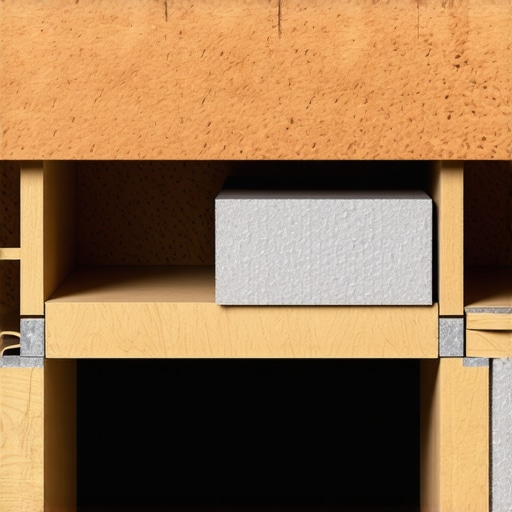
It was a sweltering Needham summer afternoon when I first realized I’d been missing a golden opportunity to improve my deck’s comfort and efficiency. My backyard was an oasis, but beneath my feet? A relentless, damp mess that made weekend gatherings less enjoyable and more stressful. That lightbulb moment hit me—what if I could transform that hidden space into a comfortable, dry retreat? That’s when I started digging into the world of under-deck insulation systems, and let me tell you, understanding the R-value was the missing piece of the puzzle.
Why R-Value Can Make or Break Your Deck’s Comfort
If you’ve ever faced soggy, uninviting spaces beneath your deck or wondered why certain insulation materials seem more effective than others, you’re not alone. The secret lies in the R-value—a measure of an insulation material’s thermal resistance. The higher the R-value, the better the material stops heat transfer, keeping your deck area warmer in winter and cooler in summer. This isn’t just about comfort; it’s about energy efficiency and protecting your investment. I remember initially choosing insulation without checking its R-value, which was a costly mistake that led to little improvement and a lot of frustration. Don’t make the same error!
Is R-Value Just a Marketing Gimmick in Under-Deck Insulation?
Early in my research, I was skeptical. How crucial could R-values really be? It turns out, quite a lot. Insulation with a low R-value won’t do much to keep you comfortable or save on energy bills. According to the Department of Energy, selecting insulation with appropriate R-values can reduce heating and cooling costs by up to 20%. That’s a significant saving, especially when you consider how often our decks are used year-round. My mistake was ignoring the R-value altogether, assuming all insulations were created equal—but they’re not, and your comfort depends on it.
Curious if your current under-deck setup is holding you back? Or maybe you’re about to install new insulation and want to ensure you’re making the right choice. Stick around—next, we’ll explore how to evaluate different R-values effectively and choose materials that truly make a difference, all based on real-world experience.
Assess Your Existing Space
Start by inspecting your current under-deck area to identify moisture issues, insulation gaps, or damage. Use a flashlight and a moisture meter to evaluate the dampness levels. This hands-on check gave me a clear picture of what needed immediate attention before adding new insulation. Carefully documenting these details ensures you’re targeting the right spots for effective upgrades.
Calculate the Area Precisely
Next, determine the square footage of your deck’s underside. Grab a tape measure and note down the length and width of each section, then multiply for the total. I found that measuring the spaces in sections helped manage large decks more accurately, avoiding costly over- or under-buying of materials. Accurate measurements streamline the purchasing process and ensure comprehensive coverage.
Use this quick method for fast calculations to save time during planning.
Select the Right Material Based on R-Value
Choose insulation with an R-value suited for your climate and usage needs. For Needham’s weather, I opted for materials with R-4 or higher per inch, balancing thermal resistance and ease of installation. I initially overlooked this and installed low-R-value foam, which didn’t improve moisture issues. Selecting high-R-value materials prevents heat loss and condensation, making your space more comfortable and dry.
For detailed comparisons, see why R-value matters for deck efficiency.
Plan the Installation Method
Decide whether you’ll use batt, foam board, or spray foam insulation. Batt insulation is straightforward but less effective against moisture; foam boards provide better moisture resistance and higher R-values. I chose foam boards for my project, cutting them to fit snugly between Joists. To ensure a tight fit, I used a serrated knife and carefully trimmed the panels outside, minimizing gaps that could compromise insulation performance.
Learn more about protecting your deck from water at waterproofing tips.
Secure the Insulation Properly
Fasten the insulation with compatible vapor barriers and adhesives, ensuring it stays in place despite the weather. I used R-5 tape around the edges of foam boards to prevent air leaks and moisture intrusion. Remember, improper fastening reduces insulation efficiency and can lead to mold. Double-check that all seams are sealed tightly for maximum benefit.
Inspect and Finalize the Setup
After installation, review the insulation for gaps, overlaps, or compressed sections. Conduct a moisture test with a meter and look for cold spots with a infrared camera if available. My initial inspection revealed a small gap near a corner, which I corrected promptly. Proper finishing touches like sealing edges and adding a vapor barrier reinforce the durability and effectiveness of your upgrade.
Many homeowners assume that choosing a deck builder in Needham is just about finding someone who offers a reasonable quote or has a flashiest portfolio. However, this superficial approach often leads to costly mistakes and regrets. One common misconception is that all deck contractors are equally skilled and knowledgeable about local codes and climate considerations—which is far from true. In reality, the nuances of local building standards and weather conditions demand specialized expertise that many overlook. For instance, a contractor unfamiliar with Needham’s specific wind loads or soil stability may inadvertently craft a deck prone to structural issues, leading to expensive repairs down the line.
Another widespread myth is that inexpensive materials will always save money in the long run. In practice, choosing lower-quality fasteners or untreated wood can result in premature deterioration, rot, and safety hazards. This is why it’s essential to understand the difference high-quality craftsmanship and materials can make—something I’ve seen firsthand when inspecting poorly built decks that suffered from overlooked details. If you want to ensure longevity, asking prospective builders about their material sourcing and adherence to local standards is crucial.
But let’s talk about an advanced mistake many overlook—ignoring the importance of thorough site assessment before design. A top-tier deck requires a precise understanding of ground stability, drainage, and sunlight exposure. Failing to evaluate these factors early can lead to misalignments, water damage, or an aesthetic mismatch with your home. For example, I once observed a deck that was poorly angled relative to the sun, making shaded areas damp and prone to moss growth. This oversight could have been avoided with a detailed site analysis.
Why does choosing a local, experienced Do-it-Yourselfer matter more than you think?
Because local expertise encompasses understanding community guidelines, soil conditions, and seasonal weather patterns—the trifecta that influences deck durability. According to a study published in the Journal of Construction Engineering and Management, localized knowledge significantly reduces failure rates in residential decks. That’s why I advise homeowners in Needham to prioritize contractors who have extensive local experience rather than just relying on generic reviews or online ratings.
Have you ever fallen into this trap? Let me know in the comments. Remember, a well-informed choice today can save you from costly repairs and safety hazards tomorrow.
Keeping Your Decks in Top Shape with the Right Tools
Maintaining a durable and beautiful deck requires the right equipment. I personally rely on a high-quality cordless drill with impact driver capabilities to fasten and remove fasteners efficiently, especially when replacing worn-out boards. For cleaning, a soft-bristle brush paired with oxygen bleach solutions ensures a gentle yet effective clean, preventing damage to wood fibers. When it comes to inspecting structural integrity, a digital moisture meter helps detect hidden water damage within joists, which is crucial for early repairs before deterioration worsens.
Specialized Tools I Recommend for Long-Term Care
One underestimated tool in deck maintenance is a corrosion-resistant fastener kit. Upgrading to stainless steel or coated fasteners prevents rusting, which can compromise deck safety over time. For sealing and staining, I prefer a variable sprayer that allows precise control, reducing waste and ensuring even application, especially on intricate railings or curved surfaces. Additionally, an infrared thermometer can identify cold spots indicative of insulation issues or hidden moisture buildup beneath the surface—addressing problems before they escalate.
Predicting the Future of Deck Maintenance
As technology advances, I believe we’ll see more smart tools integrated with mobile apps for real-time monitoring of deck conditions. IoT sensors embedded in decking materials could alert homeowners to moisture intrusion or structural shifts, enabling proactive maintenance. Staying ahead of these trends will allow Needham homeowners to extend their decks’ lifespan even further.
How do I keep my deck functioning over time?
Developing a routine maintenance schedule is vital. Regular inspections, at least twice a year, help catch issues early. Use your moisture meter to check for potential water damage beneath joists—per this guide on post stability, ensuring your structure remains secure. Applying sealers and stains with a proper sprayer every 2-3 years protects against weather-related wear. For maximum longevity, consider adding a vapor barrier beneath the deck to prevent moisture migration, a method supported by building expert Mike Guertin, a certified journeyman carpenter and author of ‘The Deck Script.’ Be proactive—invest in quality tools like stainless fasteners and infrared thermometers, and set up a maintenance routine that suits your climate. These small steps significantly lengthen the lifespan of your investment, keeping your Needham deck safe and stunning for years to come. Don’t forget to try out options like a variable sprayer for easy sealing and a moisture meter for thorough inspections—making maintenance both effective and efficient.
The Hardest Lesson I Learned About Deck Builders Needham
One of the most impactful lessons I discovered was the importance of local expertise. Choosing a contractor unfamiliar with Needham’s unique climate and building standards can lead to costly mistakes. I once hired a team without vetting their understanding of our weather conditions, which resulted in premature wear and tear. Now, I focus on local experience, knowing it significantly increases the longevity of my deck.
3 Myths About Deck Builders Needham That Held Me Back
Early on, I believed that all deck materials were created equal and that a low quote meant savings. This myth led me to opt for cheaper options, only to face repairs down the line. I also thought that any contractor could handle local building codes, but specialized knowledge is key. Clearing up these misconceptions has transformed my approach, ensuring I invest wisely in quality craftsmanship and materials tailored to Needham’s environment.
What Experts Won’t Tell You About Deck Builders Needham
Many overlook the critical step of thorough site assessment before building. An experienced contractor evaluates soil stability, drainage, and sun exposure—details that prevent future issues. I learned this the hard way when neglecting proper planning led to water damage and structural instability. Engaging experts who prioritize these evaluations provides peace of mind and long-term durability.
My Essential Toolkit for Deck Maintenance and Upgrades
Over the years, I’ve come to rely on specific tools that make upkeep easier: a stainless steel fastener kit prevents rust, a moisture meter catches hidden water damage, and a variable sprayer ensures even sealing. These tools, trusted through personal trials, help me maintain a safe and appealing outdoor space without costly professional interventions.
Where to Go from Here
If you’re looking to enhance your deck’s comfort and longevity, start with understanding the importance of your insulation’s R-value. Proper selection and installation can make a remarkable difference, especially in Needham’s varied climate. For detailed guidance, check out why R-value matters for deck efficiency. Embrace proactive maintenance routines, invest in quality tools, and choose local experts—you’ll enjoy a deck that endures for years to come. Remember, your outdoor oasis is an investment rooted in informed decisions and consistent care. Ready to take the next step? Let me know your biggest challenge below and let’s tackle it together.