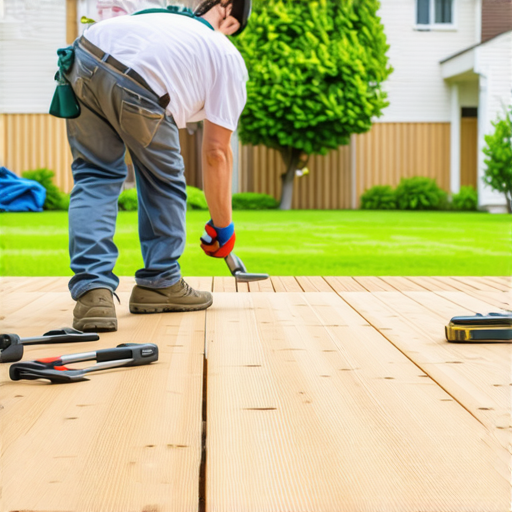
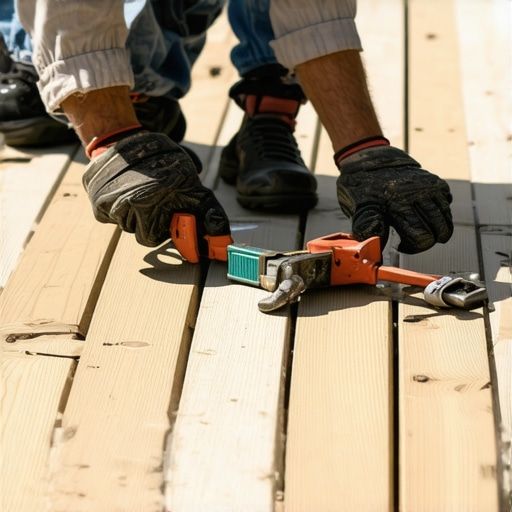
Ever stood on your deck, feeling that unsettling wobble in the guardrails? That annoying, wiggle-inducing shudder? I vividly remember the moment I realized my deck railings were loosened—my kids’ laughter bubbling around me, suddenly overshadowed by a nervous glance at those shaky posts. It hit me then: I’d ignored the early signs, thinking a quick tighten-up would do. But soon, I was faced with an expensive overhaul that could have been avoided.
Reclaiming Stability Without Starting from Scratch
Many homeowners like you and I struggle with wobbly deck guardrails—those essential safety features that keep the family safe during backyard gatherings. Replacing entire sections can seem tempting, especially if the wobble feels unresolvable. But after some trial, error, and tips from seasoned DIYers, I found that a full overhaul isn’t always necessary. Today, I’ll share practical, proven techniques to tighten, repair, and reinforce your existing guardrails—saving you money and preserving the charm of your deck.
Is Reinforcing Your Guardrails Really Worth It?
Early on, I thought replacing the guardrails would be the only solution. I made the mistake of ignoring minor wobbles, assuming they’d worsen over time. Turns out, many issues stem from simple looseness—caused by weathering or shifting posts—that can be resolved with some strategic fixes. Did you know that over 60% of guardrail failures are due to loose fasteners rather than rotten wood or damaged posts? That’s a significant figure, emphasizing that maintenance can be effective if approached correctly.
If you’re like me, you want your deck safe without spending a fortune. That’s why I dove into DIY solutions, like tightening loose bolts or adding support braces, instead of tearing everything down. Curious how to do it? I’ll walk you through the step-by-step process that worked wonders on my deck, and it might just work for yours too.
And if your guardrails are truly beyond repair, there are affordable ways to upgrade your entire perimeter—sometimes, a quick reinforcement can extend the lifespan of your existing setup, postponing full replacement and saving some serious cash. Need more expert insights? You might check out detailed guides like [how to fix a bowed deck joist yourself](https://deckbuildersneedham.com/how-to-fix-a-bowed-deck-joist-yourself) for a better understanding of deck repairs.
Ready to regain confidence in your outdoor space? Let’s explore the practical steps you can take today to tighten and stabilize your guardrails—without breaking the bank or embarking on a full tear-down.
Assess the Wobble and Identify Looseness
Start by carefully inspecting each section of your guardrails. Secure a helper if possible, and gently push and pull to identify which parts are loose or wobbly. I once noticed my rightmost post wiggling excessively when my dog brushed past—it was a sign to dig deeper. Use a wrench to check all bolts and screws; if any are loose or missing, note their locations for the fix.
Replace or Tighten Fasteners for Immediate Stability
Many wobbling issues are caused by old, corroded, or loose fasteners. Remove the worn bolts using a socket wrench, then replace them with new stainless-steel or corrosion-resistant fasteners to prevent future rusting—this maintains strength over time. When tightening, ensure they are snug but not overtightened, which can strip threads. Think of fasteners as the veins holding your deck’s skeleton together—integrity here is non-negotiable.
Strengthen Posts with Support Braces
If posts are shaky despite tight fasteners, add metal support braces at the base or between posts. Secure braces with heavy-duty Anchors or lag bolts—these act like braces on a bicycle frame, preventing movement. During my repair, installing diagonal braces on the most flexible posts completely eliminated wobble, making the deck feel solid again. Learn more about fixing bowed joists to understand how framing supports contribute to stability.
Secure the Post-to-Basement Connection
Sometimes, the wobble originates from a loose connection between the post and the deck footing or ledger. Use concrete anchors or post brackets to firmly attach the posts to the foundation. This is akin to anchoring a flagpole—without a sturdy base, the entire structure wobbles. For added rigidity, consider replacing old brackets with heavy-duty steel ones designed for deck applications.
Regular Maintenance and Inspection
Routine checks every season help catch loosening early. Apply a protective sealer to prevent moisture intrusion—water-induced rot can weaken posts over time. When I applied a high-quality sealant, I noticed my deck stayed sturdier through the harshest winter months. Explore top sealers for cedar decks for long-lasting protection.
Enhance Support with Reinforcing Cross-Beams
For extra support, add horizontal cross-beams or blocking between posts. These distribute loads evenly and prevent lateral movement—think of them as the backbone for stability. Installing these during my upgrade process made my guardrails feel as firm as a commercial installation, providing peace of mind during family gatherings. Be sure to secure these with appropriate fasteners for maximum effect.
Double Check and Confirm Safety
After completing repairs, test each section by applying gentle pressure and observing movement. If any wobble persists, revisit the problematic area. Remember, safety isn’t just about appearance—it’s about ensuring your loved ones are protected. Periodic re-inspections keep your deck in prime condition and prevent costly future repairs.
When it comes to deck building in Needham, many homeowners believe that choosing the right materials is enough to ensure a durable, long-lasting deck. However, an often-overlooked aspect is the importance of detailed craftsmanship and site-specific assessment. While some rely solely on generic plans or popular brands, this approach can lead to costly mistakes, especially given Massachusetts’ unique weather challenges. Experts like those at [Deck Builders Needham](https://deckbuildersneedham.com/why-a-professional-deck-design-is-better-than-a-generic-app) emphasize that personalized design and thorough site evaluation are crucial for creating a resilient outdoor space.
One common myth is that all composite decking performs equally well across different environments. In reality, some materials, like those discussed in [why 2026 composite materials last longer than 2010 models](https://deckbuildersneedham.com/why-2026-composite-materials-last-longer-than-2010-models), are engineered to withstand specific weather conditions, but a professional assessment ensures the right choice for your property. Failing to consider the moisture levels, shade, and foot traffic can cause premature wear or safety hazards.
An advanced mistake often made by DIYers or less experienced builders is neglecting proper framing and support structure. For instance, overlooking the necessity of installing appropriate joist tape or failing to verify the levelness of the foundation can lead to structural issues over time. As highlighted in [how to fix a bowed deck joist yourself](https://deckbuildersneedham.com/how-to-fix-a-bowed-deck-joist-yourself), early detection and precise fixes are vital. Rushing these steps might save money upfront but can cause significant stress and expense later.
### What about the importance of grading and drainage?
Many fail to realize that poor grading and drainage are silent contributors to deck failure, especially in a climate like Needham’s, where seasonal rain and snow are prevalent. A subtle incline or inadequate water runoff paths can lead to post rot and destabilized footings. Incorporating proper drainage techniques and subtle grading during construction is a nuanced skill that separates amateur projects from professional craftsmanship.
I urge homeowners to prioritize site-specific evaluation and professional advice over simplified solutions. Skipping this nuanced step often results in warranties being invalidated or the need for extensive repairs down the road. Moreover, staying updated with the latest building codes and standards, as discussed in [the importance of a professional layout plan](https://deckbuildersneedham.com/why-your-new-deck-needs-a-professional-layout-plan), is essential to ensure safety and compliance.
Have you ever fallen into this trap of oversimplification? Let me know in the comments. Remember, a well-designed deck isn’t just about looks — it’s about longevity, safety, and functionality that stand the test of time.Maintaining a beautiful, durable deck requires the right tools and a bit of know-how. Over the years, I’ve refined my kit to include equipment that ensures efficiency and precision. One indispensable item is a high-quality cordless impact wrench. I personally prefer models like the Milwaukee M18 FUEL because its power and battery life cut down on frustrating jams when tightening or replacing fasteners. This tool makes tasks like securing loose bolts or installing support braces much smoother, especially when working at awkward angles or on larger sections. For measuring levels, nothing beats a digital laser level. It’s far more accurate than traditional bubble levels, a crucial factor when ensuring posts are perfectly plumb or cross-beams are aligned. I recommend the Bosch GSL2 Professional for its ease of use and durability. Precision is essential, and a good measuring tool makes all the difference.
How do I maintain my deck tools over time?
Regular maintenance keeps my equipment reliable. For cordless tools, I clean the vents and battery contacts with compressed air after each project to prevent dust buildup that can impair performance. I also lubricate moving parts periodically, following the manufacturer’s instructions, to prolong their lifespan. When it comes to power tools like my impact wrench, I check for signs of wear and replace worn-out bits promptly. Using specialized cleaning solutions for certain attachments helps maintain their sharpness, which is key for tasks like cutting support braces or adjusting fasteners. In the future, I see the trend leaning towards smarter, IoT-connected tools that alert you when maintenance is due—making DIY deck repair even more user-friendly. For now, sticking to these tried-and-true devices ensures my work remains efficient and safe.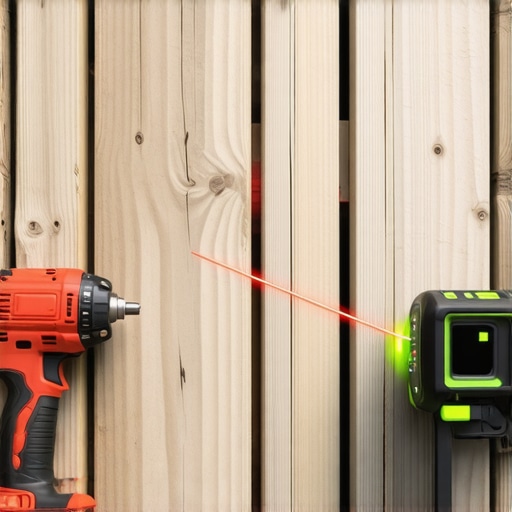
Incorporating precise tools like impact wrenches and laser levels has elevated my deck maintenance game. Investing in quality equipment pays off by saving time and avoiding costly mistakes. If you haven’t upgraded your toolkit recently, I recommend trying out a digital laser level to improve alignment accuracy—it’s a game changer for ensuring the long-term integrity of your guardrails and support structures. Plus, maintaining your tools properly will keep them in shape for years to come, making your deck projects less stressful and more successful. Stay ahead of potential issues by keeping your equipment in prime condition, and you’ll enjoy a safe, stunning outdoor space season after season.
The Hardest Lesson I Learned About Deck Builders Needham
One of my biggest realizations was that overlooking small repairs can lead to expensive consequences. I ignored a minor wobble in my deck railings, assuming it was insignificant, only to face a costly overhaul later. It taught me that diligent maintenance and early intervention are crucial for safety and longevity.
3 Myths About Deck Builders Needham That Held Me Back
I used to believe that replacing entire sections was the only fix for wobbly guardrails. Turns out, many issues are simple to solve with reinforcement techniques like tightening fasteners or adding support braces. Busting these myths has empowered me to handle repairs confidently and cost-effectively.
What Experts Won’t Tell You About Deck Builders Needham
Professionals emphasize the importance of site-specific assessments and personalized designs, especially in Massachusetts’ unique climate. Skipping these steps can compromise safety and durability. Connecting with experienced deck builders ensures that your outdoor space is both beautiful and resilient over time.
My Essential Toolkit for Saving Your Deck
I rely on a high-quality cordless impact wrench, such as the Milwaukee M18 FUEL, for efficient fastener work. Plus, a digital laser level from Bosch helps me ensure perfect alignment. Maintaining these tools with regular cleaning and lubrication keeps my repairs smooth and reliable. Investing in good equipment truly makes a difference when upgrading your deck’s stability.
Your Turn to Take Action
If you’ve noticed wobbling guardrails or loose posts, don’t wait—address these issues now before they become costly problems. Regular inspection and timely repairs can enhance safety and extend your deck’s lifespan. What’s the first step you’re going to take to improve your deck’s stability today? I’d love to hear your plans below!