It was late one snowy evening when I stepped onto my deck, expecting the familiar crunch of snow underfoot. Instead, I slipped—a sharp reminder of how dangerous an icy surface can be. That unexpected slip made me realize: tackling ice on my wood deck isn’t just about clearing the snow; it’s about safety, preservation, and peace of mind. Have you ever faced a similar moment of surprise or concern when frost or ice takes over your outdoor space? Well, you’re not alone.
Why Ice Is Your Deck’s Worst Enemy—and Why You Should Act Fast
Ice might seem harmless at first, just a natural part of winter’s charm. But beneath that crystalline beauty lurks a threat to your deck’s integrity and your family’s safety. When water seeps into the wood’s pores and freezes, it expands, leading to cracks, splinters, and eventual rot. Over time, repeated freeze-thaw cycles weaken the wood, forcing you to consider costly repairs—sometimes even a full replacement.
In my early days as a deck owner, I made a critical mistake: I relied solely on a shovel and heavy salt, thinking these would suffice. Turns out, salt can be harsh on wood and can accelerate deterioration. Plus, shoveling ice aggressively often damages the surface. Research from the University of Minnesota highlights that improper ice removal methods can cause lasting harm to wooden structures, emphasizing the importance of gentle, effective solutions. So, what’s the secret to managing ice without damaging your beautiful deck?
Let’s dig into proven methods that keep your wood safe and your winter worries at bay. Ready to learn how to handle ice the right way?
Is Using Salt or Calcium Chloride Actually Worth It?
Many homeowners, myself included initially, believe melting ice with salt is enough. But in reality, regular rock salt can be harsh on wood and plants nearby. Calcium chloride melts faster and is less damaging, but it still isn’t perfect. The key is to use these de-icers sparingly and only in small amounts, applying carefully to avoid overspreading. Better yet, consider non-chemical solutions or eco-friendly melts. Want to know more about safe de-icing options? Check out this comprehensive guide on snow and ice removal safety and techniques.
Handling ice on your deck isn’t just about convenience—it’s about preserving your investment and ensuring safety for everyone. Next, I’ll share practical, neighbor-approved steps that will make icy mornings much less treacherous. Stay tuned!
Prepare Your Tools and Workspace
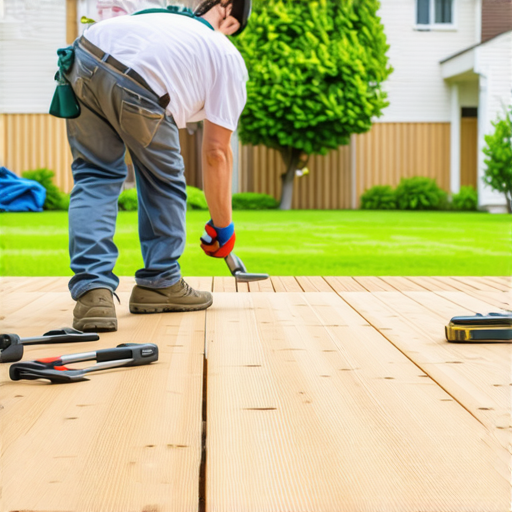
Start by gathering gentle tools like a plastic shovel and eco-friendly de-icer. Clear the surrounding area to prevent injury or damage to nearby plants. Setting up a secure workspace ensures safety and efficiency during ice removal.
Apply Eco-Friendly De-Icers Correctly
Sprinkle a light layer of calcium magnesium acetate or sand for traction before the ice hardens. These alternatives reduce damage to your wood deck and environment. Remember, less is more—overapplication can be harmful.
Use Gentle Mechanical Methods
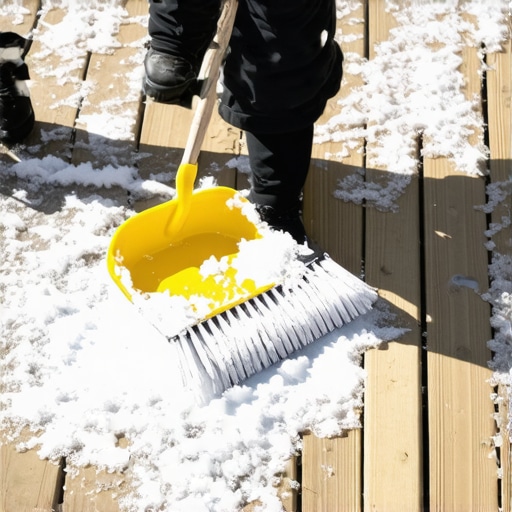
When removing thin ice layers, use a plastic ice scraper or broom to gently break and sweep the ice away. Avoid metal shovels that can scratch or gouge the wood, similar to how improper tools can harm your siding when cleaning, like discussed here.
Stop Worrying About Accidental Damage
I once tried using a metal shovel, applying too much force. The result was scratches on my deck surface, which I had to sand and refinish later. Now, I stick to plastic tools and a light hand, which preserves the wood’s integrity.
Promote Traction to Prevent Slips
Scatter sand, grape-sized gravel, or commercial traction aids over icy patches. They provide grip without harming the wood, unlike salt or harsh chemicals that can degrade the wood fibers over time. For a safer surface, consider non-slip coatings discussed here.
Address Heavy Icing with Strategy
For thick ice, consider softening it with warm water, taking care not to use excessive heat that could cause the wood to crack. Use a plastic shovel afterwards to lift the softened ice. Repeating this process prevents the aggressive removal that damages your deck, similar to the method explained in here.
Schedule Regular Maintenance
Preseason preparation includes sealing your deck with a protective finish to reduce ice accumulation and water penetration. Applying a sealant like the ones recommended here keeps your wood safe from the freeze-thaw cycle and extends its lifespan.
Post-Ice Cleanup and Inspection
After removing the ice, inspect your deck for signs of damage like splinters or loosened boards. Address minor issues immediately to prevent costly repairs. Regular checks ensure your deck remains safe and beautiful during winter months.
Many homeowners believe that hiring a deck builder is as simple as selecting a contractor with good reviews, but this overlooks crucial nuances that separate a truly skilled professional from an average one. Contrarily, what most people get wrong about Deck Builders Needham is their assumption that all companies are equally capable of handling complex projects, which isn’t the case. Advanced deck constructions require precise planning and expert execution, especially when dealing with local climate considerations such as harsh winters or high humidity levels. For instance, choosing the wrong framing material, like untreated wood, can lead to premature rot—something that proper craftsmanship and material knowledge can prevent. Avoid falling into the trap of thinking that a cheaper quote equates to better value; sometimes, cutting corners results in costly repairs down the line. A subtle but significant oversight many make is neglecting to verify that the contractor understands the importance of proper joist layout, which affects not only aesthetics but long-term durability. For example, improper joist spacing can cause sagging or uneven surfaces, undermining safety and longevity. To avoid this, always ensure your builder is familiar with foundational principles, such as optimal joist placement or effective stair stringer installation. Questions about complex designs may also trip up homeowners unaware of local building codes or material compatibilities; consulting an expert can save you from costly code violations or structural failures. Additionally, some underestimate the importance of professional-grade sanders to refine wood surfaces without damaging grain, a step often skipped by amateurs but crucial for a flawless finish. This attention to detail is what elevates a good deck to an exceptional one. Remember, the right contractor not only brings technical expertise but also understands the broader context—like integrating modern lighting or kid-friendly layouts—that increases your deck’s value and usability. For instance, exploring innovative railing solutions might require a professional’s insight, as highlighted in posts about low-maintenance railing options. Don’t risk future regrets by settling for mediocrity. Always question whether your builder has experience with complex projects that involve meticulous planning and nuanced execution.
Keep It Working Day After Day
When it comes to maintaining your deck’s integrity, investing in the right tools and adopting effective methods are paramount. Personally, I swear by a high-quality electric orbital sander for refinishing surfaces every couple of years. It not only speeds up the process but also gently buffs the wood without causing damage, especially when followed by proper sealing. For cleaning, I prefer a pressure washer with adjustable pressure settings; set too high, it risks gouging the wood fibers, but with a gentle spray, it lifts dirt and pollen effectively (learn to clean your deck safely here). Additionally, a good set of staining brushes and a sprayer can make applying sealants or stains more efficient and uniform, saving you money and time in the long run.
Preparing for Long-Term Results
Choosing the right sealant is crucial. I recommend a penetrating sealant that offers durability against the New England weather, especially the freeze-thaw cycles that can wreak havoc on untreated wood. Regular inspections and touch-ups with a weatherproofing product annually will extend your deck’s lifespan significantly. For instance, the latest sealers provide enhanced water resistance, preventing rot and splinters. Implementing these tools and practices creates a reliable maintenance routine that pays off over years of enjoyment.
Are there Smart Ways to Scale Up Maintenance Efforts?
Absolutely. As your deck grows in size and complexity, consider automated solutions like pressure washers with adjustable nozzles or electric scrapers with variable speeds. For large or multi-tiered decks, renting a scaffolding or lift can make painting or sealing safer and more manageable. Embracing technology not only saves physical strain but also ensures thorough coverage, especially on hard-to-reach areas. Looking ahead, I predict that advances in robotic cleaning devices might soon automate routine chores, much like how robotic lawn mowers have become popular. Until then, combining traditional tools with modern equipment remains the best strategy.
How do I maintain my deck over time?
Keeping your deck in top shape requires consistent effort and the right tools. Focus on gentle cleaning, sealing, and inspections tailored to your specific needs. For example, regularly inspecting joist layouts can prevent structural issues—check out this article to learn more. Implementing these practices now will save you costly repairs later and keep your outdoor space inviting for years to come. Don’t hesitate to try using a new sealing technique or upgraded cleaning device this season to see how small upgrades make a big difference.
Lessons Learned in the Trenches of Deck Care
One of my biggest revelations came when I realized that rushing through ice removal often leads to more harm than good. Patience is crucial; gentle methods preserve the wood and keep your deck looking pristine for years to come.
I also discovered that investing in quality tools, like a plastic ice scraper and eco-friendly de-icers, makes every winter task safer and more effective. Cutting corners with cheap tools often results in blemished wood or, worse, injury.
Sometimes, the toughest spots require a soft touch: softening thick ice with warm water before removal minimizes stress on the wood. It’s about working smarter, not harder, to maintain your outdoor sanctuary.
Gear Up with My Favorite Resources for Deck Winter Care
- Eco-friendly de-icers like calcium magnesium acetate: I trust this because it’s effective without damaging the wood or environment—perfect for winter management.
- Plastic ice scrapers and soft brushes: These are my go-to tools that prevent scratches and keep my deck looking its best.
- Regularly updated maintenance guides: The articles on joist layout and sealing help me plan ahead and protect my investment.
- High-quality sealants and waterproofing products: Applying the right sealant, especially before winter storms, extends the life of my deck.
Embrace the Joy of Care in Your Outdoor Space
Your deck is more than just a surface—it’s a place for making memories, relaxing, and enjoying nature’s beauty. By approaching ice management with care and patience, you’re not only safeguarding your investment but also ensuring countless seasons of happiness outdoors. Take that first gentle step today and turn winter challenges into opportunities to show your deck some love.
What’s been your biggest lesson when managing your deck during winter? Share your experience below—I’d love to hear your story!