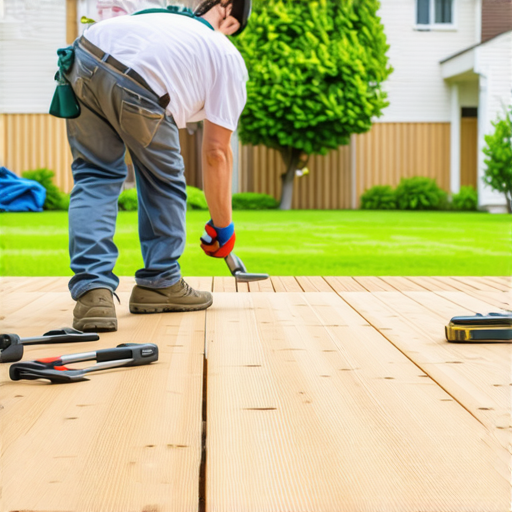
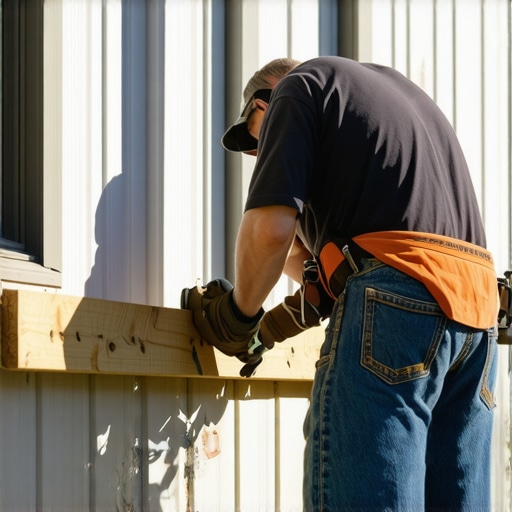
I remember the moment perfectly—standing in my backyard, staring at a sagging, rotting section of my deck ledger. It hit me hard. What if I could fix this without the hassle of ripping off siding or calling in a contractor? Turns out, I wasn’t alone in that frustration. Many homeowners Find themselves scratching their heads, worried that a DIY repair might do more harm than good.
Why It’s Time to Tackle Your Damaged Ledger Head-On
Dealing with a compromised deck ledger can feel overwhelming. The ledger acts as the backbone of your outdoor space, anchoring your deck securely to your home. If left untreated, it doesn’t just threaten the stability of your deck; it could also pose safety risks. But here’s the thing—removing siding usually sounds like the only way to address it. That, or costly excavation and extensive demolition.

Here’s the good news: You might not need to go that route. With a bit of know-how, you can repair or reinforce a damaged ledger without disturbing your siding. This approach saves you time, money, and the headache of a major reconstruction. Plus, it keeps the aesthetic of your home intact.
But before you dive in, it’s critical to understand what causes ledger damage and why DIY fixes can sometimes backfire. Making a mistake early on—like ignoring underlying moisture issues—can lead to even bigger problems down the line. According to the National Association of Home Builders, around 60% of ledger board failures are caused by water infiltration, which often goes unnoticed until significant damage occurs. Recognizing the root cause is key to a lasting repair.
Are you facing this exact dilemma? If so, stay tuned. I’ll walk you through practical, neighborly solutions that have worked for me and many others in Needham. No need for a wrecking crew—just some smart techniques and the right materials. Next, we’ll explore how to assess the damage properly and determine whether a repair is feasible or if professional help is advisable.
Assess the Extent of Damage
Start by inspecting the ledger board carefully. Look for soft spots, rot, or signs of mold, especially near the top and edges where water tends to accumulate. Use a screwdriver to gently poke suspicious areas; soft wood indicates compromised material. Remember, neglecting even small soft spots can lead to larger structural issues over time.
Remove Surrounding Soil and Debris
Clear any mulch, leaves, or soil against the ledger to improve visibility and prevent future moisture buildup. Keep the area dry during inspection to prevent further deterioration. Think of it like peeling back a layer of old paint to reveal the true condition beneath—this step is crucial for an accurate assessment.
Clean the Surface Thoroughly
Use a stiff brush and a mixture of water and mild detergent or a specialized wood cleaner to remove mold, algae, and dirt. Rinse well and let dry completely. A clean surface ensures you can accurately gauge the damage and prepares the area for repairs. I once cleaned a ledger my neighbor thought was beyond saving—after cleaning, she noticed only minor rot, saving her hundreds in repairs.
Address Moisture Intrusion
Check for gaps or leaks causing water to infiltrate behind the ledger. Seal any gaps with waterproof caulk or foam sealant. Consider installing a drip edge or flashing to redirect water away from the ledger in the future. Think of this like installing a raincoat—preventing water from seeping in keeps your wood dry and healthy.
Decide Between Repair or Reinforcement
If damage is minor—less than 10% of the board’s width—you can reinforce it. For larger areas, replacement is wiser. I replaced a small section of my ledger with treated cedar, which matched the existing wood perfectly and restored integrity without removing siding. For reinforcement, using epoxy wood fillers can stabilize rotted areas temporarily, but plan for eventual replacement to ensure safety.
Reinforce with Metal Ledger Clips
Secure loose or weakened sections with specially designed ledger clips or straps. These metal connectors bridge gaps and provide additional stability when properly installed. Remember, proper installation requires drilling and secure anchoring—think of it like tightening bolts on a bicycle wheel to prevent wobbling.
Apply Waterproof Sealant and Paint
Once repairs are complete, coat the entire ledger with a high-quality waterproof sealant compatible with outdoor wood. This adds a protective barrier against moisture and UV rays. For aesthetics, consider painting or staining the ledger, but ensure it’s allowed by your siding material. Regular maintenance, such as annual inspections, keeps your ledger in top shape.
Monitor and Maintain Regularly
Schedule inspections each spring and fall to catch early signs of deterioration. Use a moisture meter to assess wood health periodically. Keep gutters clean to prevent excess water from pooling around the ledger. Did you know that checking for proper deck board spacing, such as ensuring correct board gapping, can also reveal underlying issues?
Many homeowners assume that hiring a deck builder is as simple as picking the first contractor with a good referral. However, this misconception overlooks the critical nuances that determine a project’s success and longevity. One prevalent myth is that more extensive custom work always equates to higher quality. In reality, experienced deck builders in Needham prioritize tailored solutions that match your home’s unique architecture and your personal lifestyle — not just flashy features. For example, choosing a modern railing or lighting system that complements your existing landscape can dramatically elevate your space without unnecessary complexity.
Additionally, many believe that DIY decks are inherently cheaper than professional builds. While initial costs may seem lower, improper planning or execution often results in costly repairs or safety hazards down the line. For instance, neglecting proper joist spacing or insufficient waterproofing can lead to premature rot or structural failure. To avoid this, consulting with seasoned professionals ensures adherence to Massachusetts building codes and best practices, ultimately saving you money and stress.
Beware of the trap where homeowners focus solely on material costs. Cheaper materials might seem attractive initially, but they frequently lack the durability required for New England’s climate. High-quality treated wood or composite decking, although more costly upfront, provides a longer-lasting and maintenance-free solution. Sites like [creating a beautiful outdoor oasis](https://deckbuildersneedham.com/modern-lighting-ideas-for-your-needham-backyard-oasis) highlight how investing in quality materials can transform your outdoor space.
An advanced point often overlooked involves understanding load capacities and safety margins. Overloading a deck with heavy furniture or planters without proper framing can compromise structural integrity. Consult a professional to ensure your design accounts for future needs, especially if you’re considering features like built-in seating or fire pits. This foresight prevents costly retrofits and enhances safety.
One common mistake is underestimating the importance of proper drainage and water management. Failing to include features like gutters, flashing, or adequate slope can lead to water infiltration and wood rot—a silent killer of decks. As expertise among [Needham deck builders](https://deckbuildersneedham.com/why-hidden-fasteners-are-worth-the-extra-labor-time) shows, proactive water control measures protect your investment.
Before embarking on your deck project, ask yourself: Am I considering all safety, durability, and aesthetic factors? Employing an expert ensures these nuances are addressed. Remember, a well-designed deck isn’t just about looks; it’s about creating a safe, long-lasting backyard haven. Think twice if you’re tempted to cut corners or skip professional advice. Instead, focus on building a space that elevates your home’s value and your lifestyle.
If you’re curious about integrating innovative designs, explore [modern bench styles](https://deckbuildersneedham.com/7-modern-bench-styles-for-custom-wood-decks), which combine functionality with style. And always check your [deck board gapping](https://deckbuildersneedham.com/is-your-deck-board-gapping-too-wide-how-to-correct-it) to ensure water runoff and avoid warping. Have you ever fallen into this trap? Let me know in the comments.Keeping your deck in top shape requires more than just occasional inspections; it demands the right set of tools and a systematic approach. As a seasoned homeowner and professional in Needham, I rely on specific equipment that ensures my maintenance is thorough, efficient, and results in lasting durability. One of my favorite investments is a high-quality moisture meter. This device helps me monitor wood humidity levels regularly, which is critical because moisture intrusion is a leading cause of deck rot. Using a moisture meter from brands like Wagner allows me to detect problem spots before they show visible signs, saving me costly repairs down the line.
Beyond moisture testing, I swear by a detailed deck inspection checklist and a sturdy 5-in-1 screwdriver. The checklist guides me through inspecting fasteners, guardrails, and surface integrity, ensuring I don’t overlook subtle issues. The screwdriver’s interchangeable bits help me tighten loose screws on rails and replace worn-out deck screws with ease, especially when I use corrosion-resistant stainless steel fasteners suited for Massachusetts weather.
To keep my staining and sealing projects efficient, I use a pneumatic sprayer coupled with high-quality brushes. For large surfaces, spraying speeds up the application process, but I finish with brushes to reach tight corners and ensure even coverage. I recommend a stain applicator pad for touch-ups and a pressure washer with adjustable pressure settings—especially when cleaning after winter. Proper cleaning removes debris and prevents mold buildup, extending the lifespan of your deck.
Of course, maintenance tools must be paired with software that helps track planned inspections and repair schedules. I utilize a straightforward digital calendar and project management app specialized for home improvement projects, making reminders for re-sealing or checking for board gapping during winter months. Visiting sites like [how to correct deck board gapping](https://deckbuildersneedham.com/is-your-deck-board-gapping-too-wide-how-to-correct-it) can help you understand why consistent monitoring pays off.
Looking ahead, the trend in deck maintenance points towards smart, connected tools. Imagine moisture meters that sync with your smartphone or repair apps that guide you through DIY fixes step-by-step. Investing in these advanced tools can simplify long-term upkeep and provide peace of mind. As we move into 2026, I predict a surge in integrated maintenance systems that combine sensors and AI diagnostics, revolutionizing how homeowners care for their decks.
To truly keep your deck working year after year, I challenge you to try a proactive approach. Start by acquiring a reliable moisture meter and schedule quarterly checks—trust me, the early detection makes all the difference. Regular maintenance with these targeted tools not only preserves your outdoor oasis but also enhances safety and aesthetics for years to come.
The Hardest Lesson I Learned About Deck Builders Needham
Early in my renovation journey, I underestimated how critical proper moisture management is for ledger integrity. Thinking a quick patch would suffice, I paid the price with rotted wood underlying seemingly sound boards. It taught me to always dig deeper and understand the root causes—water intrusion is the silent enemy.
3 Myths About Deck Builders Needham That Held Me Back
Many believe that DIY repairs are always more affordable, but shortcuts often lead to costly fixes later. Also, some think that a quick sealant application can prevent future rot—false. Lastly, I used to assume that all wood options are equal; choosing quality treated wood or composites makes a difference in longevity.
What Experts Won’t Tell You About Deck Builders Needham
Professionals know the importance of detailed inspections and proper drainage systems. They also emphasize that regular, proactive maintenance—like testing with a moisture meter—saves headaches down the line. Remember, paying attention to these details can prevent extensive repairs or replacements and ensure your deck remains safe and beautiful for years.
My Essential Toolkit for Handling Deck Ledger Issues
I rely heavily on a high-quality moisture meter like Wagner’s to monitor wood health. A sturdy 5-in-1 screwdriver helps tighten fasteners or remove damaged boards. For cleaning, I use a pressure washer with adjustable settings combined with brushes to prepare surfaces for sealing. These tools have become invaluable in maintaining my deck’s integrity.
Where to Go from Here
If you’re eager to keep your deck in top condition, I recommend exploring detailed guides on board gapping adjustments and installing reliable flashing for water diversion. Investing in training or consulting local experts can further enhance your skills. Remember, a well-maintained deck isn’t just a project—it’s a commitment to safety and enjoyment.
Build a Dream, Not a Damage Trap
Taking action now with knowledge and the right tools can transform your backyard oasis into a safe—and beautiful—space. Whether you’re repairing a small soft spot or planning a full upgrade, your effort makes a lasting difference. Dive into these insights, and let’s elevate your deck to new heights of durability and style.