Last winter, I stepped onto my deck with a sense of pride, only to immediately notice a strange, unsettling gap between some of my boards. It wasn’t there the season before—and I had no clue whether it was normal or a sign of trouble. At first, I thought, “Maybe I just didn’t notice it before,” but as the cold snaps continued, the gaps widened, creaking ominously with every gust of wind. I realized I had overlookeda crucial aspect of deck maintenance—how seasonal changes impact board spacing, especially for winter readiness. This lightbulb moment led me down a rabbit hole of research and trial, aiming to figure out what “proper” deck gaps really are and how to handle them before winter does its damage.
Today, I want to share with you what I’ve learned about deck board gaps during the colder months—how to recognize if your gaps are normal or problematic, and most importantly, how to get your deck winter-ready to avoid costly repairs or safety hazards. Whether you’re a homeowner eager to protect your outdoor haven or a DIY enthusiast tackling your first deck project, understanding the ins and outs of deck board gapping will save you money and stress down the line.
Why Deck Board Gaps Matter More Than You Think
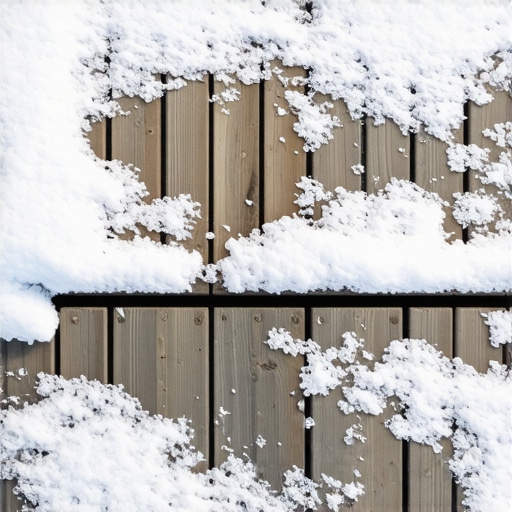
In the brisk air of Needham winters, the wood on your deck responds dramatically to temperature fluctuations and moisture levels. When temperatures drop, wood contracts—it shrinks, pulling away from neighboring boards and creating gaps. Conversely, as it warms up and absorbs moisture during spring and summer, the wood expands again. If your boards are gapping excessively, it might not just be an aesthetic issue; it could point to underlying problems like improper spacing during installation or inadequate expansion allowances.
Too-wide gaps can compromise the structural integrity of your deck, leading to potential tripping hazards and increased vulnerability to water infiltration, which accelerates rot and decay. On the flip side, insufficient gaps can trap moisture, promoting mold and swelling. Getting this balance right is essential, especially before winter sets in when water-seepage and frost can exacerbate existing issues. A proper understanding of seasonal gapping can help you identify early warning signs and take action accordingly. If you’ve seen your deck boards shift or gap more than usual, it might be time to revisit how your deck was built or maintained. You can learn more about common causes behind cracked decks and how crucial proper spacing is by visiting this insightful guide.
Is this enough to make me worry about my deck’s winter readiness?
Actually, many homeowners overlook that seasonal gapping is natural yet manageable—if you know what to watch for. Early missteps, like neglecting to check the wood’s condition or ignoring signs of excessive gaps, can lead to bigger issues come springtime. I remember making a mistake early on: I dismissed small gaps as just part of natural movement, only for them to widen after a harsh winter, requiring more extensive repairs. If you’ve faced similar frustrations, don’t worry—help is just ahead.
Measure and Assess Current Gaps
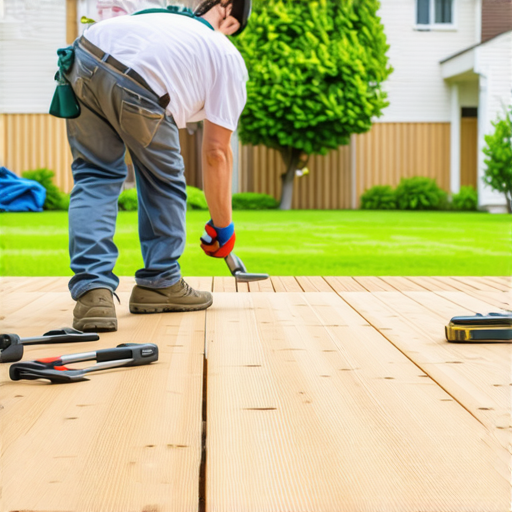
Start by closely inspecting your deck boards during a calm day. Use a tape measure or a ruler to gauge the width of the gaps between each plank. The goal is to identify which gaps are within the normal range—typically 1/8 inch to 1/4 inch—or if they have widened beyond that. I vividly recall a winter where I ignored small gaps, dismissed them as natural, only to find some boards had shifted significantly, causing safety concerns and water intrusion issues. Accurately measuring now helps you prioritize repairs and adjustments before winter hits.
Identify Causes Behind Excessive Gapping
Excess gaps can result from improper installation, moisture fluctuations, or wood shrinkage. Think of your deck as a puzzle; if the pieces aren’t fitted correctly from the start, they can become loose or separate over time. Seasonal moisture loss causes wood to contract, enlarging gaps; excessive gaps might signal inadequate initial spacing or improper tightening during installation. For a comprehensive understanding, visit this guide that delves into common cracking issues and prevention strategies.
Plan for Corrective Actions
Once you determine which gaps are problematic, decide whether you need to tighten, replace, or adjust the boards. For minor gaps, using a deck board expander or a shim can help close the space temporarily. If boards are severely separated or warped, consider removing and refastening them with proper hardware. Remember, maintaining the proper expansion gap—not too tight nor too loose—is crucial. During my DIY project, I learned that re-tightening loose fasteners and adding spacers improved stability, avoiding costly replacements later. For long-term solutions, exploring waterproofing treatments can prevent moisture-related issues—learn more about waterproofing methods.
Apply Seasonal Adjustments
Adjust the spacing of your deck boards proactively before the cold weather sets in. This may involve slightly widening gaps to allow for contraction during winter, preventing boards from buckling or cracking. Think of this as giving your deck room to breathe; it’s like leaving extra slack in a winter coat so it doesn’t become too tight when layered with sweaters. When I prepared my deck, I used a spacing tool and added screws to reattach loose boards, ensuring they had enough room for seasonal shrinkage. This step reduces the risk of frost damage and water pooling, protecting your investment over the long run.
Seal and Protect the Surface
Once gaps are properly managed, apply a quality sealant or waterproofing treatment to shield your deck from winter moisture. This creates a barrier that prevents water infiltration into wood fibers, which could freeze and cause splitting. I recommend a breathable stain or sealer designed for seasonal use, to maintain wood flexibility. Regular sealing not only extends the lifespan of your deck but also preserves its appearance. Check out waterproofing options tailored for Needham’s climate.
Many homeowners assume that hiring a deck builder in Needham is as simple as choosing the lowest bid or the most popular name. However, this oversimplification often leads to overlooked nuances that can significantly impact the longevity and quality of your deck. One common myth is that all craftsmanship is equal, but in reality, expertise in local climate conditions and materials plays a crucial role. For instance, a contractor well-versed in Massachusetts weather will know how to select and install decking materials that resist moisture and temperature fluctuations, reducing future maintenance costs. Relying solely on generic recommendations without understanding these subtleties can result in disappointing results or premature deterioration. To avoid this trap, it’s essential to delve into a builder’s experience with specific materials and regional challenges, such as the best hardwoods suited for Needham’s climate. Check out this guide on hardwood choices for more insights.
Are You Overlooking the Importance of Installation Detail
Many assume that quality materials will automatically translate into a durable deck, but incorrect installation can negate those benefits. For example, improper joist spacing or insufficient waterproofing measures can lead to wood rot or board warping — issues that only become apparent after years of wear. A key hidden nuance is understanding the proper joist layout, which can dramatically affect the deck’s stress distribution. For comprehensive planning, consider professional joist layout advice. Furthermore, neglecting seasonal considerations, such as adequate expansion gaps, exacerbates problems over time, especially during Massachusetts winters. Remember, mastering these details makes the difference between a deck that lasts and one that quickly needs repair. Have you ever fallen into this trap? Let me know in the comments.
How do I maintain my deck over time to ensure longevity and safety?
Maintaining a Needham deck isn’t just about occasional cleaning; it involves investing in specific tools and adopting a disciplined routine. One of my most trusted tools is a reliable power washer with adjustable pressure settings. I personally prefer the Simpson Cleaning Pump2.0 because it delivers consistent performance without damaging wood surfaces. When combined with biodegradable, weather-resistant cleaners, this tool effectively removes dirt, mold, and algae, keeping the surface safe and attractive for years. Regularly inspecting fasteners and joist connections with a torque wrench is equally crucial; loose or corroded hardware can compromise structural integrity over time. I always carry a Hilti Rebar-Tie Wrench for quick tightening, especially in hard-to-reach areas. For sealing, I recommend a high-quality, breathable sealant like Behr Premium DeckOver, which forms a durable barrier against moisture while allowing wood to breathe. Using these tools consistently and correctly will significantly extend your deck’s lifespan and prevent costly repairs. Looking ahead, I believe the trend toward smart maintenance will grow, with app-enabled sensors alerting homeowners to wood movement or damage early, simplifying upkeep. To keep your deck performing well, incorporate routine checks every season, especially before winter, and use appropriate treatments to maintain its resilience.
What are the best tools I should keep handy for ongoing deck maintenance?
Having the right tools at your disposal makes all the difference in effective deck maintenance. Besides the power washer, I keep a set of precision screwdrivers and a cordless impact driver—like the Milwaukee M18 Fuel—so I can tighten loose fasteners quickly. A digital moisture meter is also essential; I use the Tramex Moisture Stop to monitor wood dampness levels, which helps decide if sealing or repairs are needed. For close-up cleaning, a nylon scrub brush paired with eco-friendly cleaners maintains the deck surface without causing scratches. When I noticed my boards starting to warp, I employed a long-reach pry bar to assess and gently adjust the spacing—this prevents uneven gapping and prolongs the deck’s aesthetic appeal. Additionally, I recommend a high-quality caulking gun and weatherproofing brushes for outdoor sealants. Consistent use of these tools allows me to catch minor issues early, saving money and time in the long run. As technology advances, expect more integrated systems that monitor your deck’s health remotely, making maintenance even smarter and less labor-intensive. For comprehensive upkeep, always follow manufacturer instructions for each product and check this guide to prevent common cracking problems that may arise during maintenance.
Scaling your deck care for long-term results
To ensure your Needham deck remains in optimal condition over many seasons, adopt a proactive maintenance plan. Schedule seasonal inspections and treatments—spring for cleaning and sealing, fall for repairs and sealing—to keep moisture and decay at bay. As your deck ages, consider upgrading hardware with corrosion-resistant stainless steel fasteners and fencing; this minimizes structural issues. To handle larger projects, invest in power tools like a cordless reciprocating saw for removing damaged boards and a smart moisture sensor system that logs conditions over time, providing data-driven insights. Such investments pay off by reducing recurring repairs and maintaining safety standards. Meanwhile, exploring newer materials like composite or PVC decking can drastically reduce maintenance needs, especially in harsh climates. Remember, consistent care involves not only tools but also staying educated on evolving best practices. One worthwhile tip is to apply a deck-specific waterproofing treatment annually, which keeps wood fibers intact and prevents frost damage. For example, this comprehensive waterproofing guide offers step-by-step advice. Embracing these maintenance essentials now means fewer surprises later, ensuring your deck remains a beautiful, safe outdoor space for years to come.
The Unseen Pitfalls of Deck Gaps I Discovered
One of the most profound lessons I learned is that seasonal gapping isn’t just a minor aesthetic issue—it’s a vital indicator of your deck’s health. Overlooking small gaps in autumn led to significant structural concerns by spring, teaching me that close inspection during each season is essential. Recognizing the signs early can save you from costly repairs and safety hazards later on.
Another insight was the importance of understanding the natural contraction and expansion cycles of wood. I initially believed gaps were always a sign of poor construction, but I discovered that proper initial spacing, combined with seasonal adjustments, is crucial for durability and safety.
Lastly, I realized that proactive management—like adjusting gaps before winter—makes a world of difference. It’s about giving your deck room to breathe, preventing issues like frost damage or water seepage that accelerate decay. These lessons transformed my approach from reactive fixes to strategic planning.
Tools and Resources That Elevated My Deck Care Game
To effectively manage my deck, I relied on a few trusted tools. A high-quality moisture meter, like the Tramex Moisture Stop, helped me monitor wood dampness, guiding timely interventions. My cordless impact driver ensured fast, precise fastening, which is critical when re-tightening or replacing boards.
For maintenance knowledge, I turned to online experts and industry-forming blogs, such as the guides on preventing deck cracking and waterproofing techniques. These resources provided tailored advice that considers Massachusetts’ climate, reinforcing that regional expertise is vital.
Additionally, investing in quality sealants like Behr Premium DeckOver allowed me to protect my wood from winter moisture. Combining the right tools and reliable information has empowered me to extend my deck’s lifespan confidently.
Your Deck, Your Sanctuary—Seize the Moment
Now is the perfect time to assess and prepare your deck for winter. Embrace these lessons, equip yourself with the right tools, and develop a maintenance routine that keeps your outdoor space safe and beautiful all year round. Remember, a well-cared-for deck isn’t just about aesthetics—it’s about creating a durable haven for your family and friends. Take action today, and enjoy worry-free outdoor gatherings long into the future.